Dispute Claim Form With Insurance Company In Wake
Description
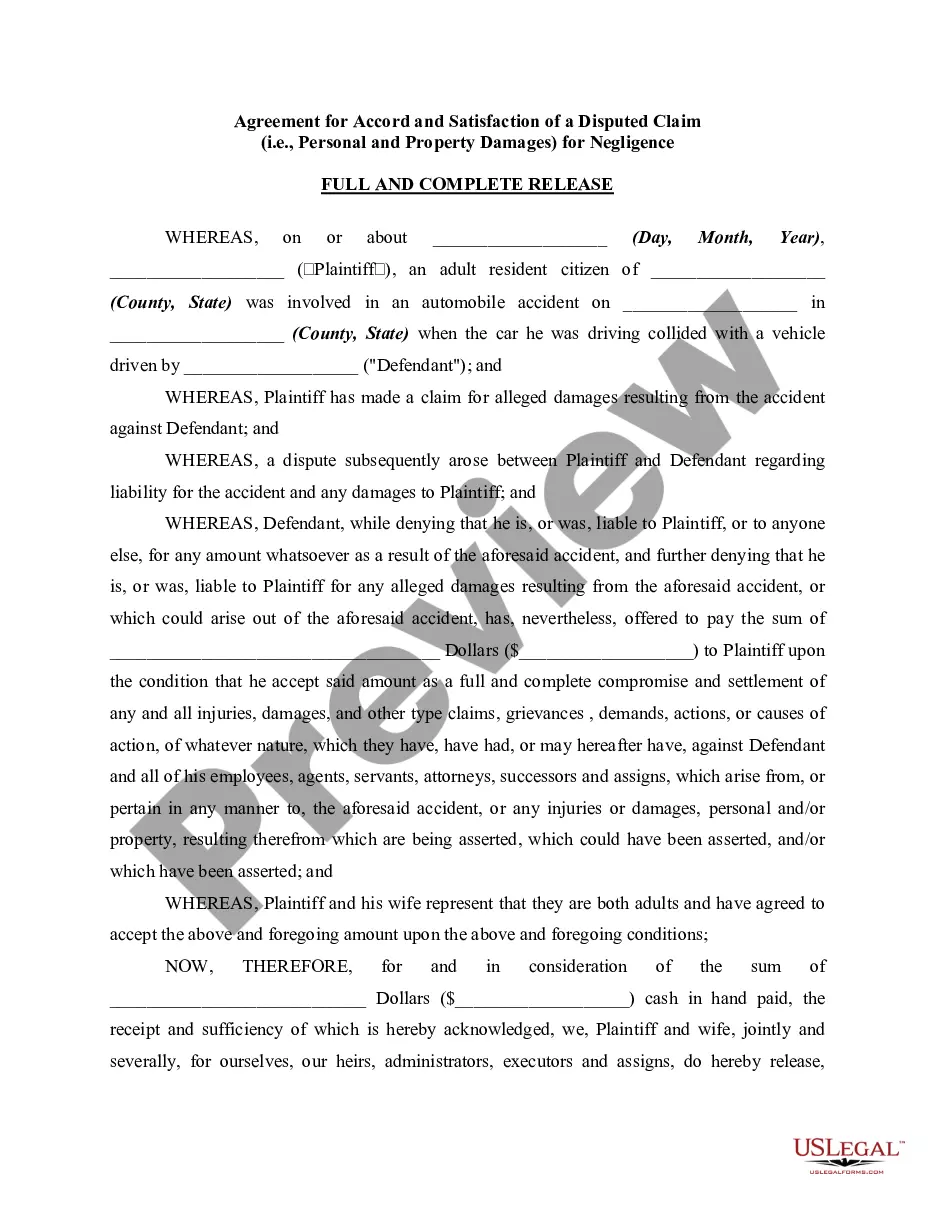
Get your form ready online
Our built-in tools help you complete, sign, share, and store your documents in one place.
Make edits, fill in missing information, and update formatting in US Legal Forms—just like you would in MS Word.
Download a copy, print it, send it by email, or mail it via USPS—whatever works best for your next step.
Sign and collect signatures with our SignNow integration. Send to multiple recipients, set reminders, and more. Go Premium to unlock E-Sign.
If this form requires notarization, complete it online through a secure video call—no need to meet a notary in person or wait for an appointment.
We protect your documents and personal data by following strict security and privacy standards.

Make edits, fill in missing information, and update formatting in US Legal Forms—just like you would in MS Word.

Download a copy, print it, send it by email, or mail it via USPS—whatever works best for your next step.

Sign and collect signatures with our SignNow integration. Send to multiple recipients, set reminders, and more. Go Premium to unlock E-Sign.

If this form requires notarization, complete it online through a secure video call—no need to meet a notary in person or wait for an appointment.

We protect your documents and personal data by following strict security and privacy standards.
Looking for another form?







Form popularity
FAQ
Things to Include in Your Appeal Letter Patient name, policy number, and policy holder name. Accurate contact information for patient and policy holder. Date of denial letter, specifics on what was denied, and cited reason for denial. Doctor or medical provider's name and contact information.
If you're not satisfied with your insurer's reply you can make a formal complaint using your insurer's official complaints process. To find out how the complaints process works, look at your policy documents or on your insurer's website.
Claim disputes are common. You and your insurer may disagree over medical bills, damage, home repairs; what needs to be done and how much it costs, and whether all or part of your claim is covered.
The insurer can reject your claim if they have reason to believe you didn't take reasonable care to answer all the questions on the application truthfully and accurately. A common example is failure to disclose a pre-existing medical condition.
5 TIPS FOR GETTING YOUR CLAIM ISSUES RESOLVED MORE QUICKLY Involve your agent at the beginning and throughout the life of your claim. When appropriate, and if possible, try to send emails. If phone contact is necessary, allow between 24 and 48 hours for a response.
There are 2 ways to appeal a health plan decision: Internal appeal: If your claim is denied or your health insurance coverage canceled, you have the right to an internal appeal. External review: You have the right to take your appeal to an independent third party for review.
Your right to appeal You may ask your insurance company to conduct a full and fair review of its decision. If the case is urgent, your insurance company must speed up this process. External review: You have the right to take your appeal to an independent third party for review. This is called an external review.
Complexity of Policies: Insurance policies can be complicated and filled with jargon, making it difficult for consumers to understand their coverage. This lack of transparency can lead to misunderstandings and dissatisfaction.

