Denied Claim Agreement For Medical Necessity In Pima
Description
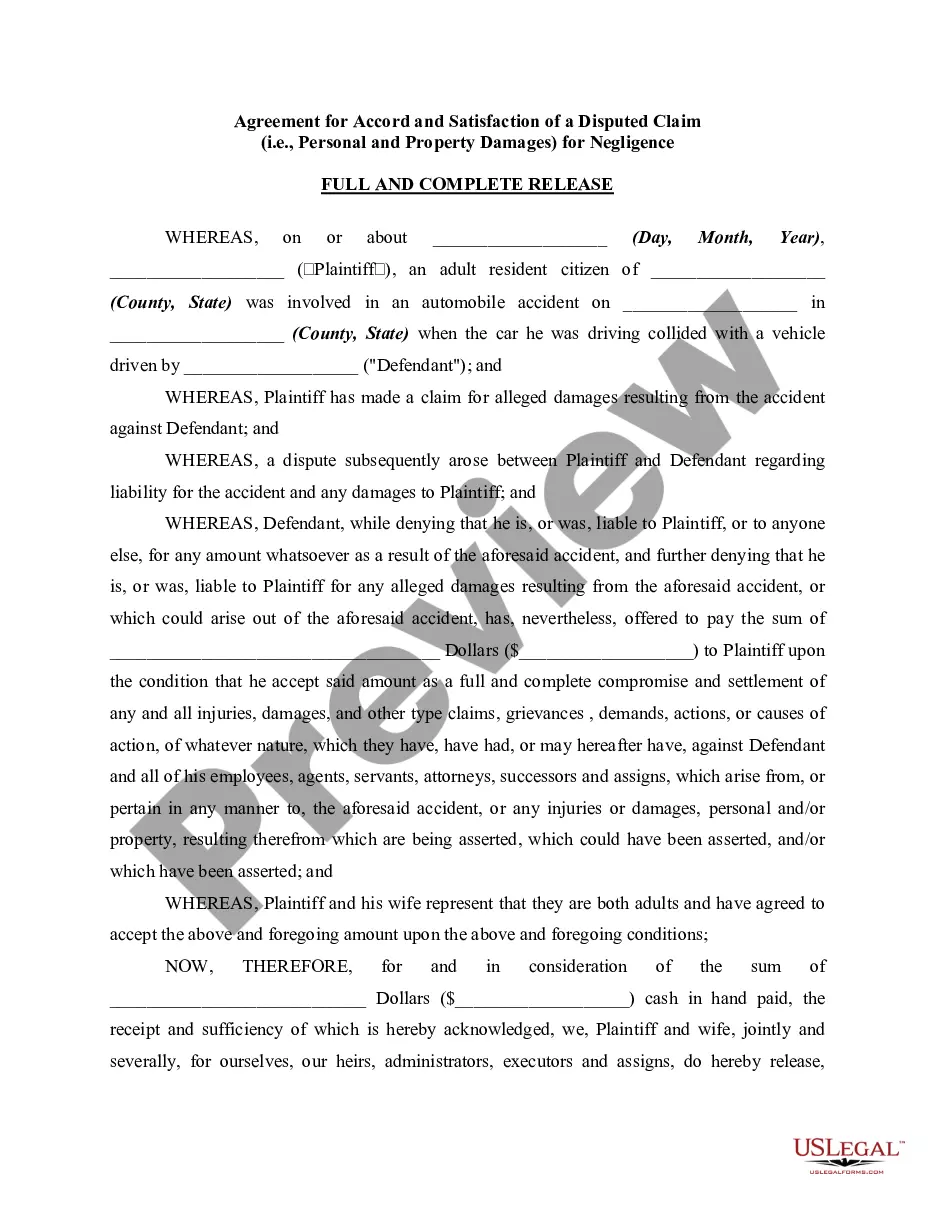
Get your form ready online
Our built-in tools help you complete, sign, share, and store your documents in one place.
Make edits, fill in missing information, and update formatting in US Legal Forms—just like you would in MS Word.
Download a copy, print it, send it by email, or mail it via USPS—whatever works best for your next step.
Sign and collect signatures with our SignNow integration. Send to multiple recipients, set reminders, and more. Go Premium to unlock E-Sign.
If this form requires notarization, complete it online through a secure video call—no need to meet a notary in person or wait for an appointment.
We protect your documents and personal data by following strict security and privacy standards.

Make edits, fill in missing information, and update formatting in US Legal Forms—just like you would in MS Word.

Download a copy, print it, send it by email, or mail it via USPS—whatever works best for your next step.

Sign and collect signatures with our SignNow integration. Send to multiple recipients, set reminders, and more. Go Premium to unlock E-Sign.

If this form requires notarization, complete it online through a secure video call—no need to meet a notary in person or wait for an appointment.

We protect your documents and personal data by following strict security and privacy standards.
Looking for another form?

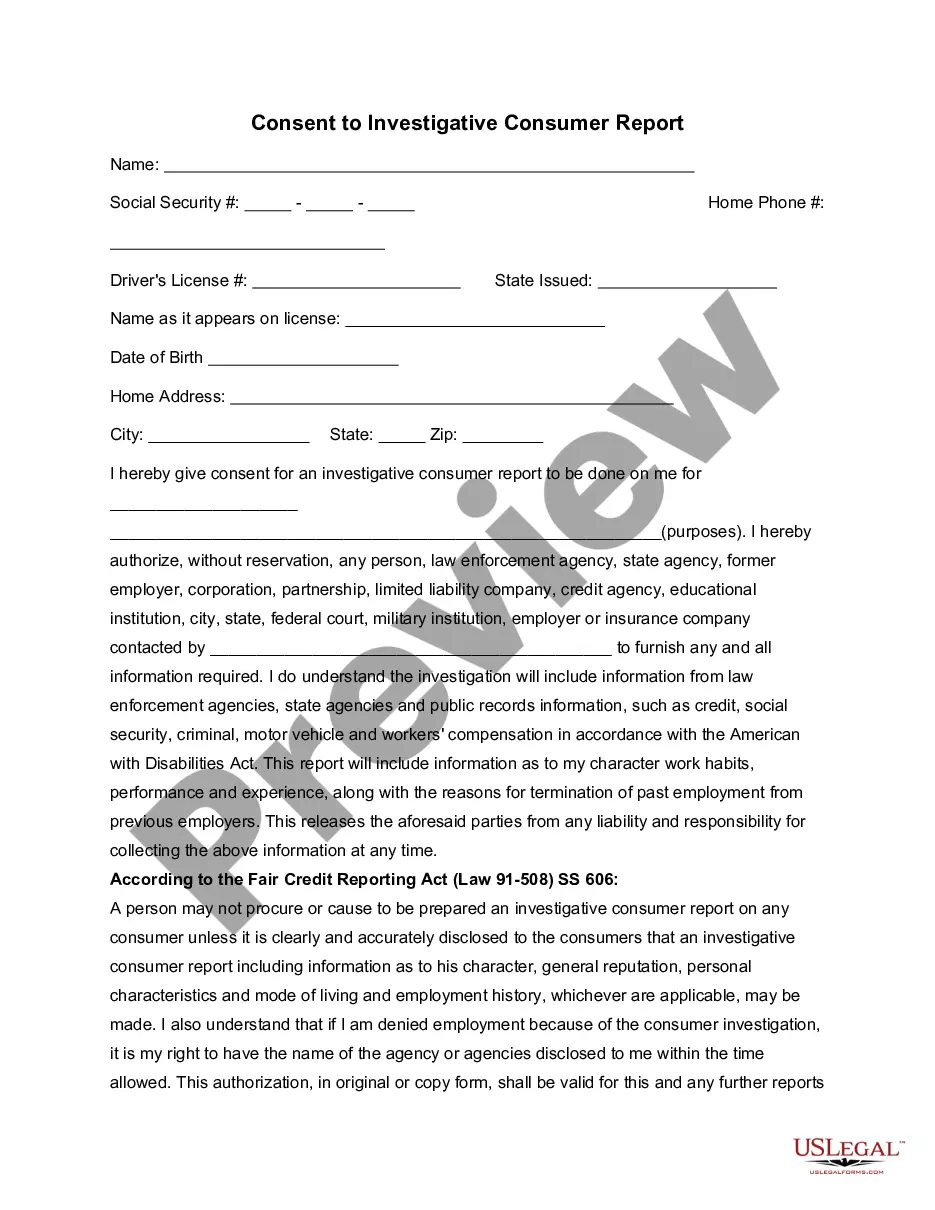
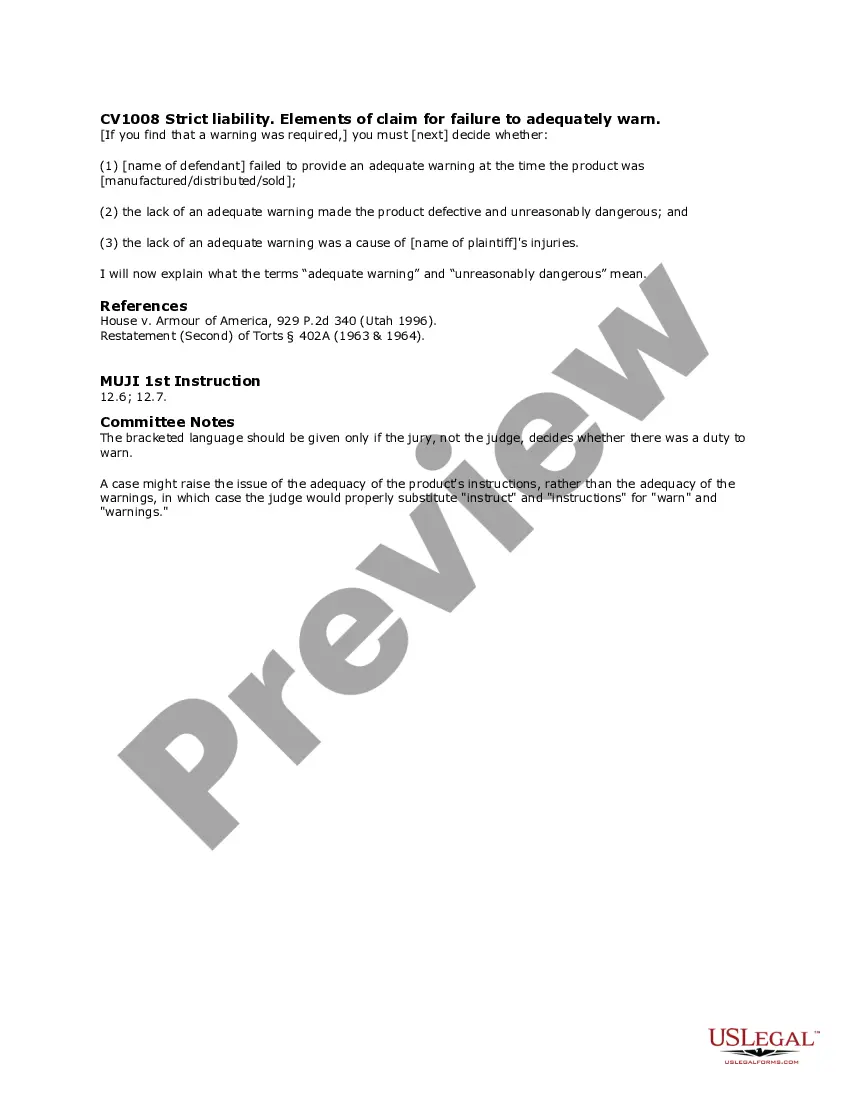



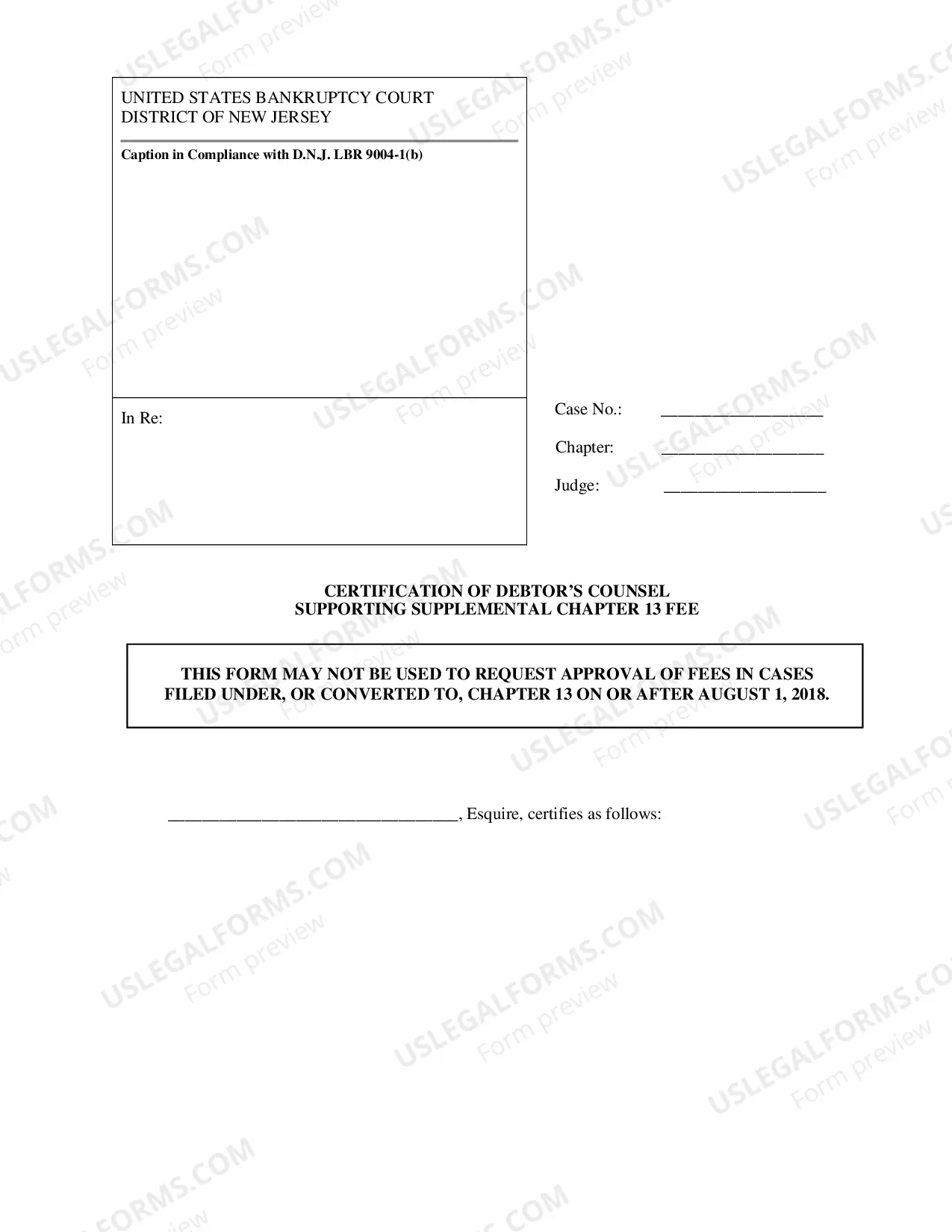
Form popularity
FAQ
Thorough documentation supports the necessity of services provided. Some of the most common reasons for denials include missing or incorrect information, medical necessity requirements not being met, the procedure not being covered by the payer, and duplicate claims.
AR denial scenarios in medical billing arise when a claim submitted to a payer is either denied or rejected, leading to delayed or lost revenue. These denials can stem from various issues, including incorrect coding, incomplete patient information, or lack of coverage.
Plans only cover health care they determine is medically necessary. Examples of services or treatments a plan may define as not medically necessary include cosmetic procedures, treatments that haven't been proven effective, and treatments more expensive than others that are also effective.
Denial code 50 is used when the payer determines that the services provided are not considered a 'medical necessity'. This means that the payer does not believe that the services are essential for the patient's diagnosis or treatment.
Medical Necessity Denials: Appeals Review the definition of “Medical Necessity” in your provider contract. Review the patient's medical records, including surgical reports. Call the health plan to discuss the denial with the designated reviewer.
Top denials in medical billing include missing or incorrect information, lack of prior authorization, eligibility issues, and non-covered services. Addressing these basic denials in medical billing can improve claim acceptance rates.
Patient's name requires treatment for a medical condition. I respectfully request that you review the additional documentation provided and consider overturning your coverage decision regarding insert specific language from the denial letter for patient's name. Thank you for your prompt attention to this matter.
This denial code indicates that the necessary supporting documentation or information was not included with the claim, leading to its denial.
Denial code 151 is used when the payer determines that the information provided does not justify the number or frequency of services billed. In other words, the payer believes that the documentation or evidence submitted does not support the need for the amount or frequency of services claimed for reimbursement.

