Denied Claim Agreement With Japan In King
Description
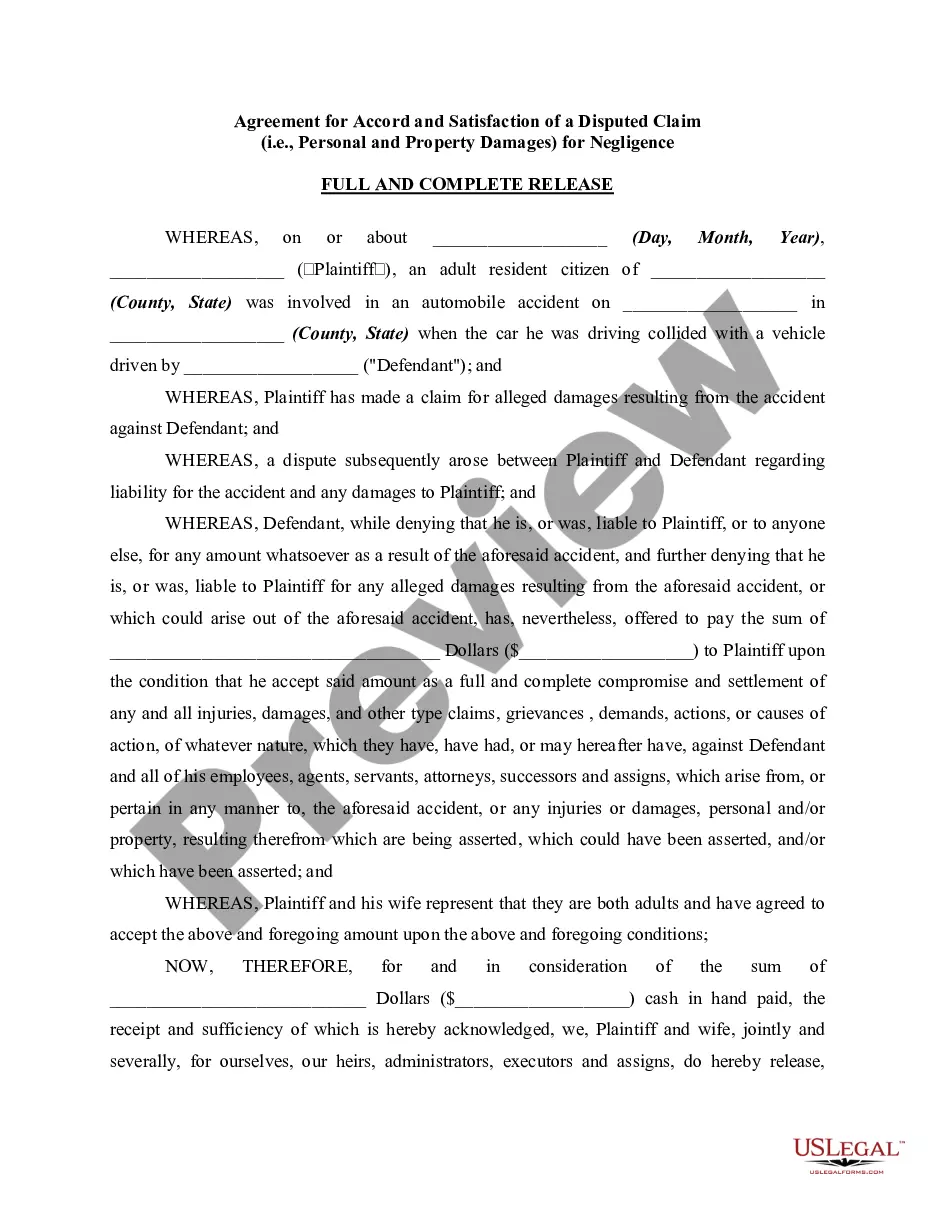
Get your form ready online
Our built-in tools help you complete, sign, share, and store your documents in one place.
Make edits, fill in missing information, and update formatting in US Legal Forms—just like you would in MS Word.
Download a copy, print it, send it by email, or mail it via USPS—whatever works best for your next step.
Sign and collect signatures with our SignNow integration. Send to multiple recipients, set reminders, and more. Go Premium to unlock E-Sign.
If this form requires notarization, complete it online through a secure video call—no need to meet a notary in person or wait for an appointment.
We protect your documents and personal data by following strict security and privacy standards.

Make edits, fill in missing information, and update formatting in US Legal Forms—just like you would in MS Word.

Download a copy, print it, send it by email, or mail it via USPS—whatever works best for your next step.

Sign and collect signatures with our SignNow integration. Send to multiple recipients, set reminders, and more. Go Premium to unlock E-Sign.

If this form requires notarization, complete it online through a secure video call—no need to meet a notary in person or wait for an appointment.

We protect your documents and personal data by following strict security and privacy standards.
Looking for another form?







Form popularity
FAQ
The federal action plan will accelerate the resolution of specific claims, providing justice to First Nation claimants and certainty for all Canadians. Specific Claims: Justice At Last offers a complete package that includes all of the elements essential to address First Nations' historic grievances.
Treaty 4 ceded indigenous territory to the federal government in exchange for payments, provisions, and the right to reserve lands. The lands make up present-day Saskatchewan, and small portions of western Manitoba and southern Alberta and includes 35 First Nations.
A land claim is "the pursuit of recognized territorial ownership by a group or individual". The phrase is usually only used with respect to disputed or unresolved land claims. Some types of land claims include aboriginal land claims, Antarctic land claims, and post-colonial land claims.
Specific claims are claims made by First Nations against the Government of Canada for breaches of the Crown's lawful obligations. Specific claims can arise where the Crown failed to meet its obligations under a Treaty or other agreement, or mismanaged First Nations' lands or other assets.
The Tribunal's work The specific claims process commences when a First Nation claimant presents a claim to the Minister of Crown-Indigenous Relations, for a determination on whether the claim will be accepted for negotiation. The claim is reviewed by the Specific Claims Branch of the Ministry.
Claiming for preferential tariffs When claiming preference, the importer must have a completed certification of origin. For more details, see Annex 3-B of the rules of origin and origin procedures. The importer may be required to provide this to the customs authority of the importing CPTPP member.
The re-application can be submitted any time after the rejection and there is no limit in the number of times, although it is highly recommended to be careful with the kind and the content of the documents to submit, in order to stay coherent.
Emperor Hirohito let it be known to General MacArthur that he was prepared to apologize formally to General MacArthur for Japan's actions during World War II—including an apology for the December 7, 1941, attack on Pearl Harbor.
Preference cannot be claimed solely based on a supplier invoice. Importers must provide valid proof of origin, such as a certificate of origin, origin declaration or other relevant documentation that satisfies all the requirements for being a preferential proof of origin specific to the trade agreement.
The person must have been domiciled in Japan for five years or more consecutively and must have had a valid status of residence throughout the prescribed period of time. The person must be 20 years of age or more, and of full capacity to act ing to the law of his/her home country.

