Here Denied Claim For Disability In Houston
Description
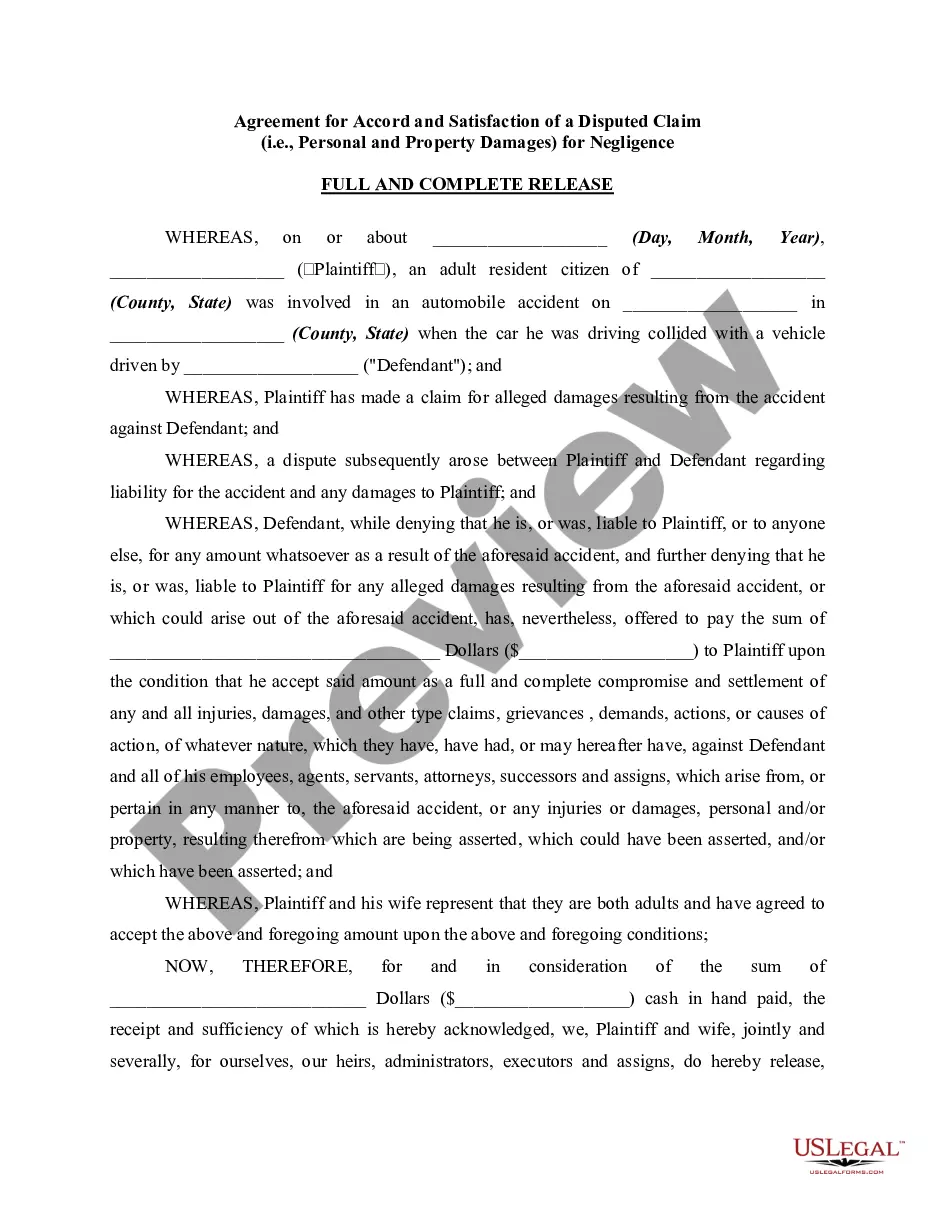
Get your form ready online
Our built-in tools help you complete, sign, share, and store your documents in one place.
Make edits, fill in missing information, and update formatting in US Legal Forms—just like you would in MS Word.
Download a copy, print it, send it by email, or mail it via USPS—whatever works best for your next step.
Sign and collect signatures with our SignNow integration. Send to multiple recipients, set reminders, and more. Go Premium to unlock E-Sign.
If this form requires notarization, complete it online through a secure video call—no need to meet a notary in person or wait for an appointment.
We protect your documents and personal data by following strict security and privacy standards.

Make edits, fill in missing information, and update formatting in US Legal Forms—just like you would in MS Word.

Download a copy, print it, send it by email, or mail it via USPS—whatever works best for your next step.

Sign and collect signatures with our SignNow integration. Send to multiple recipients, set reminders, and more. Go Premium to unlock E-Sign.

If this form requires notarization, complete it online through a secure video call—no need to meet a notary in person or wait for an appointment.

We protect your documents and personal data by following strict security and privacy standards.
Looking for another form?

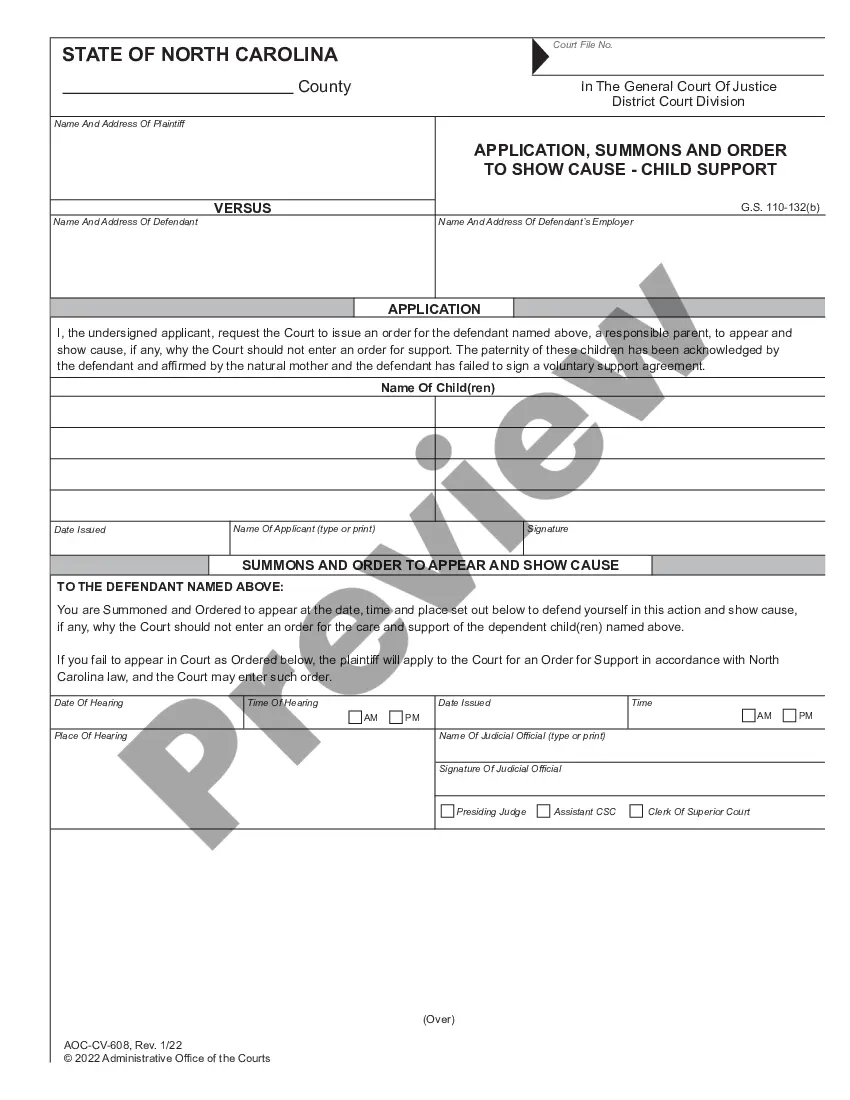








Form popularity
FAQ
What Are the Easiest VA Disability Claims to Win? Tinnitus. Limited Knee Mobility and Pain. Sciatica. Hearing Loss. Cervical Strain. PTSD. Limited Arm Mobility and Pain. Limited Ankle Mobility and Pain.
To get Adult Disability Payment, you must have a long-term physical or mental health condition or disability, or be terminally ill.
Various conditions can qualify you for disability benefits. Among disabled workers, the most commonly approved conditions are musculoskeletal issues and nervous system and sense organ issues. Among disabled adult children (DACs), the most commonly approved conditions are intellectual disabilities.
Depending on where you live in Texas, you may be waiting 10-18 months to get a hearing date for your appeal. Once your case is heard, it can take several additional months for a judge to issue their decision.
Musculoskeletal and Connective Tissue Disorders The most common type of disability in the U.S. is a musculoskeletal or connective tissue disorder. About 34.9% of SSDI claimants have such a condition. This category encompasses conditions like arthritis, scoliosis, and degenerative disc disease.
What Is The Hardest State To Get Disability Benefits? As of January 2024, Utah replaced Kansas as being the hardest state to get Social Security disability benefits in 2024.
What Is the Most Approved Disability? Arthritis and other musculoskeletal system disabilities make up the most commonly approved conditions for social security disability benefits. This is because arthritis is so common. In the United States, over 58 million people suffer from arthritis.
Once you have submitted your application for disability benefits, it generally takes 6 to 8 months for an initial decision.
Our two fast-track processes, Quick Disability Determinations (QDD) and Compassionate Allowances (CAL), use technology to identify claimants with the most severe disabilities and allow us to expedite our decisions on those cases while maintaining accuracy.
Based on a medical determination of disability, a person is considered disabled if the person is unable to engage in any substantial, gainful activity because of a medically determinable physical or mental impairment that can be expected to result in death or has continued or can be expected to continue for at least 12 ...

