Dispute Claim Form Without Attorney In Georgia
Description
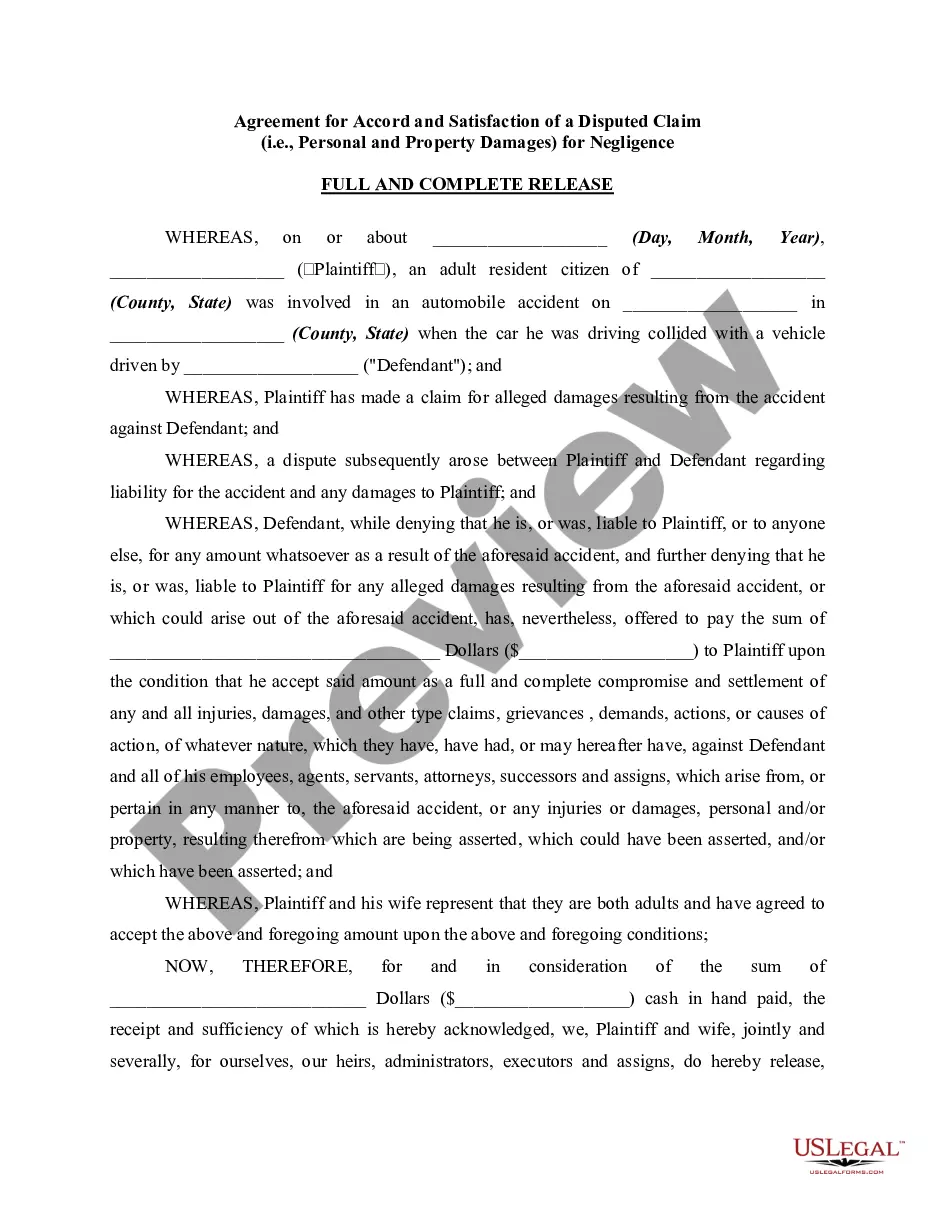
Get your form ready online
Our built-in tools help you complete, sign, share, and store your documents in one place.
Make edits, fill in missing information, and update formatting in US Legal Forms—just like you would in MS Word.
Download a copy, print it, send it by email, or mail it via USPS—whatever works best for your next step.
Sign and collect signatures with our SignNow integration. Send to multiple recipients, set reminders, and more. Go Premium to unlock E-Sign.
If this form requires notarization, complete it online through a secure video call—no need to meet a notary in person or wait for an appointment.
We protect your documents and personal data by following strict security and privacy standards.

Make edits, fill in missing information, and update formatting in US Legal Forms—just like you would in MS Word.

Download a copy, print it, send it by email, or mail it via USPS—whatever works best for your next step.

Sign and collect signatures with our SignNow integration. Send to multiple recipients, set reminders, and more. Go Premium to unlock E-Sign.

If this form requires notarization, complete it online through a secure video call—no need to meet a notary in person or wait for an appointment.

We protect your documents and personal data by following strict security and privacy standards.
Looking for another form?




Form popularity
FAQ
You can file a claim for which you are seeking $15,000 or less. If your claim exceeds $15,000 principal, the Magistrate Court does not have jurisdiction (the legal authority) to hear your case, and it must be filed in another court; such as, Superior Court.
How to respond to a debt collection case in Georgia Answer each issue of the Complaint. Assert your affirmative defenses. File the answer with the court and serve the plaintiff.
In a Nutshell It's important to respond to (or answer) the lawsuit. You do this by filing official paperwork with the court. Be sure to address every point in the complaint, raise any defenses you have, and file the paperwork within the time frame provided.
Getting your debt lawsuit dismissed Validate the debt. Your first step is to ensure the debt is actually valid. Check for statute of limitations. Lack of standing. Errors in documentation. Settlement negotiations. Counterclaims and defenses. Seek legal counsel. Mediation and arbitration.
If you cannot resolve a dispute with a business or a person and the amount in controversy is less than $15,000, you may electronically file a case in Magistrate court. You may electronically file in your own name without an attorney or you may hire an attorney at your own expense.
In a Nutshell Though it may feel intimidating to get a court summons for a debt collection lawsuit, you can respond without hiring an attorney. To do so, you simply need to draft or fill out a few legal documents, including an answer form, a verification form, and a certificate of service.
The plaintiff must file a sworn statement with the clerk of the appropriate magistrate court, describing the charges made by the plaintiff against the defendant. This statement is called a statement of claim, or a claim.
For the part of the claim that you dispute, give a full response to what is claimed. It may be helpful to use separately numbered paragraphs. Attach an Additional Parties Form 1A form, if there is more than one plaintiff or defendant in the case and check the “Additional plaintiff/defendant” box on the defence form.
You can defend a statement of claim if you believe you don't owe all or part of the claim. To defend the claim you must file a document called a defence. A defence confirms that you deny some or all of the claim and the reasons why. These reasons are called the grounds of your defence.

