Dispute Claim Form For Google In Georgia
Description
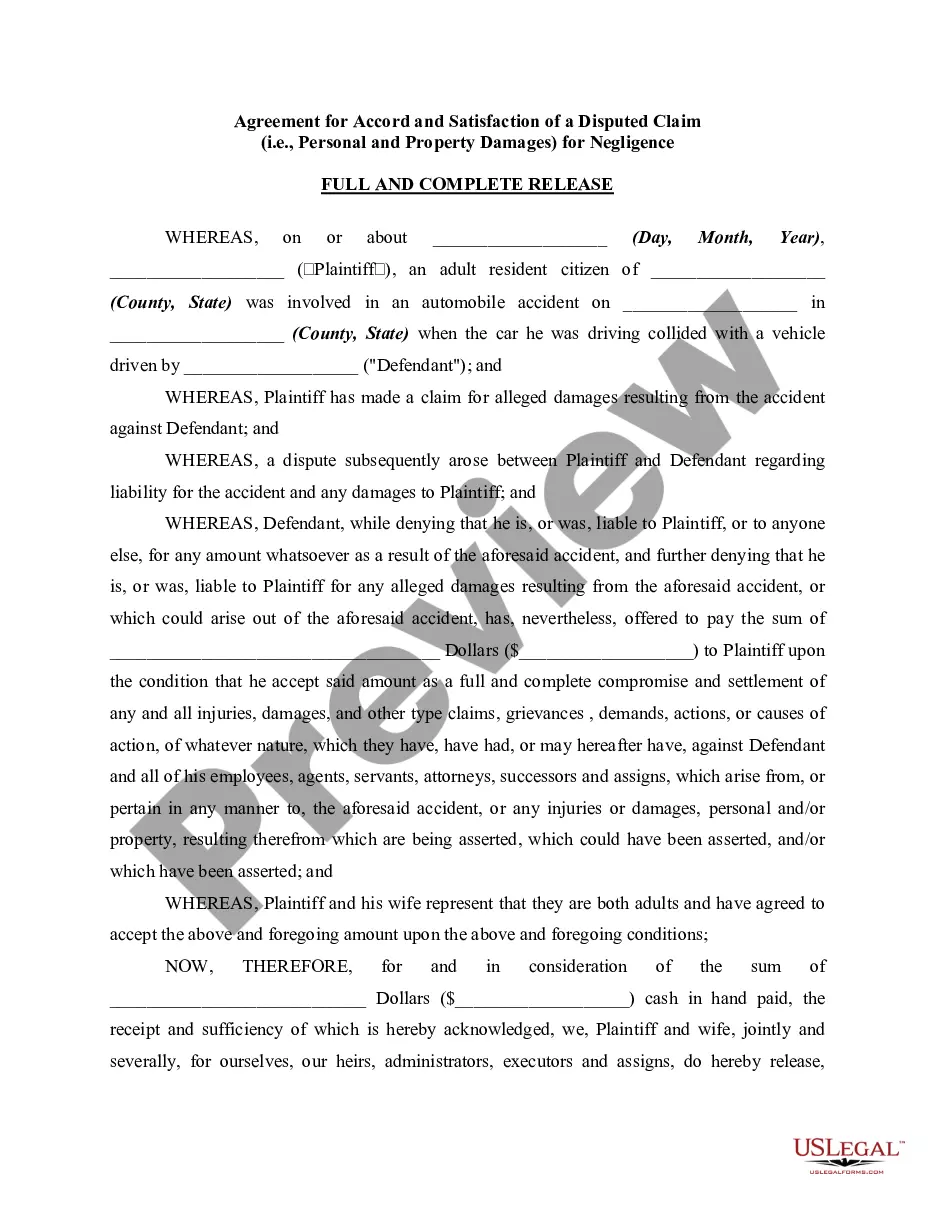
Get your form ready online
Our built-in tools help you complete, sign, share, and store your documents in one place.
Make edits, fill in missing information, and update formatting in US Legal Forms—just like you would in MS Word.
Download a copy, print it, send it by email, or mail it via USPS—whatever works best for your next step.
Sign and collect signatures with our SignNow integration. Send to multiple recipients, set reminders, and more. Go Premium to unlock E-Sign.
If this form requires notarization, complete it online through a secure video call—no need to meet a notary in person or wait for an appointment.
We protect your documents and personal data by following strict security and privacy standards.

Make edits, fill in missing information, and update formatting in US Legal Forms—just like you would in MS Word.

Download a copy, print it, send it by email, or mail it via USPS—whatever works best for your next step.

Sign and collect signatures with our SignNow integration. Send to multiple recipients, set reminders, and more. Go Premium to unlock E-Sign.

If this form requires notarization, complete it online through a secure video call—no need to meet a notary in person or wait for an appointment.

We protect your documents and personal data by following strict security and privacy standards.
Looking for another form?

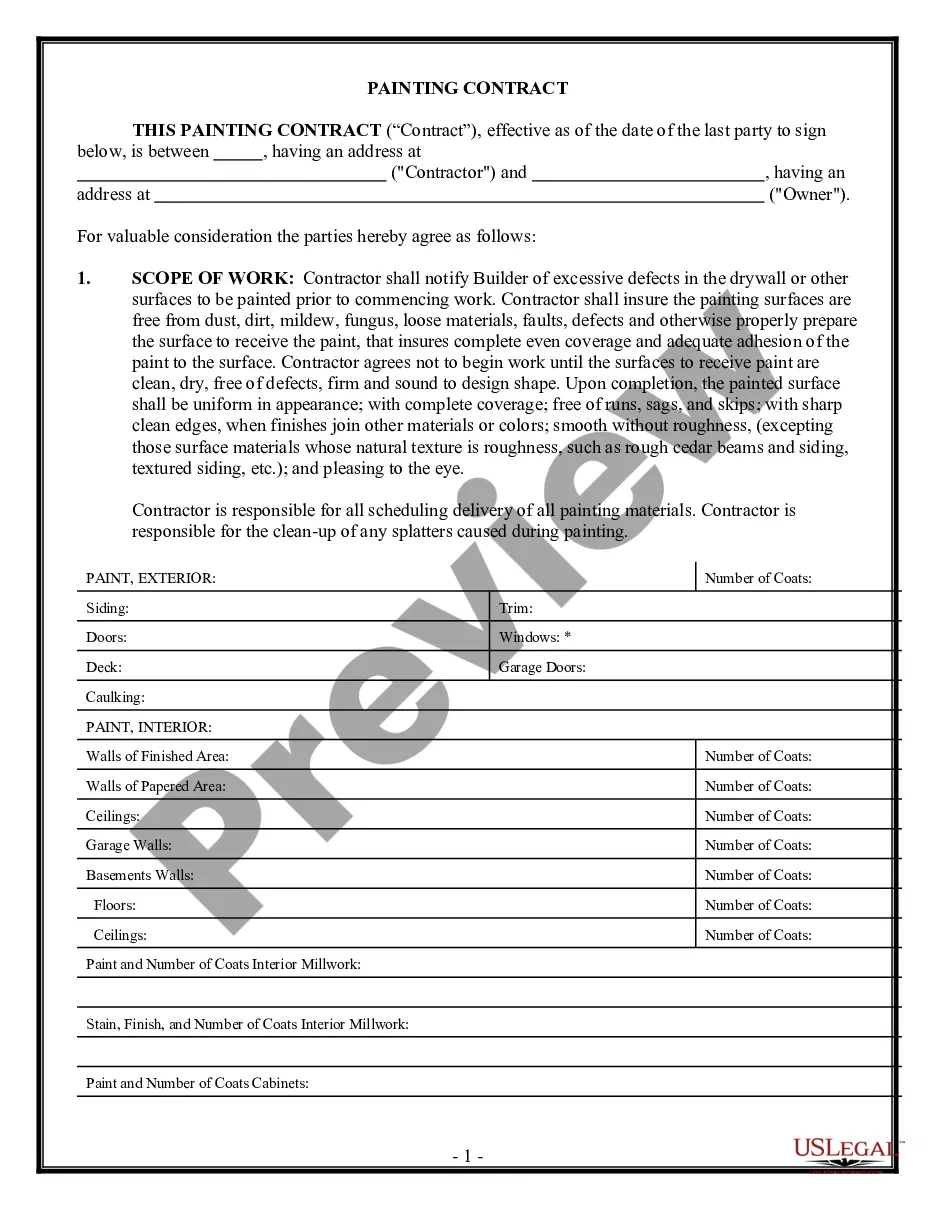




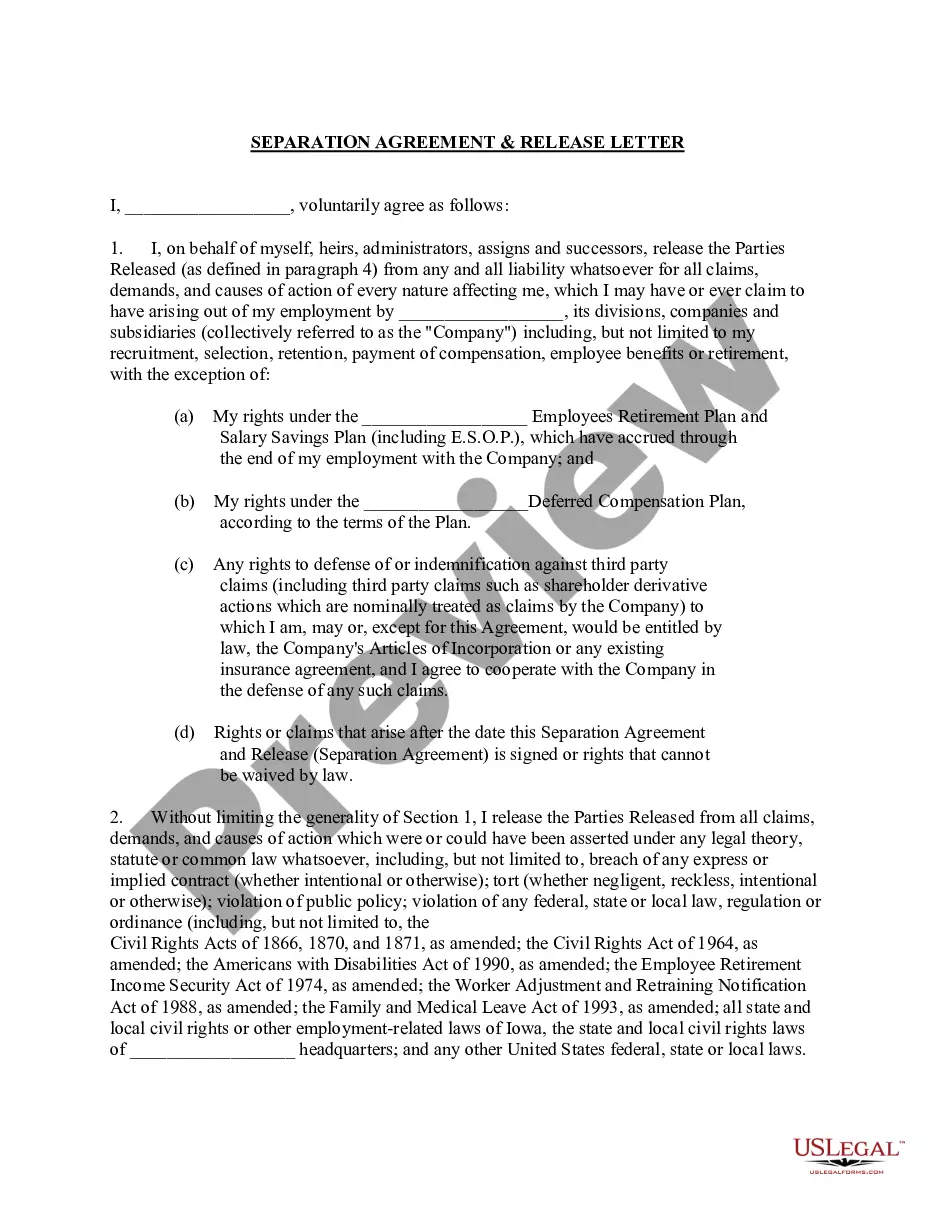


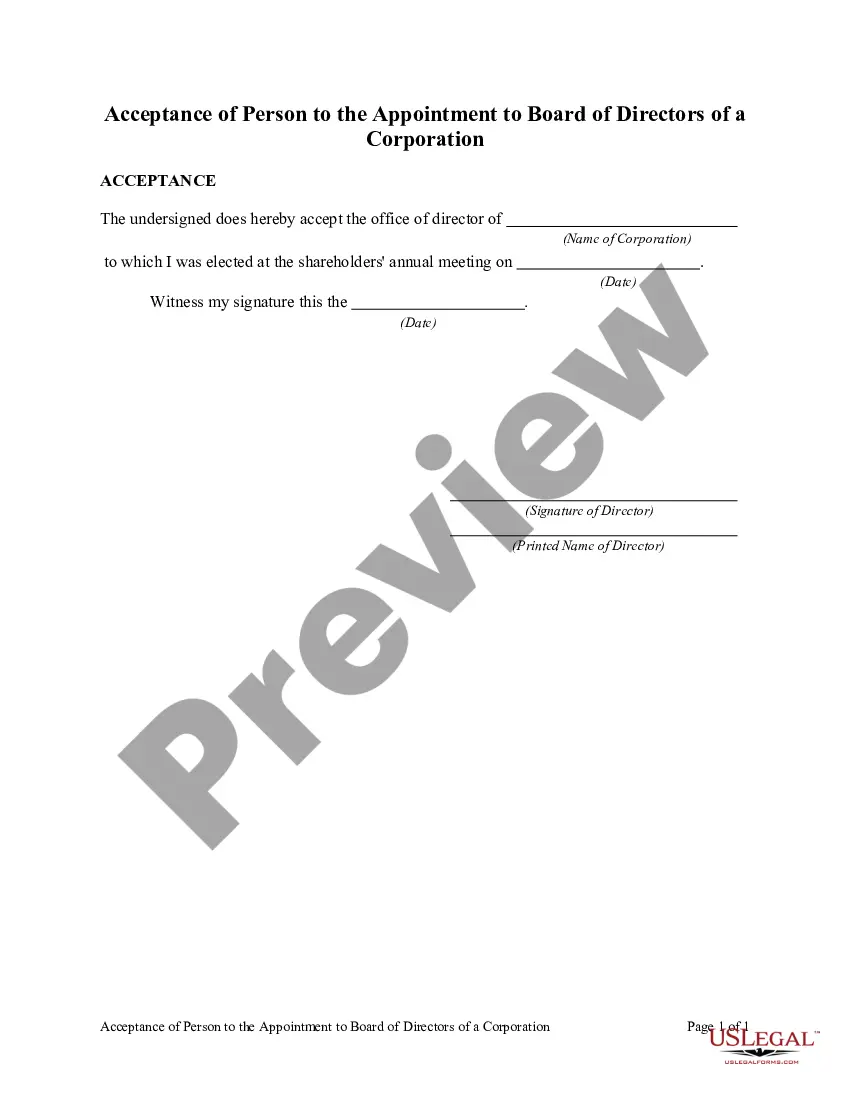
Form popularity
FAQ
The plaintiff must file a sworn statement with the clerk of the appropriate magistrate court, describing the charges made by the plaintiff against the defendant. This statement is called a statement of claim, or a claim.
If you cannot resolve a dispute with a business or a person and the amount in controversy is less than $15,000, you may electronically file a case in Magistrate court. You may electronically file in your own name without an attorney or you may hire an attorney at your own expense.
Denial of Homeowner Applications HOAs typically have a process for homeowners to apply to make changes to their property. When the HOA does not approve of those changes, homeowners become upset and they may sue.
The Georgia Attorney General's Consumer Protection Division protects Georgia consumers and legitimate businesses from unfair and deceptive practices involving consumer transactions.
The Property Owners' Association Act oversees the creation, management, authority, and functions of the HOAs in Georgia. It's important to note here that associations can be formed under the POAA or using common law principles. In such cases, this act will not apply.
Georgia's Fair Business Practices Act prohibits unfair and deceptive acts or practices in the marketplace. This law applies to consumer transactions involving the sale, lease or rental of goods, services or property mainly for personal, family or household purposes.
The Georgia Attorney General's Consumer Protection Division protects Georgia consumers and legitimate businesses from unfair and deceptive practices involving consumer transactions.
When you are served, a summons will be on the top of the petition. It will tell you how many days you have to file a written answer with the Court and on whom you must serve a copy of your answer. You can use the attached form Answer and Counterclaim to draft your answer and counterclaim.
You can defend a statement of claim if you believe you don't owe all or part of the claim. To defend the claim you must file a document called a defence. A defence confirms that you deny some or all of the claim and the reasons why. These reasons are called the grounds of your defence.

