Denied Claim Agreement For Disability In Alameda
Description
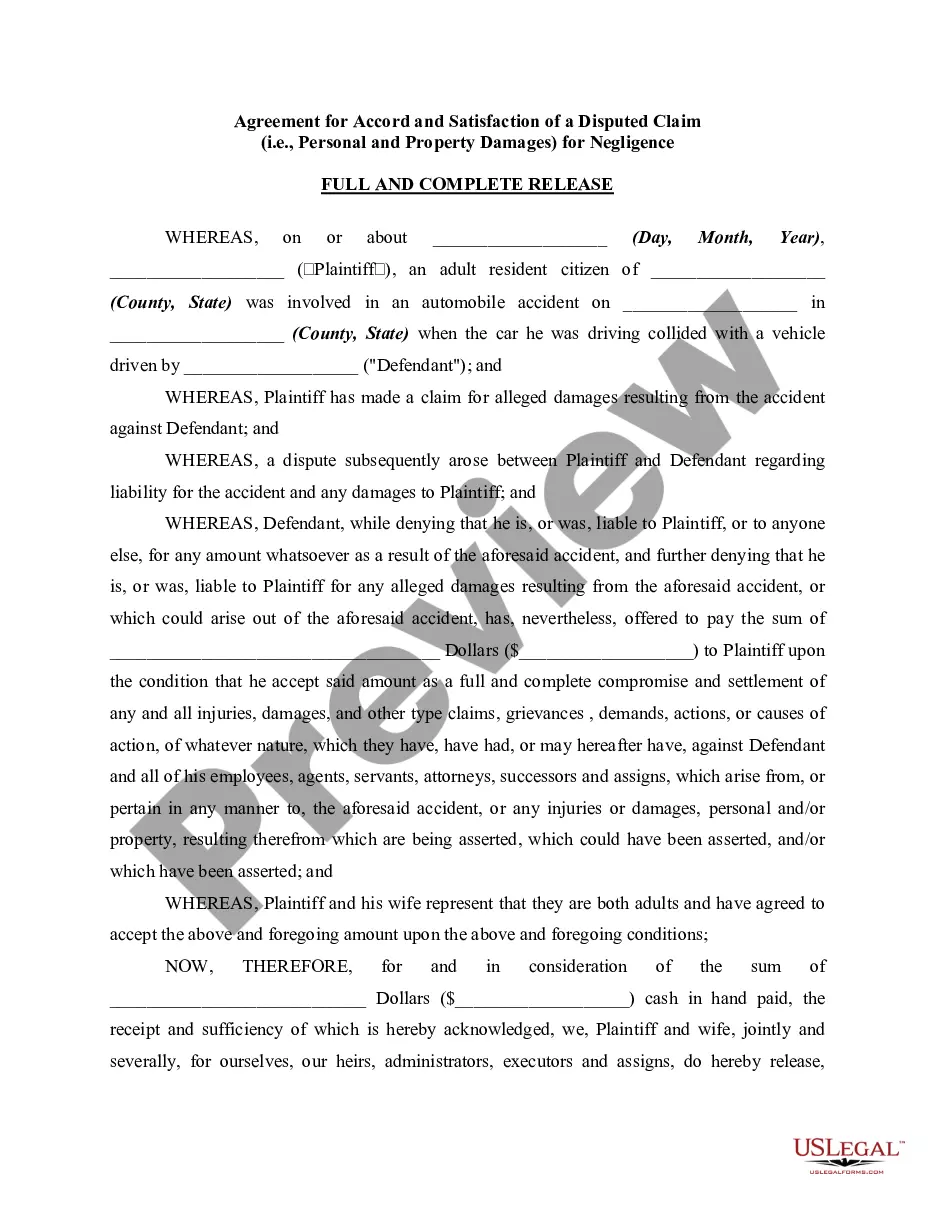
Get your form ready online
Our built-in tools help you complete, sign, share, and store your documents in one place.
Make edits, fill in missing information, and update formatting in US Legal Forms—just like you would in MS Word.
Download a copy, print it, send it by email, or mail it via USPS—whatever works best for your next step.
Sign and collect signatures with our SignNow integration. Send to multiple recipients, set reminders, and more. Go Premium to unlock E-Sign.
If this form requires notarization, complete it online through a secure video call—no need to meet a notary in person or wait for an appointment.
We protect your documents and personal data by following strict security and privacy standards.

Make edits, fill in missing information, and update formatting in US Legal Forms—just like you would in MS Word.

Download a copy, print it, send it by email, or mail it via USPS—whatever works best for your next step.

Sign and collect signatures with our SignNow integration. Send to multiple recipients, set reminders, and more. Go Premium to unlock E-Sign.

If this form requires notarization, complete it online through a secure video call—no need to meet a notary in person or wait for an appointment.

We protect your documents and personal data by following strict security and privacy standards.
Looking for another form?
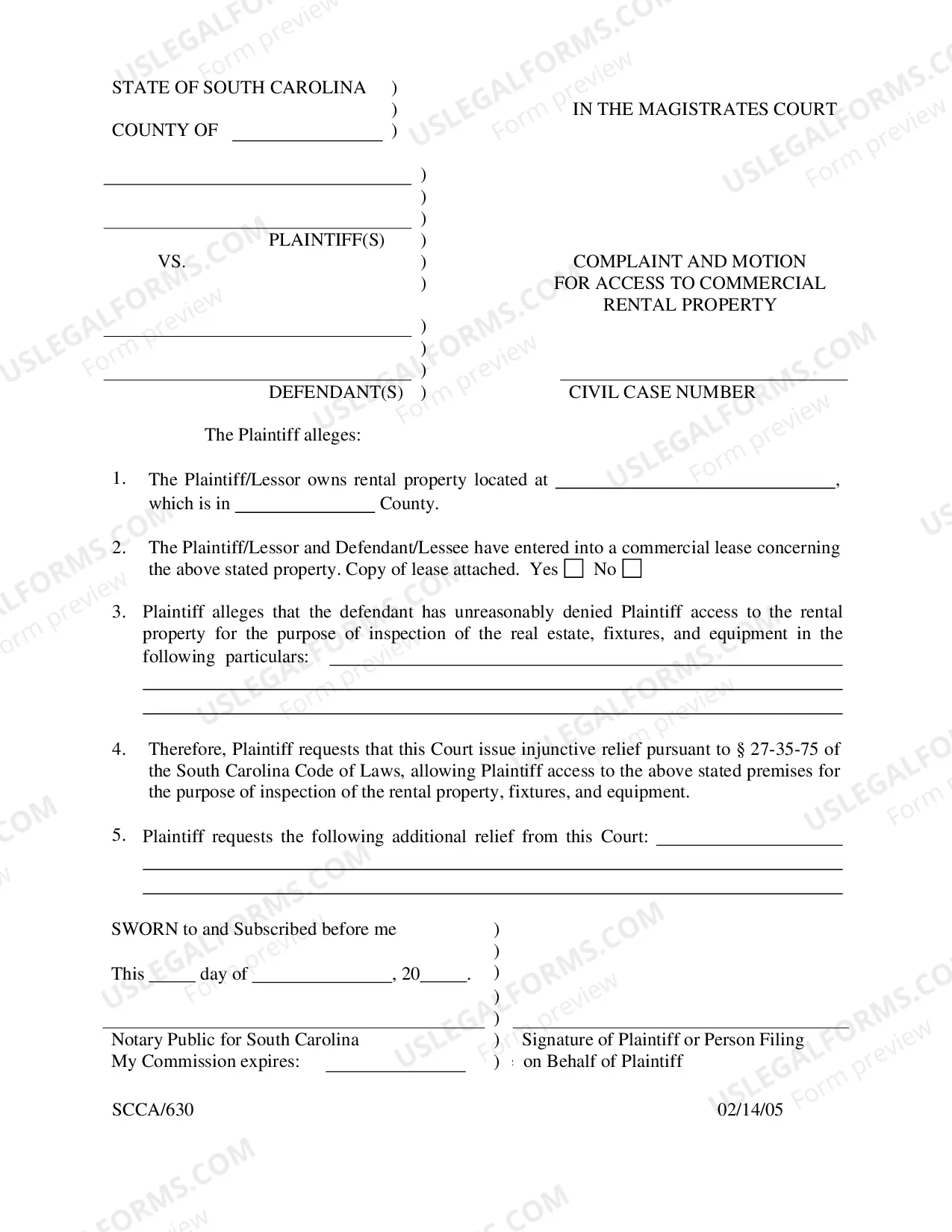
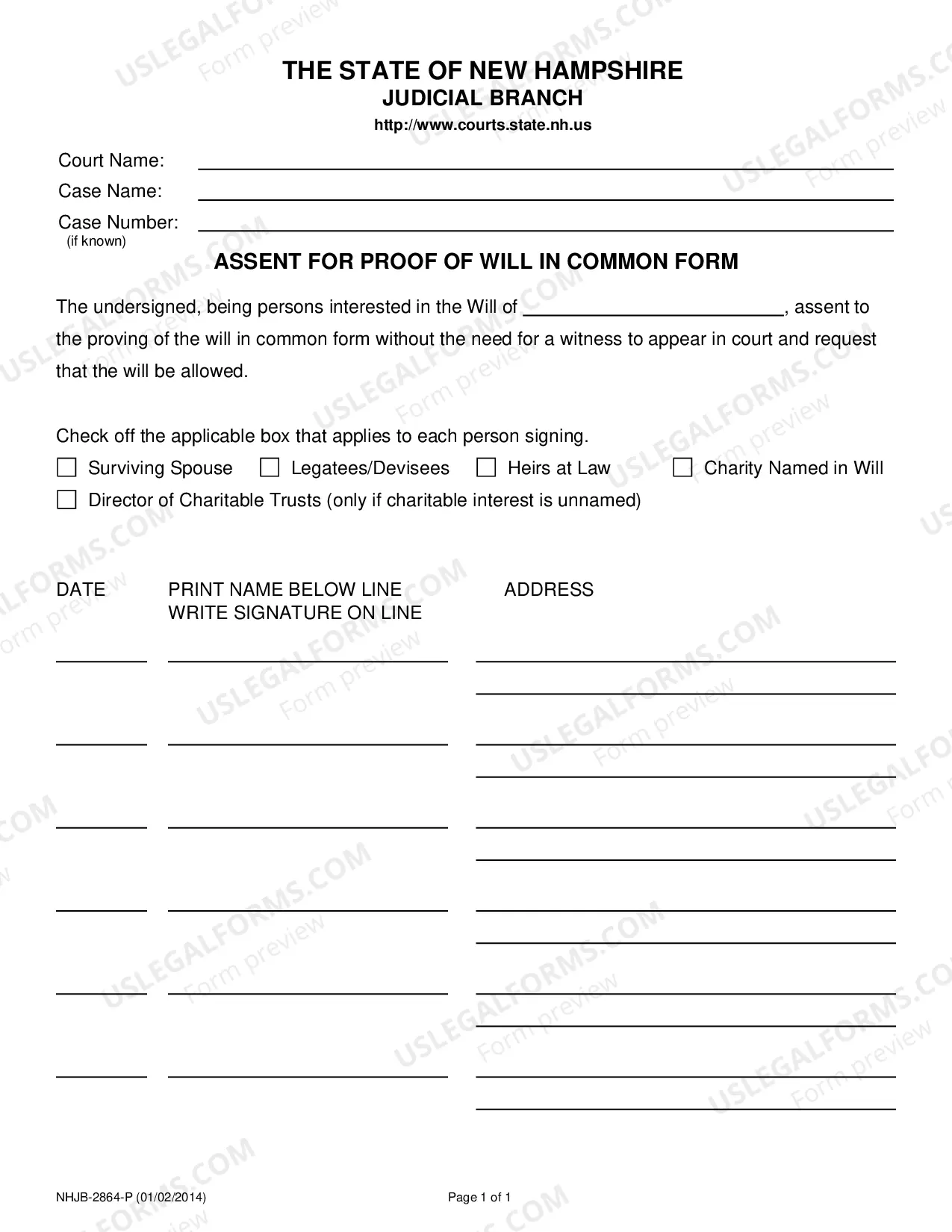
Form popularity
FAQ
What Is the Most Approved Disability? Arthritis and other musculoskeletal system disabilities make up the most commonly approved conditions for social security disability benefits. This is because arthritis is so common. In the United States, over 58 million people suffer from arthritis.
Most claims are processed within 14 days of receipt of a completed claim. You can log in to your account to check the status of your DI claim at any time.
To qualify for SSDI, you typically need 40 work credits, 20 of which were earned in the last 10 years. SSDI benefits include monthly payments and Medicare coverage. In 2024, the maximum benefit amount is $3,822 per month. In California, the average monthly payment amount for SSDI is $1,524.
If you think you may be eligible, please contact your Alameda County Social Services Social Worker or contact your nearest office. You can also ask an eligibility worker or Employment Counselor for a referral to see a Social Worker for SSI Advocacy services.
If your medical providers do not support your California SDI claim, then the EDD will not approve your claim. It's important to discuss your disability with your medical provider to prevent your claim from being denied for lack of support. Your doctor must certify your disability using form DE 2501F.
Steps to an Alameda County Small Claims Lawsuit Demand payment from the other party before suing. Prepare the lawsuit using Plaintiff's Claim and Order to Go to Small Claims Court. File the lawsuit with the court. Serve the lawsuit on the party you sued. File the Proof of Service. Prepare your evidence.
In many cases, filing in small claims court is the fastest and easiest way for people to legally settle their disputes. The person suing is the plaintiff, and the person being sued is the defendant. A person cannot sue for more than $12,500 in most cases. A business or public entity cannot sue for more than $6,250.
Generally, you can only sue for up to $12,500 in small claims court (or up to $6,250 if you're a business). You can ask a lawyer for advice before you go to court, but you can't have one with you in court. Starting November 1, 2021, you can sue or be sued for COVID-19 rental debt in small claims.
Conclusion: Going to small claims court may be worth it for $500, but it will determine how you weigh your costs versus benefits. At a minimum, it is worth it to send a demand letter.
