Owner Operator Agreement Template With A Carrier In Travis
Description

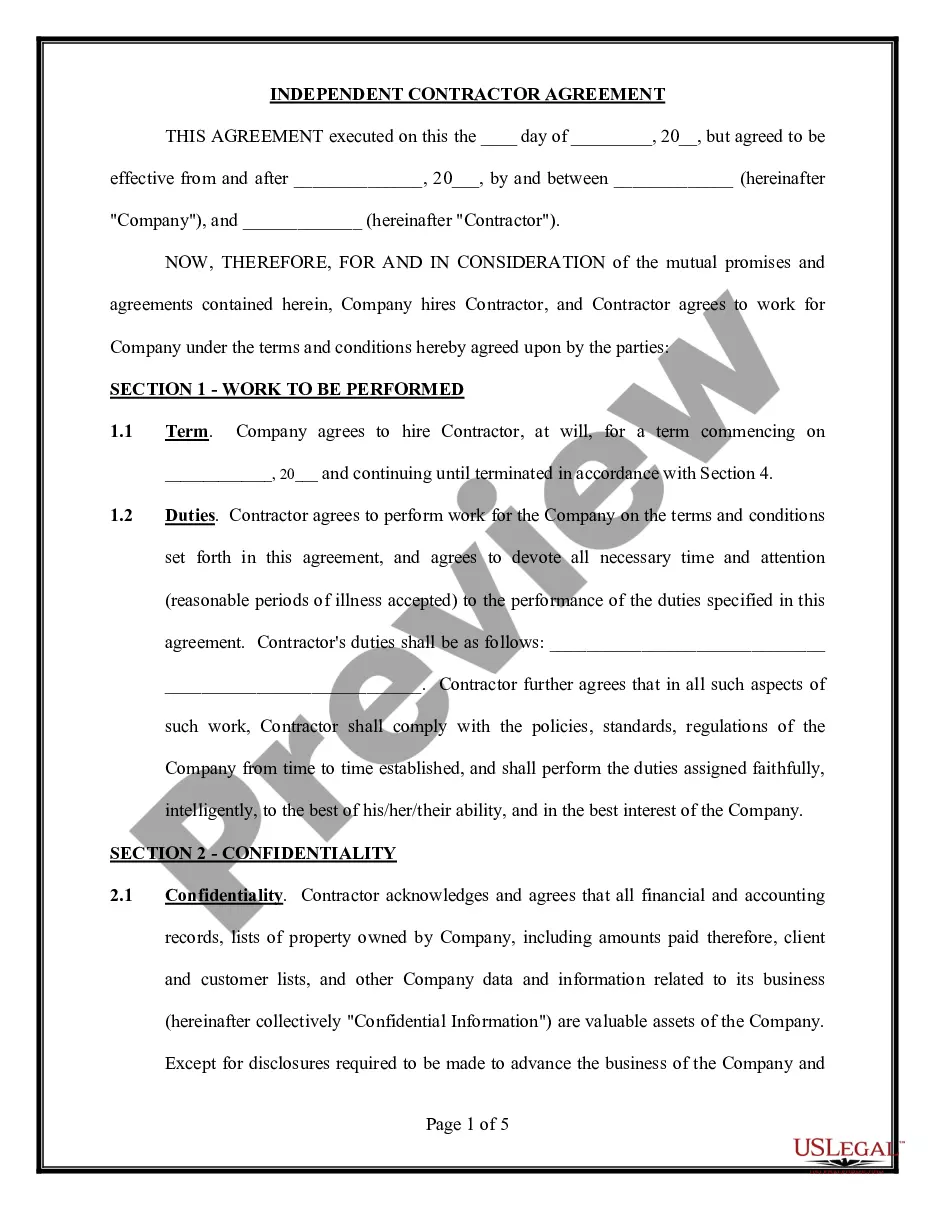
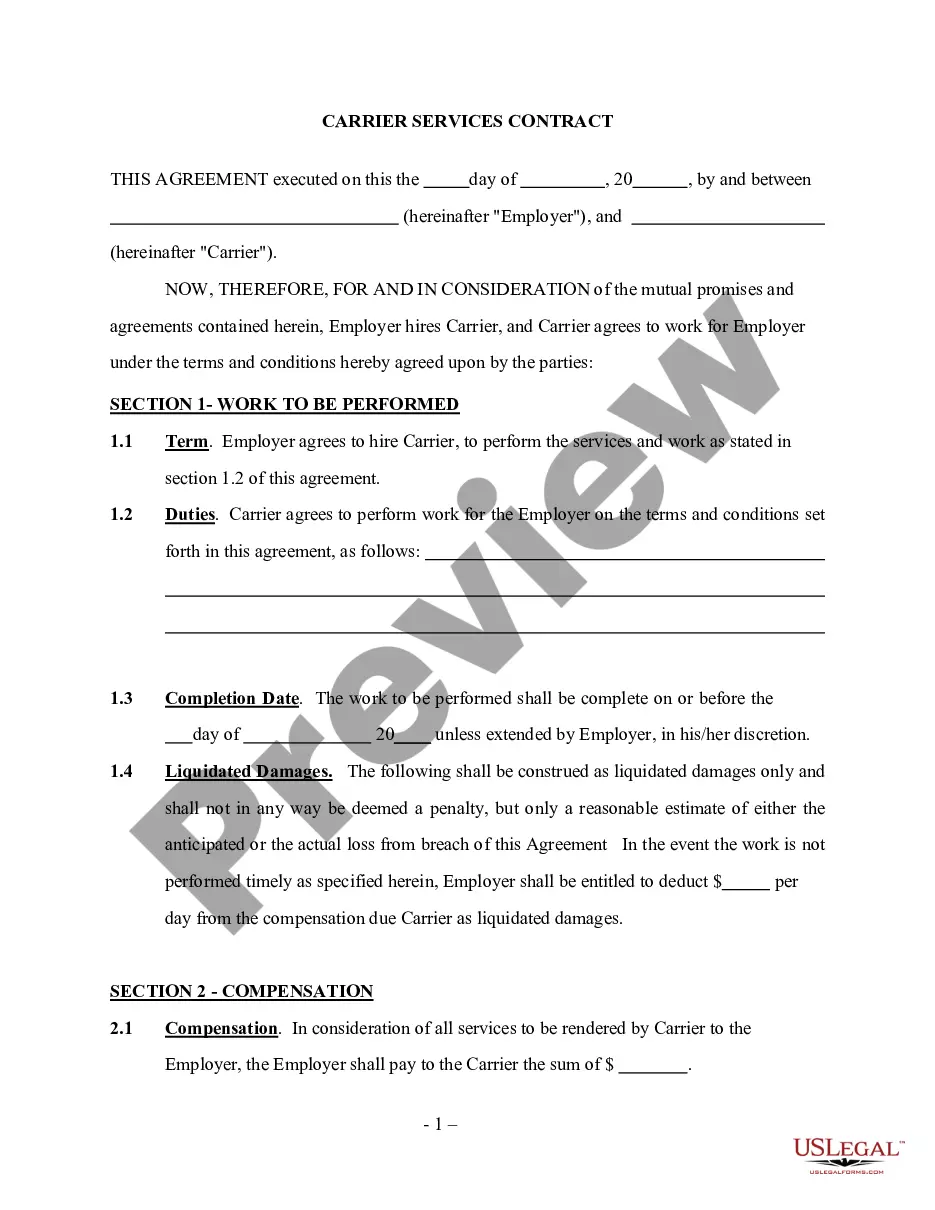
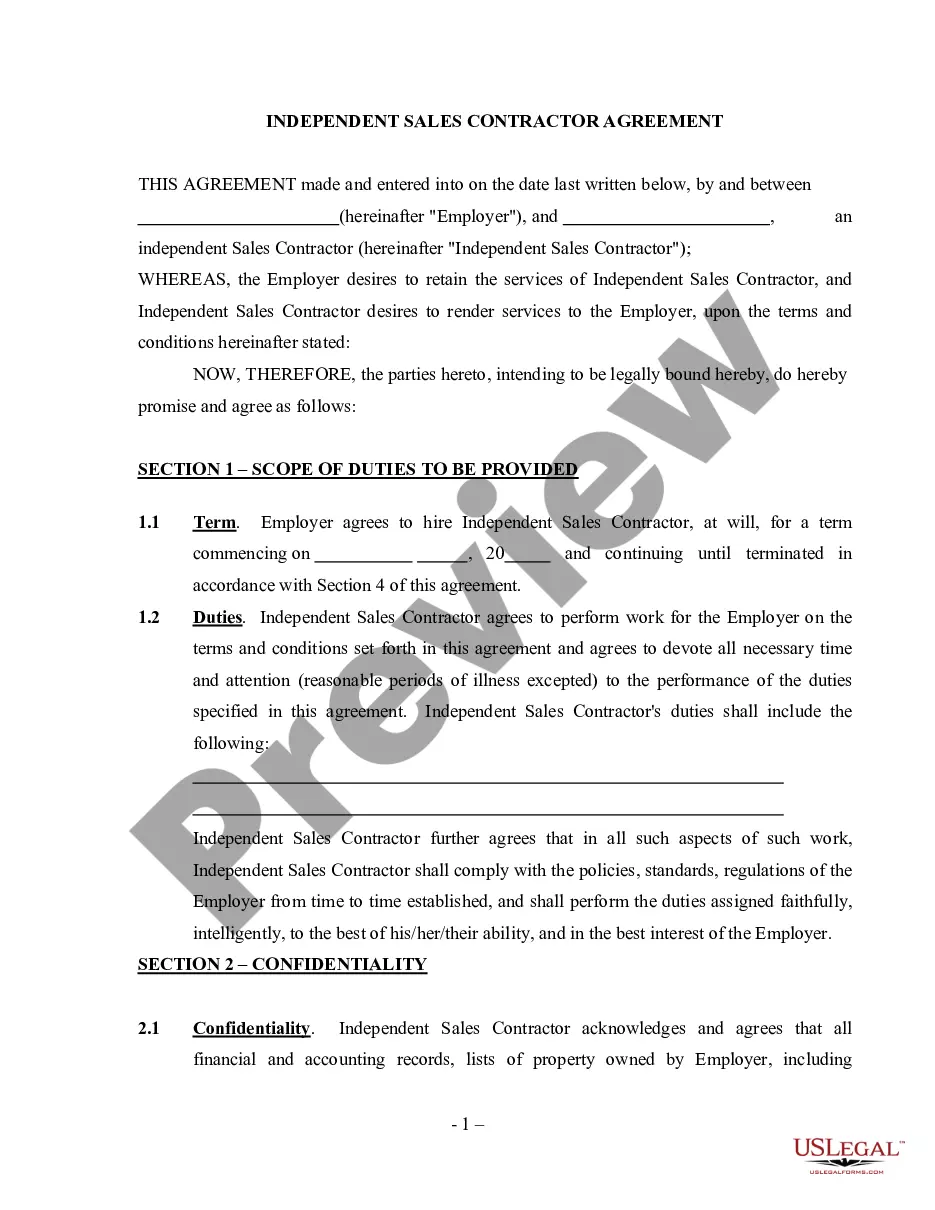
Get your form ready online
Our built-in tools help you complete, sign, share, and store your documents in one place.
Make edits, fill in missing information, and update formatting in US Legal Forms—just like you would in MS Word.
Download a copy, print it, send it by email, or mail it via USPS—whatever works best for your next step.
Sign and collect signatures with our SignNow integration. Send to multiple recipients, set reminders, and more. Go Premium to unlock E-Sign.
If this form requires notarization, complete it online through a secure video call—no need to meet a notary in person or wait for an appointment.
We protect your documents and personal data by following strict security and privacy standards.

Make edits, fill in missing information, and update formatting in US Legal Forms—just like you would in MS Word.

Download a copy, print it, send it by email, or mail it via USPS—whatever works best for your next step.

Sign and collect signatures with our SignNow integration. Send to multiple recipients, set reminders, and more. Go Premium to unlock E-Sign.

If this form requires notarization, complete it online through a secure video call—no need to meet a notary in person or wait for an appointment.

We protect your documents and personal data by following strict security and privacy standards.
Looking for another form?







Form popularity
FAQ
A carrier agreement is a documented promise between a shipper and a carrier that the shipper will use the carrier's services in exchange for a discount on those services. A shipper of any size will typically have an agreement with at least one carrier to reduce their shipping costs.
When we define a business operator, we see that it involves the day-to-day running of a company. It's very hands-on and, when the operator is not on-site, the business usually comes to a screeching halt. For a business owner, the focus is on making decisions for and profiting from the business.
A service agreement is the contract document made between the service provider and the client that legally binds the service provider and client and further gives them some protection. Further, the contract also enlists the services provided by the service provider and the rights and requirements of both parties.
Owners' agreement or ownership agreement refer to the contract made between owners of a business entity that determines the rights of the owners. Ownership agreements differ based on the type of business such as partnerships or LLCs.
The Owner-Operator agrees to defend, indemnify, and hold harmless the Carrier, as well as its agents and servants, from all liabilities, penalties, and fines (whether criminal or civil) if this obligation arises due to the Owner-Operator's failure to fulfill any of the terms and conditions.
Here's how to get contracts for your trucking business. Use load boards. Load boards are a great way to find available contracts. Build a relationship with freight brokers. Hire a dispatcher. Partner with government transport contractors. Prospect and contact local shippers. Join industry groups and associations.
An owner-operator lease agreement is a legal contract between a carrier and an independent truck driver. Carriers may want to hire drivers on a contract basis without permanent employment. Both parties sign an owner-operator agreement detailing responsibilities and obligations.
