Owner Operator Independent Contractor Agreement For Sales Associate In Harris
Description

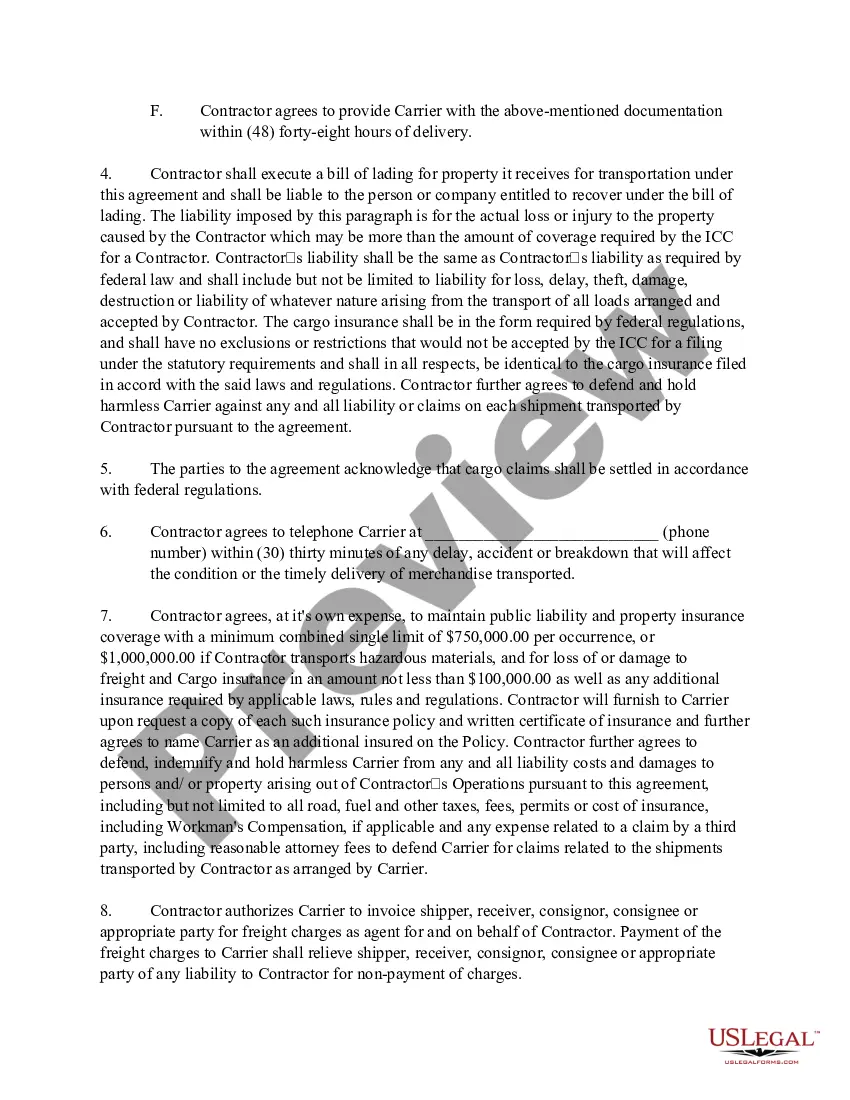
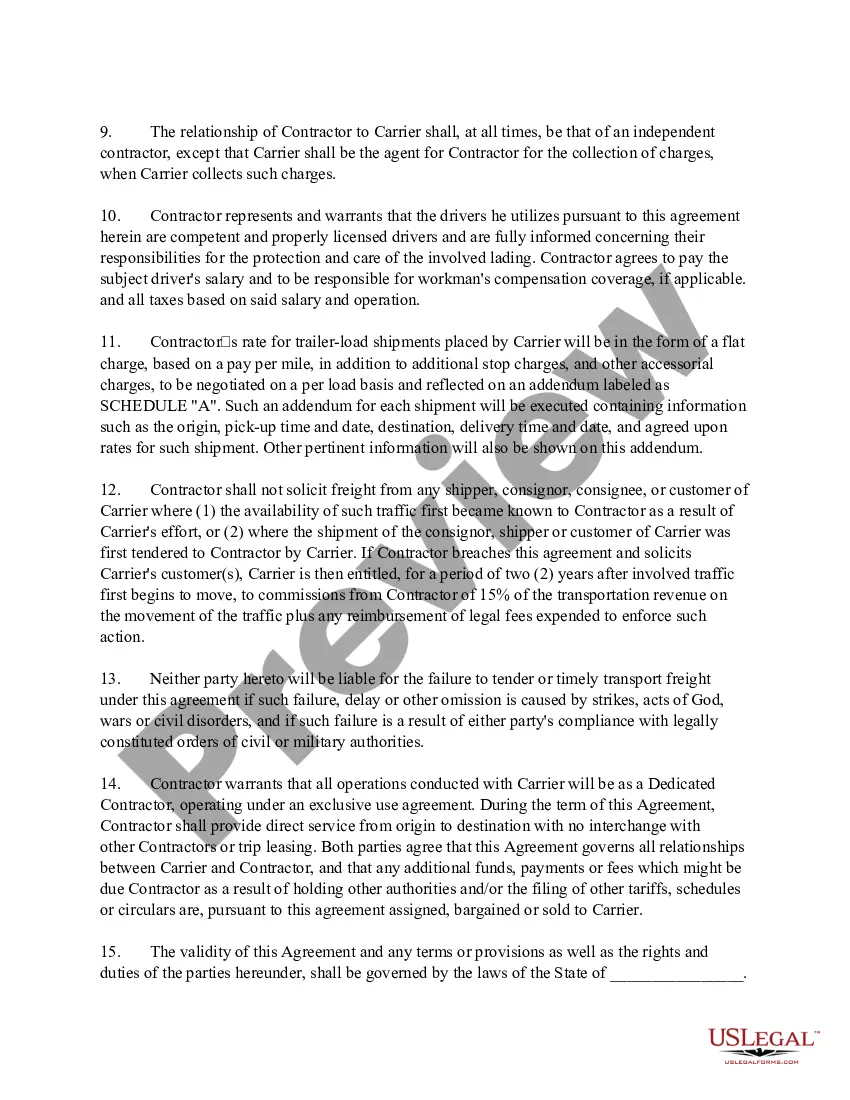
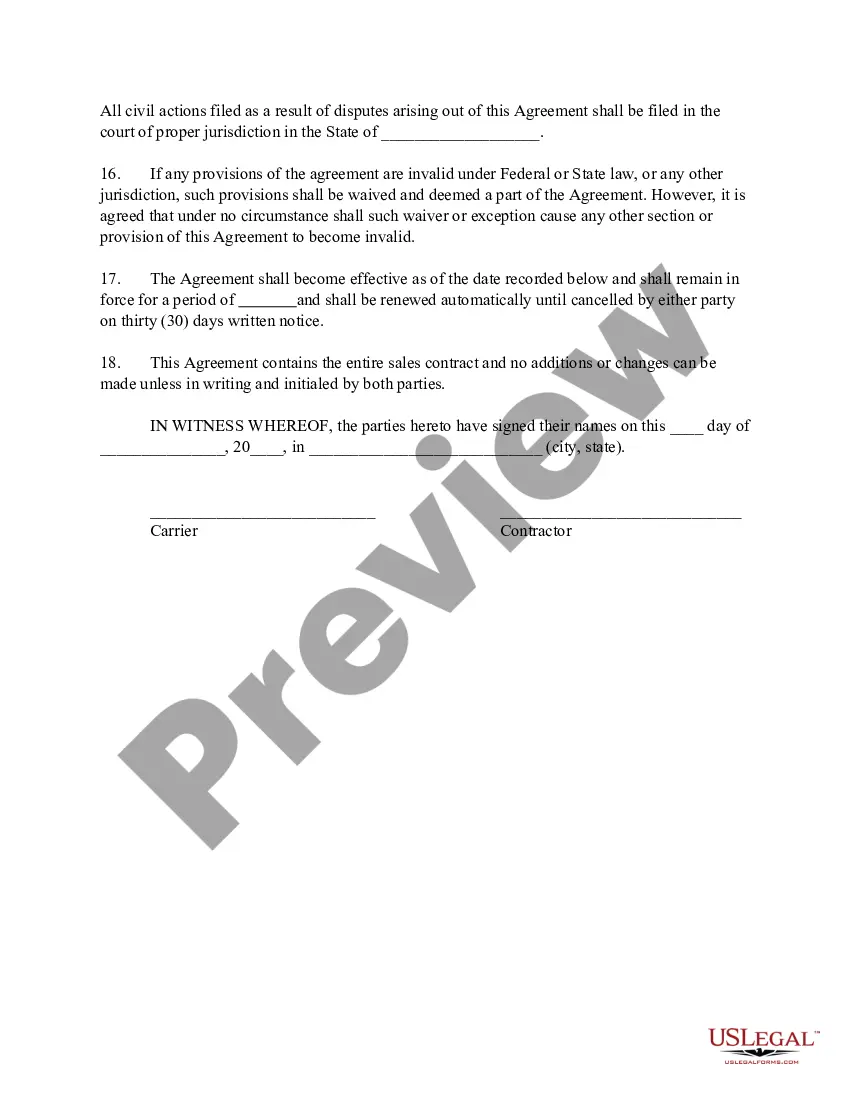
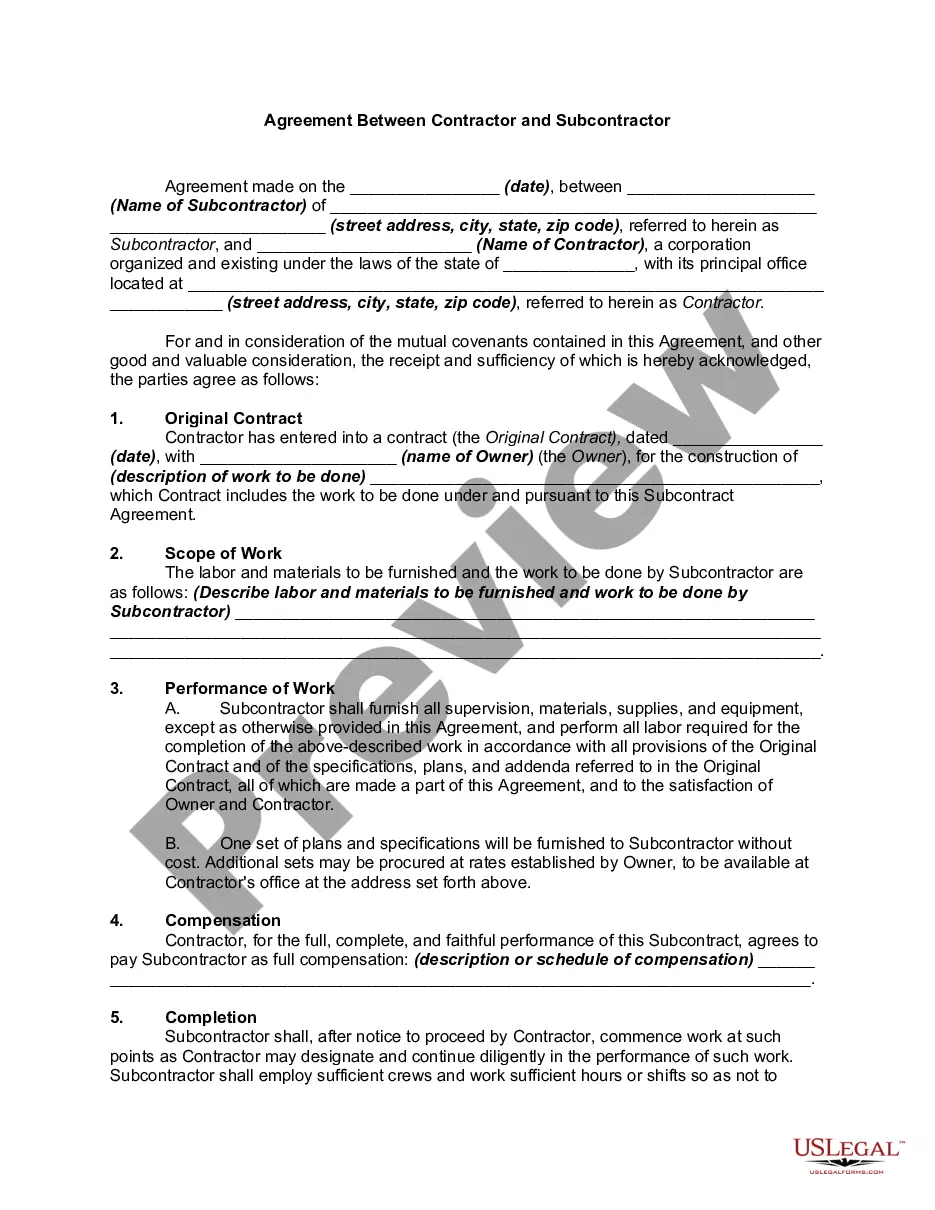
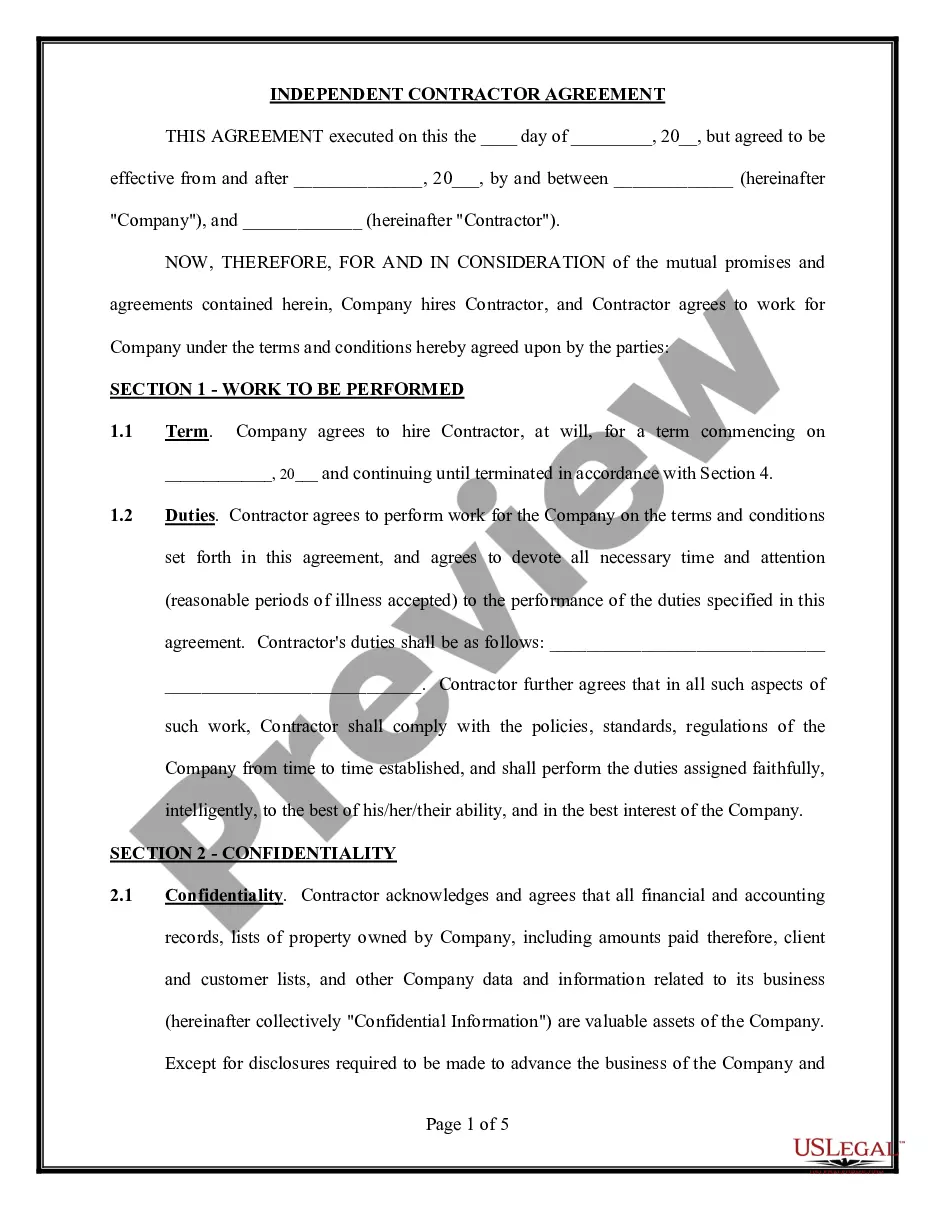
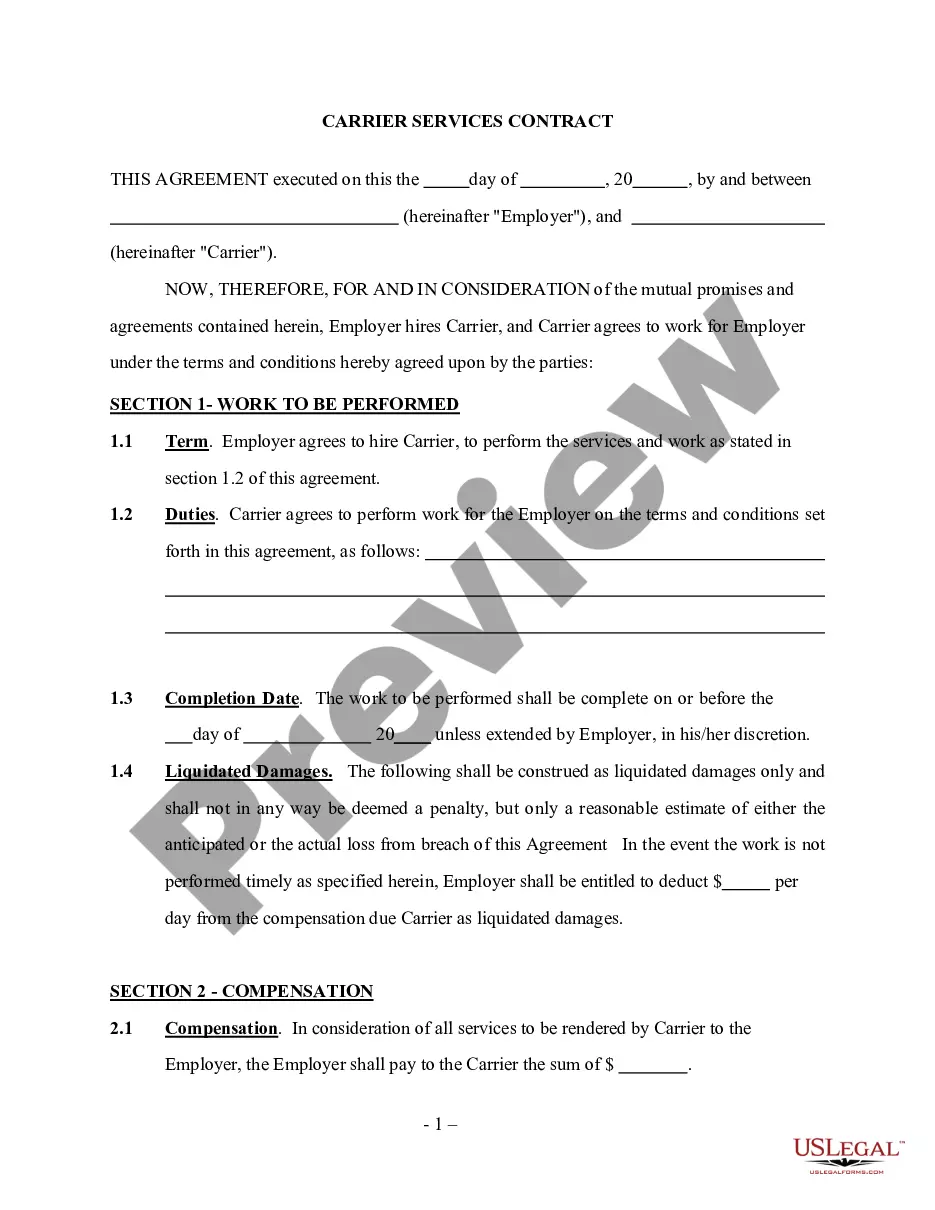
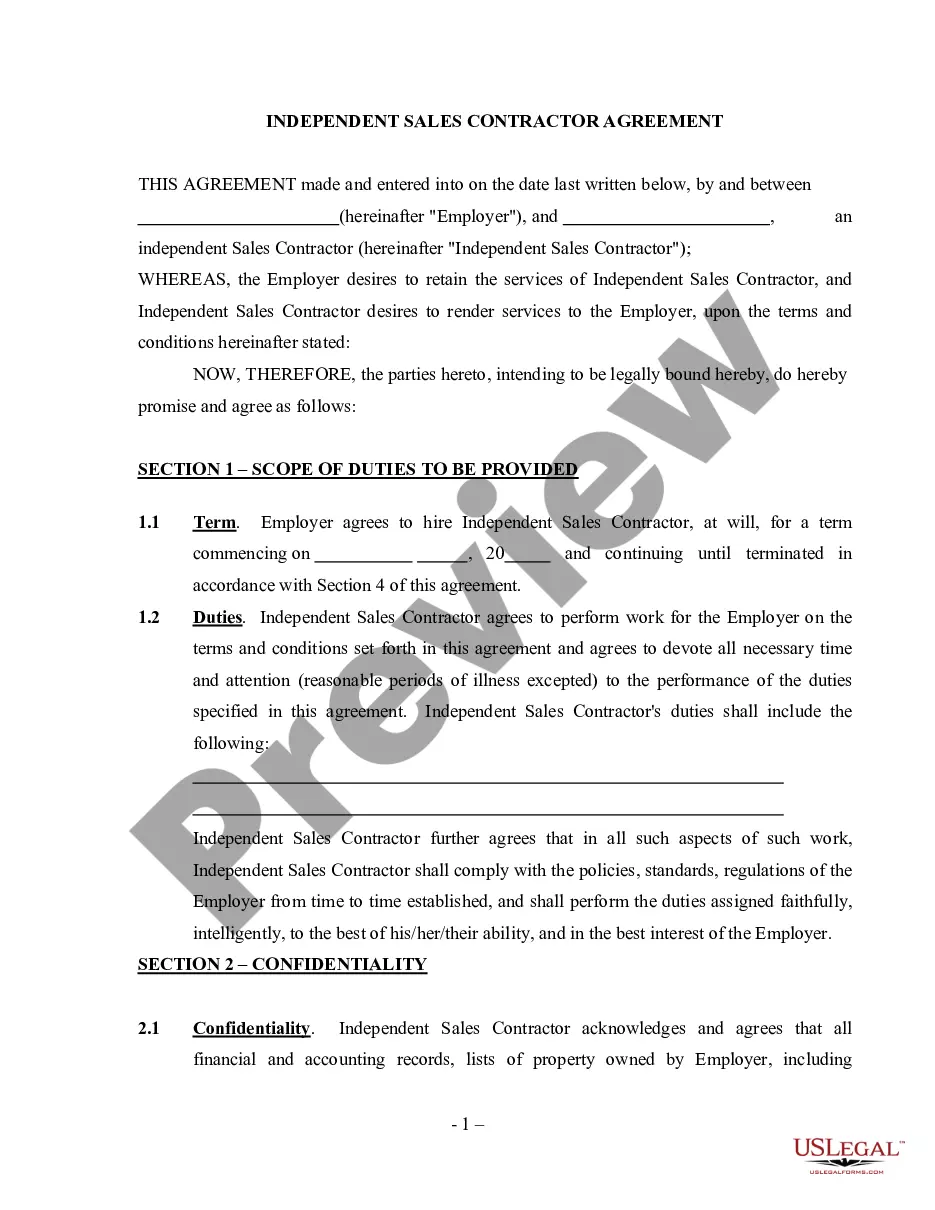
Get your form ready online
Our built-in tools help you complete, sign, share, and store your documents in one place.
Make edits, fill in missing information, and update formatting in US Legal Forms—just like you would in MS Word.
Download a copy, print it, send it by email, or mail it via USPS—whatever works best for your next step.
Sign and collect signatures with our SignNow integration. Send to multiple recipients, set reminders, and more. Go Premium to unlock E-Sign.
If this form requires notarization, complete it online through a secure video call—no need to meet a notary in person or wait for an appointment.
We protect your documents and personal data by following strict security and privacy standards.

Make edits, fill in missing information, and update formatting in US Legal Forms—just like you would in MS Word.

Download a copy, print it, send it by email, or mail it via USPS—whatever works best for your next step.

Sign and collect signatures with our SignNow integration. Send to multiple recipients, set reminders, and more. Go Premium to unlock E-Sign.

If this form requires notarization, complete it online through a secure video call—no need to meet a notary in person or wait for an appointment.

We protect your documents and personal data by following strict security and privacy standards.
Looking for another form?





Form popularity
FAQ
Below are eight important points to consider including in an independent contractor agreement. Define a Scope of Work. Set a Timeline for the Project. Specify Payment Terms. State Desired Results and Agree on Performance Measurement. Detail Insurance Requirements. Include a Statement of Independent Contractor Relationship.
Contractor agreement is a contract between a company and a contractor hired by them. A contractor performs specific project/tasks. It defines the overall terms and conditions regarding the work undertaken by the contractor as well as their role, duties, and obligations.
drafted contractor agreement should include the following essential elements: Identification of the parties involved. Scope of work and deliverables. Payment terms and schedule. Confidentiality provisions. Intellectual property rights. Indemnification clauses. Termination and dispute resolution.
Legally binding contracts can be done both in writing or orally. However, when it comes to business transactions, it's best to have the majority of your contracts in writing. There is no law requiring contracts to be written by a lawyer. There are no laws that indicate any specific form or font they should be in.
How to make a contract in 7 steps Step 1: Outline the basics. Step 2: Define the key terms and scope of work. Step 3: Set payment terms. Step 4: Include protective clauses. Step 5: Negotiate. Step 6: Get a contract review. Step 7: Sign and date.
An Independent Contractor Agreement (ICA) is a formal contract between a business and a self-employed individual. It outlines the scope of work, payment terms, and responsibilities and provides legal protection for both parties.
How do I create an Independent Contractor Agreement? State the location. Describe the type of service required. Provide the contractor's and client's details. Outline compensation details. State the agreement's terms. Include any additional clauses. State the signing details.
A Texas independent contractor agreement records the arrangement where a contractor provides services in exchange for payment from their client. The contract sets the scope of work, timeline, and compensation the contractor will receive.
Of the 1.5 million members of the National Association of REALTORS® (NAR), approximately 87 percent are classified as independent contractors.
Workers who use their own materials and tools, control meaningful aspects of the working relationship, complete tasks relatively quickly, are highly skilled, and control how they perform their job can usually be classified as independent contractors.
