Contract Agreement For Cctv Installation In Cook
Description

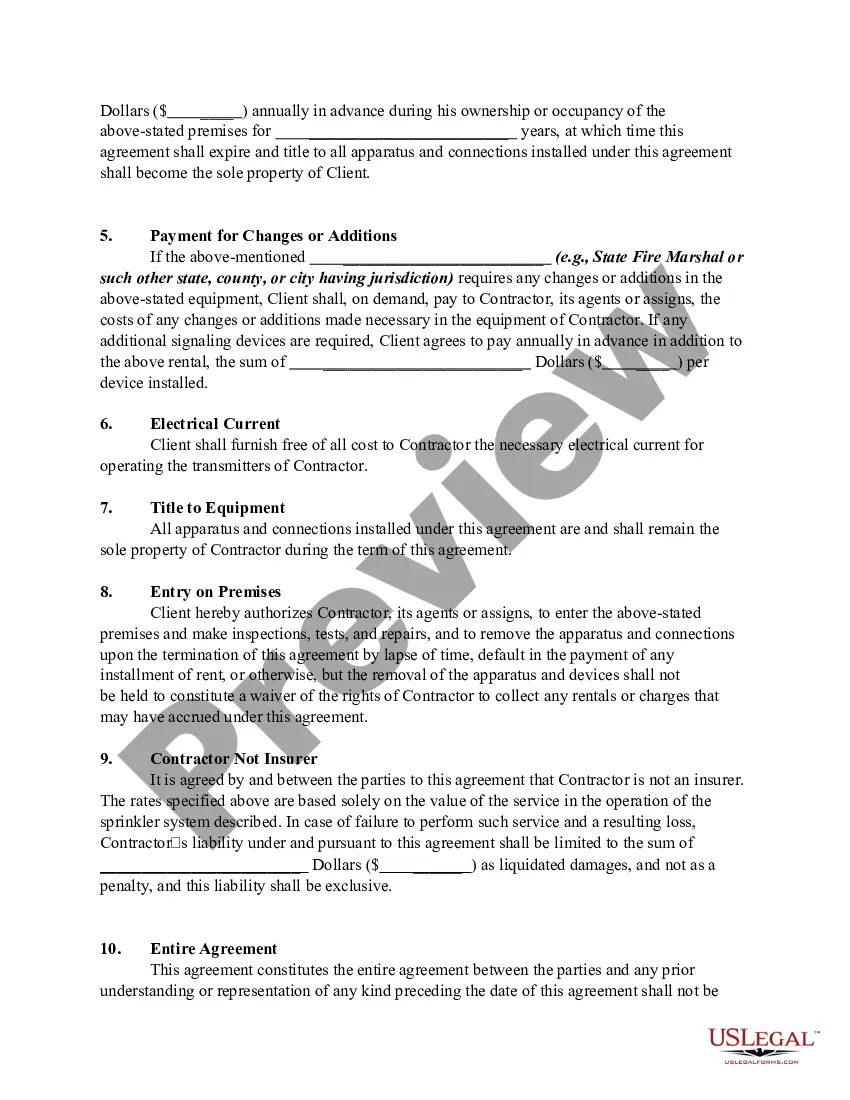
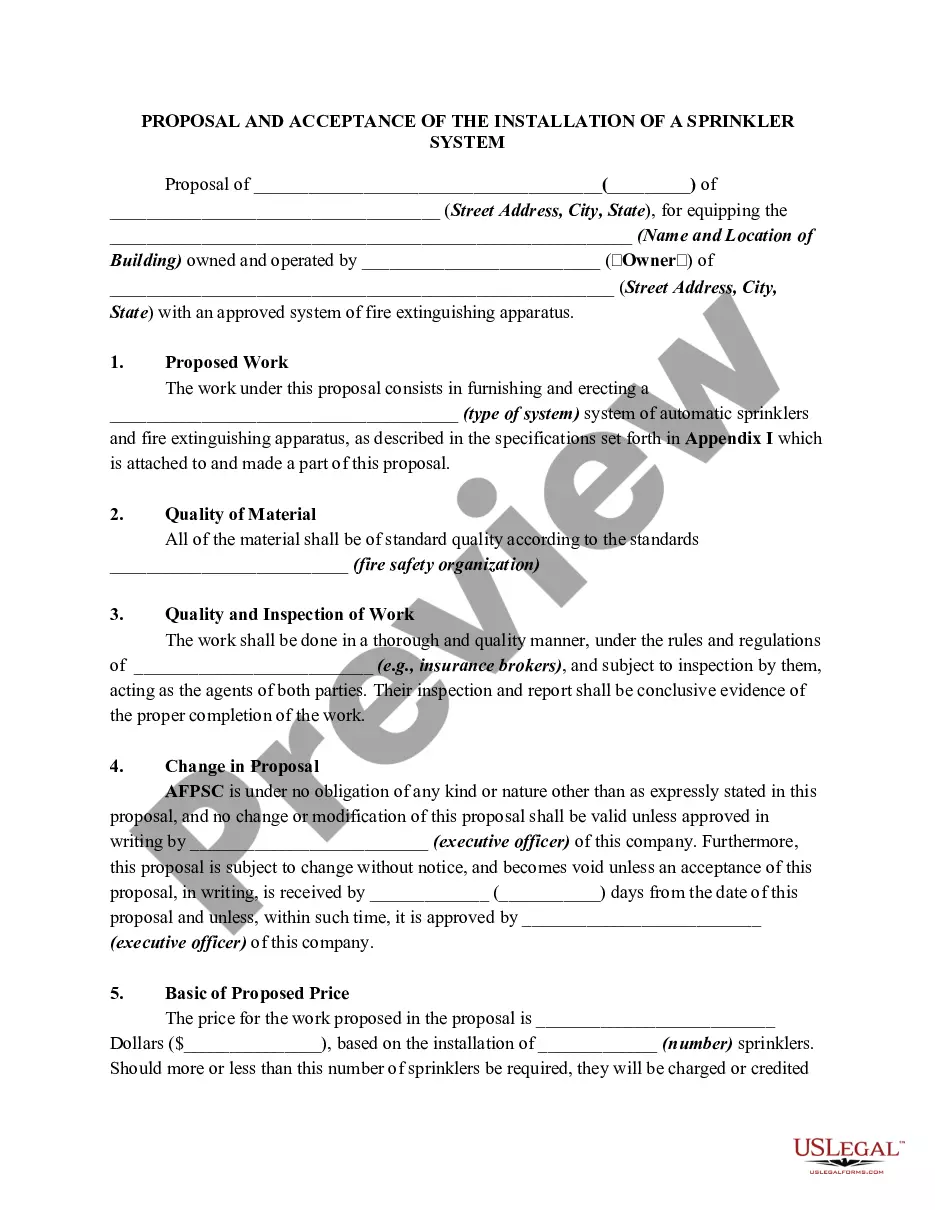
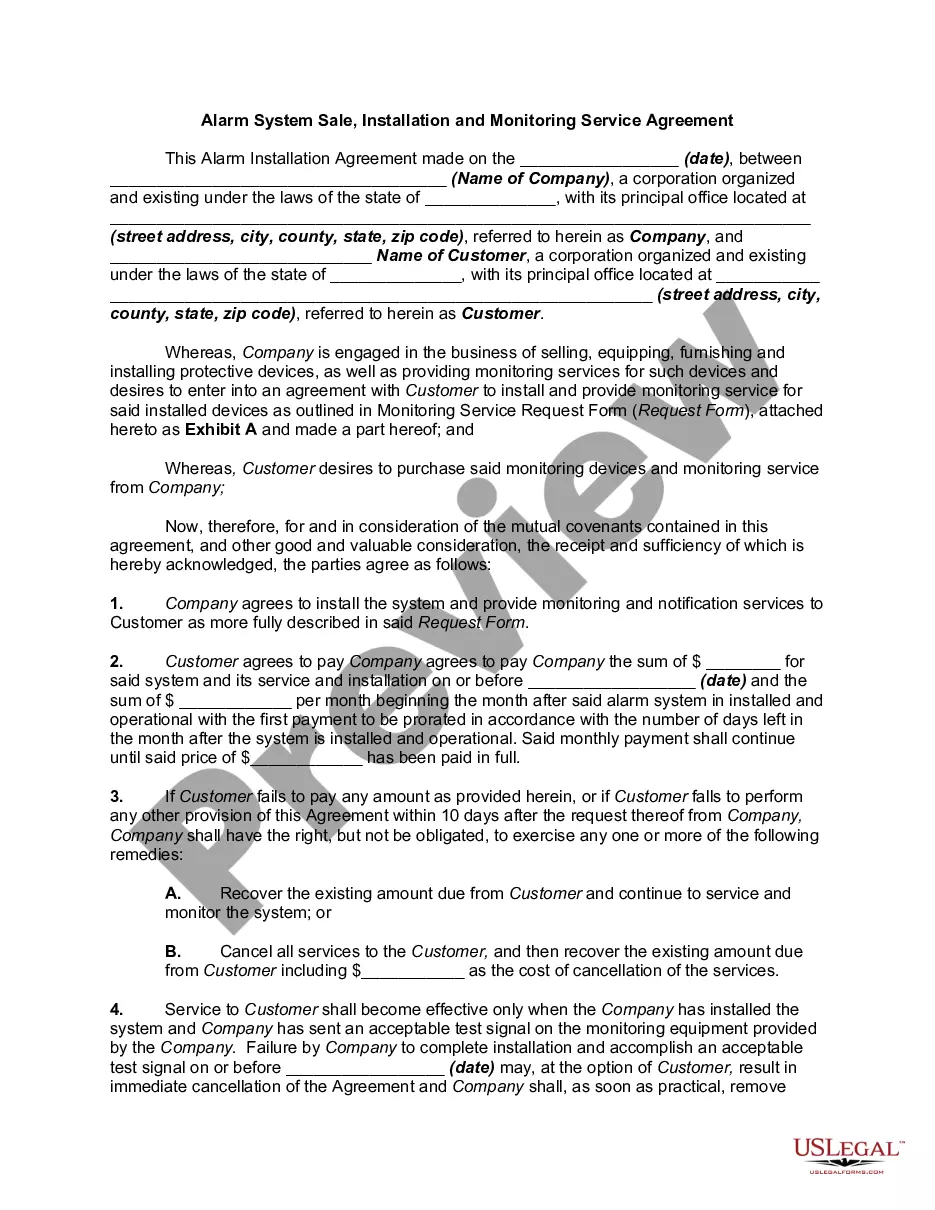
Get your form ready online
Our built-in tools help you complete, sign, share, and store your documents in one place.
Make edits, fill in missing information, and update formatting in US Legal Forms—just like you would in MS Word.
Download a copy, print it, send it by email, or mail it via USPS—whatever works best for your next step.
Sign and collect signatures with our SignNow integration. Send to multiple recipients, set reminders, and more. Go Premium to unlock E-Sign.
If this form requires notarization, complete it online through a secure video call—no need to meet a notary in person or wait for an appointment.
We protect your documents and personal data by following strict security and privacy standards.

Make edits, fill in missing information, and update formatting in US Legal Forms—just like you would in MS Word.

Download a copy, print it, send it by email, or mail it via USPS—whatever works best for your next step.

Sign and collect signatures with our SignNow integration. Send to multiple recipients, set reminders, and more. Go Premium to unlock E-Sign.

If this form requires notarization, complete it online through a secure video call—no need to meet a notary in person or wait for an appointment.

We protect your documents and personal data by following strict security and privacy standards.
Looking for another form?
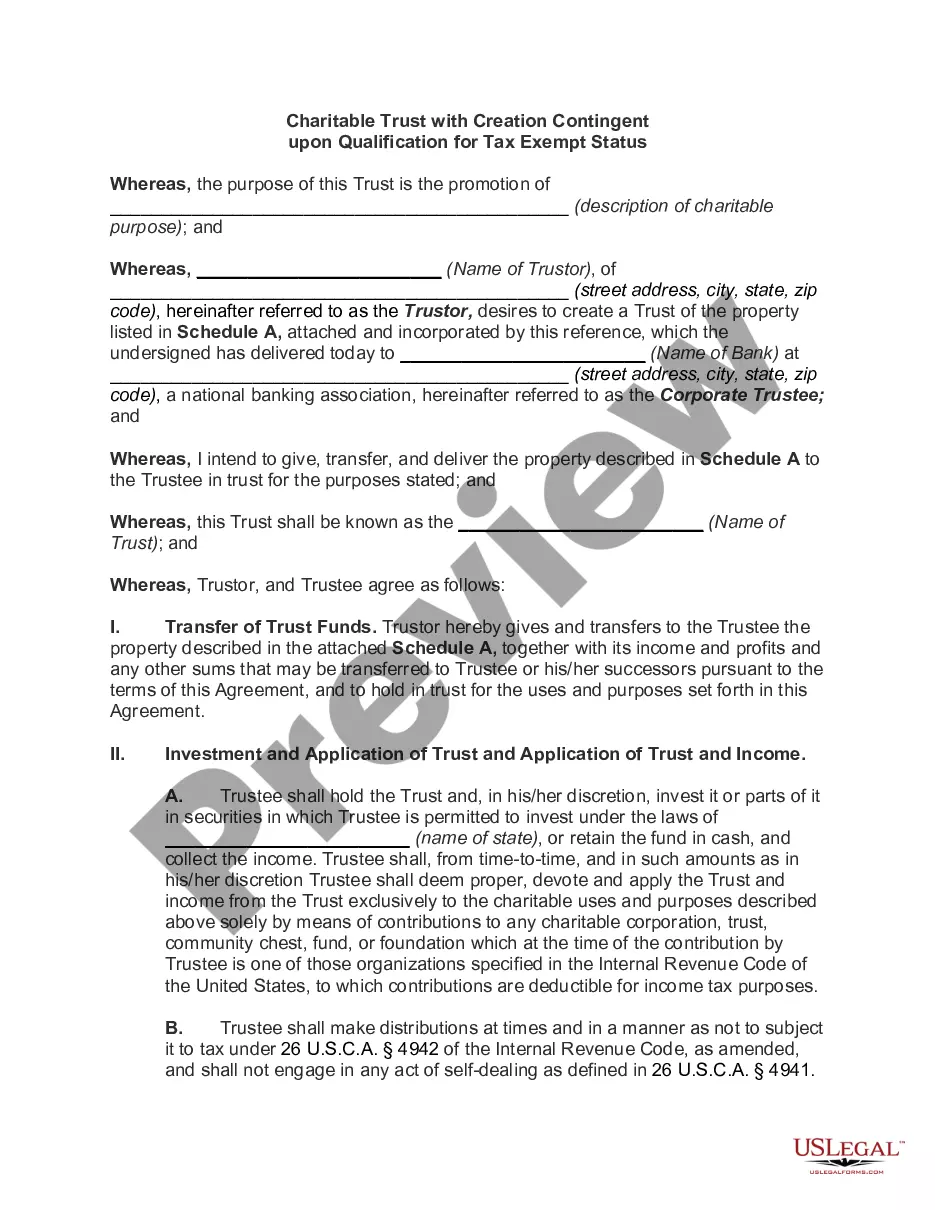








Form popularity
FAQ
ONVIF protocol meaning stands for Open Network Video Interface Forum. It is a global and open industry forum that aims to facilitate the development and use of a global open standard for the interface of physical IP-based security products.
Most IP cameras support both TCP and UDP but generally it is not user controllable. VMSes vary significantly in what configuration or control they support for TCP or UDP. There are minimal latency differences between TCP and UDP on a dedicated network.
Installing CCTV cameras with seven single steps 6 steps to installing a CCTV system: Planning is vital for your CCTV installations. Decide on the location and prepare the installation. Run the cables to the camera sites. Connect the cables to the DVR. Mount and the cameras. Switch on the power. Set-up the DVR.
If you're building a CCTV Camera System, you have two camera options: Internet Protocol (IP) or analog. IP is usually the preferred choice due to its compatibility with most devices. Many different types of cameras can be installed, for example -dome cameras, bullet cameras, covert cameras.
CCTV cameras can't function without a consistent and stable power supply. The cameras should either be placed in close proximity to an existing power supply, or a dedicated power source should be set up for them. In addition, surge protectors should be used to shield the cameras from electrical spikes.
Here are five marketing strategies for a security company: Identify your target market. Ask for reviews from happy customers. Don't be afraid of cold outreach and networking. Develop trust with partners to earn repeat business and referrals. Offer the right products and services.
If you're building a CCTV Camera System, you have two camera options: Internet Protocol (IP) or analog. IP is usually the preferred choice due to its compatibility with most devices. Many different types of cameras can be installed, for example -dome cameras, bullet cameras, covert cameras.
What are the Requirements for CCTV Camera Installation Preliminary Site Evaluation. Adequate Network Infrastructure. Sufficient Power Supply. Choice of Camera. Where to Place the Camera. Where to Focus the Camera. Think about the Sun. Remember Reflections.
How to write a contract agreement in 7 steps. Determine the type of contract required. Confirm the necessary parties. Choose someone to draft the contract. Write the contract with the proper formatting. Review the written contract with a lawyer. Send the contract agreement for review or revisions.
A comprehensive security guard contract template should include the following elements: Parties involved. Names and addresses of the client and the security service provider. Scope of services. Duration of the contract. Payment terms. Responsibilities. Liability and insurance. Termination clause. Confidentiality.
