Sample Letter For Tax Penalty Waiver
Description
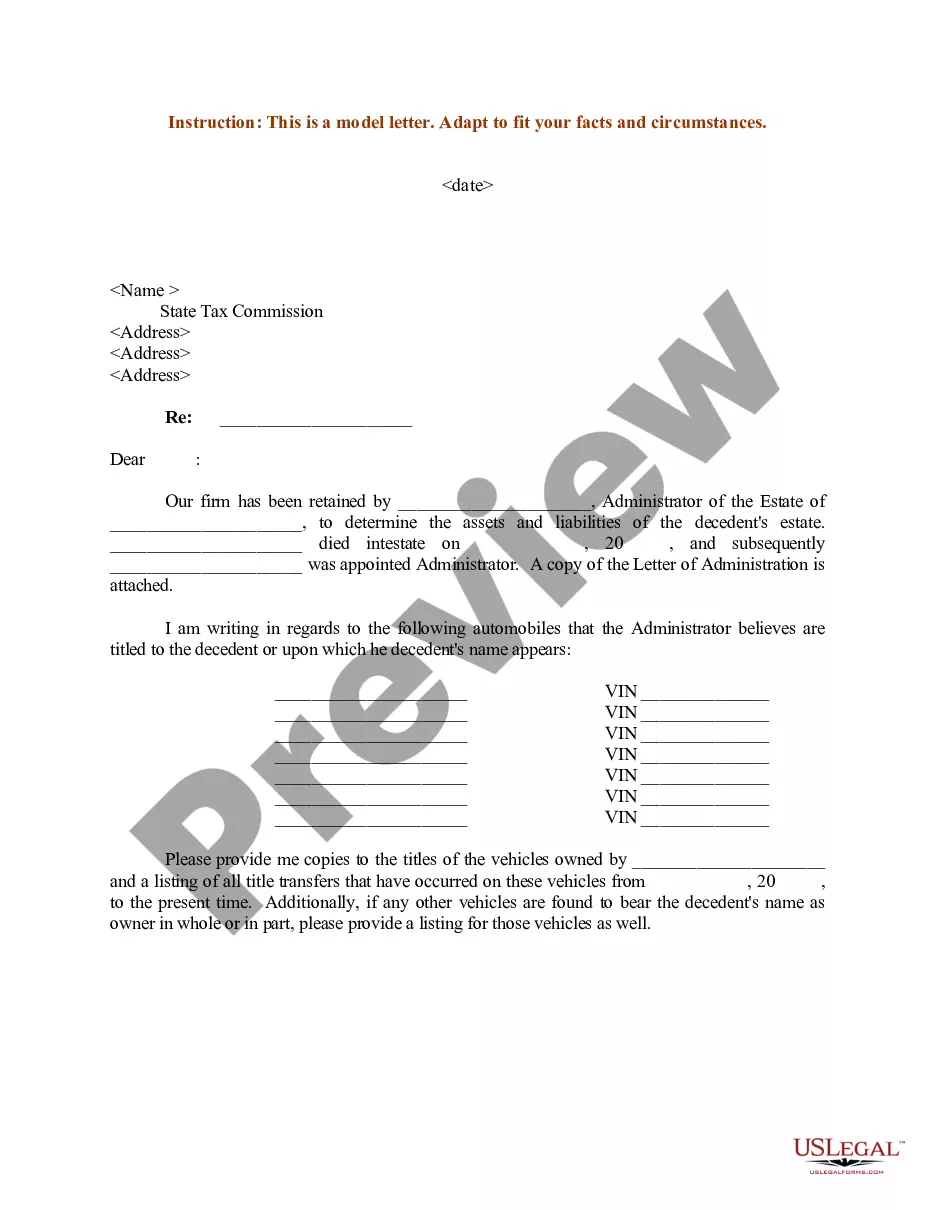
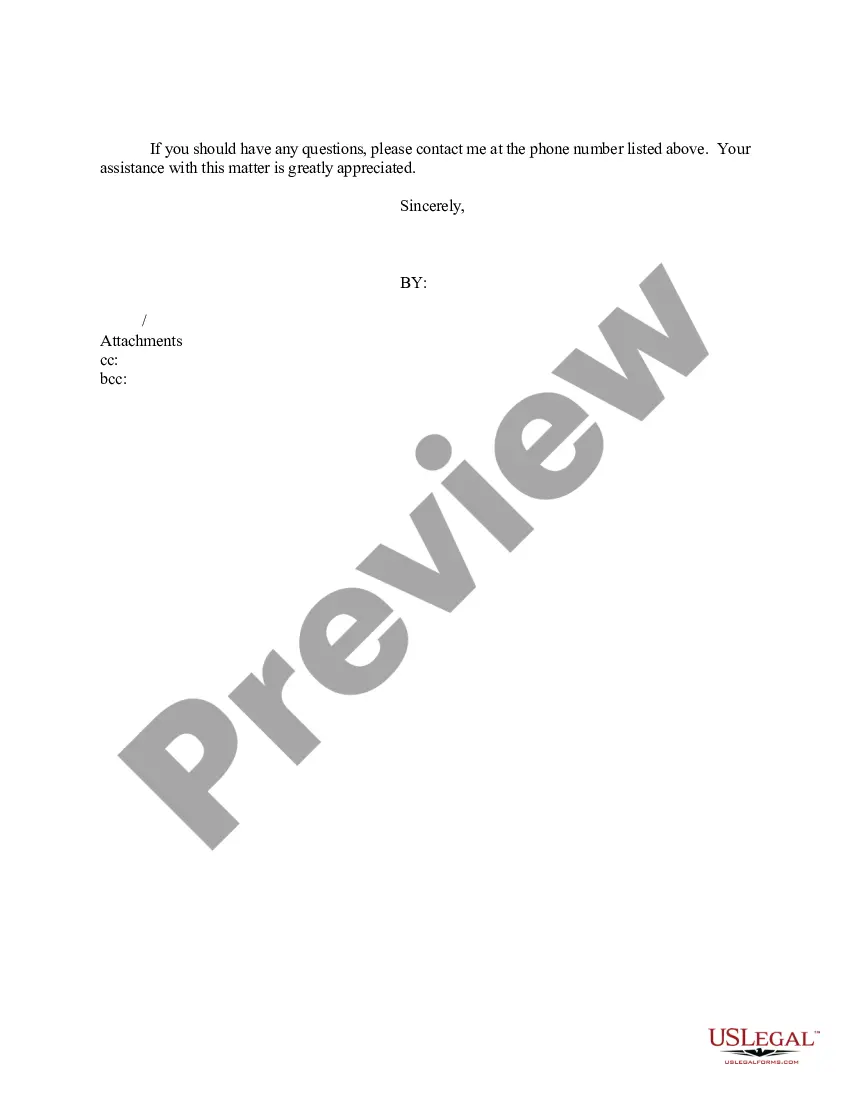

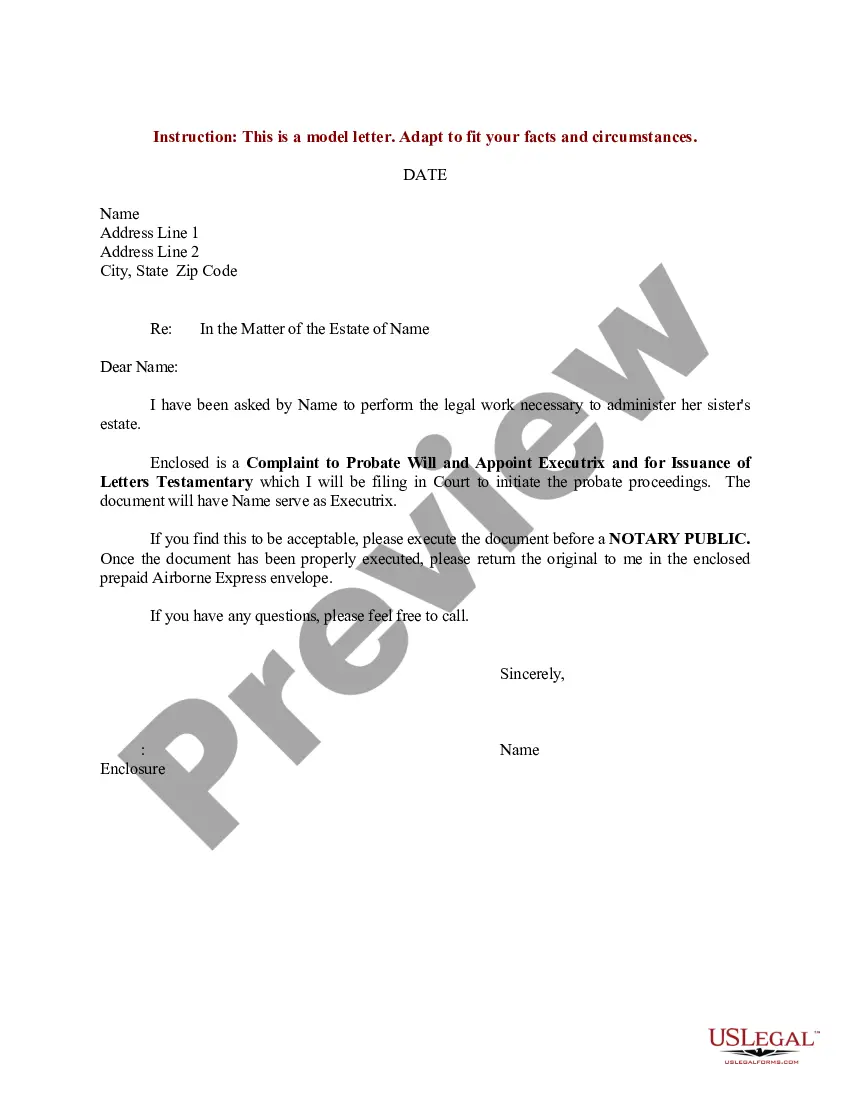
Get your form ready online
Our built-in tools help you complete, sign, share, and store your documents in one place.
Make edits, fill in missing information, and update formatting in US Legal Forms—just like you would in MS Word.
Download a copy, print it, send it by email, or mail it via USPS—whatever works best for your next step.
Sign and collect signatures with our SignNow integration. Send to multiple recipients, set reminders, and more. Go Premium to unlock E-Sign.
If this form requires notarization, complete it online through a secure video call—no need to meet a notary in person or wait for an appointment.
We protect your documents and personal data by following strict security and privacy standards.

Make edits, fill in missing information, and update formatting in US Legal Forms—just like you would in MS Word.

Download a copy, print it, send it by email, or mail it via USPS—whatever works best for your next step.

Sign and collect signatures with our SignNow integration. Send to multiple recipients, set reminders, and more. Go Premium to unlock E-Sign.

If this form requires notarization, complete it online through a secure video call—no need to meet a notary in person or wait for an appointment.

We protect your documents and personal data by following strict security and privacy standards.
Looking for another form?
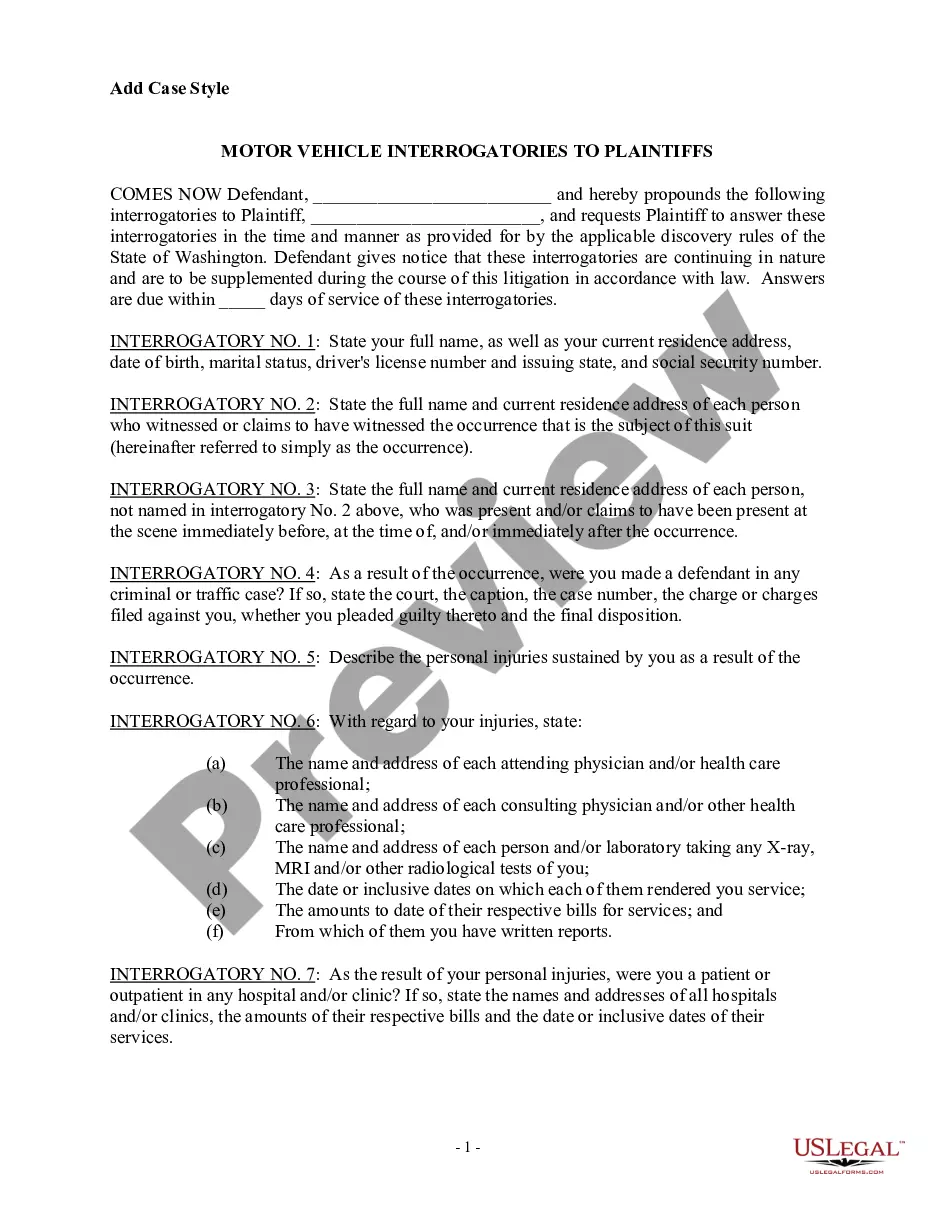

Form popularity
FAQ
time abatement letter is a document requesting the IRS to waive penalties for a taxpayer who has a clean compliance history. This letter typically includes the taxpayer’s details, the specific penalties, and a request for relief based on previous good standing. Utilizing a sample letter for tax penalty waiver can help you format your letter correctly and ensure all necessary information is included.
To waive your estimated tax penalty, you need to submit a request to the IRS, explaining why you failed to meet your estimated tax obligations. This can include reasons such as unforeseen financial hardship or errors in your calculations. Using a sample letter for tax penalty waiver can guide you in crafting a clear and persuasive request, enhancing your chances of having the penalty reduced or removed.
Writing a waiver letter for a penalty involves several key steps. Start by providing your identification information, including your name and tax ID number, to establish your identity. Then, structure your letter by outlining your rationale for the waiver, supported by relevant evidence. Referencing a sample letter for tax penalty waiver can streamline this process and help you present a compelling case.
When writing a letter to the IRS for a penalty waiver, begin by addressing it to the appropriate department, including your personal information and tax details. Clearly state your request and provide a solid explanation along with any justification, like hardship or misunderstanding. A sample letter for tax penalty waiver can help you structure your letter effectively, ensuring you cover all necessary points.
To get your tax penalty waived, you need to file a request with the IRS. Start by making sure you have a valid reason for the waiver, such as a serious illness or natural disaster. Then, use a sample letter for tax penalty waiver as a guide to draft your request. Present your case clearly and include any necessary supporting documents to increase your chances of approval.
A reasonable cause to waive an IRS penalty may include circumstances beyond your control, such as illness, natural disasters, or serious personal issues. The IRS looks for evidence that you acted responsibly and diligently regarding your tax obligations. Clearly detailing your situation in a letter, and using a sample letter for tax penalty waiver, can significantly improve your chances of achieving relief.
Reasonable cause and good faith exceptions allow taxpayers to avoid penalties if they acted with honesty and took steps to comply with tax laws. For instance, if a taxpayer faced unforeseen circumstances that made timely payment impossible, this could qualify as reasonable cause. Highlighting this in a request for a waiver is important, and a sample letter for tax penalty waiver can help articulate these points effectively.
To craft an effective letter to the IRS, ensure you include your personal information, tax identification number, and the specific penalties you are addressing. Clearly outline your reasons for requesting a waiver, and attach necessary documentation to support your case. Utilizing a sample letter for tax penalty waiver can enhance your approach, making your request more structured and persuasive.
When writing a penalty waiver letter, begin by clearly stating your request for penalty relief. Provide a brief explanation of your circumstances, attach any relevant documentation, and maintain a polite tone throughout. A sample letter for tax penalty waiver can offer a valuable template, ensuring you include all necessary elements for a successful appeal.
To obtain one-time forgiveness from the IRS, you can apply for penalty relief. This often involves writing a letter that explains your circumstances and requests a waiver for penalties. Using a sample letter for tax penalty waiver can guide you through the process, helping you present your case clearly and effectively.