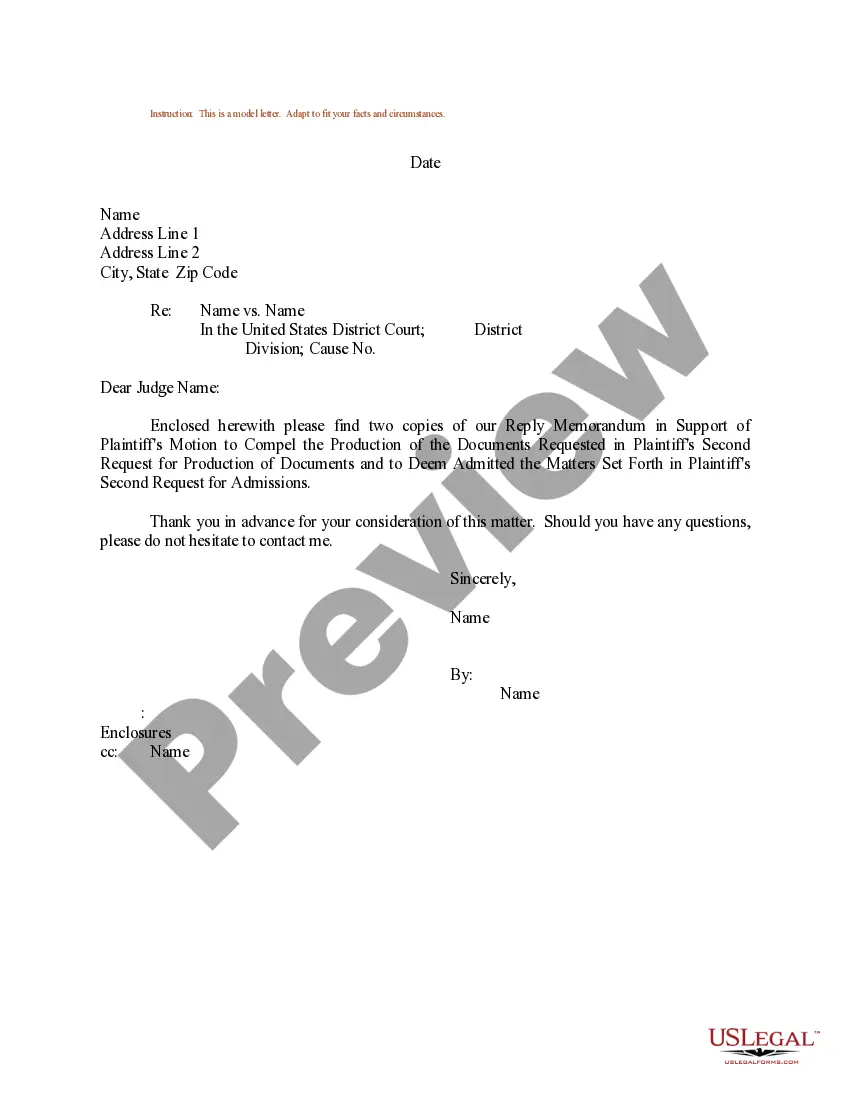
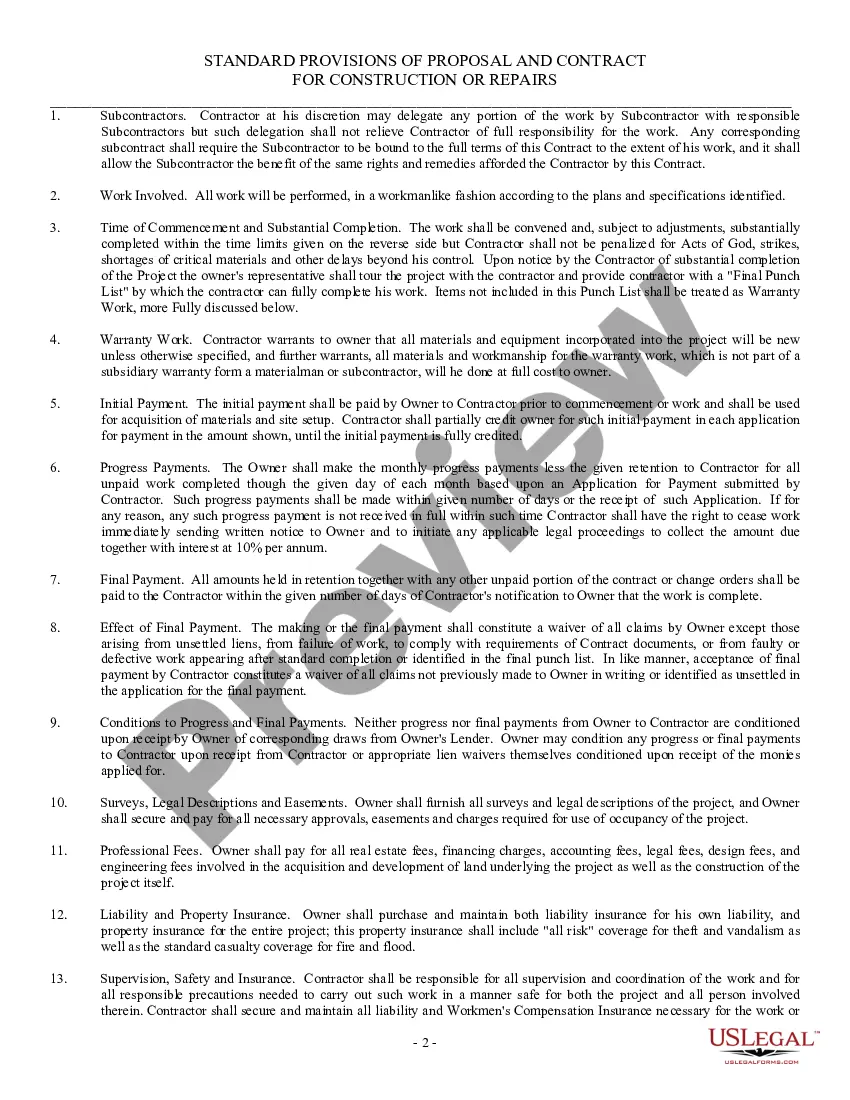
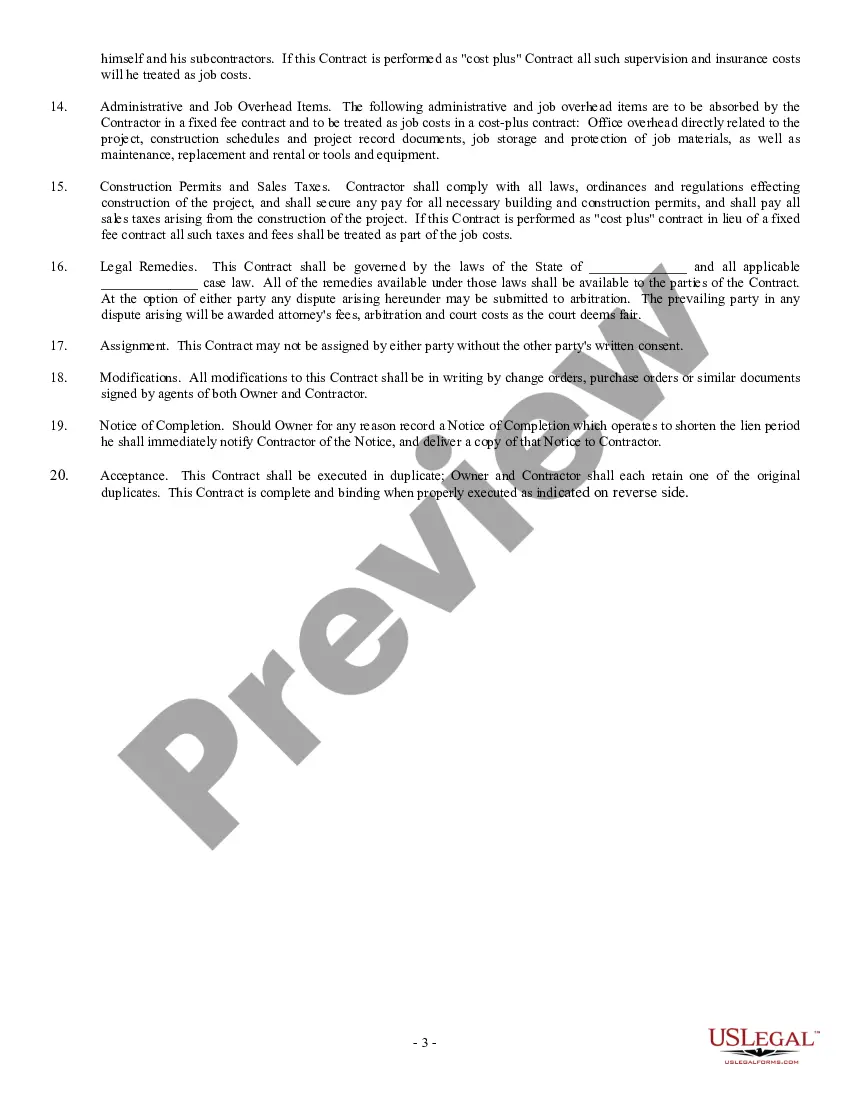
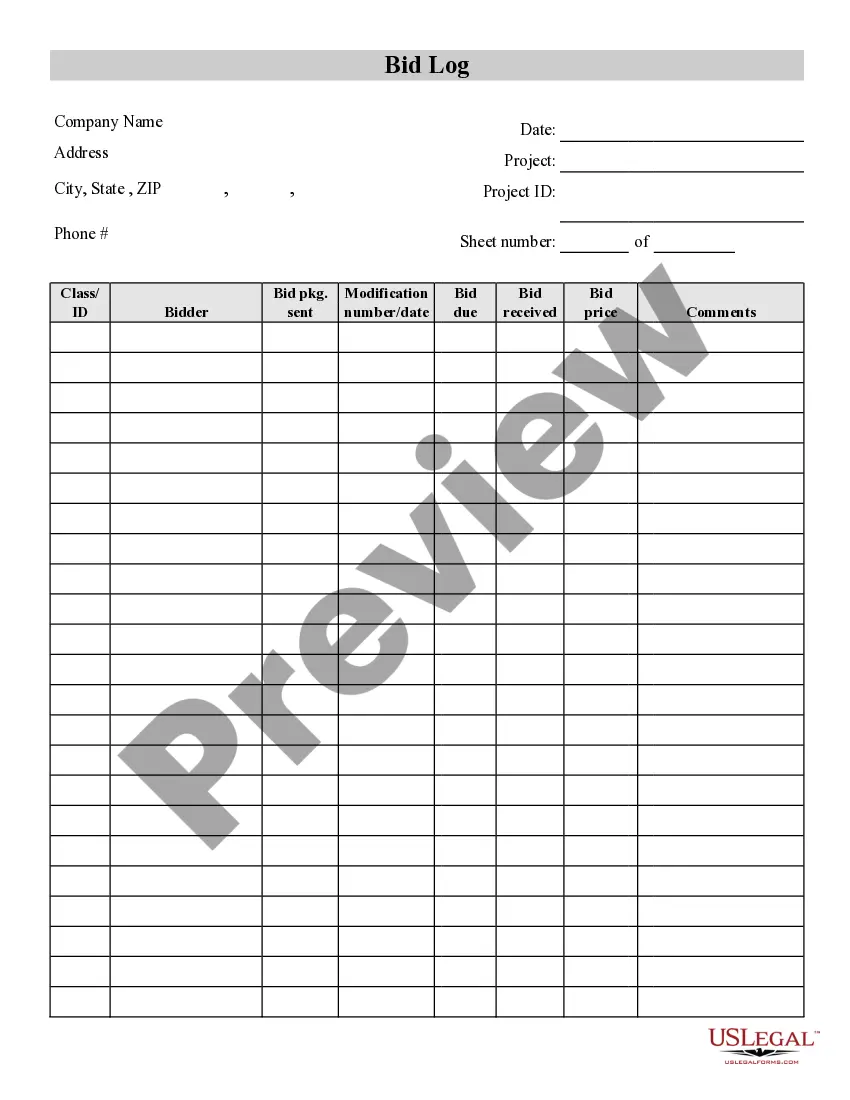
Bid Form For The Procurement Of Infrastructure Projects In Texas
Description


Get your form ready online
Our built-in tools help you complete, sign, share, and store your documents in one place.
Make edits, fill in missing information, and update formatting in US Legal Forms—just like you would in MS Word.
Download a copy, print it, send it by email, or mail it via USPS—whatever works best for your next step.
Sign and collect signatures with our SignNow integration. Send to multiple recipients, set reminders, and more. Go Premium to unlock E-Sign.
If this form requires notarization, complete it online through a secure video call—no need to meet a notary in person or wait for an appointment.
We protect your documents and personal data by following strict security and privacy standards.

Make edits, fill in missing information, and update formatting in US Legal Forms—just like you would in MS Word.

Download a copy, print it, send it by email, or mail it via USPS—whatever works best for your next step.

Sign and collect signatures with our SignNow integration. Send to multiple recipients, set reminders, and more. Go Premium to unlock E-Sign.

If this form requires notarization, complete it online through a secure video call—no need to meet a notary in person or wait for an appointment.

We protect your documents and personal data by following strict security and privacy standards.
Looking for another form?







Form popularity
FAQ
Step 1: Find a Project. Find a project you want to bid on. Step 2: Carefully Examine the Bid. Carefully examine and be familiar with the bidding and contract documents, and bidder qualifications. Step 3: Visit the Site. Step 4: Prepare Your Bid. Step 5: Submit Your Bid. Step 6: Award of Contract.
The steps in the bid process for procurement are designed to facilitate the realization of these goals. The five primary stages are soliciting proposals, creating bids, bid evaluation, bid negotiation, and project award and delivery.
Overview of the 3 main types of bidding TypeDefinition Open tendering Solicit bids from all interested contractors, typically on public projects. Selective tendering Solicit bids from a selected group of contractors. Negotiated tendering Negotiate contract amount with a pre-selected contractor.
The bidding process Step 1: Bid solicitation. Step 2: Bid preparation and submission. Step 3: Bid evaluation and selection. Step 4: Contract negotiation. Step 5: Project delivery.
The steps in the bid process for procurement are designed to facilitate the realization of these goals. The five primary stages are soliciting proposals, creating bids, bid evaluation, bid negotiation, and project award and delivery.
Overview: Seven Stages of Procurement Stage One: Need Identification. Stage Two: Pre- Solicitation. Stage Three: Solicitation Preparation. Stage Four: Solicitation Process. Stage Five: Evaluation Process. Stage Six: Award Process. Stage Seven: Contract Process. All Seven Stages.
Purchases $3,000 and Under – No competitive quotes required. Purchases between $3,000 to $50,000 – Requires three (3) competitive official quotes. Purchases over $50,000 – Requires an awarded formal sealed bid through the Competitive Bid process (unless otherwise specified by law).
For procurement transactions subject to UGMS or TxGMS, Subrecipient must follow a $3,000 micropurchase threshold and a $250,000 Texas Acquisition Threshold (which is currently tied to the federal simplified acquisition threshold).
Procurement bidding is a structured, competitive process, that allows organizations to assess each supplier's offerings against their requirements.
Step 1: Find a Project. Find a project you want to bid on. Step 2: Carefully Examine the Bid. Carefully examine and be familiar with the bidding and contract documents, and bidder qualifications. Step 3: Visit the Site. Step 4: Prepare Your Bid. Step 5: Submit Your Bid. Step 6: Award of Contract.