Plan For Building
Description

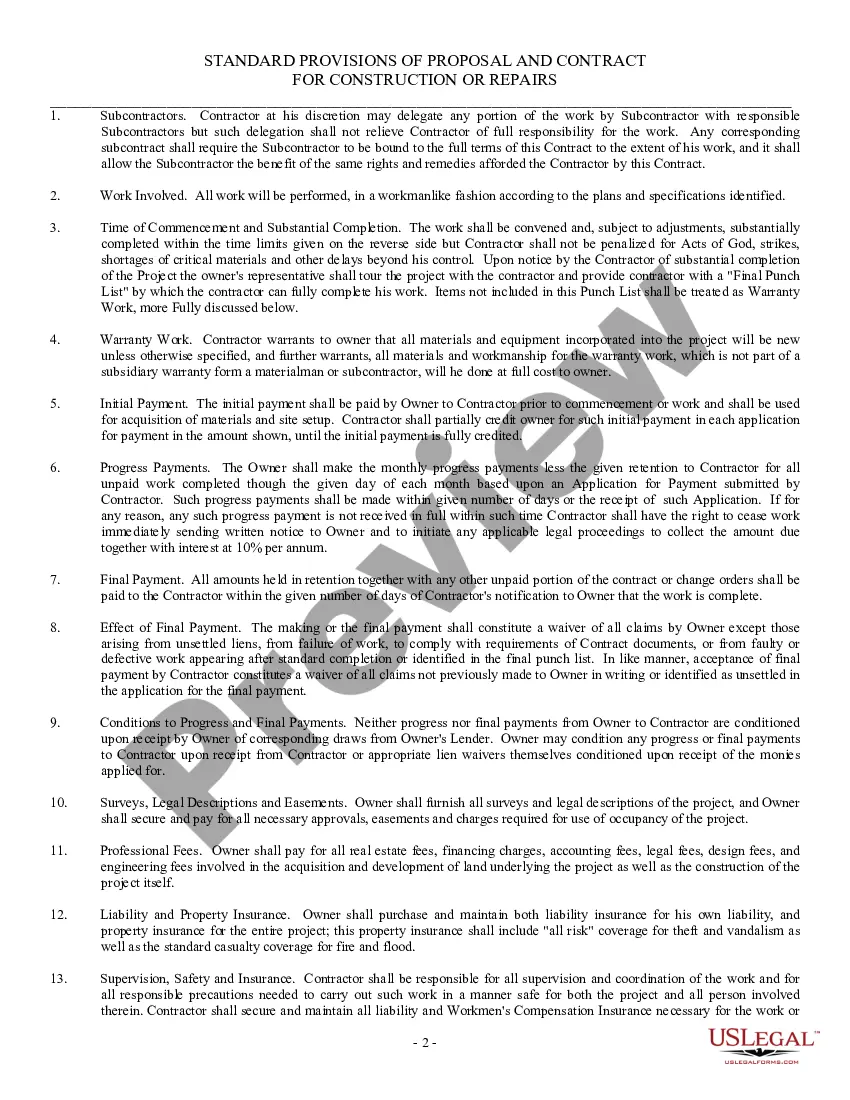

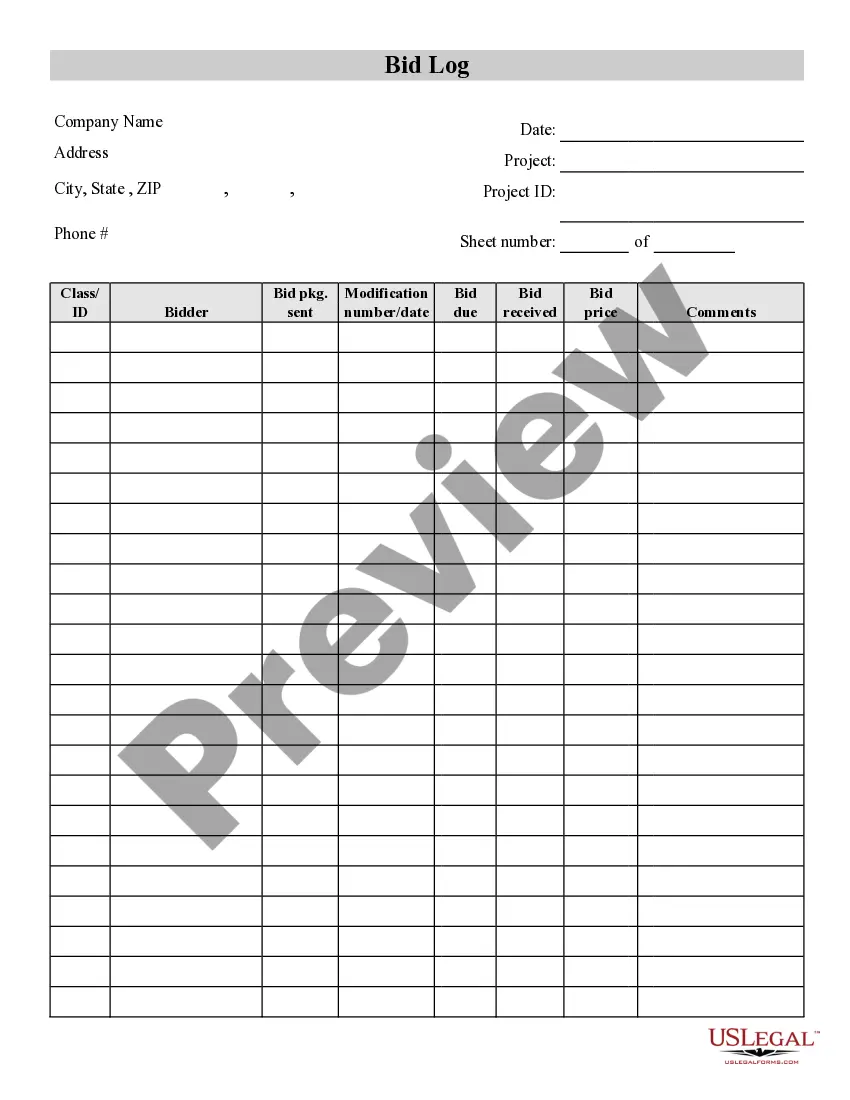
How to fill out Bid Proposal Form For Construction Of Building?
Managing legal documents can be exasperating, even for the most adept experts.
When you are searching for a Plan For Building and lack the time to seek the correct and updated edition, the processes can become overwhelming.
US Legal Forms accommodates any needs you may have, from personal to corporate documentation, all in one location.
Utilize cutting-edge tools to complete and manage your Plan For Building.
Here are the steps to follow once you have obtained the form you require: Verify that it is the correct form by previewing it and reviewing its description.
- Access a collection of articles, instructions, guides, and resources pertinent to your situation and needs.
- Conserve time and energy searching for necessary documents, and utilize US Legal Forms’ sophisticated search and Preview feature to find the Plan For Building you need and download it.
- If you hold a membership, Log In to your US Legal Forms account, locate the form, and download it.
- Check your My documents section to view the documents you have previously downloaded and manage your folders as necessary.
- If this is your first experience with US Legal Forms, register for an account and gain unlimited access to all platform benefits.
- A robust online form repository could significantly enhance efficiency for anyone facing these circumstances.
- US Legal Forms is a leading provider of online legal documents, featuring over 85,000 state-specific legal forms available to you at any moment.
- You can access a variety of state- or county-specific legal and business forms.
Form popularity
FAQ
Finding the building plans of your house typically involves reaching out to your local building department or city hall, where they may have the original plans on file. If you purchased your home recently, you may also ask the previous owner for any existing documentation. Additionally, you can utilize platforms like US Legal Forms to access templates that can help you create or find a suitable plan for building tailored to your home.
To find plans of a building, begin by checking with local authorities or the building's management, as they often keep records of the original plans. You can also explore historical archives or online databases dedicated to architectural plans. Online platforms like US Legal Forms provide templates and resources that can assist you in finding or drafting a plan for building.
Finding your building plan can be straightforward. Start by contacting your local building department, as they usually archive plans for properties. If you still cannot find it, consider using resources from US Legal Forms, which can help you create or access a plan for building based on your requirements.
To obtain your building plan, visit your local planning or zoning office, where they may have a copy on file. If you have purchased a home, the previous owner might also have provided the plans during the sale. For a broader search, online platforms such as US Legal Forms can assist you in locating or creating a plan for building that meets your specific needs.
To find plans for an existing building, start by checking with your local building department or municipal records office. They often maintain archived plans for buildings constructed within their areas. If those resources do not yield results, consider using online services like US Legal Forms, which may have templates or tools to help you obtain the necessary plans for building.
You can obtain building plans from several sources, including local government offices, architectural firms, and online databases. Many municipalities keep records of building plans for properties within their jurisdiction. Additionally, platforms like US Legal Forms offer access to various building plan templates, making it easier for you to find the right plan for building your project.
Whether $200,000 is enough to build a house largely depends on your location and the type of house you desire. In some areas, this budget can cover a modest home, while in others, it may fall short. It's essential to plan for building by considering not only construction costs but also permits, utilities, and landscaping. Exploring budget-friendly options and consulting professionals can help you make informed decisions.
To get a building plan, start by defining your needs and preferences. You can visit uslegalforms to explore various templates and resources tailored to your project. Additionally, consulting with architects or builders can provide insights to create a custom plan for building that suits your vision. Remember, having a clear plan is crucial for the success of your construction project.
You can draw up your own building plans, provided you understand the essential elements required for a complete design. It’s important to research local building codes and guidelines to ensure compliance. Utilizing tools and templates from US Legal Forms can aid in creating accurate and legal plans.
Reading a building plan for beginners starts with familiarizing yourself with common symbols and notations used in architectural drawings. Focus on understanding the layout, scale, and details provided. Resources from US Legal Forms can provide valuable insights and examples to help you become more proficient.