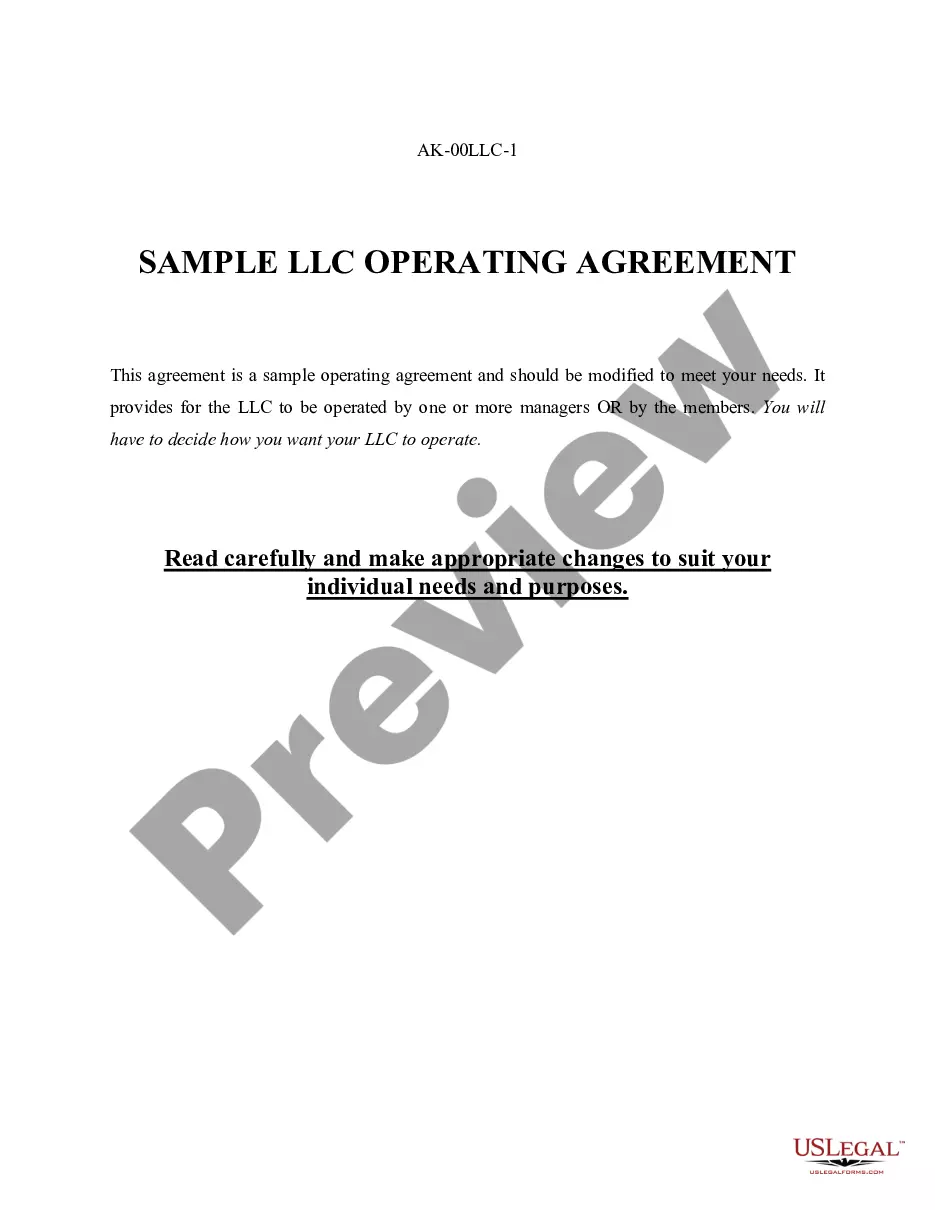
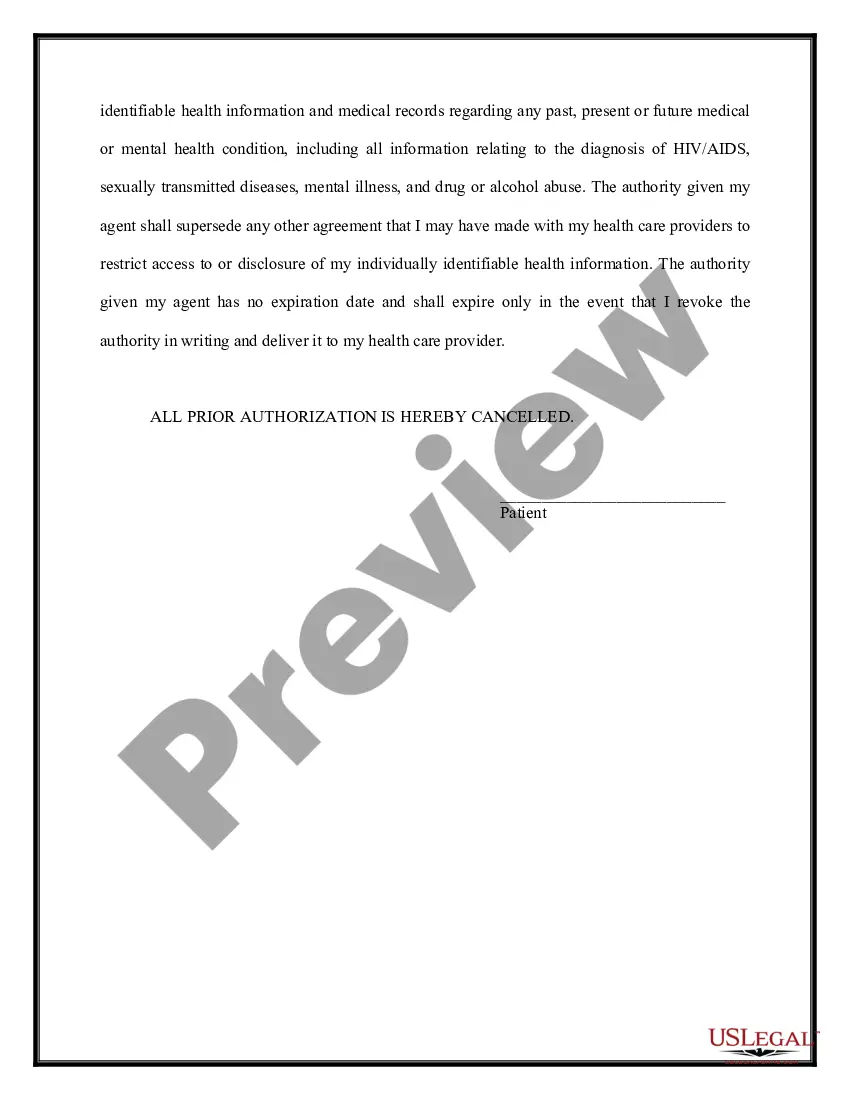
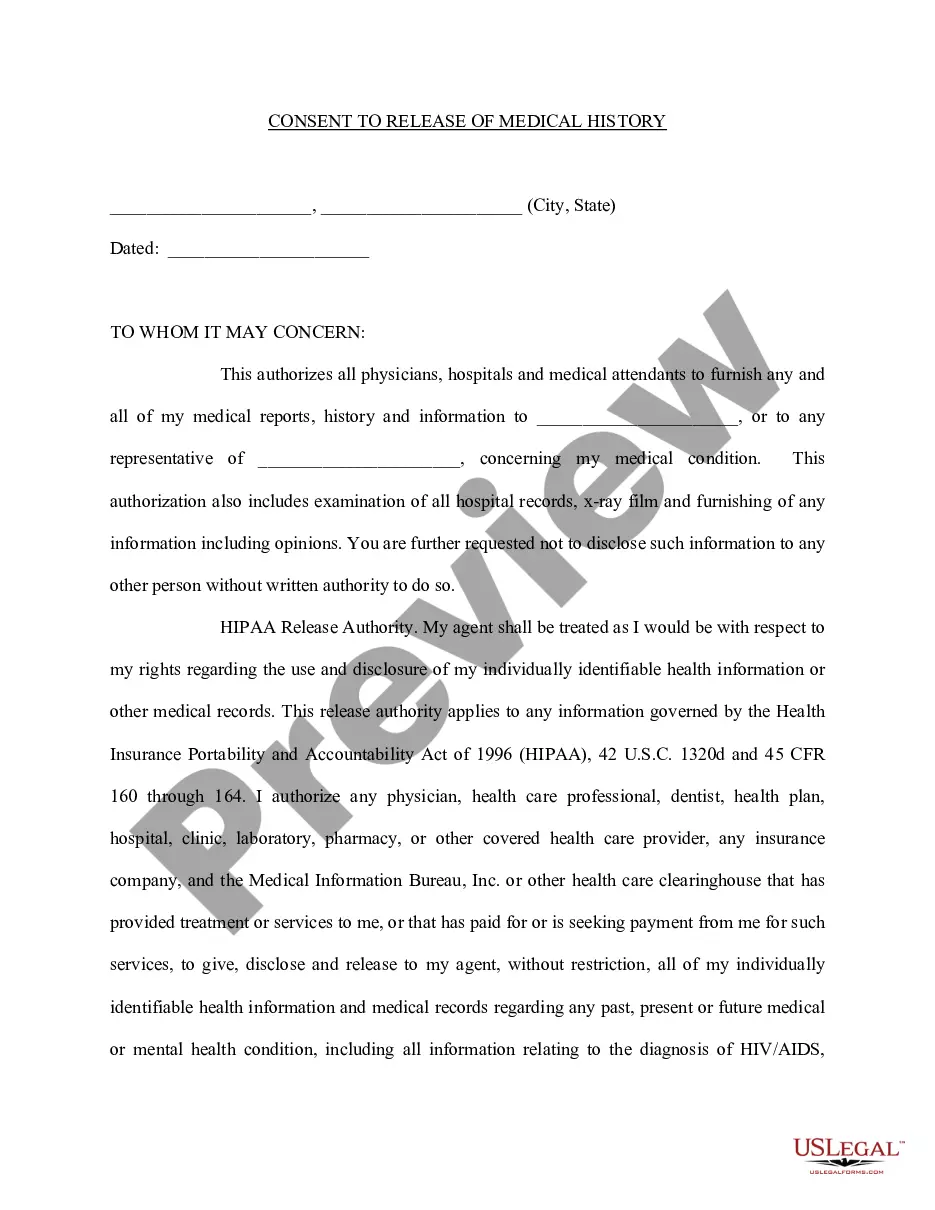
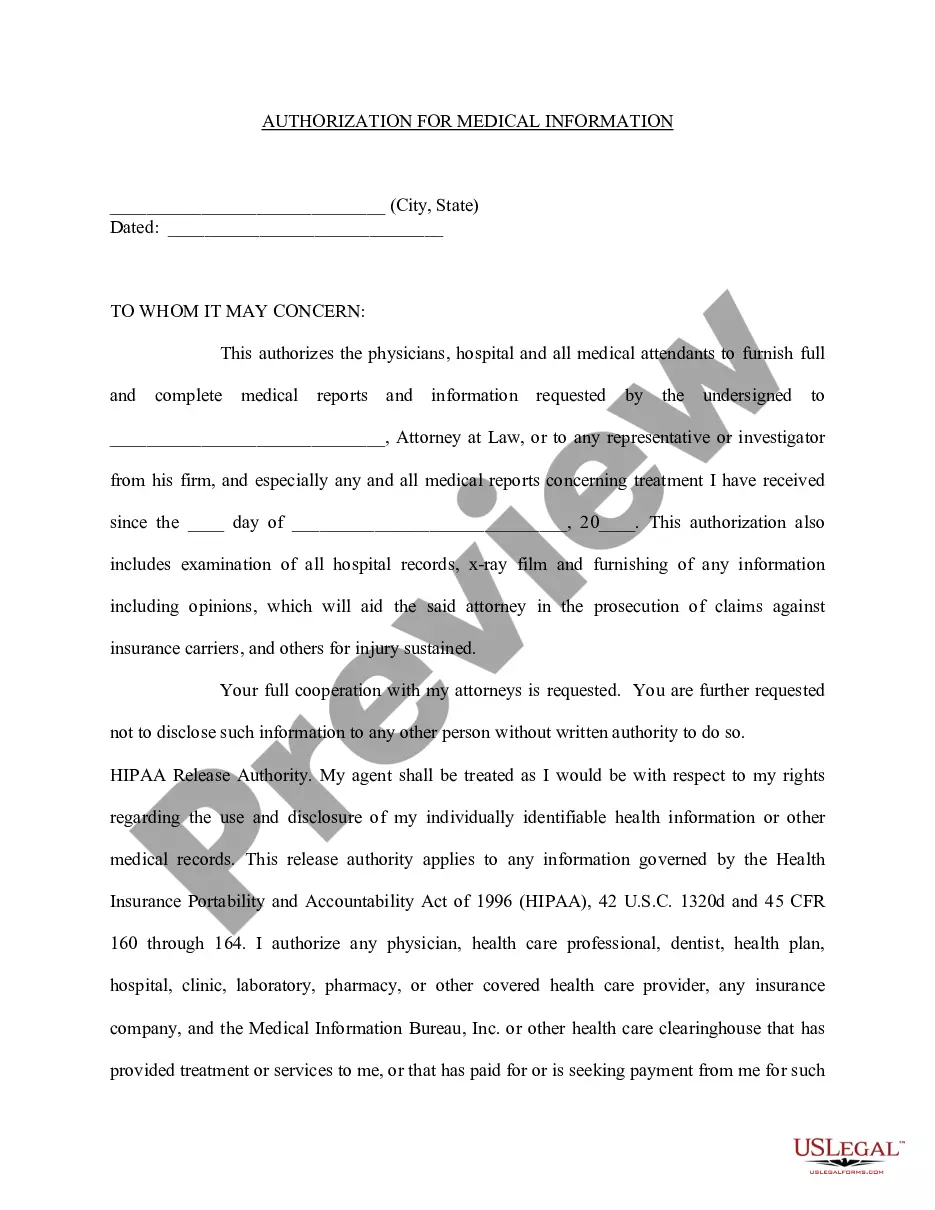
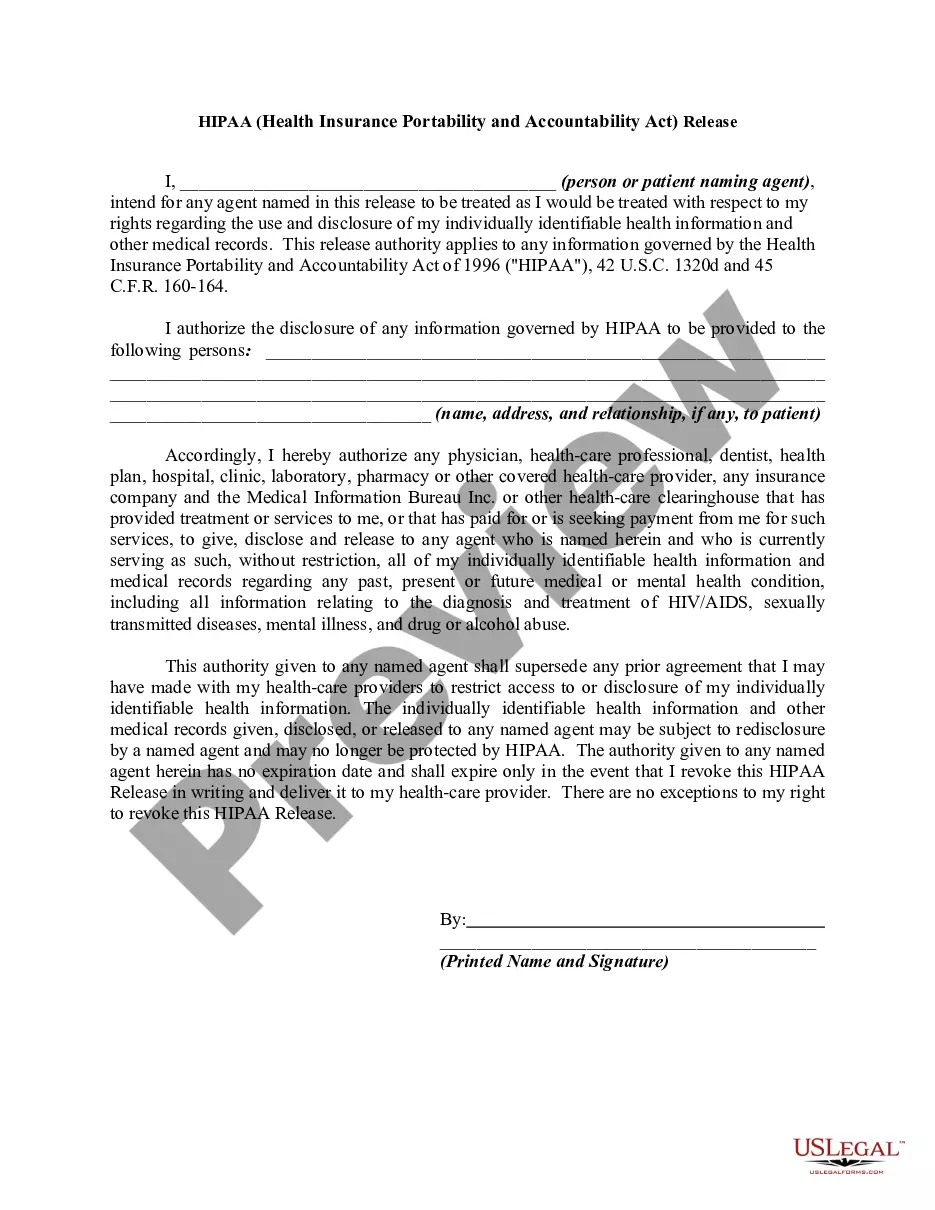
Medical Information Authorization Without In Fulton
Description

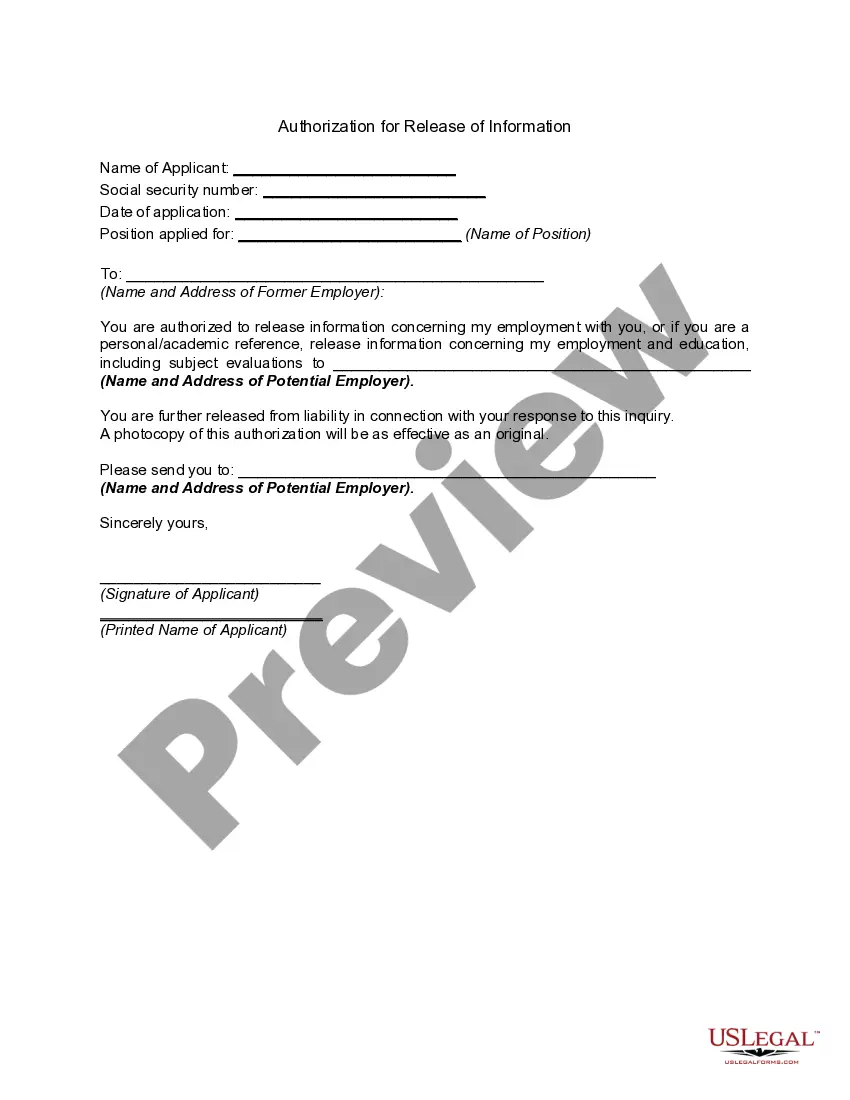
Get your form ready online
Our built-in tools help you complete, sign, share, and store your documents in one place.
Make edits, fill in missing information, and update formatting in US Legal Forms—just like you would in MS Word.
Download a copy, print it, send it by email, or mail it via USPS—whatever works best for your next step.
Sign and collect signatures with our SignNow integration. Send to multiple recipients, set reminders, and more. Go Premium to unlock E-Sign.
If this form requires notarization, complete it online through a secure video call—no need to meet a notary in person or wait for an appointment.
We protect your documents and personal data by following strict security and privacy standards.

Make edits, fill in missing information, and update formatting in US Legal Forms—just like you would in MS Word.

Download a copy, print it, send it by email, or mail it via USPS—whatever works best for your next step.

Sign and collect signatures with our SignNow integration. Send to multiple recipients, set reminders, and more. Go Premium to unlock E-Sign.

If this form requires notarization, complete it online through a secure video call—no need to meet a notary in person or wait for an appointment.

We protect your documents and personal data by following strict security and privacy standards.
Looking for another form?
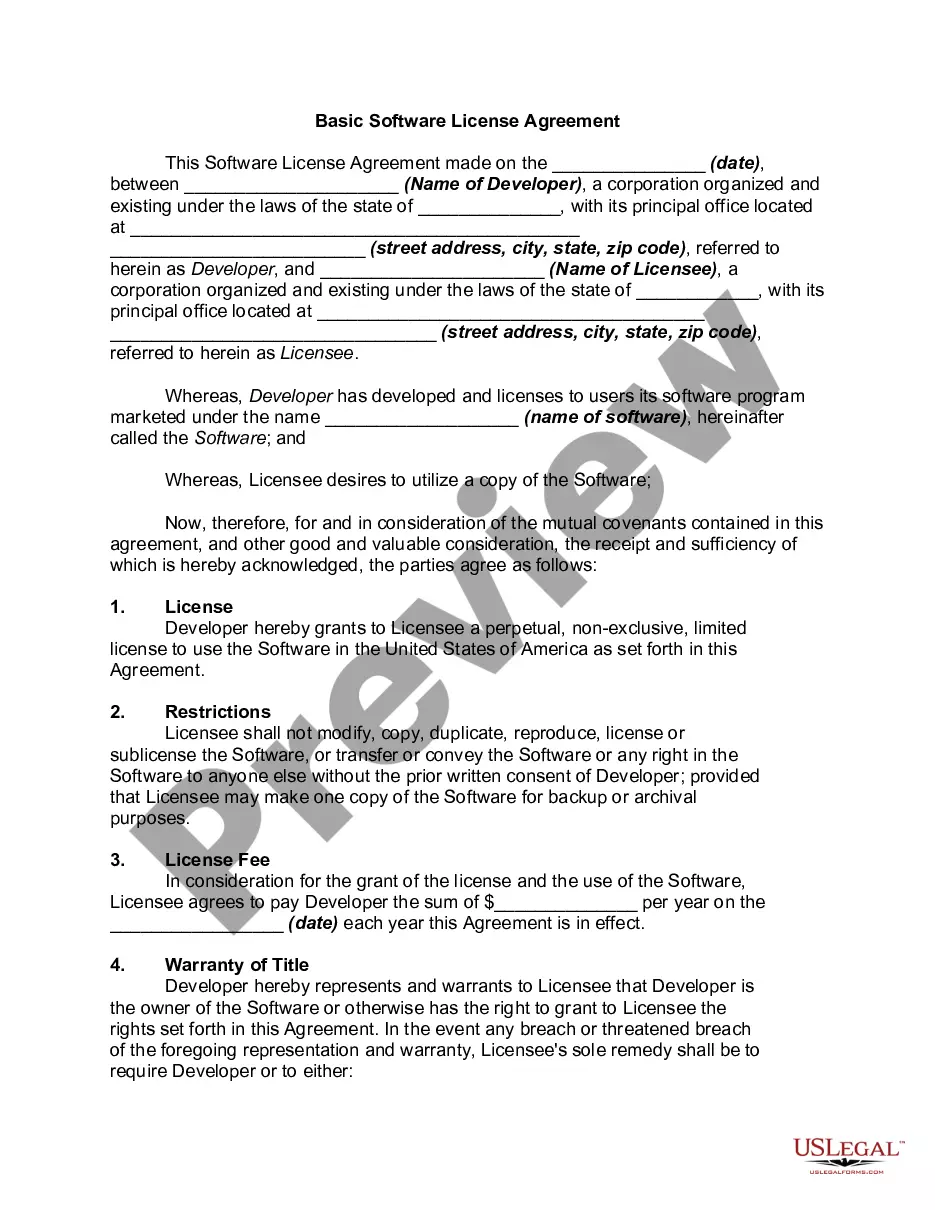

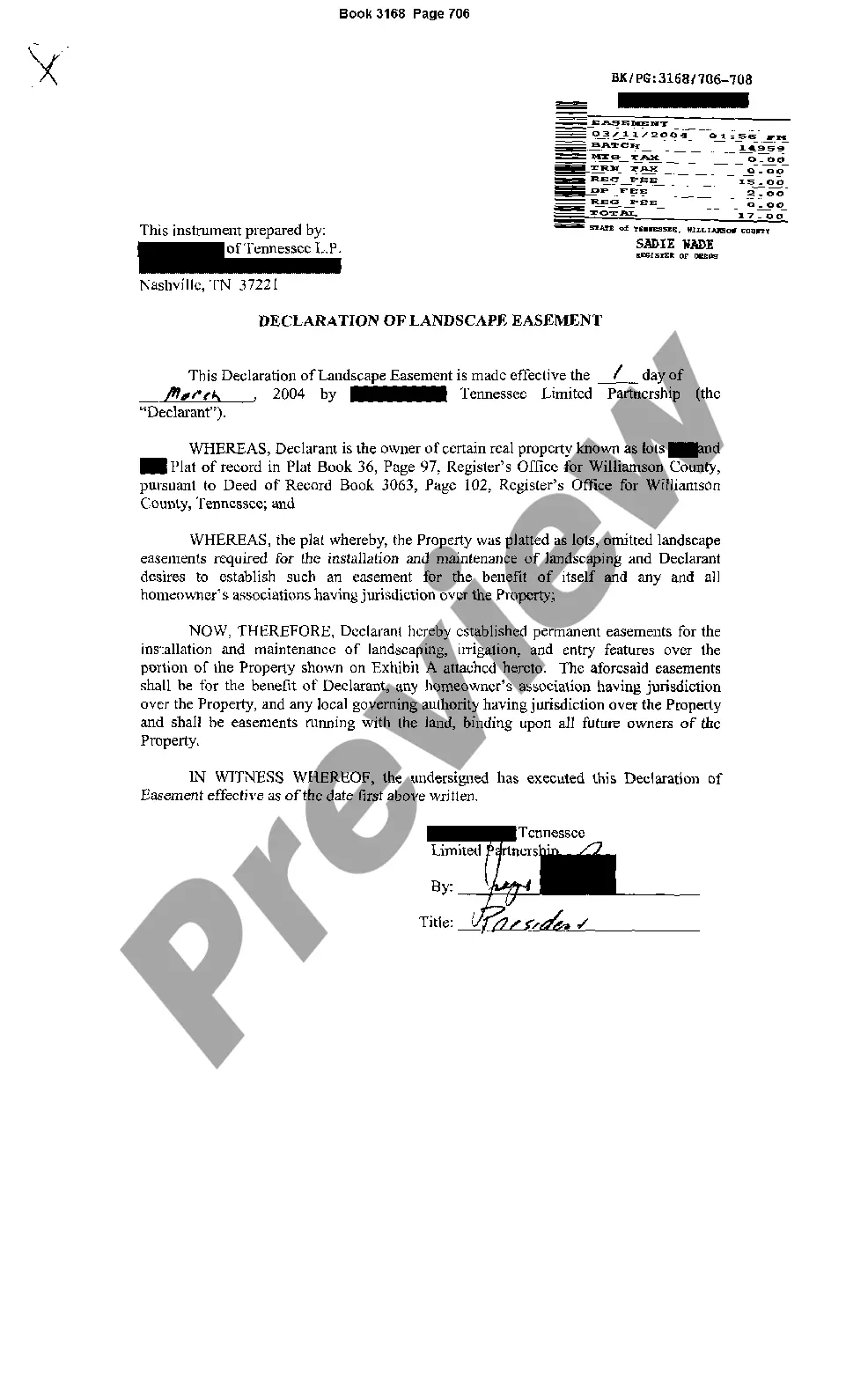






Form popularity
FAQ
Releasing Your Medical Records Format your letter. You can set up your letter like a standard business letter. Draft the authorization. State the time period for disclosures. Identify what information to release. Identify how long your authorization is effective. Include other general provisions. Sign the release.
Content for a valid authorization includes: The name of the person or entity authorized to make the request (usually the patient) The complete name of the person or entity to receive the protected health information (PHI) A specific description of the information to be used or disclosed, including the dates of service.
A valid authorization must be written in plain language and contain the following elements: A description of the information to be used or disclosed. The identification of the person authorized to make the requested use or disclosure. The name of the person to whom the entity may make the requested use or disclosure.
How do I fill out a HIPAA release form? Provide instructions. Name the patient and individual authorized to use or disclose their PHI. Describe the information. Specify recipients. Specify the purpose of disclosure. Specify the time period. Detail their revocation rights. Obtain the patient's signature.
Whether or not you should decline a HIPAA authorization request is event specific and can depend on the purpose of the HIPAA authorization request, the content of the authorization form, and the amount of information you have been given about who your information will be shared with.
Some of the crucial information in a release includes: Name of the parties involved, i.e., releasor and releasee. Detailed information about the project. Explicit information of the permissions granted. Any special considerations, including payment obligations or credit, if any. A space for all parties to sign.
If someone else wants to access your patient records, they must also get consent from you. You will have to sign an Authorization for Release of Medical Records form to give them permission. Schools may request a medical release form for student records, for example.
When is a HIPAA Release Form Required? Prior to any disclosure of PHI to a third party for any reason other than treatment, payment, or healthcare operations. Prior to any PHI that may be used in marketing or fundraising efforts. Prior to any PHI being shared for research purposes.
The HIPAA Security Rule requires physicians to protect patients' electronically stored, protected health information (known as “ePHI”) by using appropriate administrative, physical and technical safeguards to ensure the confidentiality, integrity and security of this information.
Authorization. A covered entity must obtain the individual's written authorization for any use or disclosure of protected health information that is not for treatment, payment or health care operations or otherwise permitted or required by the Privacy Rule.