Cease And Desist Letter For Debt Collection In Pima
Description

Get your form ready online
Our built-in tools help you complete, sign, share, and store your documents in one place.
Make edits, fill in missing information, and update formatting in US Legal Forms—just like you would in MS Word.
Download a copy, print it, send it by email, or mail it via USPS—whatever works best for your next step.
Sign and collect signatures with our SignNow integration. Send to multiple recipients, set reminders, and more. Go Premium to unlock E-Sign.
If this form requires notarization, complete it online through a secure video call—no need to meet a notary in person or wait for an appointment.
We protect your documents and personal data by following strict security and privacy standards.

Make edits, fill in missing information, and update formatting in US Legal Forms—just like you would in MS Word.

Download a copy, print it, send it by email, or mail it via USPS—whatever works best for your next step.

Sign and collect signatures with our SignNow integration. Send to multiple recipients, set reminders, and more. Go Premium to unlock E-Sign.

If this form requires notarization, complete it online through a secure video call—no need to meet a notary in person or wait for an appointment.

We protect your documents and personal data by following strict security and privacy standards.
Looking for another form?








Form popularity
FAQ
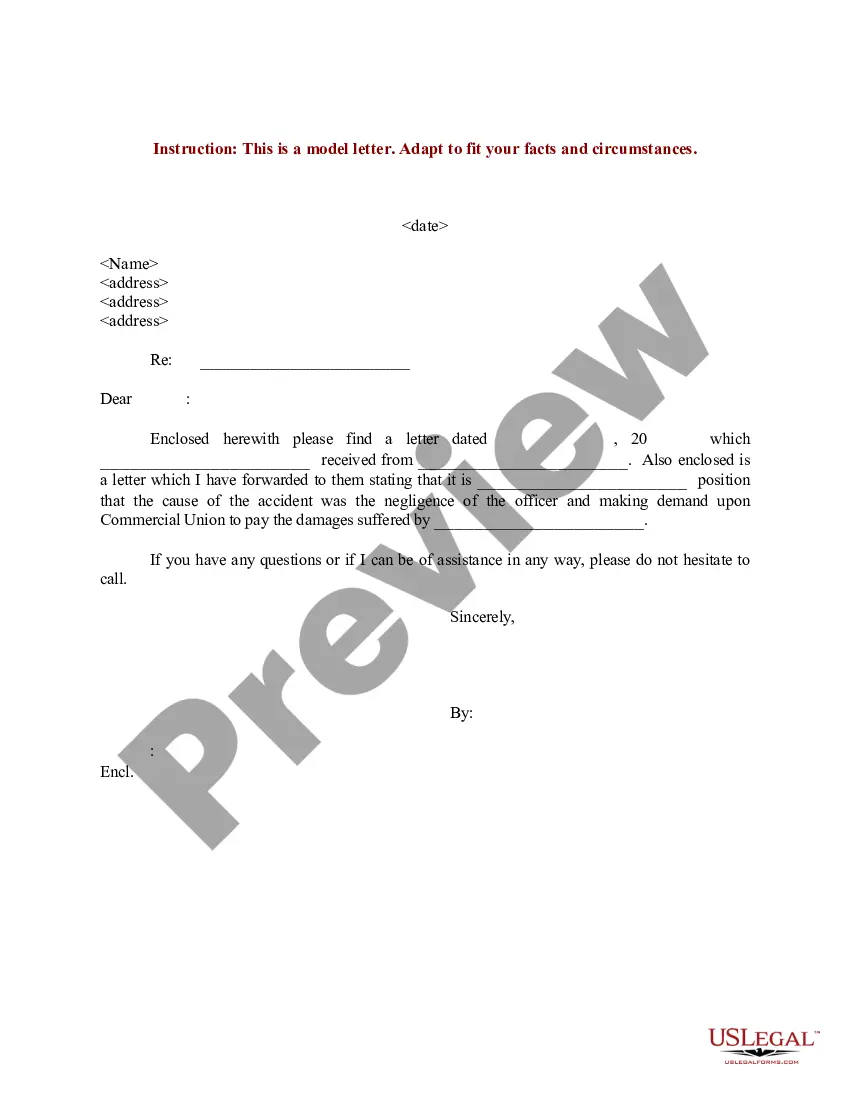
A cease and desist letter/notice is typically sent prior to any action being taken, placing the party on notice that IF they do not stop, legal action will be taken. Of course, there needs to be a legal basis to support it. If this owner has no basis to get you to stop, nothing would be ordered or done by the court.
How do I deliver a Cease and Desist Letter? Delivering the letter in person and obtain an Affidavit of Service. Hiring a process server to deliver the letter on your behalf (they will provide an Affidavit of Service or its equivalent upon delivery) Sending a copy of the letter to your attorney, if you have one.
Risks Of Ignoring A Cease And Desist Legal action can result in court orders, financial damages, or penalties, depending on the nature of the violation. Non-compliance with the demands outlined in the letter might also escalate the dispute, leading to increased legal fees and a prolonged resolution process.
Receiving a cease and desist letter is a serious issue. It indicates the sender's intention to pursue you for the alleged wrongdoing if you do not follow their demands. Receiving a cease and desist letter does not necessarily mean you will end up in Court.
A cease and desist letter is useful because it might stop its recipients from continuing their harmful action. If they don't, you have written documentation that you have notified them of the possible consequences of ignoring your request.
You can serve it via mail, email, an attorney and, in some cases, in person. However you choose to serve the letter, keep a record of delivery and receipt by the offending party. If you are sending the cease-and-desist letter yourself, send it via certified mail so that you have a record of delivery.
You can apply for Breathing Space, which stops the people you owe from writing to you while you deal with your debts. You cannot stop creditor contact completely. Some letters must be sent to you by law, like regular statements. Complain to the creditor if you think their letters are misleading.
The Fair Debt Collection Practices Act lays out the rules for debt collectors and states that if the creditor is told to stop contacting the debtor, they must comply. If the harassing calls and letters persist, a cease and desist letter can be sent by an attorney to formally advise the creditor to stop violating the de.
What is the 11 word credit loophole? The 11 word credit loophole does not exist, despite common misconceptions. If you're wondering, the phrase “Please cease and desist all calls and contact with me immediately” is often mistakenly believed to have special legal power.

