Slander And Libel On Facebook For Business In Philadelphia
Description

Get your form ready online
Our built-in tools help you complete, sign, share, and store your documents in one place.
Make edits, fill in missing information, and update formatting in US Legal Forms—just like you would in MS Word.
Download a copy, print it, send it by email, or mail it via USPS—whatever works best for your next step.
Sign and collect signatures with our SignNow integration. Send to multiple recipients, set reminders, and more. Go Premium to unlock E-Sign.
If this form requires notarization, complete it online through a secure video call—no need to meet a notary in person or wait for an appointment.
We protect your documents and personal data by following strict security and privacy standards.

Make edits, fill in missing information, and update formatting in US Legal Forms—just like you would in MS Word.

Download a copy, print it, send it by email, or mail it via USPS—whatever works best for your next step.

Sign and collect signatures with our SignNow integration. Send to multiple recipients, set reminders, and more. Go Premium to unlock E-Sign.

If this form requires notarization, complete it online through a secure video call—no need to meet a notary in person or wait for an appointment.

We protect your documents and personal data by following strict security and privacy standards.
Looking for another form?






Form popularity
FAQ
It's important to understand that it is not slanderous to make comments that hurt a person's reputation or business. It is only slanderous if the statements are false. If a defendant can show that the statements are true—or the plaintiff cannot show that the statements are false—a slander case will not be successful.
Even though your business generally cannot sue a blog, social media platform provider, etc. for false remarks made about you or your business, you can still sue whoever posted the defamatory remarks. If your business has been defamed online, you can and should address it.
The answer is yes, but you have to meet each of the four legal elements that define defamation of character. Your lawyer also has to present convincing evidence not only that the defendant made defamatory statements on Facebook but also that the statement has damaged your personal and/or professional reputation.
To be guilty of slander, the accused must have made these statements orally, such as through making false statements on the radio or TV, making false claims in a Facebook livestream or posted video, or spreading untrue claims about a person at work.
A business can be defamed when someone makes an outrageous and damaging statement about it that is not true. If a business suffers financially, the business owner can file a business defamation lawsuit against the individual who made the false statement.
Defamation on Facebook is generally a civil matter, not a criminal one. That means you can't press charges or send someone to jail over it. However, you can sue the defamer in court and recover monetary damages for the harm they caused.
To successfully bring a defamation claim in Pennsylvania, the plaintiff must prove several key elements: Defamatory Statement: The statement in question must be defamatory, meaning it would harm the reputation of the person or entity in the eyes of the community or lead others to avoid them.
In Pennsylvania, defamation is a legal cause of action that involves proving specific elements to establish a valid claim. If you or your business has been negatively impacted by defamatory statements, understanding your legal rights is essential before taking legal action.
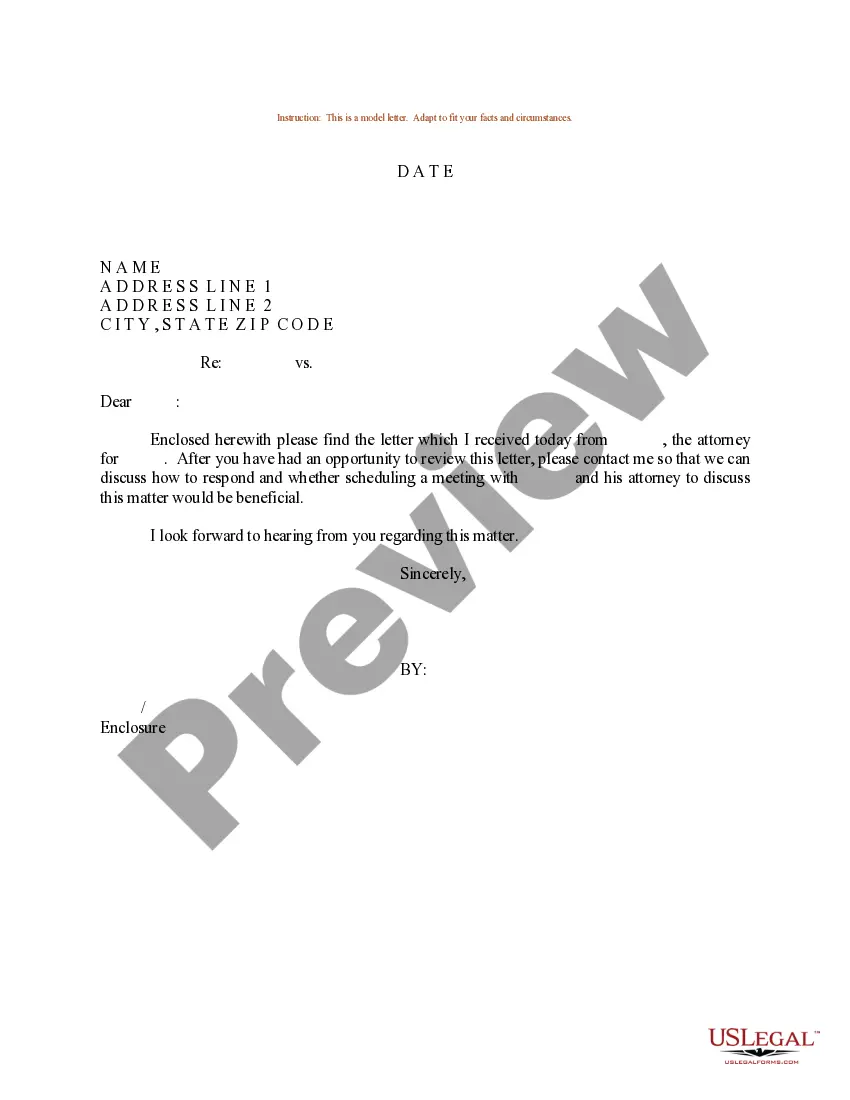
How to fill out the Cease And Desist Defamation Letter Template? Identify and insert the recipient's name in the designated area. Briefly describe the defamation incident in the appropriate section. Clearly state your request for them to cease all defamatory actions. Sign and date the letter at the bottom.
Understand Pennsylvania's Defamation Law The key elements a plaintiff must prove include: False Statement: The statement in question must be untrue. Truth is a complete defense to defamation claims. Publication: The statement must have been communicated to a third party.

