Write A Cease And Desist Letter For Slander In Maryland
Description



Form popularity
FAQ
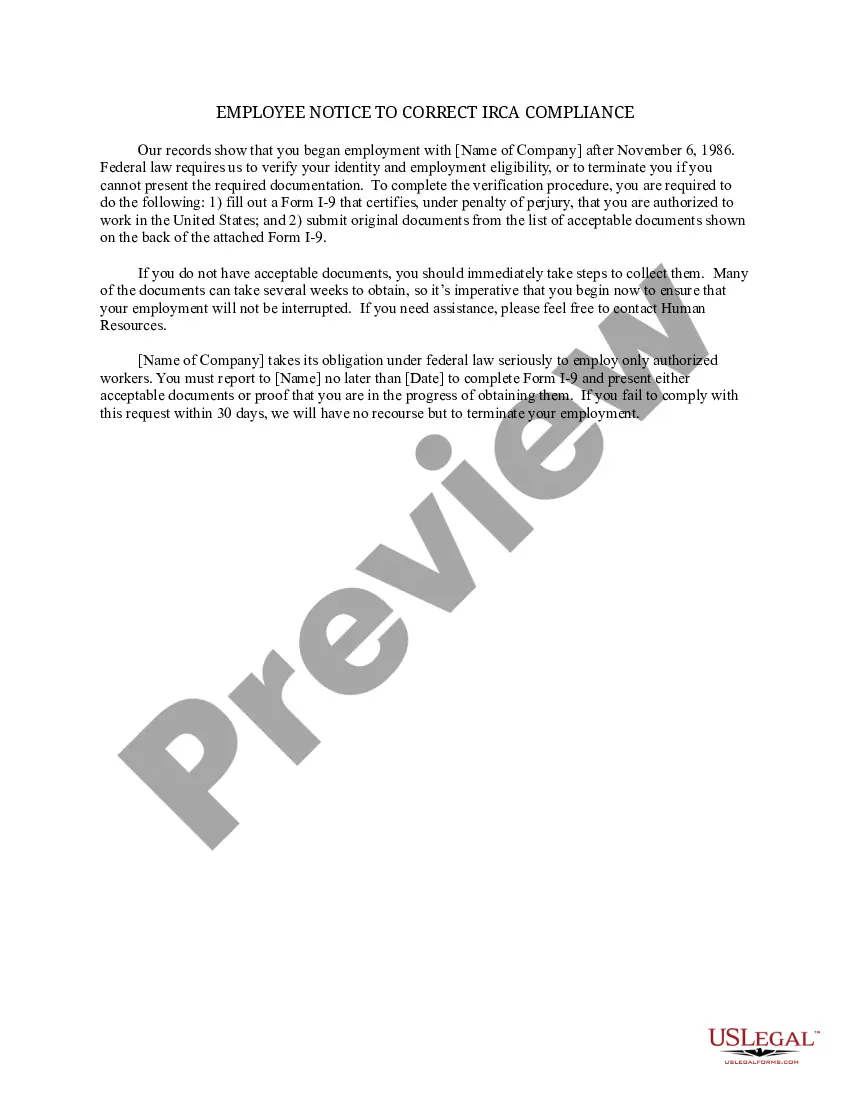
Receiving a cease and desist letter is a serious issue. It indicates the sender's intention to pursue you for the alleged wrongdoing if you do not follow their demands. Receiving a cease and desist letter does not necessarily mean you will end up in Court.
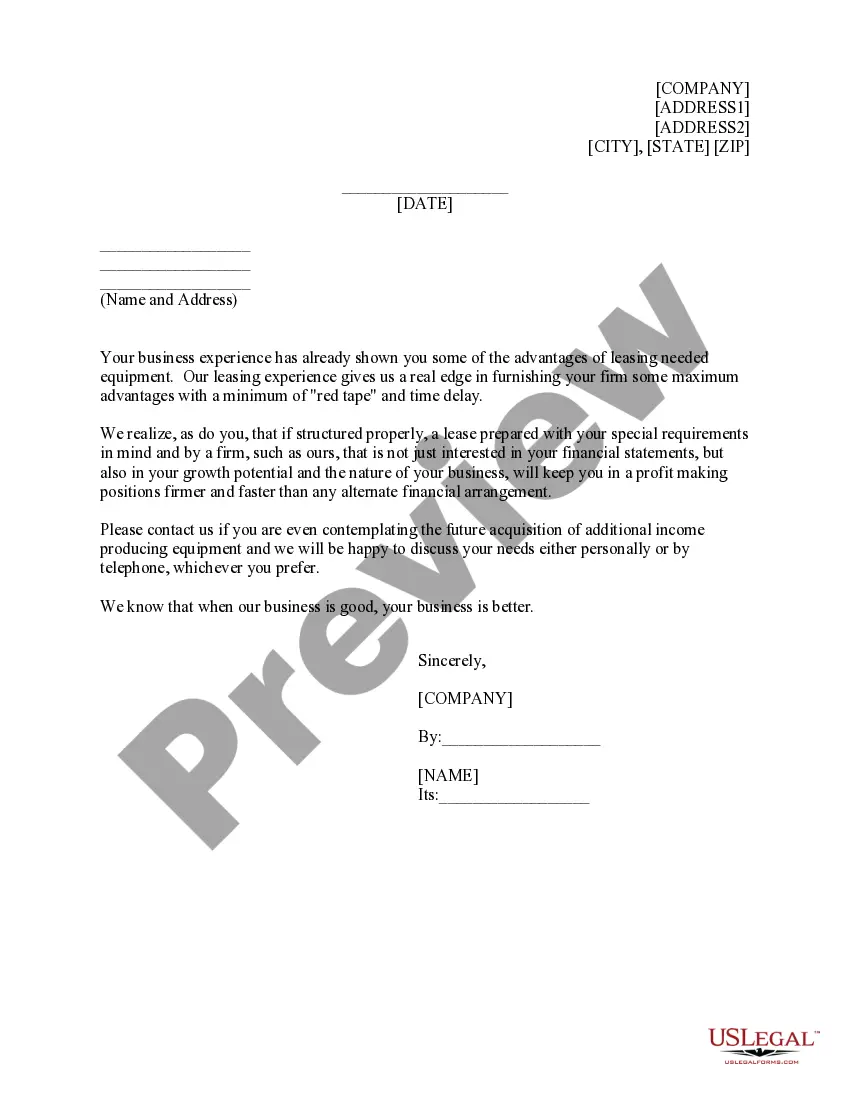
Cease and Desist Letters can be created and sent yourself, or by an attorney on your behalf, and they can be used for a wide variety of issues, including harassment, defamation (including slander or libel), or the unauthorized use of intellectual property.
This letter is an opportunity for you to: describe the statement, including why it's false. discuss the harm (financial and otherwise) you've suffered because of the defamatory statement. demand a certain dollar amount to resolve the matter (giving the defamer a chance to settle before you take the matter to court).
Your letter should ideally state the specific defamatory statement, the reasons why it is untrue, and the damage you're suffering. Also, give the recipient a deadline by which they must retract their statements before you will need to take legal action.
THEREFORE, you are hereby requested to immediately cease and desist illegal defamation, slander and/or libel and within 10 business days, return the signed written assurance below affirming that you will refrain from any further acts of defamation, slander and/or libel with regards to my character and/or reputation.
How to Write a Cease and Desist Letter Step 1: Use a Professional Format. Step 2: Address the Recipient. Step 3: Clearly State the Purpose. Step 4: Describe the Behavior. Step 5: Explain Why the Behavior is Unwanted. Step 6: Demand Immediate Cessation. Step 7: Specify Consequences. Step 8: Request Confirmation.
To state a claim for defamation under Maryland law, a plaintiff must allege (1) that “the defendant made a defamatory statement to a third person,” (2) that “the statement was false,” (3) that “the defendant was legally at fault in making the statement,” and (4) that “the plaintiff suffered harm.” Lindenmuth v.
Send a Cease and Desist Letter They can always decide to ignore the demand, in which case you would have to take the matter to court, but a strongly-worded letter from an intimidating law firm is often enough to get a defamatory article retracted or social media post deleted.
Stay Calm : Don't react impulsively. Gather Information : Understand the details of the gossip or slander. Maintain Professionalism : Keep your composure and avoid retaliating. Address the Source : If appropriate, consider speaking directly to the person spreading the rumors.
Your letter should ideally state the specific defamatory statement, the reasons why it is untrue, and the damage you're suffering. Also, give the recipient a deadline by which they must retract their statements before you will need to take legal action.

