Slander With Malicious Intent In Maryland
Description

Get your form ready online
Our built-in tools help you complete, sign, share, and store your documents in one place.
Make edits, fill in missing information, and update formatting in US Legal Forms—just like you would in MS Word.
Download a copy, print it, send it by email, or mail it via USPS—whatever works best for your next step.
Sign and collect signatures with our SignNow integration. Send to multiple recipients, set reminders, and more. Go Premium to unlock E-Sign.
If this form requires notarization, complete it online through a secure video call—no need to meet a notary in person or wait for an appointment.
We protect your documents and personal data by following strict security and privacy standards.

Make edits, fill in missing information, and update formatting in US Legal Forms—just like you would in MS Word.

Download a copy, print it, send it by email, or mail it via USPS—whatever works best for your next step.

Sign and collect signatures with our SignNow integration. Send to multiple recipients, set reminders, and more. Go Premium to unlock E-Sign.

If this form requires notarization, complete it online through a secure video call—no need to meet a notary in person or wait for an appointment.

We protect your documents and personal data by following strict security and privacy standards.
Looking for another form?
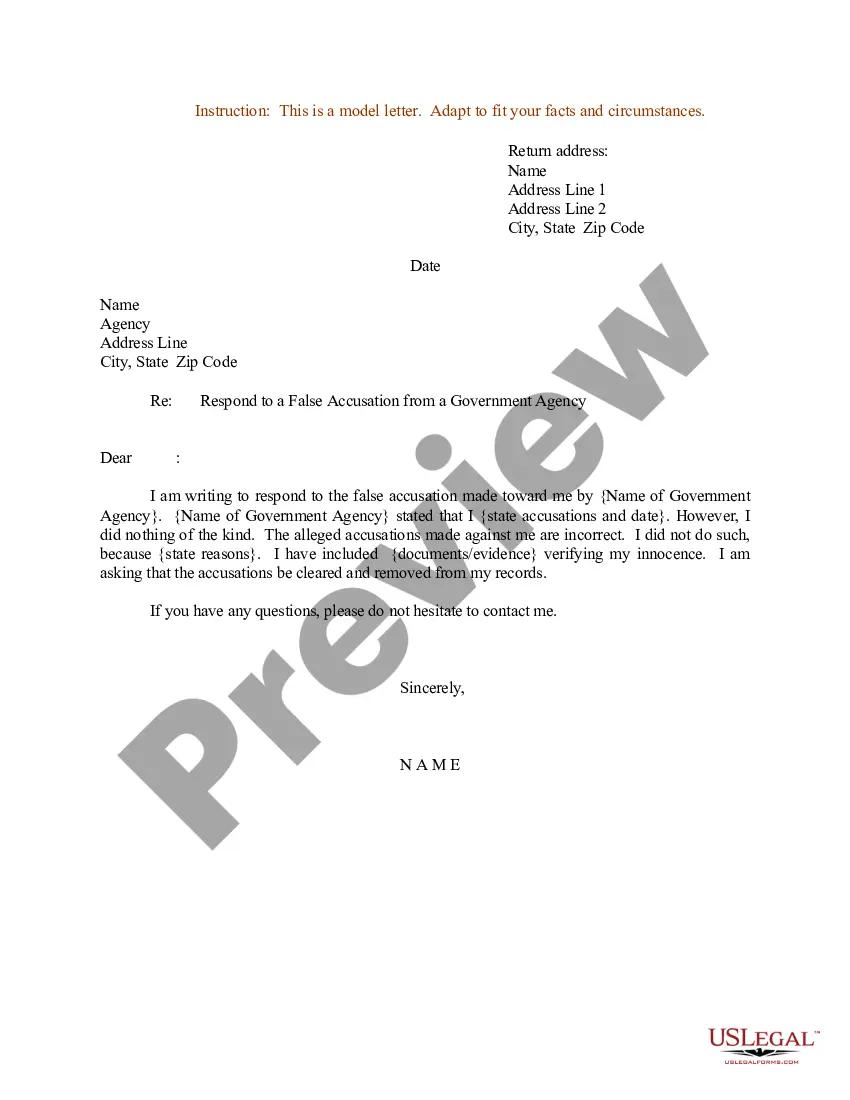


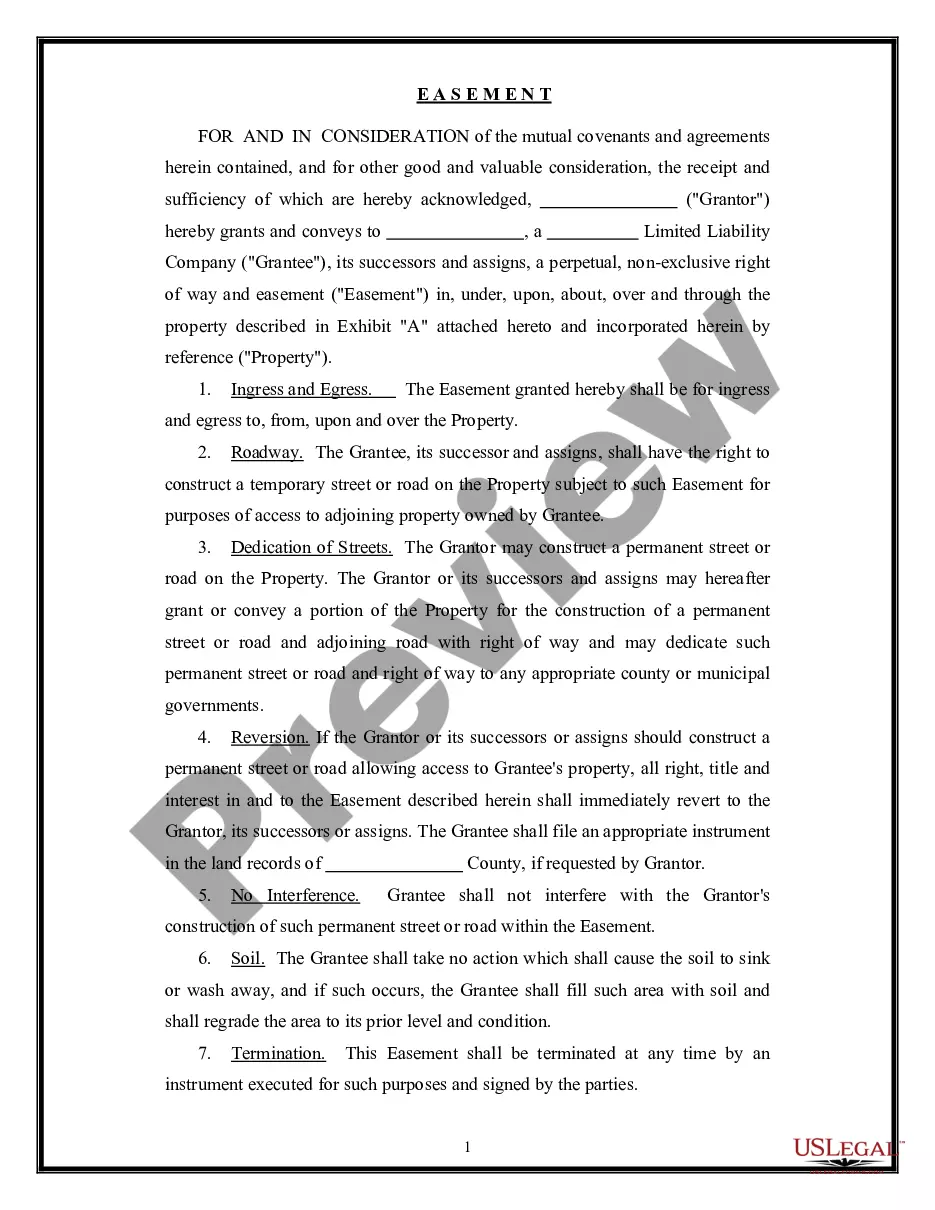




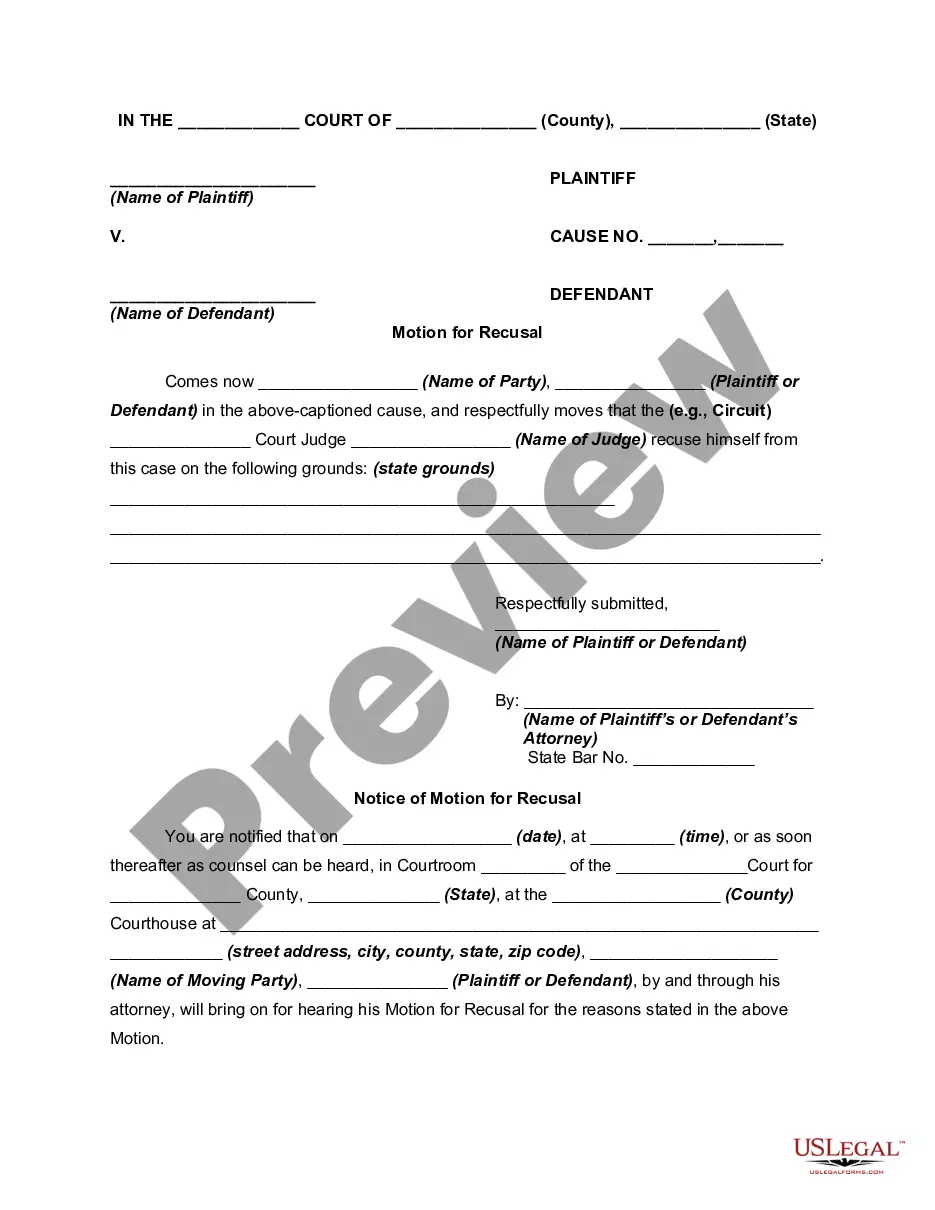

Form popularity
FAQ
Malicious intent refers to a deliberate and intentional desire to cause harm, damage, or injury to someone or something. It is a type of misconduct that is not driven by ignorance or laziness, but rather by a conscious decision to act in a harmful manner.From: Fraud and Misconduct in Biomedical Research 2019
Actual malice is one of the two levels of fault that apply in a defamation case. It means the speaker knew they were making a materially and substantially false statement. They spoke with knowledge that what they said was false, or they spoke with reckless disregard to whether it was false or not.
Malicious falsehood is defined as a false statement that is made maliciously (intentionally with knowledge of its falsehood, or with reckless disregard for the truth). When malicious falsehood occurs, it can give rise to a civil lawsuit for either libel or slander.
To succeed in a claim for punitive damages, the plaintiff must demonstrate that the defendant's conduct was characterized by “actual malice.” This means that the plaintiff must prove, by clear and convincing evidence, that the defendant acted with evil intent, ill will, or a deliberate intent to harm.
Libel is an untrue defamatory statement that is made in writing. Slander is an untrue defamatory statement that is spoken orally. The difference between defamation and slander is that a defamatory statement can be made in any medium. It could be in a blog comment or spoken in a speech or said on television.
Slander of title only arises when an individual makes statements that he or she knows are false or makes statements that he or she knows might be false with the intent to harm the victim.
General Statutes of Limitations for Some Common Situations: Type of Claim, and Time LimitStatutory Code Courts and Judicial Proceedings (CJS) Judgments - 12 years CJS, § 5-102 Written Contracts Under Seal - 12 years CJS, § 5-102 Recover Land Trespassed Upon - 20 years CJS, § 5-10312 more rows •
Actual malice is one of the two levels of fault that apply in a defamation case. It means the speaker knew they were making a materially and substantially false statement.
In Maryland, to win a slander or libel lawsuit, public figures must prove the existence of actual malice on the part of the defendant. Private figures, however, only have to prove negligence on the part of the defendant.

