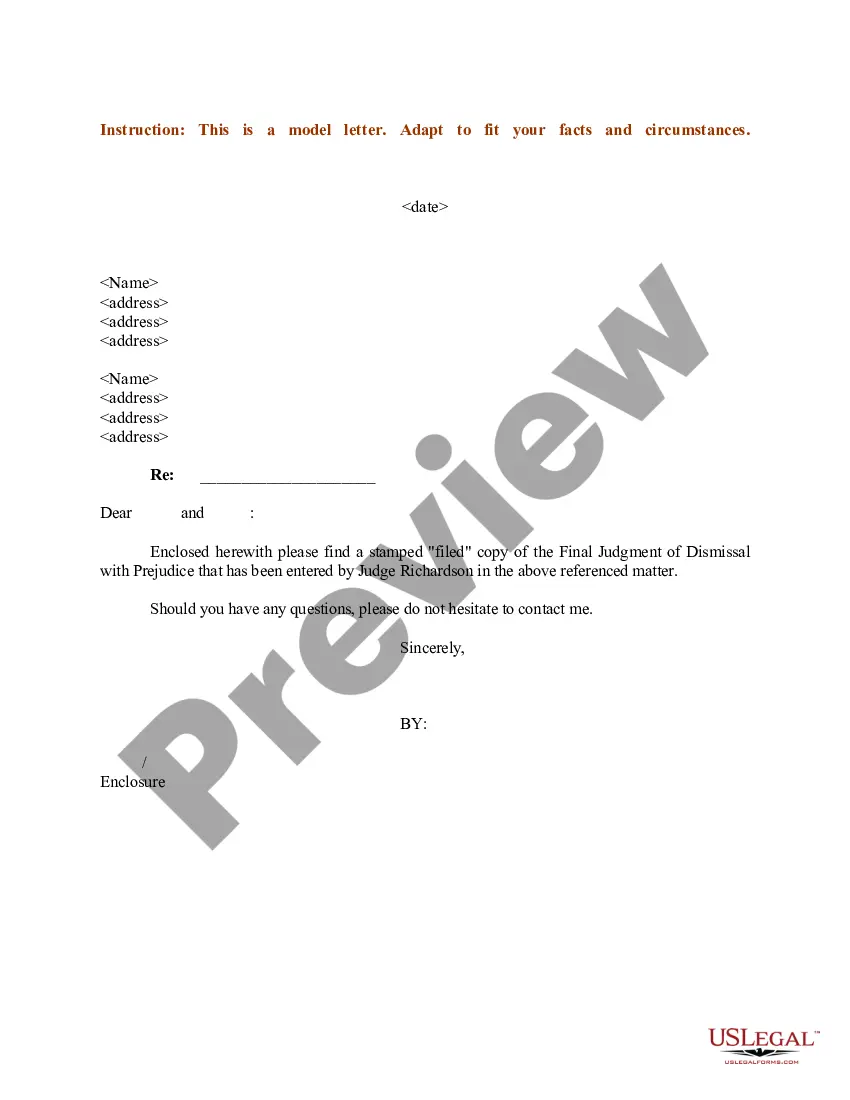
Sample Defamation Letter With Attorney In Bexar
Description

Get your form ready online
Our built-in tools help you complete, sign, share, and store your documents in one place.
Make edits, fill in missing information, and update formatting in US Legal Forms—just like you would in MS Word.
Download a copy, print it, send it by email, or mail it via USPS—whatever works best for your next step.
Sign and collect signatures with our SignNow integration. Send to multiple recipients, set reminders, and more. Go Premium to unlock E-Sign.
If this form requires notarization, complete it online through a secure video call—no need to meet a notary in person or wait for an appointment.
We protect your documents and personal data by following strict security and privacy standards.

Make edits, fill in missing information, and update formatting in US Legal Forms—just like you would in MS Word.

Download a copy, print it, send it by email, or mail it via USPS—whatever works best for your next step.

Sign and collect signatures with our SignNow integration. Send to multiple recipients, set reminders, and more. Go Premium to unlock E-Sign.

If this form requires notarization, complete it online through a secure video call—no need to meet a notary in person or wait for an appointment.

We protect your documents and personal data by following strict security and privacy standards.
Looking for another form?






Form popularity
FAQ
As a general rule, a suit in Justice Court must be brought in the county and in the Justice of the Peace precinct in which the defendant resides; in the county and Justice of the Peace precinct where the incident that gave rise to the claim occurred; the county and Justice of the Peace precinct where the contract, if ...
Rule 500.4 of the Texas Rules of Civil Procedure governs who may represent a party in justice court: An individual who is a party may be represented by: Himself or herself, An attorney, or.
To file online, go to E-File Texas ( ) 11 and follow the instructions. To file in person, take your answer (and copies) to the district clerk's office in the county where the plaintiff filed the case. At the clerk's office: Turn in your answer form (and copies).
How can the respondent be served? Personal Service. (This method is best.) Service by Registered or Certified Mail, Return Receipt Requested. Substituted Service by Court Order. Service by Posting (no kids). Service by Publication (with kids).
You can sue for most civil matters in which the amount in controversy is not more than $20,000, exclusive of interest. You cannot ask for a divorce in Justice Court, nor can you sue for slander or defamation, or to recover title to land, or enforce a lien on land.
Rule 306a. Date of Judgment or Order (1981) Judges, attorneys and clerks are directed to use their best efforts to cause all judgments, decisions, and orders of any kind to be reduced to writing and signed by the trial judge with the date of signing stated therein.
Parties without lawyers can also file case documents in person at the Court during normal business hours or by mail. Most case documents are posted to the Court's website, except clerk's records, reporter's records, and sealed documents. You can search for your case at search.txcourts/.
Small Claims Cases in Texas Justice courts provide a more informal setting than the higher-level courts, so parties will often represent themselves rather than hiring an attorney. The limit to the amount that a person can sue for in small claims cases is $20,000.
What Happens if I Lose My Small Claims Case? If the judgment is in favor of the defendant, you can file a motion for new trial within 14 days of the judgment. That means that you want a “do over” in the same justice court. You would need to show that justice wasn't done in the original case.

