Overpayment Forgiveness Letter In Suffolk
Description
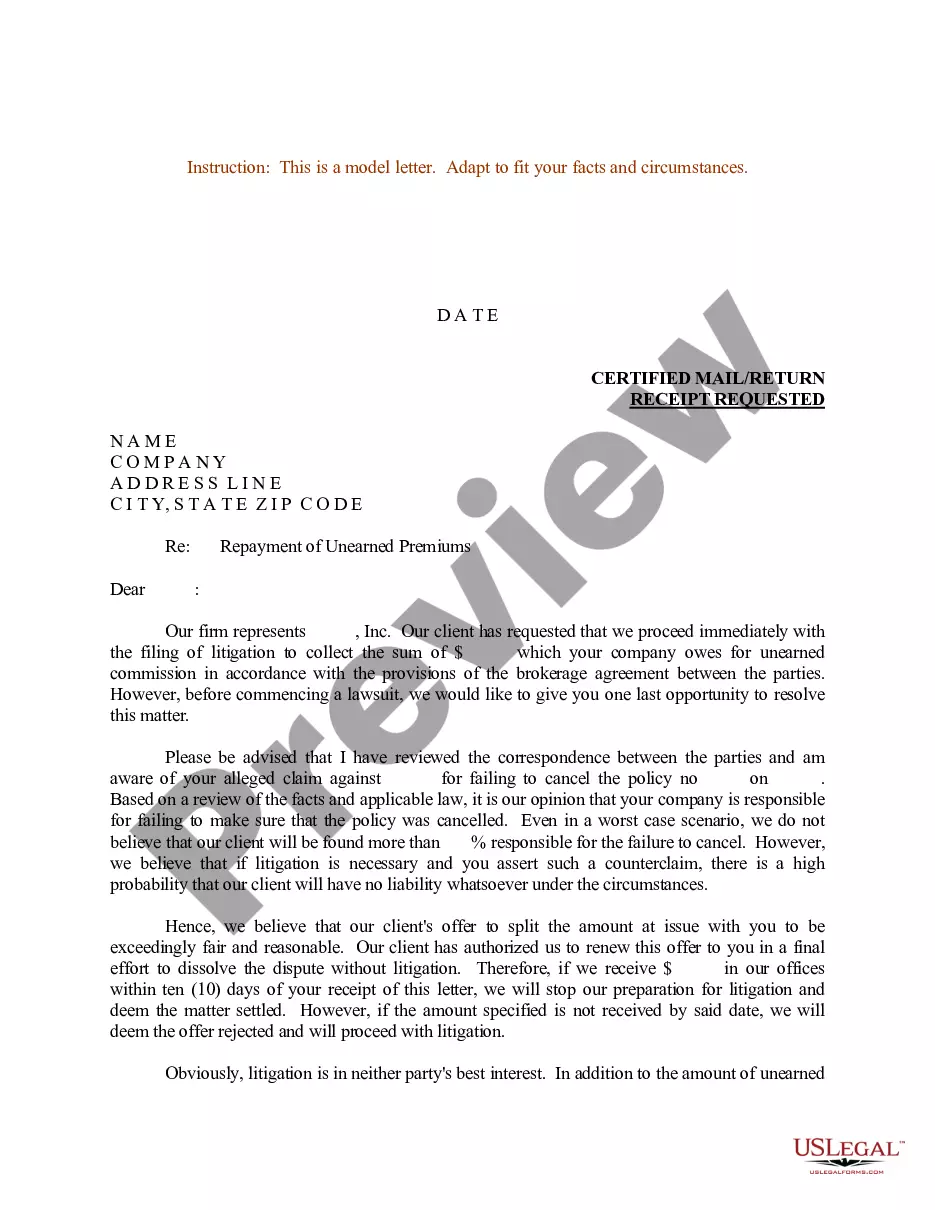
Get your form ready online
Our built-in tools help you complete, sign, share, and store your documents in one place.
Make edits, fill in missing information, and update formatting in US Legal Forms—just like you would in MS Word.
Download a copy, print it, send it by email, or mail it via USPS—whatever works best for your next step.
Sign and collect signatures with our SignNow integration. Send to multiple recipients, set reminders, and more. Go Premium to unlock E-Sign.
If this form requires notarization, complete it online through a secure video call—no need to meet a notary in person or wait for an appointment.
We protect your documents and personal data by following strict security and privacy standards.

Make edits, fill in missing information, and update formatting in US Legal Forms—just like you would in MS Word.

Download a copy, print it, send it by email, or mail it via USPS—whatever works best for your next step.

Sign and collect signatures with our SignNow integration. Send to multiple recipients, set reminders, and more. Go Premium to unlock E-Sign.

If this form requires notarization, complete it online through a secure video call—no need to meet a notary in person or wait for an appointment.

We protect your documents and personal data by following strict security and privacy standards.
Looking for another form?









Form popularity
FAQ
How long can DWP Debt Management chase me for a debt? The standard time in which debts should be reclaimed by the DWP is six years. You can put in a defence if they issue you a county court claim for a benefit overpayment older than six years. Seek legal advice for this.
The DWP can agree to waiver (write off) the overpayment. However this will usually only be done in exceptional circumstances where recovery action will result in severe welfare issues for you or your family. The DWP will also look into the circumstances of the overpayment.
If a customer has overpaid you, the overpayment would usually be allocated to the customer's next invoice. It is, therefore, an exceptionally rare practice to write off an overpayment.
The DWP can agree to waiver (write off) the overpayment. However this will usually only be done in exceptional circumstances where recovery action will result in severe welfare issues for you or your family.

