Sample Overpayment Letter To Customer For Their Support In Franklin
Description
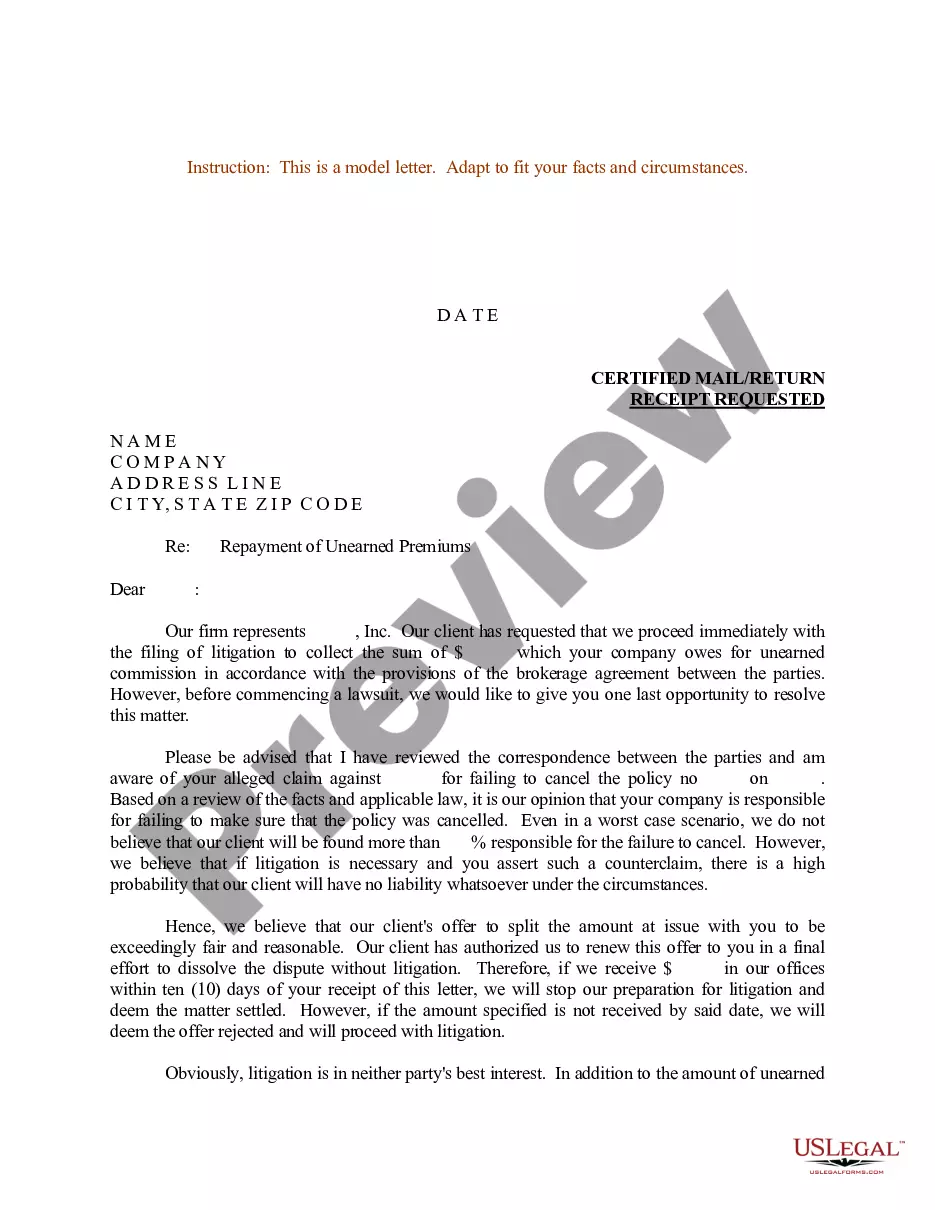
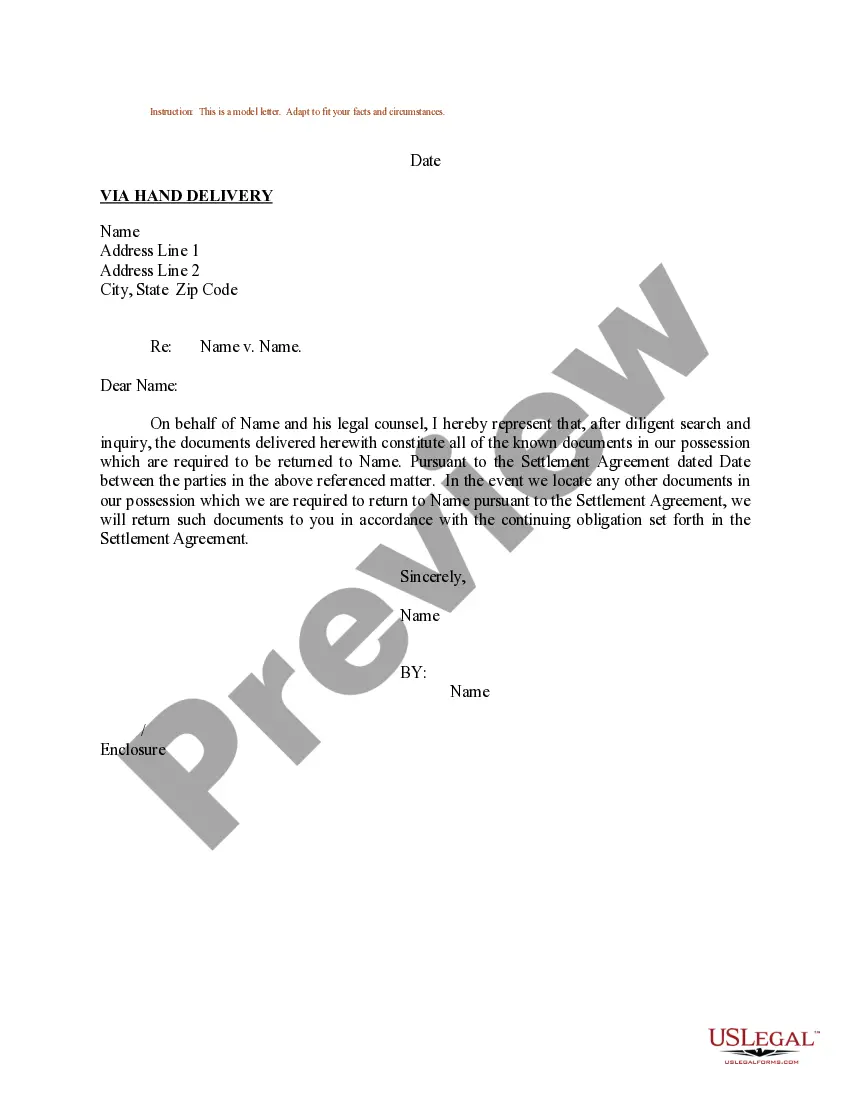
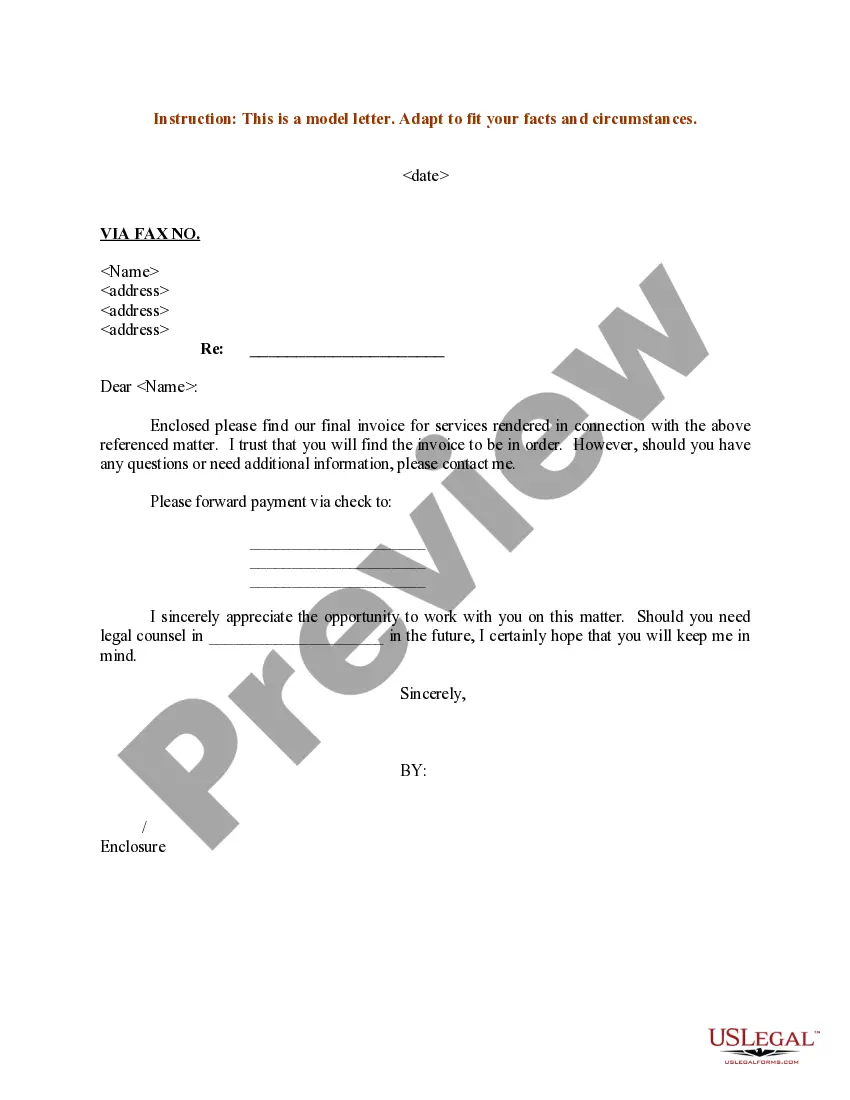
Get your form ready online
Our built-in tools help you complete, sign, share, and store your documents in one place.
Make edits, fill in missing information, and update formatting in US Legal Forms—just like you would in MS Word.
Download a copy, print it, send it by email, or mail it via USPS—whatever works best for your next step.
Sign and collect signatures with our SignNow integration. Send to multiple recipients, set reminders, and more. Go Premium to unlock E-Sign.
If this form requires notarization, complete it online through a secure video call—no need to meet a notary in person or wait for an appointment.
We protect your documents and personal data by following strict security and privacy standards.

Make edits, fill in missing information, and update formatting in US Legal Forms—just like you would in MS Word.

Download a copy, print it, send it by email, or mail it via USPS—whatever works best for your next step.

Sign and collect signatures with our SignNow integration. Send to multiple recipients, set reminders, and more. Go Premium to unlock E-Sign.

If this form requires notarization, complete it online through a secure video call—no need to meet a notary in person or wait for an appointment.

We protect your documents and personal data by following strict security and privacy standards.
Looking for another form?








Form popularity
FAQ
If you've reconciled the 2nd payment as an overpayment or anything like that, then just Remove and Redo it. Many businesses would reconcile the second payment and it's refund both to Sales, then they would cancel each other out. Other businesses use some kind of suspense account.
When a business receives an overpayment, it is required to notify the customer and to offer to refund the excess amount or apply it as a credit toward a future invoice. The agreed-upon resolution should be documented and implemented quickly.
Let them know as soon as possible and immediately offer a way to resolve the overpayment, either as crediting their next invoice or issuing a credit.
It may happen at some point that a customer misreads their invoice and accidentally overpays. If this happens, you'll need to provide a refund.
When a business receives an overpayment, it is required to notify the customer and to offer to refund the excess amount or apply it as a credit toward a future invoice. The agreed-upon resolution should be documented and implemented quickly.
State the purpose of the letter upfront. Provide a concise summary of the issue and circumstances that led to the need for a refund. Explain why you believe you are entitled to a refund, citing any policies, procedures, or previous communications from the bank that support your request.
I have attached a copy of my receipt and any relevant correspondence for your reference. I kindly request a refund of the total amount of (amount) to be processed back to my original payment method. Thank you for your attention to this matter. I look forward to your prompt response.
Here's a step-by-step guide to navigate such conversations and turn it into a positive experience for your customer: Step 1: Acknowledge the request. Step 2: Understand the reason for the refund. Step 3: Explain the refund process. Step 4: Offer a solution or alternatives. Step 5: Confirm the action taken.

