Fake Forged Document In Wayne
Description

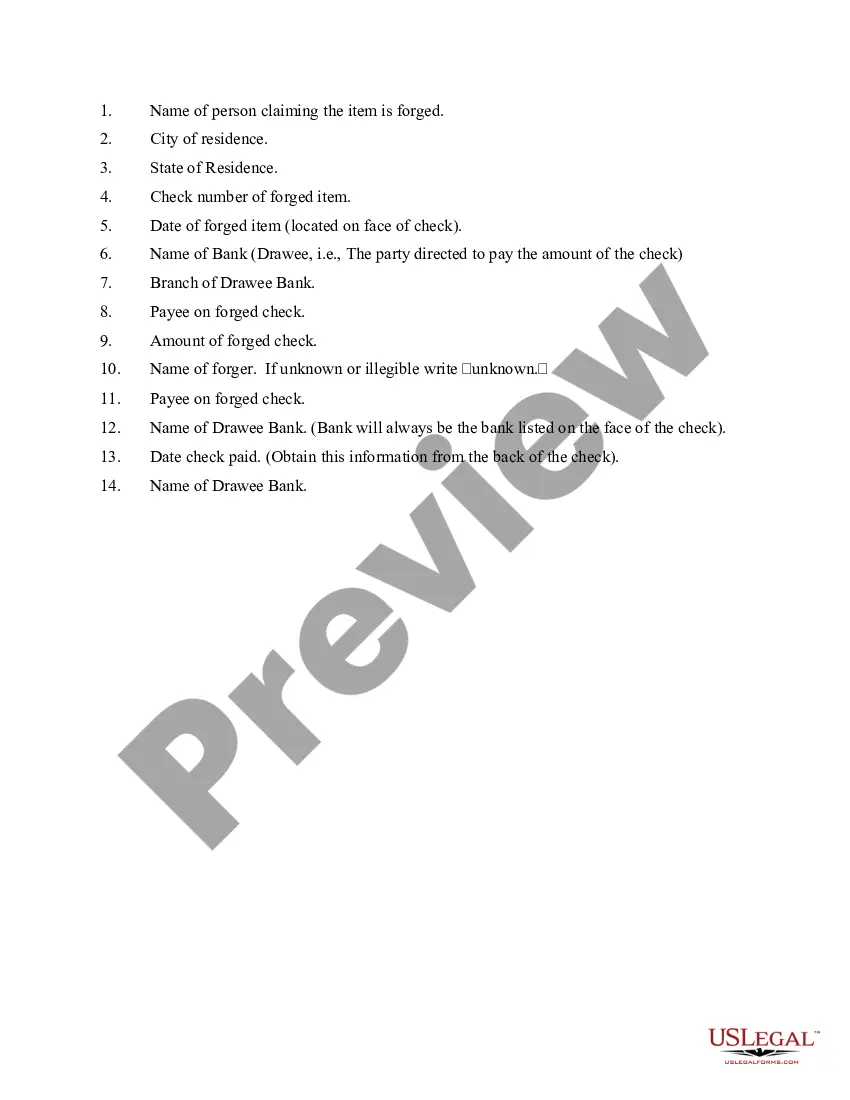
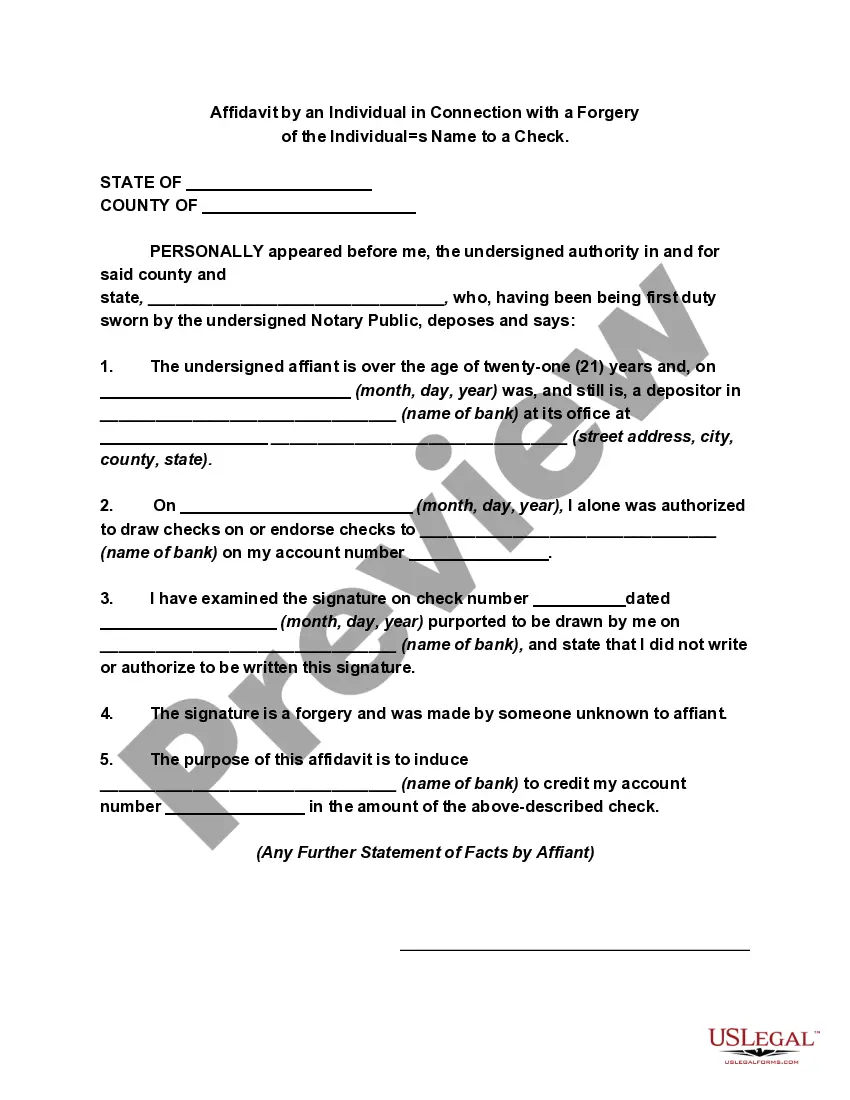
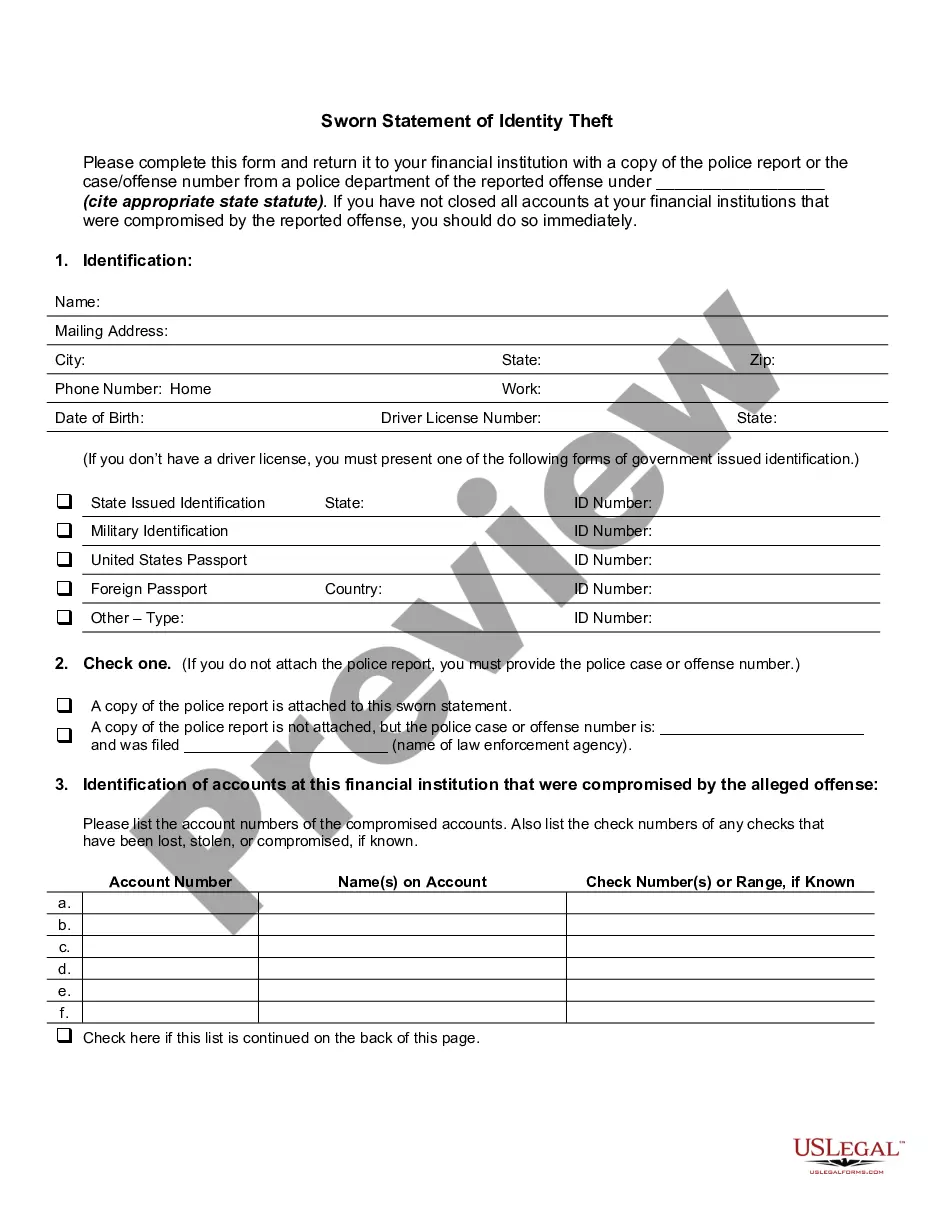
Get your form ready online
Our built-in tools help you complete, sign, share, and store your documents in one place.
Make edits, fill in missing information, and update formatting in US Legal Forms—just like you would in MS Word.
Download a copy, print it, send it by email, or mail it via USPS—whatever works best for your next step.
Sign and collect signatures with our SignNow integration. Send to multiple recipients, set reminders, and more. Go Premium to unlock E-Sign.
If this form requires notarization, complete it online through a secure video call—no need to meet a notary in person or wait for an appointment.
We protect your documents and personal data by following strict security and privacy standards.

Make edits, fill in missing information, and update formatting in US Legal Forms—just like you would in MS Word.

Download a copy, print it, send it by email, or mail it via USPS—whatever works best for your next step.

Sign and collect signatures with our SignNow integration. Send to multiple recipients, set reminders, and more. Go Premium to unlock E-Sign.

If this form requires notarization, complete it online through a secure video call—no need to meet a notary in person or wait for an appointment.

We protect your documents and personal data by following strict security and privacy standards.
Looking for another form?



Form popularity
FAQ
Defamation is a spoken or written statement by an individual or business that turns out to be false but is harmful to their reputation. There are two types of defamation: Slander – spoken words or comments. Libel or written defamation – words that are published in writing or broadcast.
Forgery is when you make a document "that you know to be false" with the intent of passing it off as genuine. This action is illegal under s. 366 of the Criminal Code, which states that forgery includes adding, altering or removing material from a genuine document.
Penal Code § 115 PC makes it a crime knowingly to file, register, or record a false or forged document in any public office within the state. Doing so is a felony punishable by up to three years in jail or prison. The language of the statute reads that: 115.
What is another word for falsification? misrepresentationdistortion forgery counterfeiting debasement doctoring fabrication manipulation tampering33 more rows
Document forgery is the act of creating a document from scratch, imitating a genuine one.
Articulating Mistakes in Prosecution's Case — The burden is on the prosecution to prove you committed forgery and had the intent to defraud. They must prove each and every element of the forgery beyond a reasonable doubt.
A textbook definition of forgery is the making of a false document with the intent that it should be used or acted upon as if it's genuine. Therefore, the falsification of document includes altering a genuine document in any material part.
: made in imitation of a genuine article (as a document) without authorization and especially with intent to deceive or defraud. counterfeit.
These days, you can detect document fraud thanks to artificial intelligence (AI) and machine learning to analyze metadata, visual structure, and internal integrity for signs of forgery.
Forged signatures are signatures created to look like very similar or the same as another's signature, but that was not created/signed by the signature's original creator.