Forged With Fire Meaning In Virginia
Description

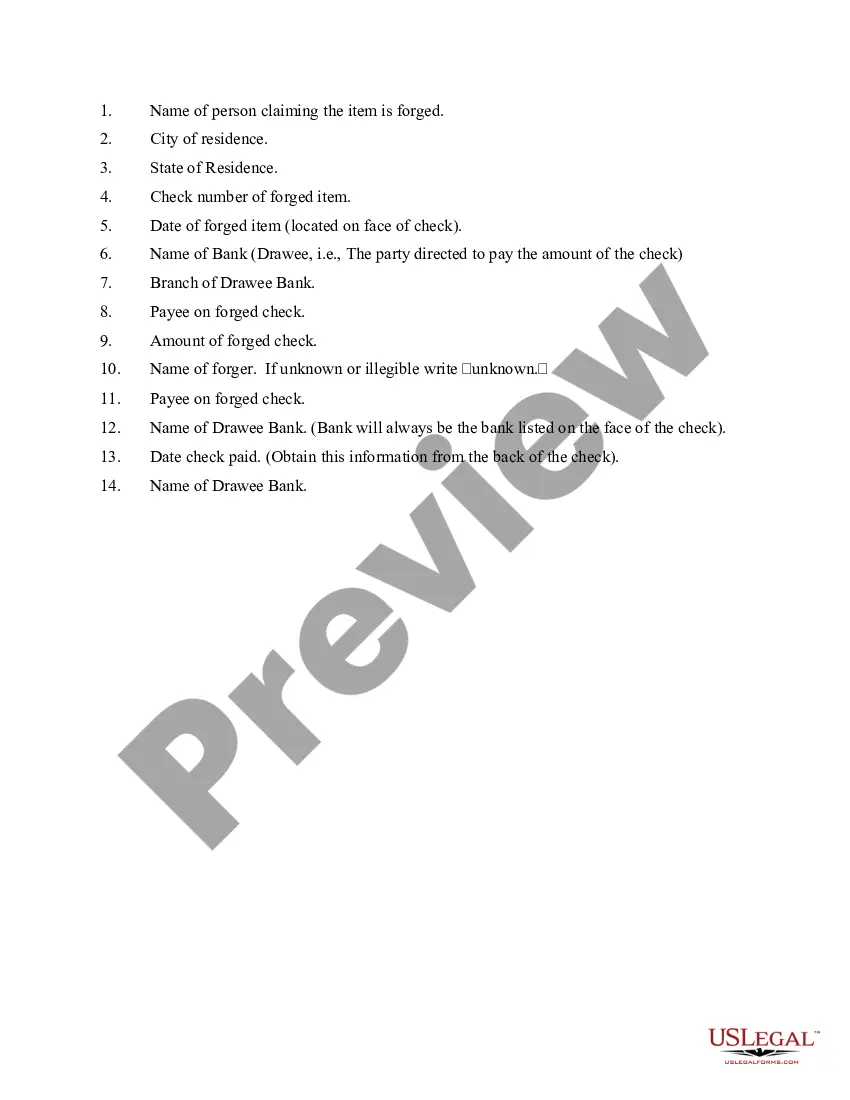
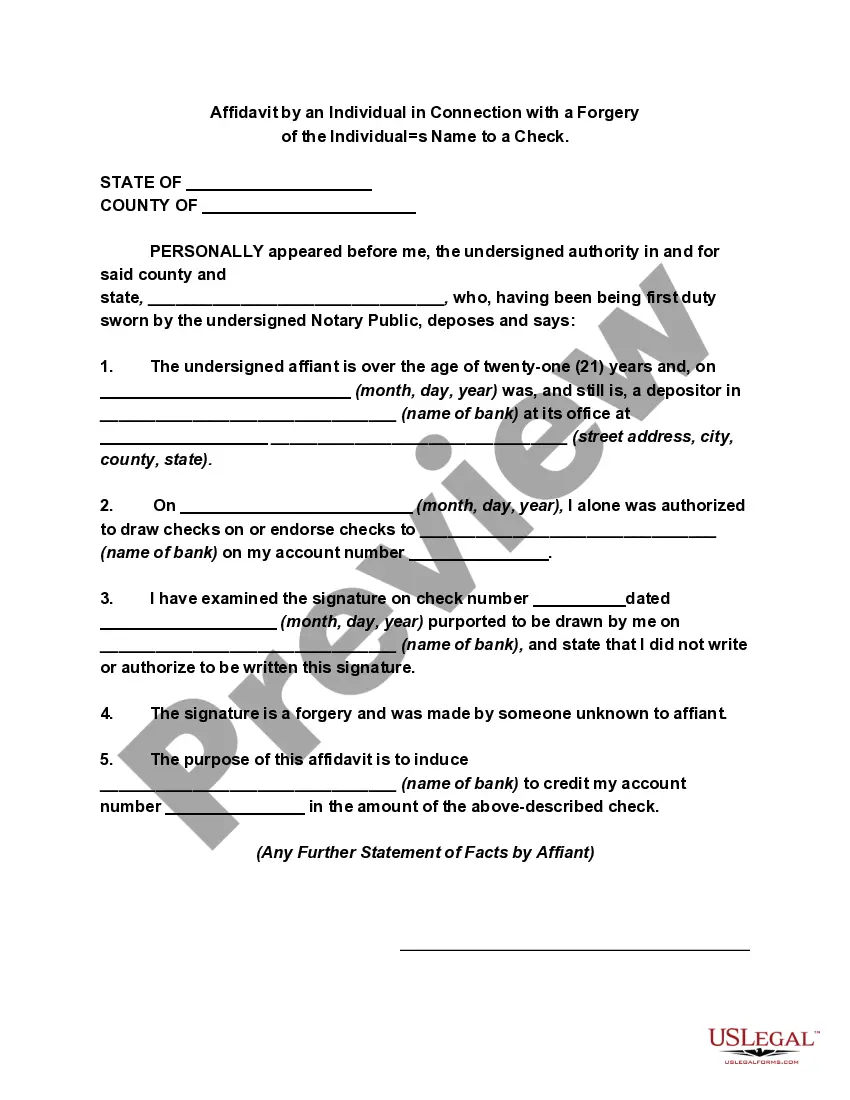
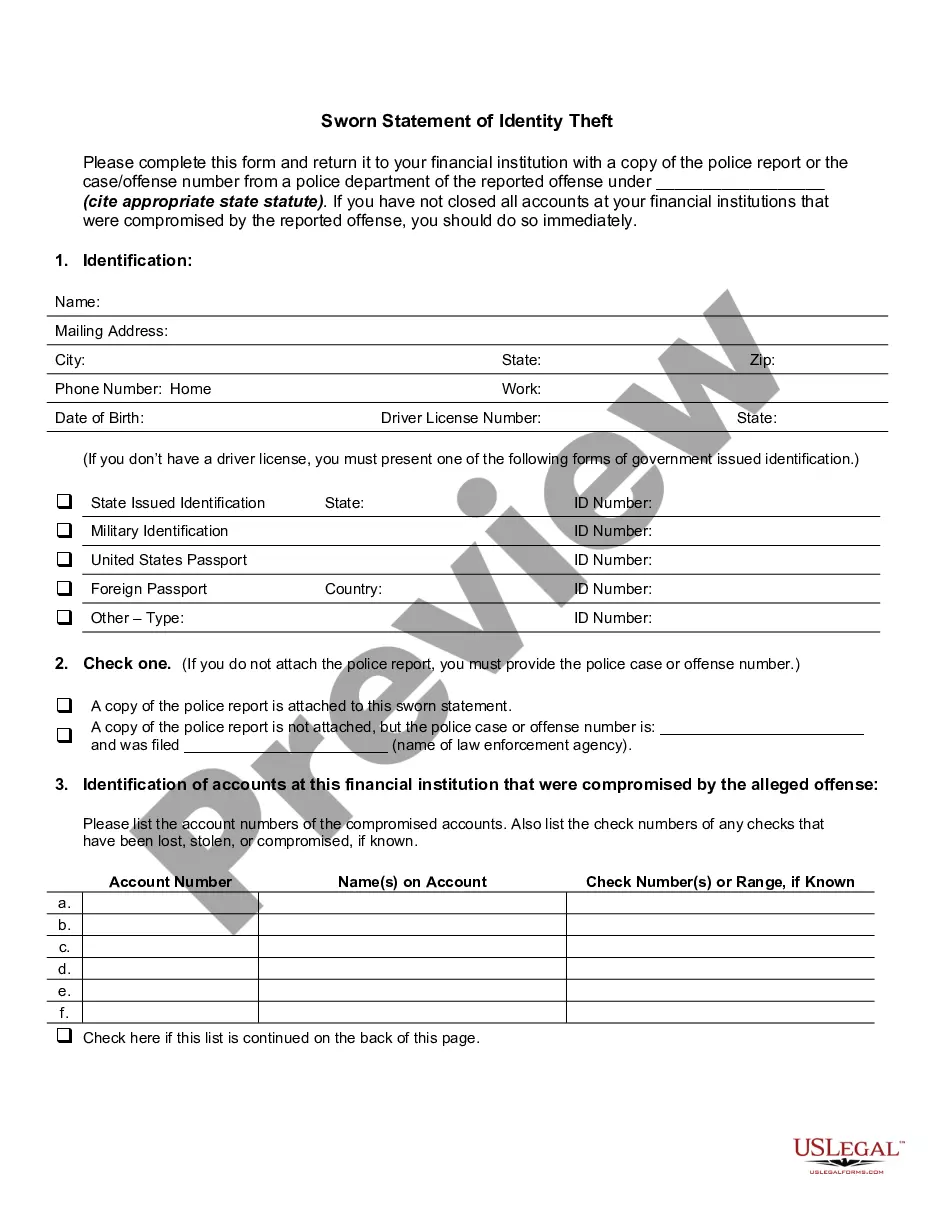
Get your form ready online
Our built-in tools help you complete, sign, share, and store your documents in one place.
Make edits, fill in missing information, and update formatting in US Legal Forms—just like you would in MS Word.
Download a copy, print it, send it by email, or mail it via USPS—whatever works best for your next step.
Sign and collect signatures with our SignNow integration. Send to multiple recipients, set reminders, and more. Go Premium to unlock E-Sign.
If this form requires notarization, complete it online through a secure video call—no need to meet a notary in person or wait for an appointment.
We protect your documents and personal data by following strict security and privacy standards.

Make edits, fill in missing information, and update formatting in US Legal Forms—just like you would in MS Word.

Download a copy, print it, send it by email, or mail it via USPS—whatever works best for your next step.

Sign and collect signatures with our SignNow integration. Send to multiple recipients, set reminders, and more. Go Premium to unlock E-Sign.

If this form requires notarization, complete it online through a secure video call—no need to meet a notary in person or wait for an appointment.

We protect your documents and personal data by following strict security and privacy standards.
Looking for another form?



Form popularity
FAQ
Forgery of Public Records Under Virginia Code § 18.2-168, it is unlawful to forge a public record, certificate, return, or attestation of any public officer or public employee when such document may be used as legal proof, or to utter or attempt to use as true such a forged record or document knowing it to be forged.
Under the statute of frauds, the writing must: be signed by the defendant; and must state with reasonable certainty the name of each party, the subject matter of the agreement, and all of the essential terms and promises.
§ 18.2-172. Any person who shall obtain, by any false pretense or , the signature of another person, to any such writing, with intent to defraud any other person, shall be deemed guilty of the forgery thereof, and shall be subject to like punishment.
The Virginia Fraud Against Taxpayers Act imposes liability on persons who knowingly present false or fraudulent claims for payment with state funds. The Act allows whistleblowers to file lawsuits against these persons if they know that such acts are taking place.
In the area of law, for a contract to be legally enforceable, several requirements must be met, including an offer; acceptance of that offer; mutual understanding of the agreement; capacity to agree; an item or service; consideration in exchange for the item or service; and legality of the contract itself, including ...
The Statute of Frauds does not require any particular form of writing or other writing formality whatsoever. It simply mandates a “writing and signed by the party to be charged”.
Statute of frauds is a statute requiring certain contracts to be in writing and signed by the parties bound by the contract. The purpose is to prevent fraud and other injury.
The common-law doctrine known as the fireman's rule, a doctrine that limits a defendant's liability for otherwise culpable conduct resulting in property damage and injuries to the public officials named in this section, shall not be a defense to claims (i) against third parties whose negligent acts did not give rise to ...
Impersonating certain public safety personnel; penalty. Any person who willfully impersonates, with the intent to make another believe he is, an emergency medical services provider, firefighter, special forest warden designated pursuant to § 10.1-1135, fire marshal, or fire chief is guilty of a Class 1 misdemeanor.
Uttering is when you use or attempt to use a forged document. Once someone creates a forged document, the crime of forgery is completed. Even if you don't use the document, you can be convicted if the prosecutor can show that you intended to defraud someone.
