Forged Of Document In Virginia
Description

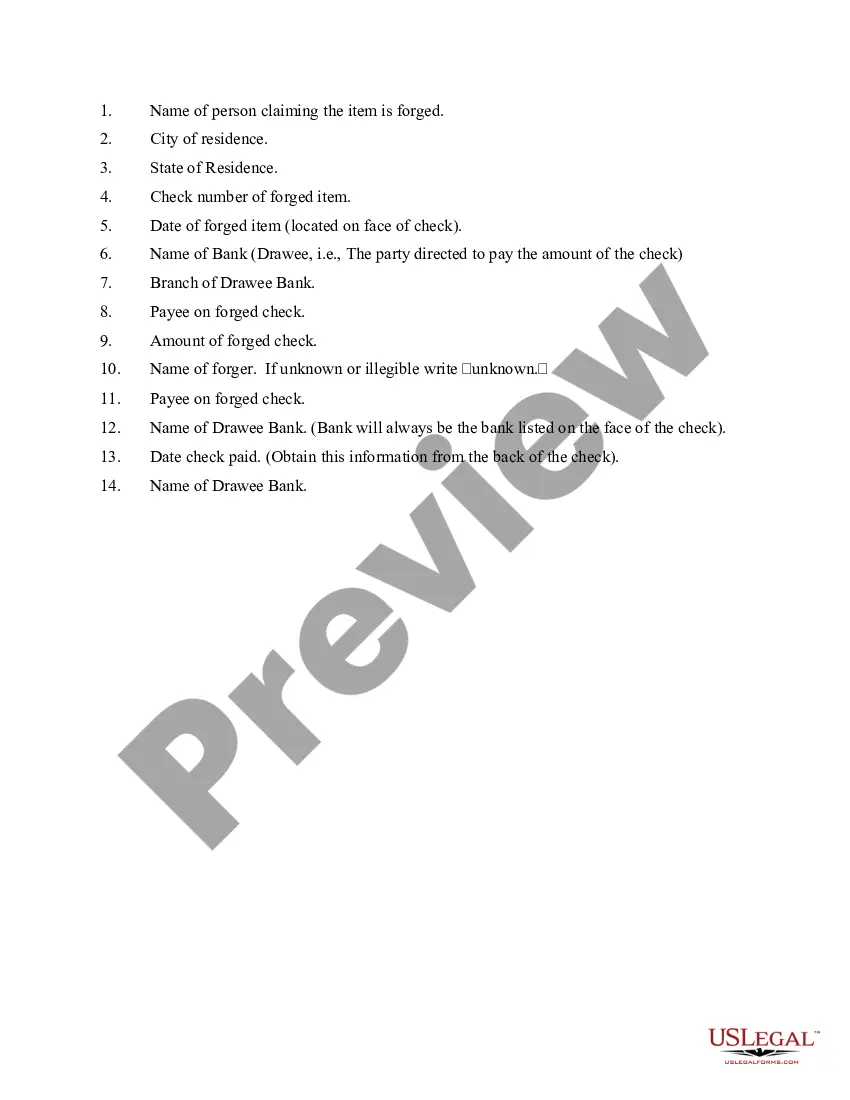
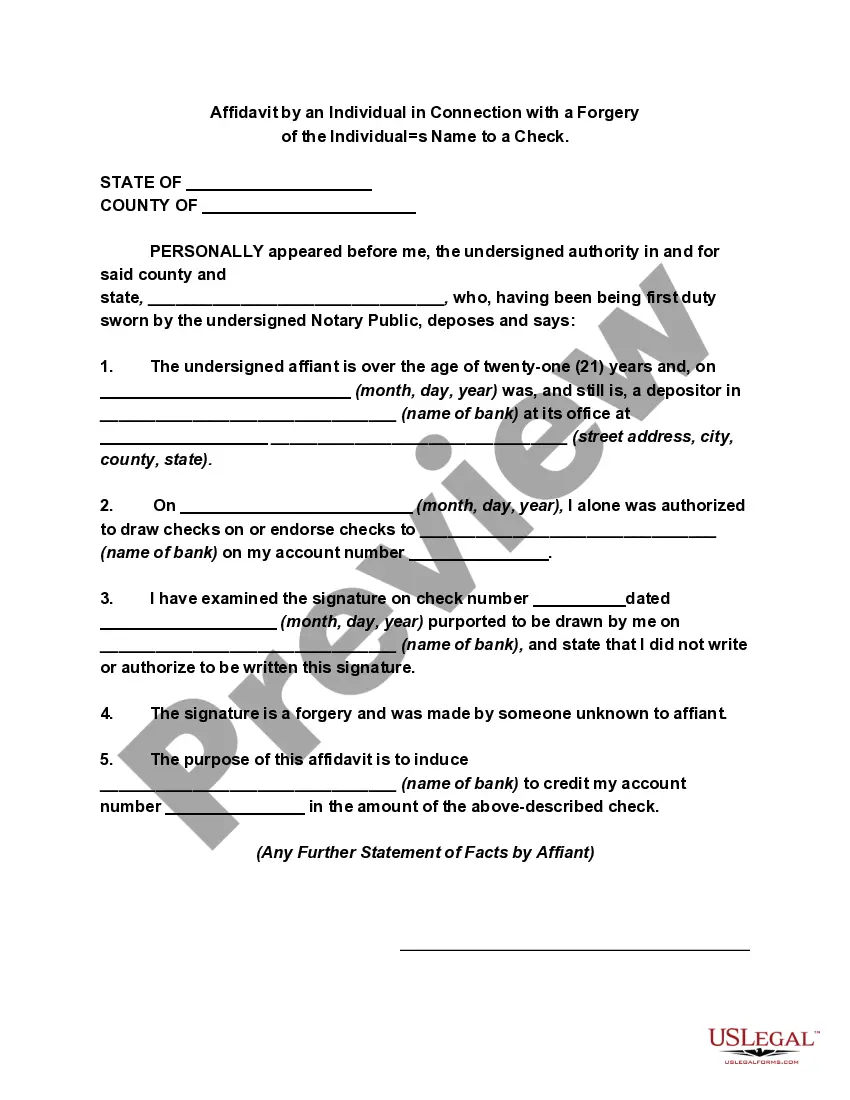
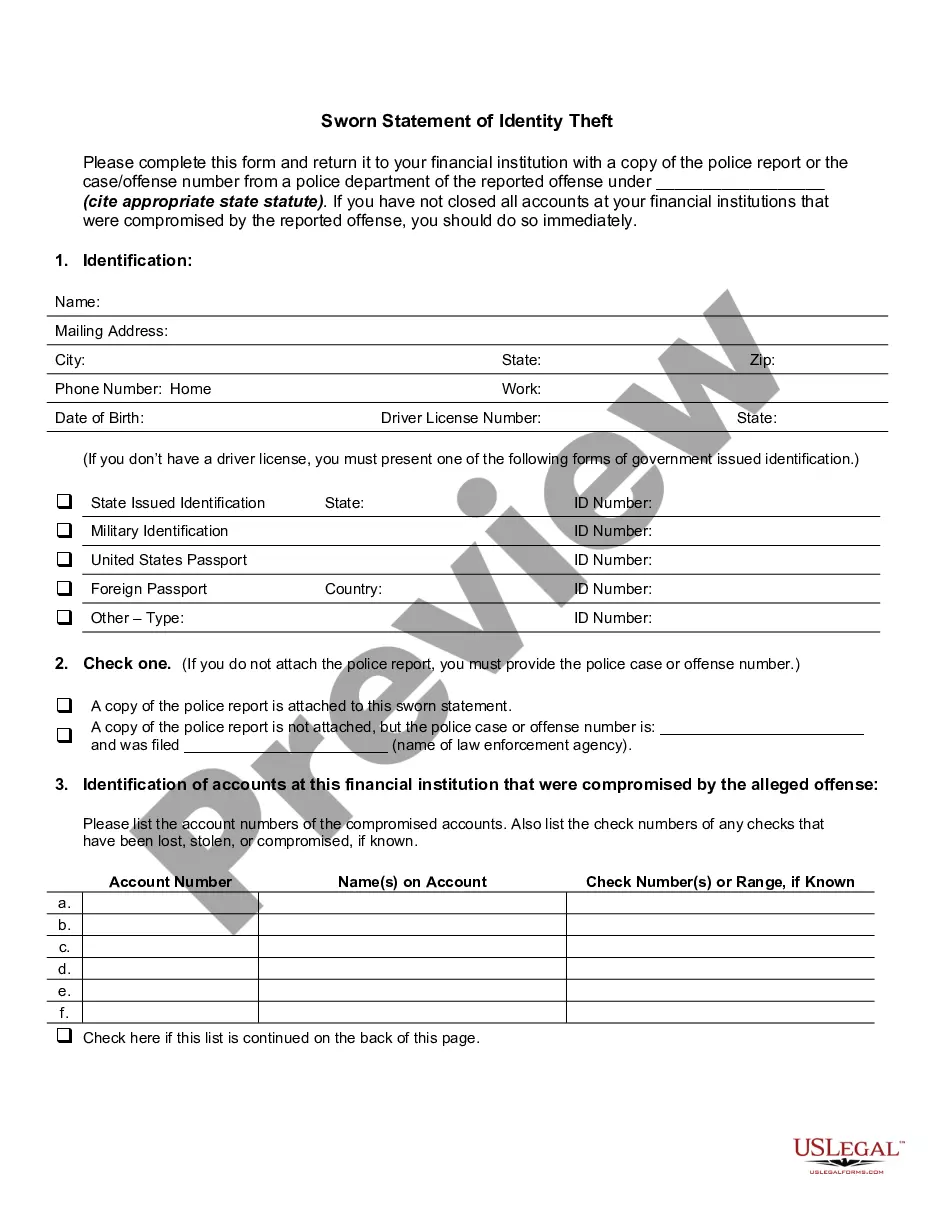
Get your form ready online
Our built-in tools help you complete, sign, share, and store your documents in one place.
Make edits, fill in missing information, and update formatting in US Legal Forms—just like you would in MS Word.
Download a copy, print it, send it by email, or mail it via USPS—whatever works best for your next step.
Sign and collect signatures with our SignNow integration. Send to multiple recipients, set reminders, and more. Go Premium to unlock E-Sign.
If this form requires notarization, complete it online through a secure video call—no need to meet a notary in person or wait for an appointment.
We protect your documents and personal data by following strict security and privacy standards.

Make edits, fill in missing information, and update formatting in US Legal Forms—just like you would in MS Word.

Download a copy, print it, send it by email, or mail it via USPS—whatever works best for your next step.

Sign and collect signatures with our SignNow integration. Send to multiple recipients, set reminders, and more. Go Premium to unlock E-Sign.

If this form requires notarization, complete it online through a secure video call—no need to meet a notary in person or wait for an appointment.

We protect your documents and personal data by following strict security and privacy standards.
Looking for another form?








Form popularity
FAQ
Forgery can refer to a completely fabricated document or a document that has been altered to show fraudulent information. Forging or counterfeiting a document is a criminal offense, as is knowingly using or possessing a forged or counterfeit document.
A telephone company may meet its duty to furnish reasonably adequate service and facilities through the use of any and all available wireline and terrestrial wireless technologies; however, a telephone company, when restoring service to an existing wireline customer, shall offer the option to furnish service using ...
If any person confined in jail or in custody after conviction of a criminal offense shall escape by force or violence, other than by setting fire thereto, he shall be guilty of a Class 6 felony.
Forgery of Public Records Under Virginia Code § 18.2-168, it is unlawful to forge a public record, certificate, return, or attestation of any public officer or public employee when such document may be used as legal proof, or to utter or attempt to use as true such a forged record or document knowing it to be forged.
Virginia Code § 19.2-57 states: The warrant shall be executed by the search of the place described in the warrant and, if property described in the warrant is found there, by the seizure of the property. The officer who seizes any property shall prepare an inventory thereof, under oath.
It is a Class 4 felony to forge public records in violation of Section 18.2-168. Upon conviction, the punishment can include a prison sentence between two and 10 years as well as criminal fines up to $100,000. The laws against forgery of coins or banknotes appear at Code of Virginia Section 18.2-170.
§ 8.01-314. Service on attorney after entry of general appearance by such attorney. When an attorney authorized to practice law in this Commonwealth has entered a general appearance for any party, any process, order or other legal papers to be used in the proceeding may be served on such attorney of record.
Section 18.2-57(A). However, if an individual commits assault and battery against a person who the individual intentionally selected because of the victim's race, religious beliefs, color, or nationality, and the battery results in bodily injury, then the individual is guilty of a Class 6 felony.
If you are charged with writing bad checks in the Commonwealth of Virginia, you may receive anywhere from 12 months to five years in prison, depending upon the seriousness of the crime. You can also be charged up to $2,500 as a fine.
