Forged With Meaning In Texas
Description

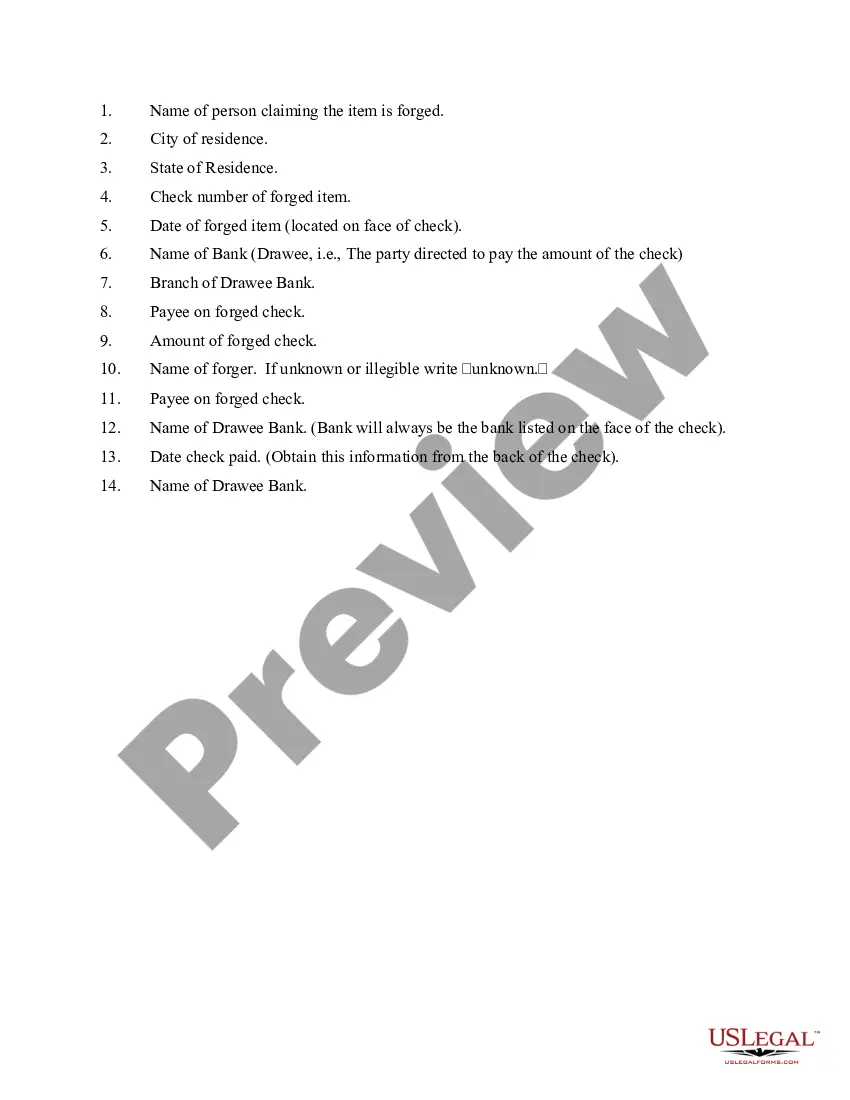
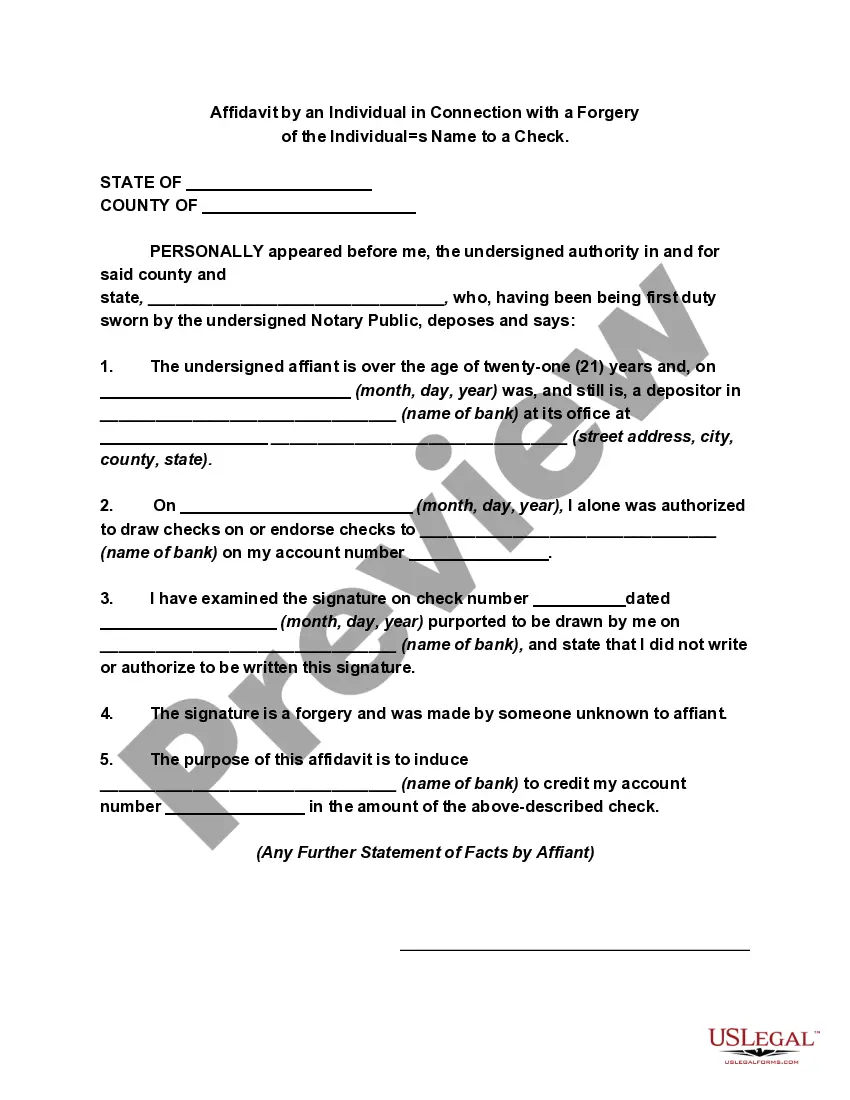
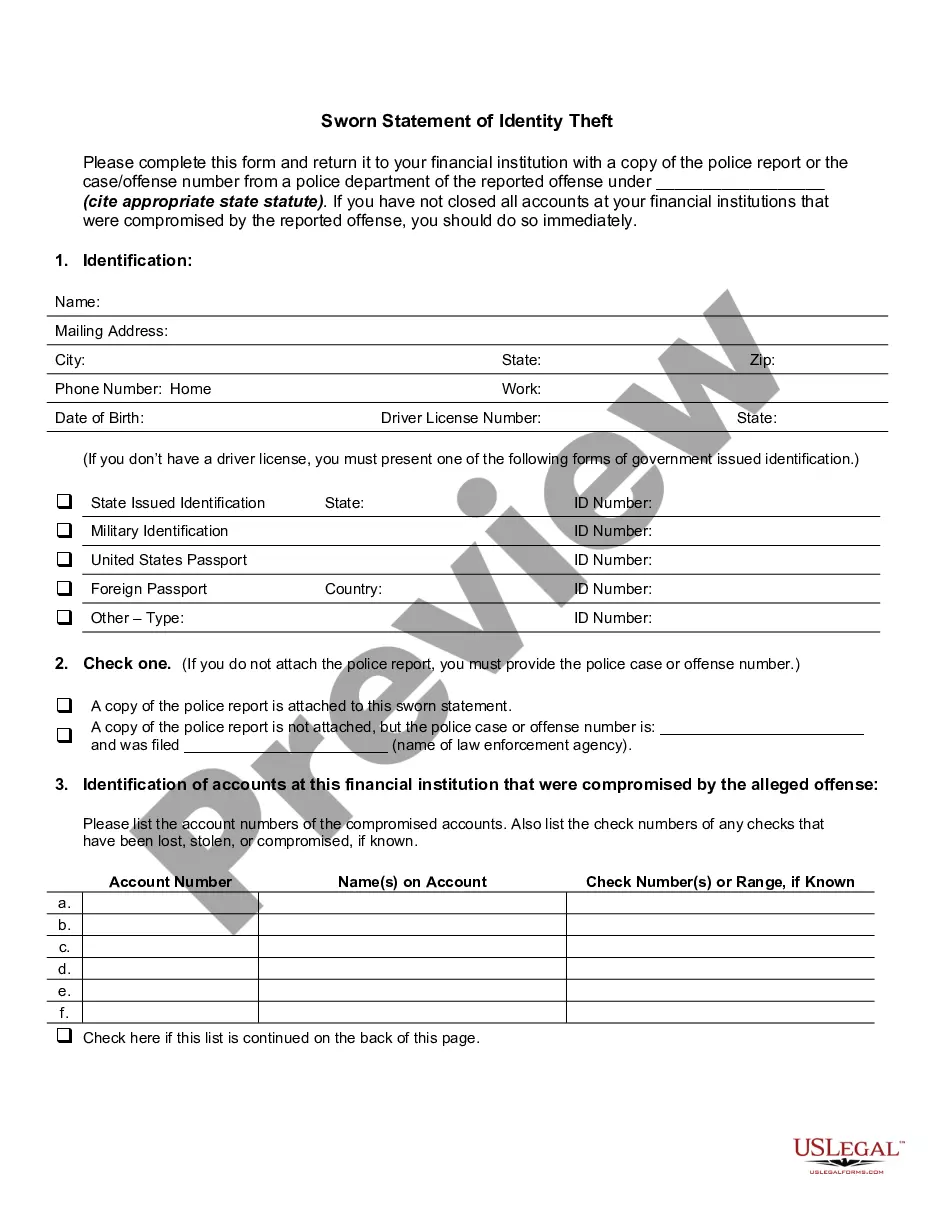
Get your form ready online
Our built-in tools help you complete, sign, share, and store your documents in one place.
Make edits, fill in missing information, and update formatting in US Legal Forms—just like you would in MS Word.
Download a copy, print it, send it by email, or mail it via USPS—whatever works best for your next step.
Sign and collect signatures with our SignNow integration. Send to multiple recipients, set reminders, and more. Go Premium to unlock E-Sign.
If this form requires notarization, complete it online through a secure video call—no need to meet a notary in person or wait for an appointment.
We protect your documents and personal data by following strict security and privacy standards.

Make edits, fill in missing information, and update formatting in US Legal Forms—just like you would in MS Word.

Download a copy, print it, send it by email, or mail it via USPS—whatever works best for your next step.

Sign and collect signatures with our SignNow integration. Send to multiple recipients, set reminders, and more. Go Premium to unlock E-Sign.

If this form requires notarization, complete it online through a secure video call—no need to meet a notary in person or wait for an appointment.

We protect your documents and personal data by following strict security and privacy standards.
Looking for another form?








Form popularity
FAQ
The offense is a wobbler. A conviction on misdemeanor charges will result in up to one year in jail, a maximum fine of $1,000, or both. A conviction on felony charges results in 16 months, two or three years in jail, a maximum fine of $10,000, or both.
Chapter 32 of the Texas Penal Code defines offenses relating to fraud. “Forgery”, as per § 32.21 of the Texas Penal Code, occurs when a person forges a writing with intent to defraud or harm another.
Whoever commits forgery shall be punished with imprisonment of either description for a term which may extend to two years, or with fine, or with both.
If a deed has been forged, it is legally invalid, and the rightful property owner has the right to challenge it in court. However, undoing a fraudulent real estate transaction can take time and legal intervention.
Unless one of the enhancements apply, or subsection (e-1) applies, a conviction for Forgery is punished by default as a Class A misdemeanor, with a maximum possible fine under Texas state law of up to $4,000 and jail time of up to one year.
Possible Penalties for Check Forgery In many circumstances, forgery is a Class A misdemeanor, punishable by up to one year in jail and a $4,000 fine.
Section 37.02 - Perjury (a) A person commits an offense if, with intent to deceive and with knowledge of the statement's meaning: (1) he makes a false statement under oath or swears to the truth of a false statement previously made and the statement is required or authorized by law to be made under oath; or (2) he ...
-A deed by itself is not enough to establish proof of ownership because it contains no proof of the condition of the grantor's title at the time of the conveyance. -In Texas, a certificate of title or title insurance is used as proof of ownership.
Under Texas law, a forged deed is void. However, a deed procured by fraud is voidable rather than void. The legal terms “Void” and “Voidable” sound alike, but they are vastly different. A void instrument passes no title, and is treated as a nullity.
