Forgery Forged Instrument In Ohio
Description

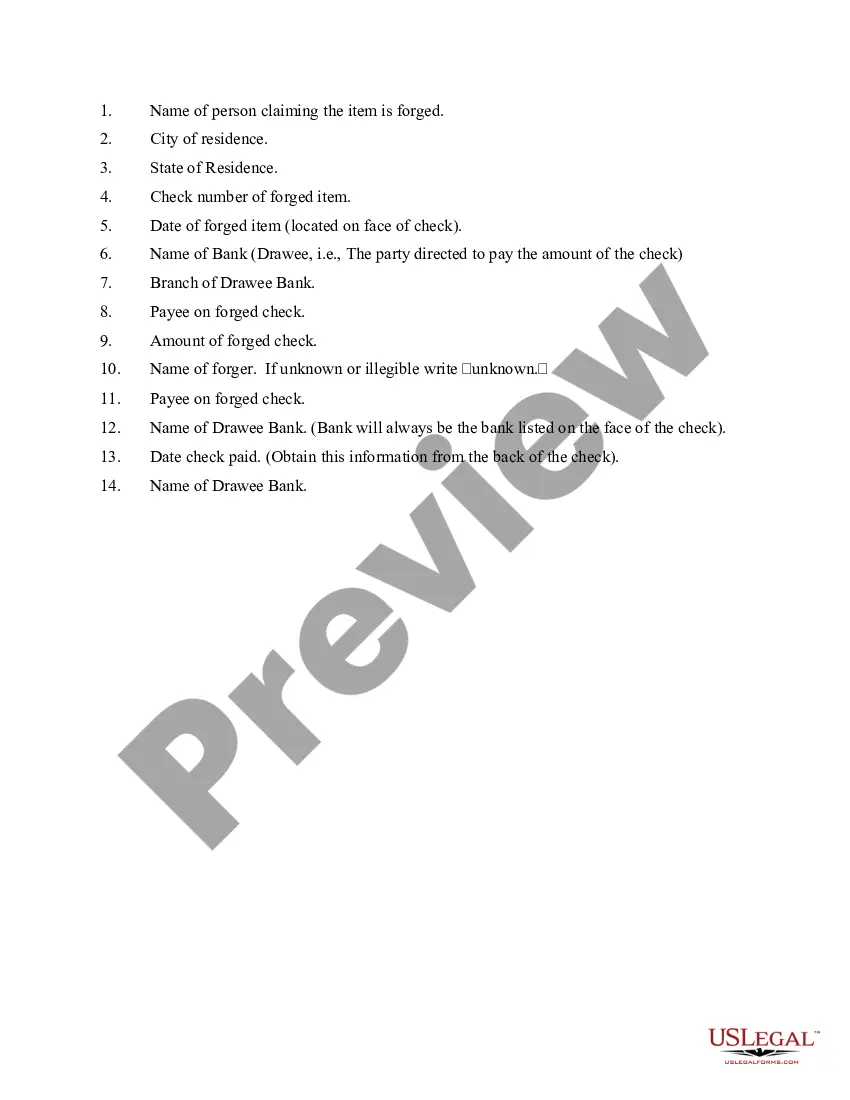
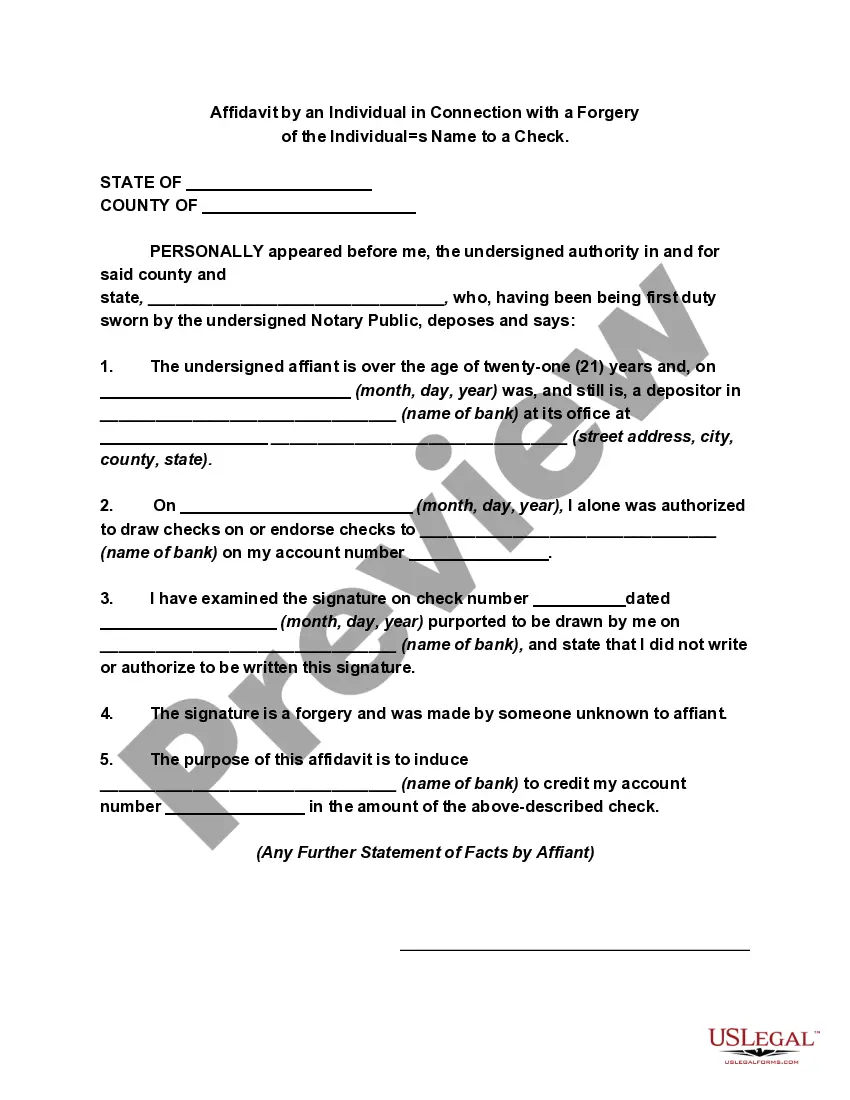
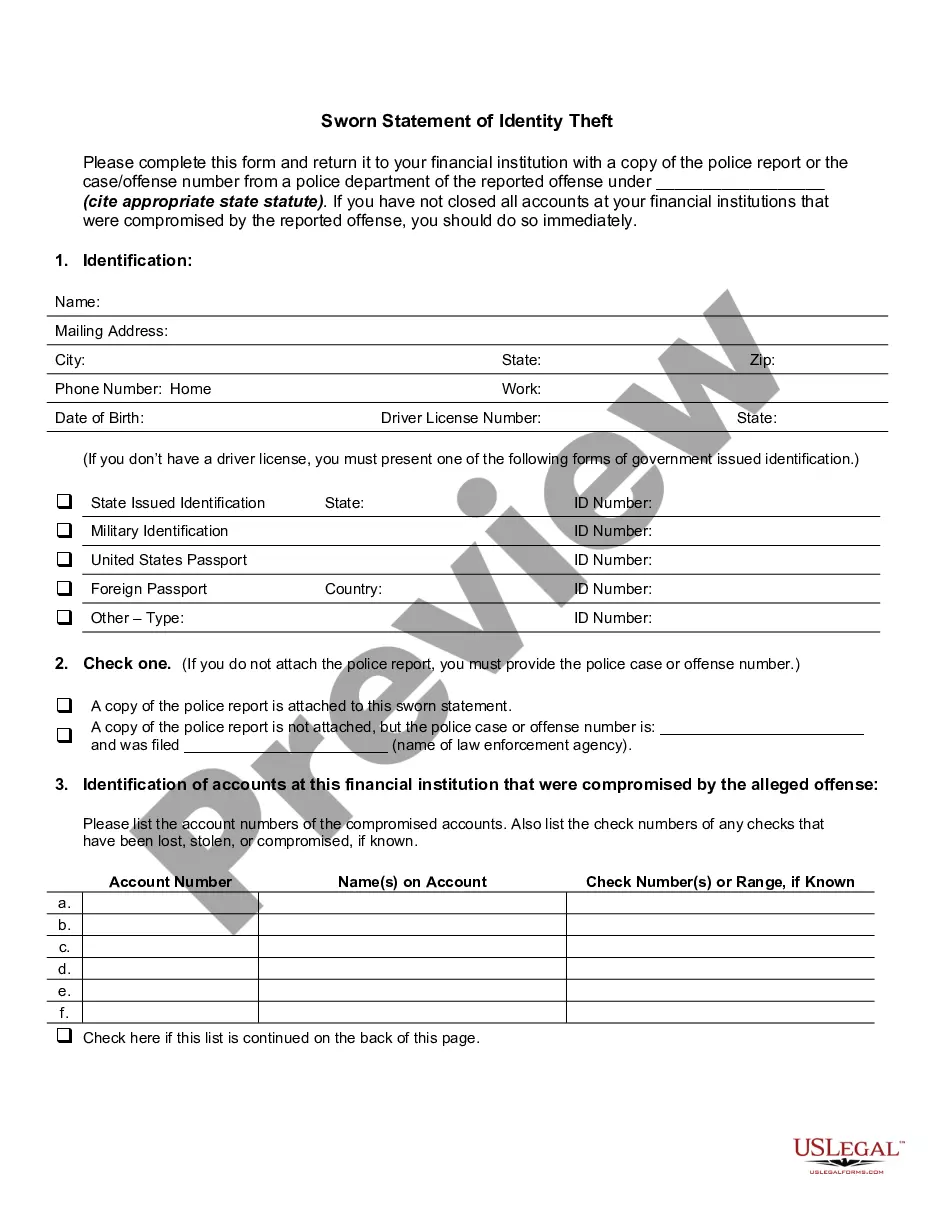
Get your form ready online
Our built-in tools help you complete, sign, share, and store your documents in one place.
Make edits, fill in missing information, and update formatting in US Legal Forms—just like you would in MS Word.
Download a copy, print it, send it by email, or mail it via USPS—whatever works best for your next step.
Sign and collect signatures with our SignNow integration. Send to multiple recipients, set reminders, and more. Go Premium to unlock E-Sign.
If this form requires notarization, complete it online through a secure video call—no need to meet a notary in person or wait for an appointment.
We protect your documents and personal data by following strict security and privacy standards.

Make edits, fill in missing information, and update formatting in US Legal Forms—just like you would in MS Word.

Download a copy, print it, send it by email, or mail it via USPS—whatever works best for your next step.

Sign and collect signatures with our SignNow integration. Send to multiple recipients, set reminders, and more. Go Premium to unlock E-Sign.

If this form requires notarization, complete it online through a secure video call—no need to meet a notary in person or wait for an appointment.

We protect your documents and personal data by following strict security and privacy standards.
Looking for another form?








Form popularity
FAQ
Every day in central Ohio people are charged with forgery offenses. Forgery charges can range from a fifth degree felony, punishable by up to one year in prison to a first degree felony, punishable by 3-11 years in prison.
In Ohio, it's a forgery offense to make, alter, or pass off any writing or identification card with the intent to defraud. The related offense of criminal simulation applies to forged objects.
To prove a forgery, you need to get a handwriting expert who willl compare your signature to the signature on the document. Furthermore a POA must be notarized you need to depose the notary because he too is responsible. To hold the person or people accountable you file a fraud claim with the attorney General.
(B) No person shall knowingly do either of the following: (1) Forge an identification card; (2) Sell or otherwise distribute a card that purports to be an identification card, knowing it to have been forged.
A forgery offense can be committed in the following ways: By signing someone else's name without the other person's authority (California Penal Code Section 470(a) PC) By counterfeiting or forging another person's handwriting or seal on a document (California Penal Code Section 470(b) PC)
In Ohio, there is no statute of limitations for or aggravated . That means people can be charged with these crimes no matter how much time has passed. Other serious felonies have a twenty five, twenty, or six year time limit.
Statute of Limitations on Forgery of a Signature The general time limits in Ohio are: Six years for felonies, Two years for misdemeanors, and. Six months for minor misdemeanors.
(b) Misusing computer or network services including, but not limited to, mail transfer programs, file transfer programs, proxy servers, and web servers by performing functions not authorized by the owner of the computer, computer system, or computer network or other person authorized to give consent.