Forgery Documents In Court In North Carolina
Description

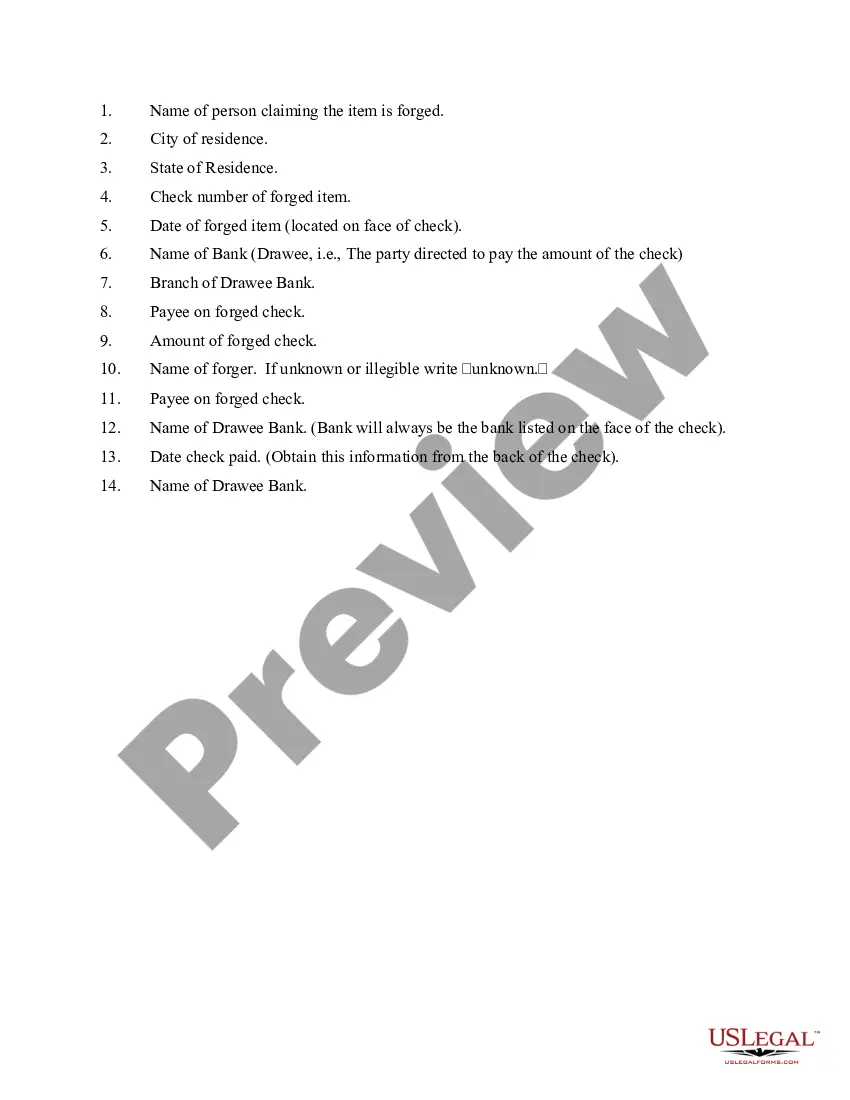
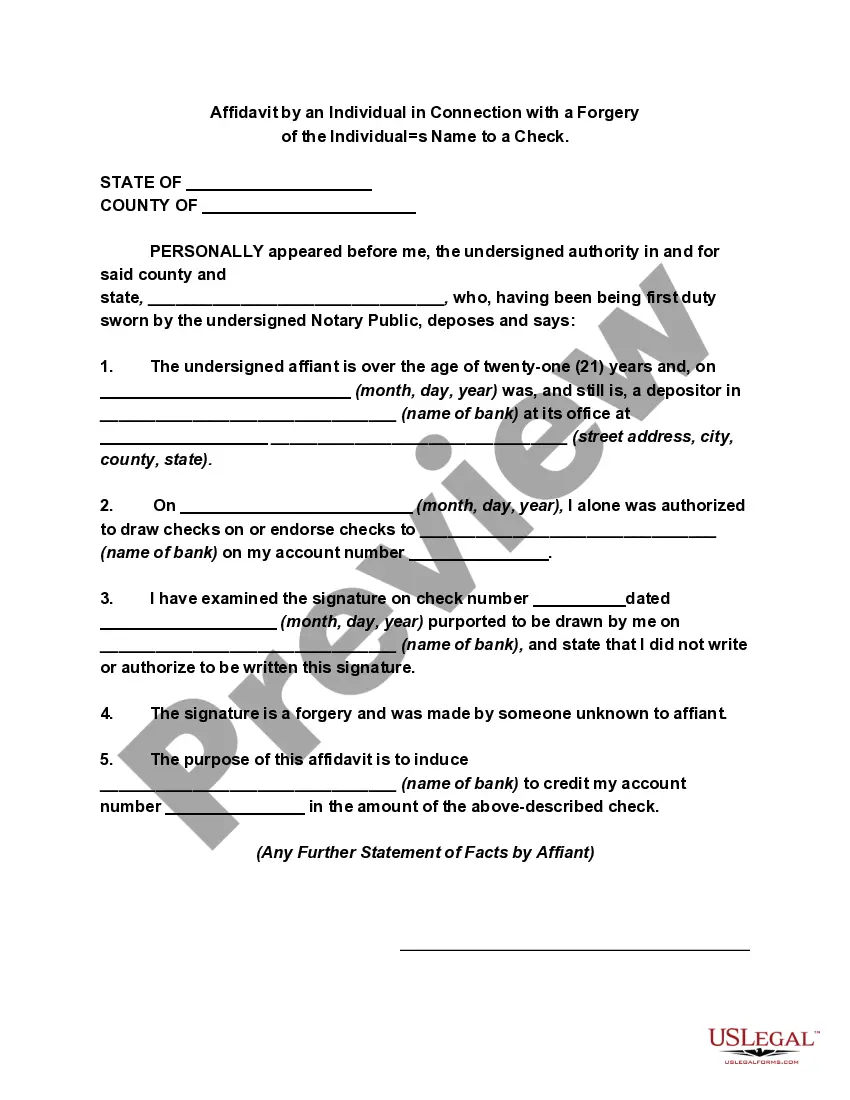
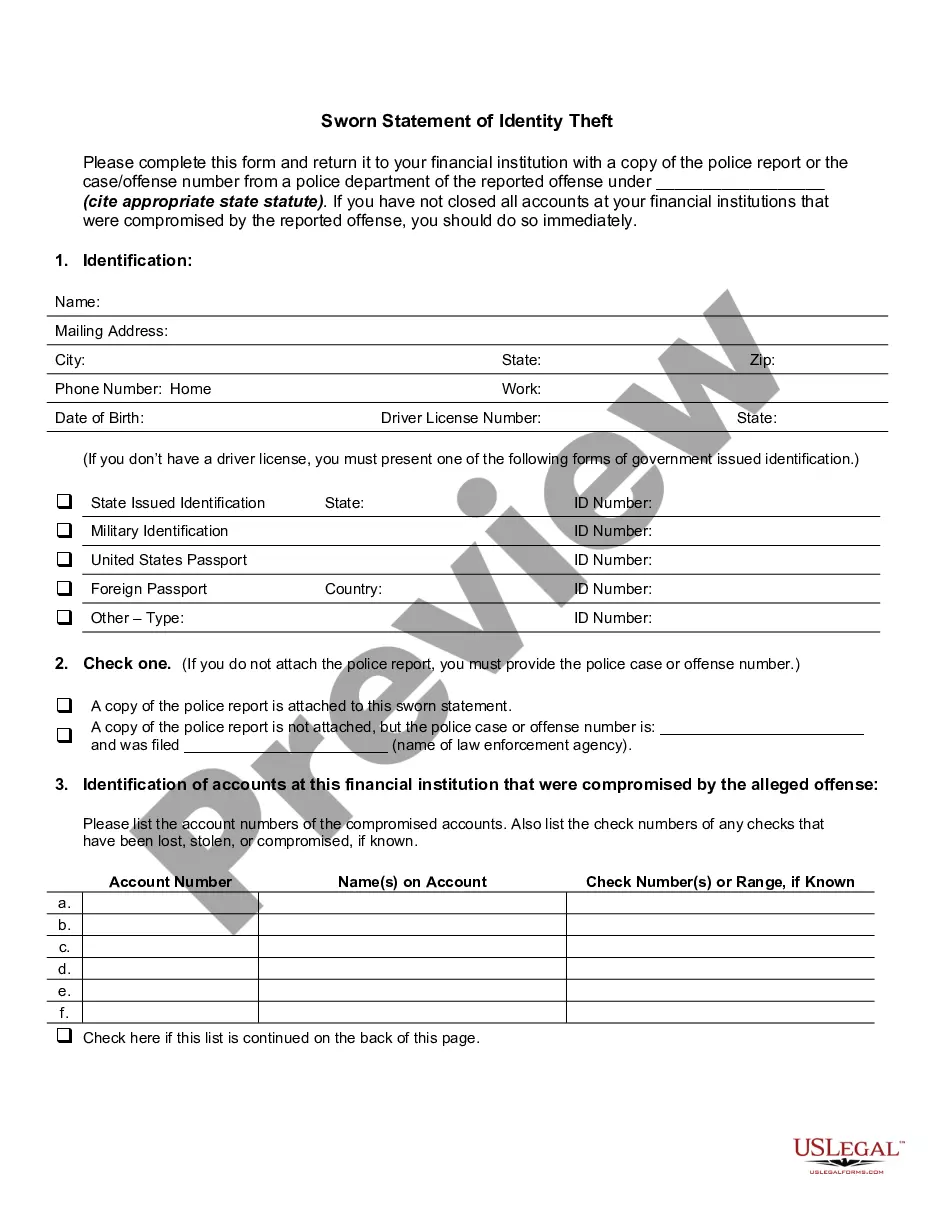
Get your form ready online
Our built-in tools help you complete, sign, share, and store your documents in one place.
Make edits, fill in missing information, and update formatting in US Legal Forms—just like you would in MS Word.
Download a copy, print it, send it by email, or mail it via USPS—whatever works best for your next step.
Sign and collect signatures with our SignNow integration. Send to multiple recipients, set reminders, and more. Go Premium to unlock E-Sign.
If this form requires notarization, complete it online through a secure video call—no need to meet a notary in person or wait for an appointment.
We protect your documents and personal data by following strict security and privacy standards.

Make edits, fill in missing information, and update formatting in US Legal Forms—just like you would in MS Word.

Download a copy, print it, send it by email, or mail it via USPS—whatever works best for your next step.

Sign and collect signatures with our SignNow integration. Send to multiple recipients, set reminders, and more. Go Premium to unlock E-Sign.

If this form requires notarization, complete it online through a secure video call—no need to meet a notary in person or wait for an appointment.

We protect your documents and personal data by following strict security and privacy standards.
Looking for another form?







Form popularity
FAQ
A. Is four grams or more, but less than 14 grams, such person shall be punished as a Class F felon and shall be sentenced to a minimum term of 70 months and a maximum term of 93 months in the State's prison and shall be fined as follows: 1.
In North Carolina, “common law forgery” is recognized as a crime and punished as a class 1 misdemeanor. To be guilty of this crime, one must: Make a false writing, or state that a false writing is true (knowing it to be false), when the writing is apparently capable of effecting a fraud, with the intent to defraud.
Forgery can refer to a completely fabricated document or a document that has been altered to show fraudulent information. Forging or counterfeiting a document is a criminal offense, as is knowingly using or possessing a forged or counterfeit document.
The state's statutory definition of a felony says that a crime is a felony if it was a felony at common law or is classified as such by state statute. These offenses may be punishable by death or imprisonment in the state prison system.
Forging a will, lease, deed, or other similar document is a Class H felony. The penalty is five to 20 months in prison, a fine, or both.
Low Level Felonies Habitual misdemeanor assault. Breaking or entering a building with criminal intent. Larceny of property worth more than $1,000. First-degree forgery. Escaping from state prison. Hit and run resulting in injury.
There are several ways you can report a crime against you. Call 911. Call the non-emergency number for your local law enforcement agency. Go directly to a local law enforcement office. Go directly to the local magistrate's office.
Whoever commits forgery shall be punished with imprisonment of either description for a term which may extend to two years, or with fine, or with both.
(a) It is unlawful for any person to forge or counterfeit any instrument, or possess any counterfeit instrument, with the intent to injure or defraud any person, financial institution, or governmental unit. Any person in violation of this subsection is guilty of a Class I felony.
The offense is a wobbler. A conviction on misdemeanor charges will result in up to one year in jail, a maximum fine of $1,000, or both. A conviction on felony charges results in 16 months, two or three years in jail, a maximum fine of $10,000, or both.
