Fake Forged Document In Nassau
Description

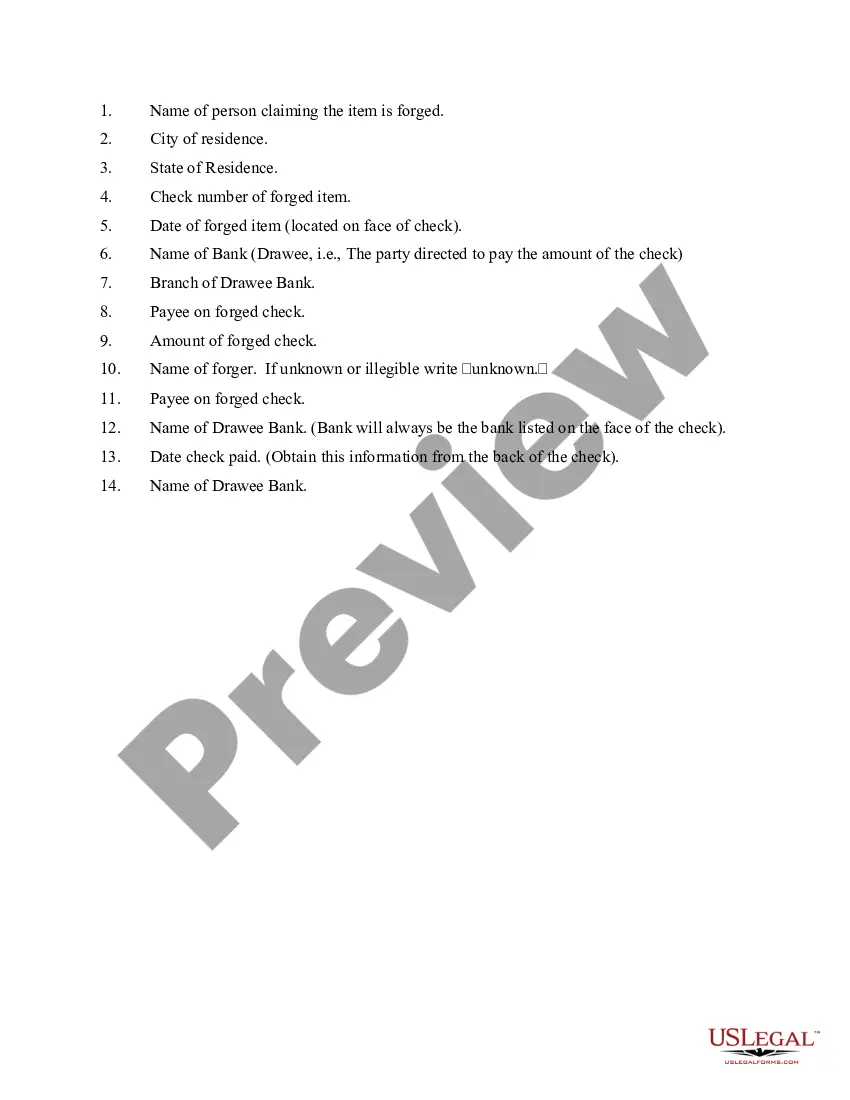
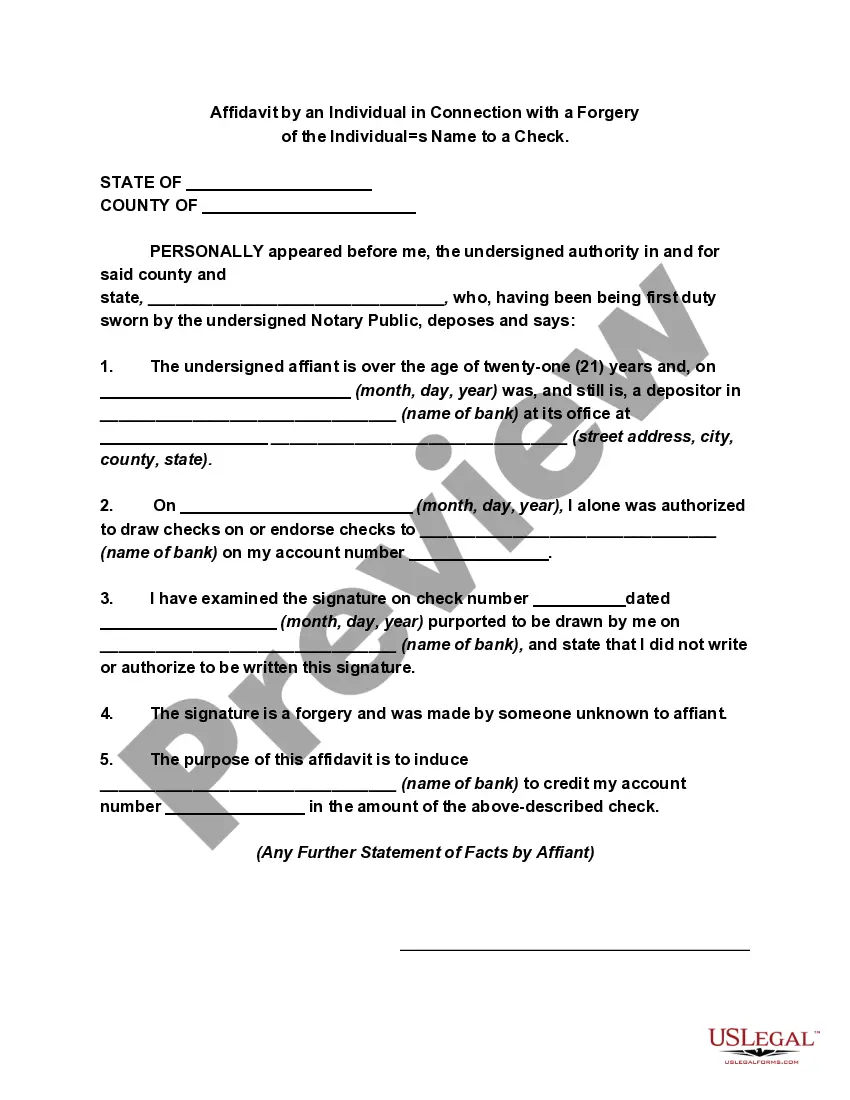
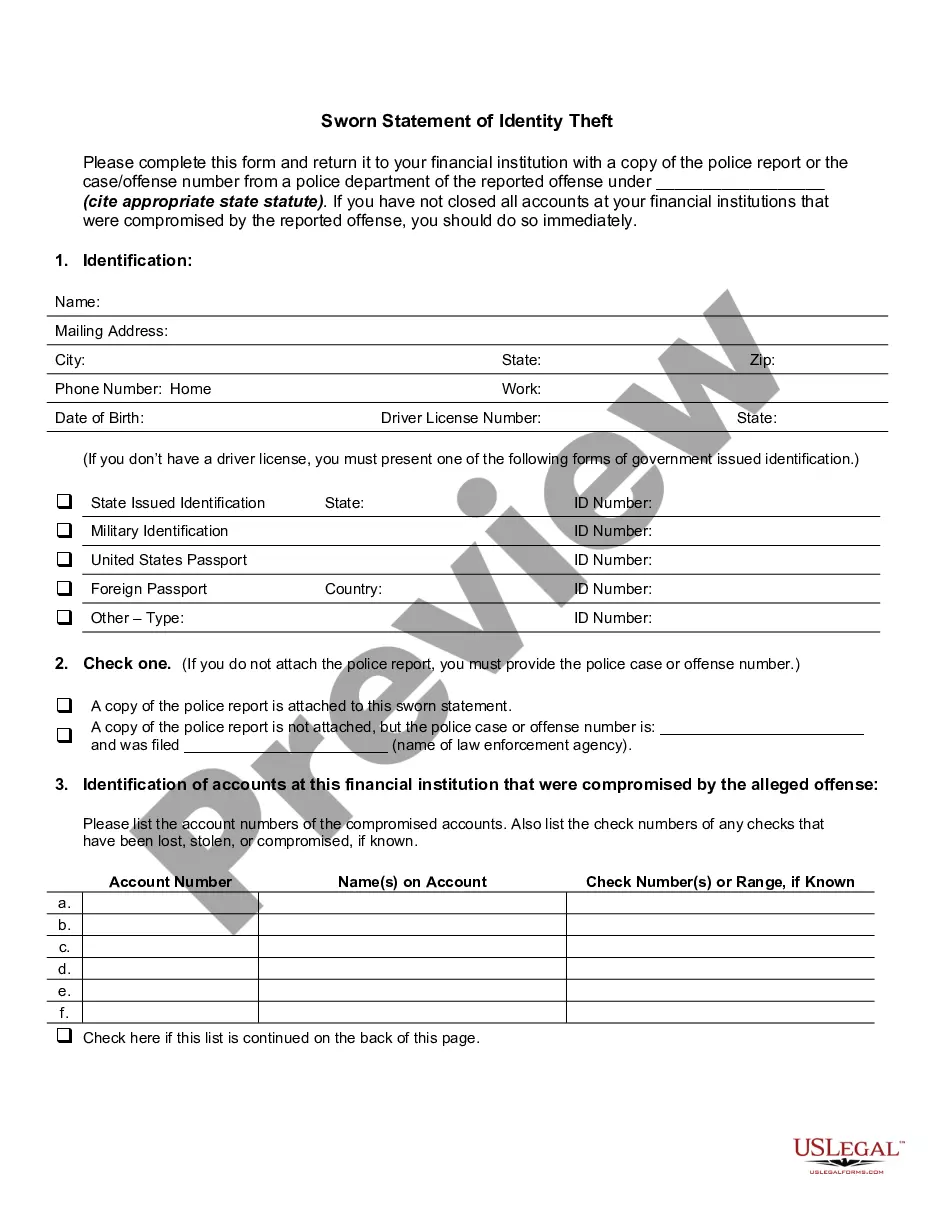
Get your form ready online
Our built-in tools help you complete, sign, share, and store your documents in one place.
Make edits, fill in missing information, and update formatting in US Legal Forms—just like you would in MS Word.
Download a copy, print it, send it by email, or mail it via USPS—whatever works best for your next step.
Sign and collect signatures with our SignNow integration. Send to multiple recipients, set reminders, and more. Go Premium to unlock E-Sign.
If this form requires notarization, complete it online through a secure video call—no need to meet a notary in person or wait for an appointment.
We protect your documents and personal data by following strict security and privacy standards.

Make edits, fill in missing information, and update formatting in US Legal Forms—just like you would in MS Word.

Download a copy, print it, send it by email, or mail it via USPS—whatever works best for your next step.

Sign and collect signatures with our SignNow integration. Send to multiple recipients, set reminders, and more. Go Premium to unlock E-Sign.

If this form requires notarization, complete it online through a secure video call—no need to meet a notary in person or wait for an appointment.

We protect your documents and personal data by following strict security and privacy standards.
Looking for another form?
Form popularity
FAQ
Forgeries are pointed out in the inspection mode by highlighting valid seals displayed in the rulebook and a forged seal on a document (or the entire document if the seal is missing).
The most commonly forged documents are Social Security cards, bank statements, and birth certificates, which can undermine personal and financial security. It's crucial to ensure the authenticity of such documents to protect against fraud.
Find the rule in the rulebook referencing the required (missing) document. Enter inspection mode by clicking/tapping the red button at the bottom right of the desk. Highlight the pertinent rulebook rule. On desktop and tablet versions of the game: Highlight the countertop where the entrant drops their documents.
Official seals Any document without a seal or with a seal that does not match in shape, orientation and/or logo indicates a forgery, and the person holding it should be denied entry or detained.
On the lower right corner of the document panel. In the desktop version, it is later possible to buy two upgrades (shortcuts) to activate the inspection mode faster (spacebar and double click). Once the inspection mode is on, two items visible on screen can be highlighted.
If d documents are produced by amateurs there are some key slip-ups you can spot. Numbers missing or not adding up. Data entry errors. Altered elements. Edited logos.
Forgery refers to the fraudulent creation or alteration of a document with the intent to deceive others. This could involve signing someone else's name or altering an existing document in a way that misrepresents the truth.
Defenses Against Forgery Charges Lack of fraudulent intent — If you did not have the intention to defraud, you may have a valid defense to forgery charges. Document Lacks Legal Significance — To be considered forgery, the document in question must have some sort of legal importance.
Forgery is a white-collar crime that generally consists of the false making or material alteration of a legal instrument with the specific intent to defraud.
How to Get Out of Forgery Charges Lack of Intent to Defraud: Demonstrate that there was no intention to deceive or cause harm. Consent: Prove that you had permission to sign or alter the document in question. Authenticity: Show that the signature or instrument is genuine and not forged.
