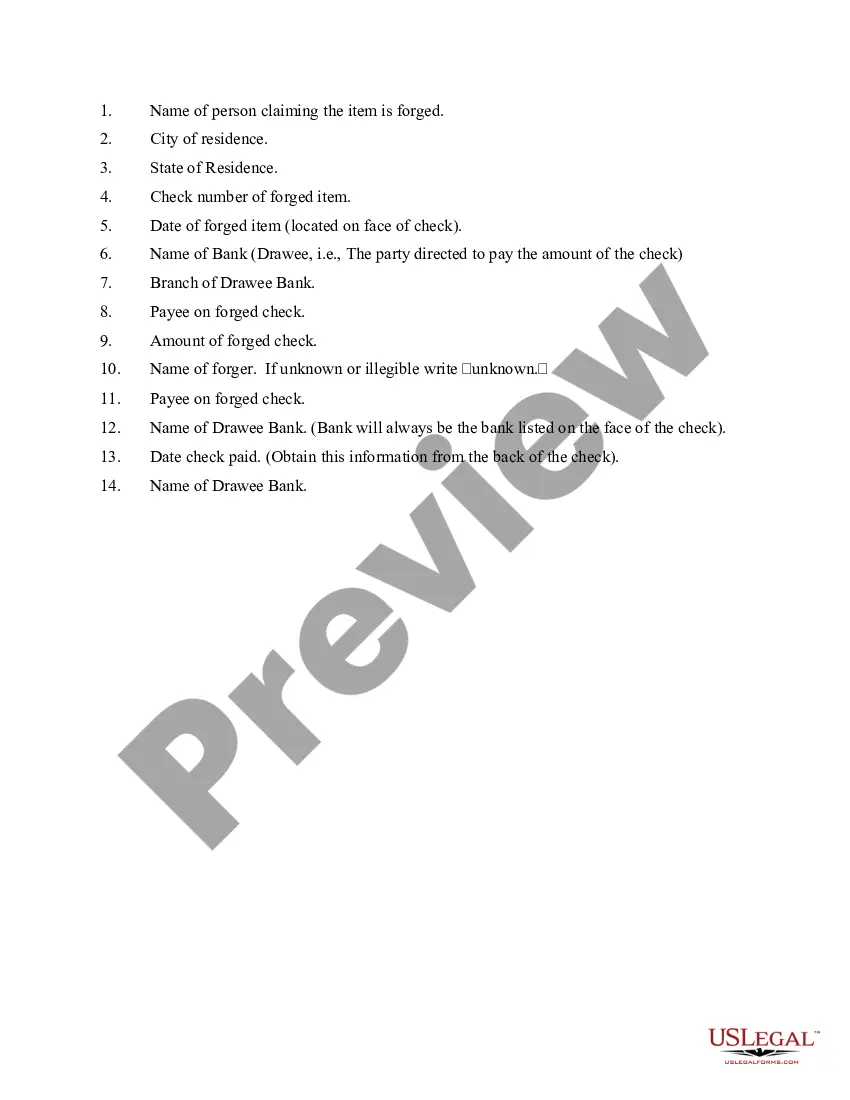
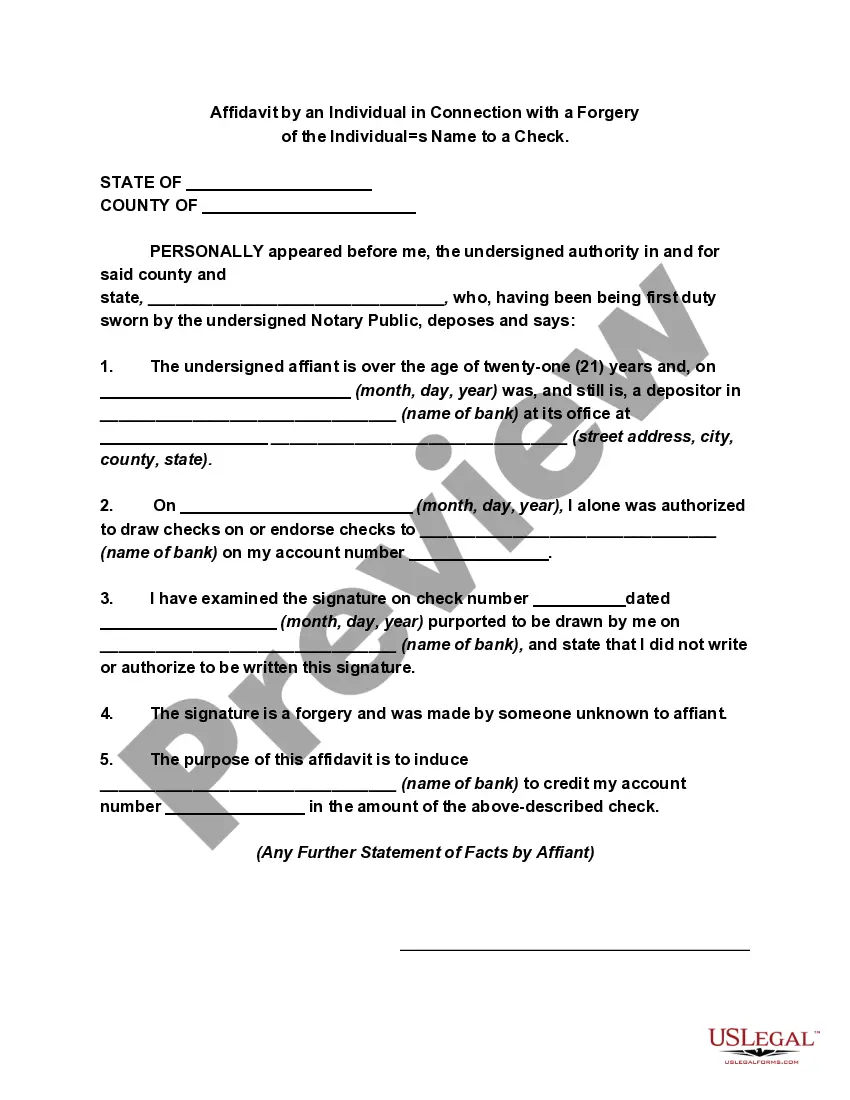
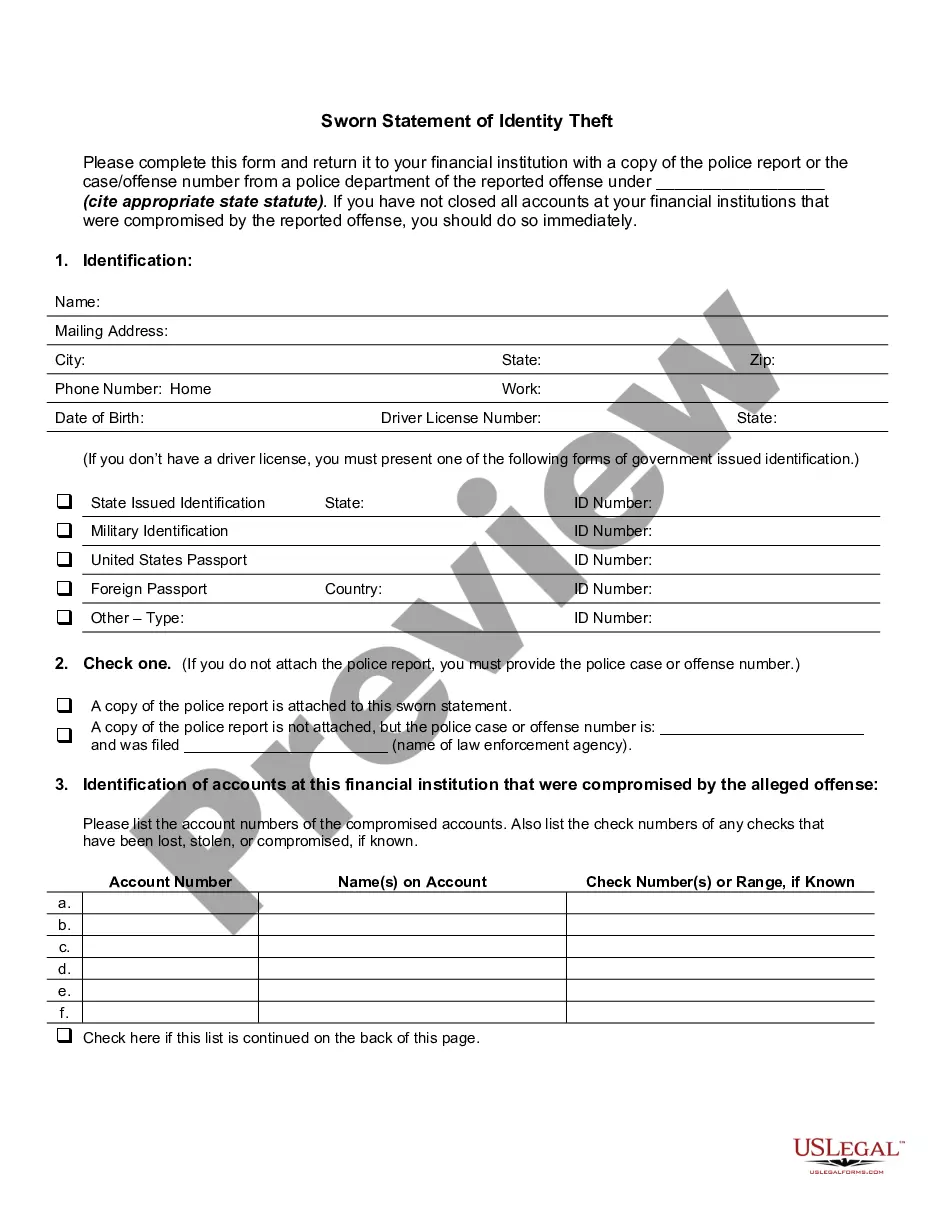
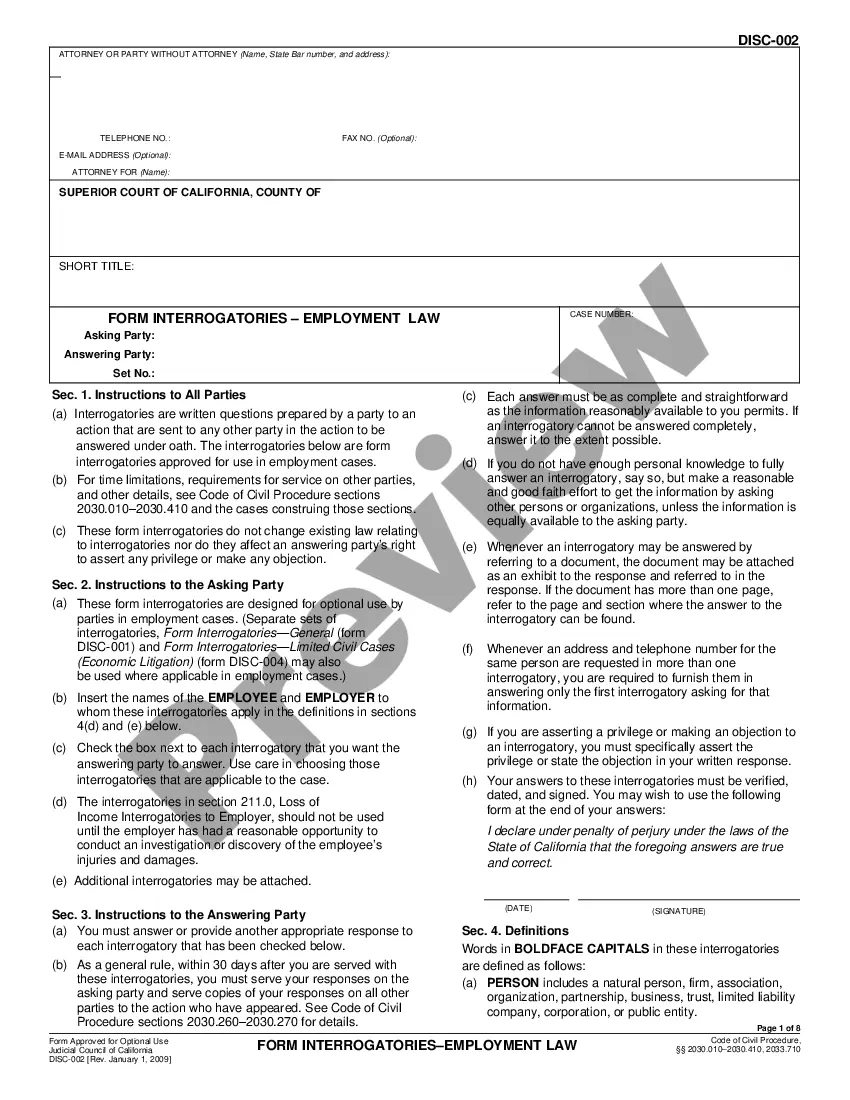
Forgery Forged Document In Miami-Dade
Description

Get your form ready online
Our built-in tools help you complete, sign, share, and store your documents in one place.
Make edits, fill in missing information, and update formatting in US Legal Forms—just like you would in MS Word.
Download a copy, print it, send it by email, or mail it via USPS—whatever works best for your next step.
Sign and collect signatures with our SignNow integration. Send to multiple recipients, set reminders, and more. Go Premium to unlock E-Sign.
If this form requires notarization, complete it online through a secure video call—no need to meet a notary in person or wait for an appointment.
We protect your documents and personal data by following strict security and privacy standards.

Make edits, fill in missing information, and update formatting in US Legal Forms—just like you would in MS Word.

Download a copy, print it, send it by email, or mail it via USPS—whatever works best for your next step.

Sign and collect signatures with our SignNow integration. Send to multiple recipients, set reminders, and more. Go Premium to unlock E-Sign.

If this form requires notarization, complete it online through a secure video call—no need to meet a notary in person or wait for an appointment.

We protect your documents and personal data by following strict security and privacy standards.
Looking for another form?







Form popularity
FAQ
The state of Florida carries harsh penalties for forgery as this criminal offense is classified as a third-degree felony. Third-degree felonies are usually punishable by up to five years of jail time and fines of up to $5,000.
The Penalties for Forging a Will in Florida Any person who falsifies a document with the intent to injure or defraud another person could be charged with and convicted of a third-degree felony, punishable by up to 5 years in prison and a fine of up to $5,000.
Forgery is a Third Degree Felony in Florida. Under Florida Statute 831.01, the crime of Forgery is committed when a person falsifies, alters, counterfeits, or forges a document that carries “legal efficacy” with the intent to injure or defraud another person or entity.
Forgery is a serious crime in Florida; if you are convicted of forging documents, your sentence can include up to five years in prison, up to five years of probation, and a $5,000 fine.
If a valid will exists but was not filed with the state of Florida, the decedent's assets and property cannot be transferred to beneficiaries. In Florida and most other places around the country, certain administrative requirements exist for assets to be distributed after a person dies.
A Will can be deemed invalid under certain circumstances, mainly if it was created under conditions of fraud, duress, or undue influence. However, if mistakes occur during the drafting or execution process of a Will, these errors may not necessarily invalidate the entire document.
Your Timeframe for Contesting a Florida Will Once a will has been accepted by the probate court, the personal representative must serve all interested parties with a Notice of Administration. You then have 90 days to contest the will.
Record a Document You have three options for recording your documents in the Official Records: You can bring your original documents in person, along with the appropriate fees, and a self-addressed stamped envelope to the Miami-Dade County Courthouse. You can eRecord your document through one of our approved vendors.
All items to be recorded must come with a self-addressed stamped envelope. The name, full address and zip code of the person to whom the recorded instrument will be returned must be written on the back of the document. The information on the back of the document and on the envelope must agree.
The plaintiff (generally the case is brought by the owner of the subject property) in a quiet title action seek the entry of a Court order that prevents any named respondent (referring to the party or parties “named” on the lawsuit) from making any subsequent claim(s) to the subject property.
