Forgery For Meaning In California
Description

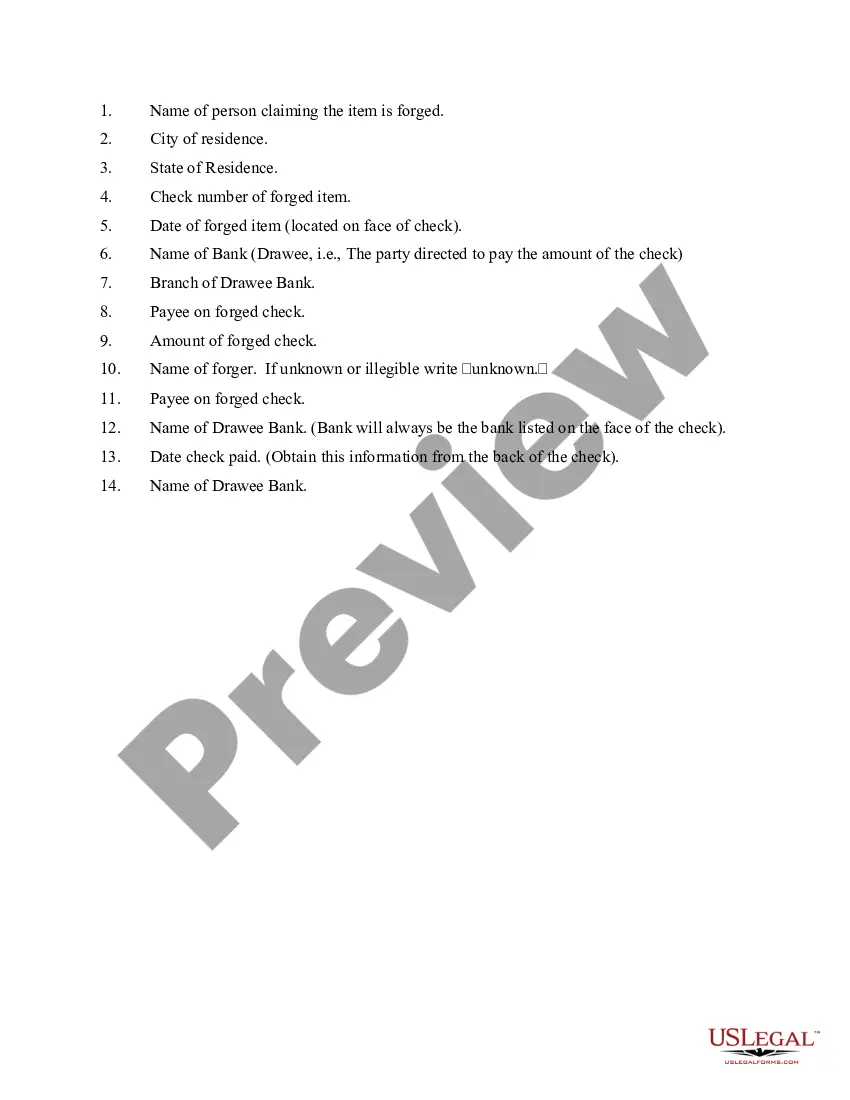
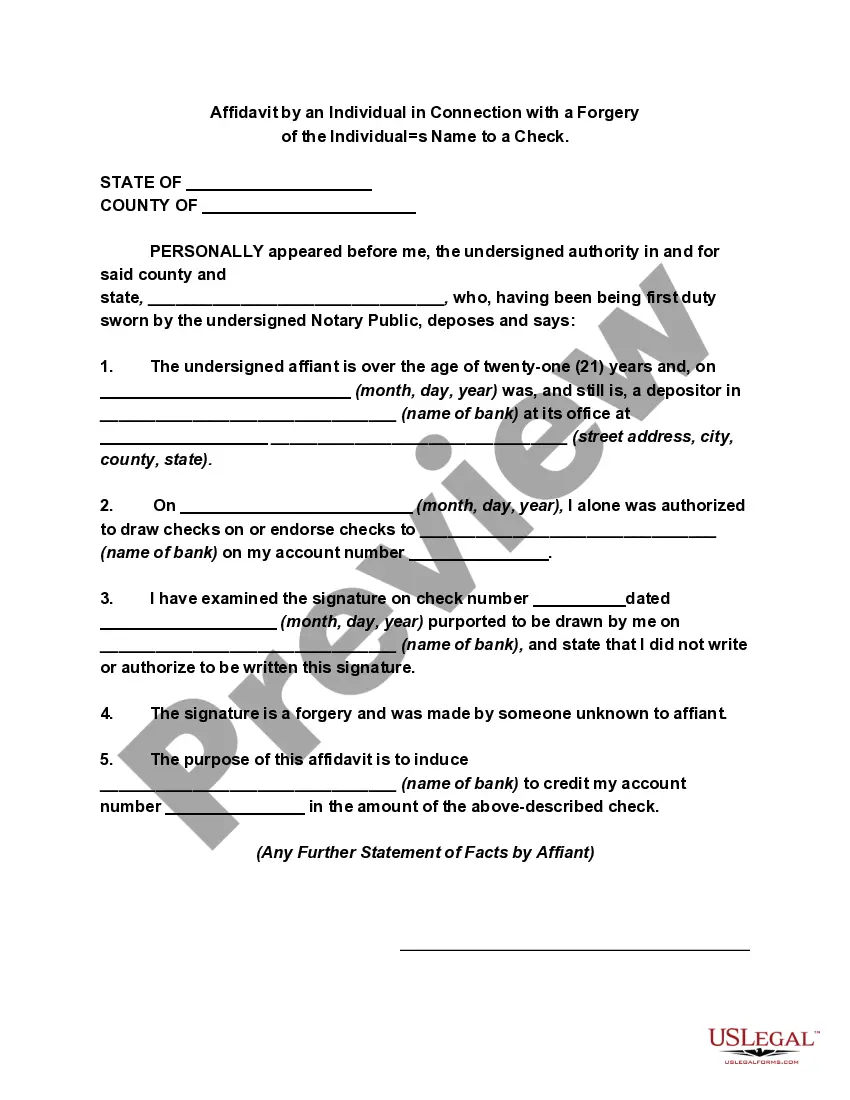
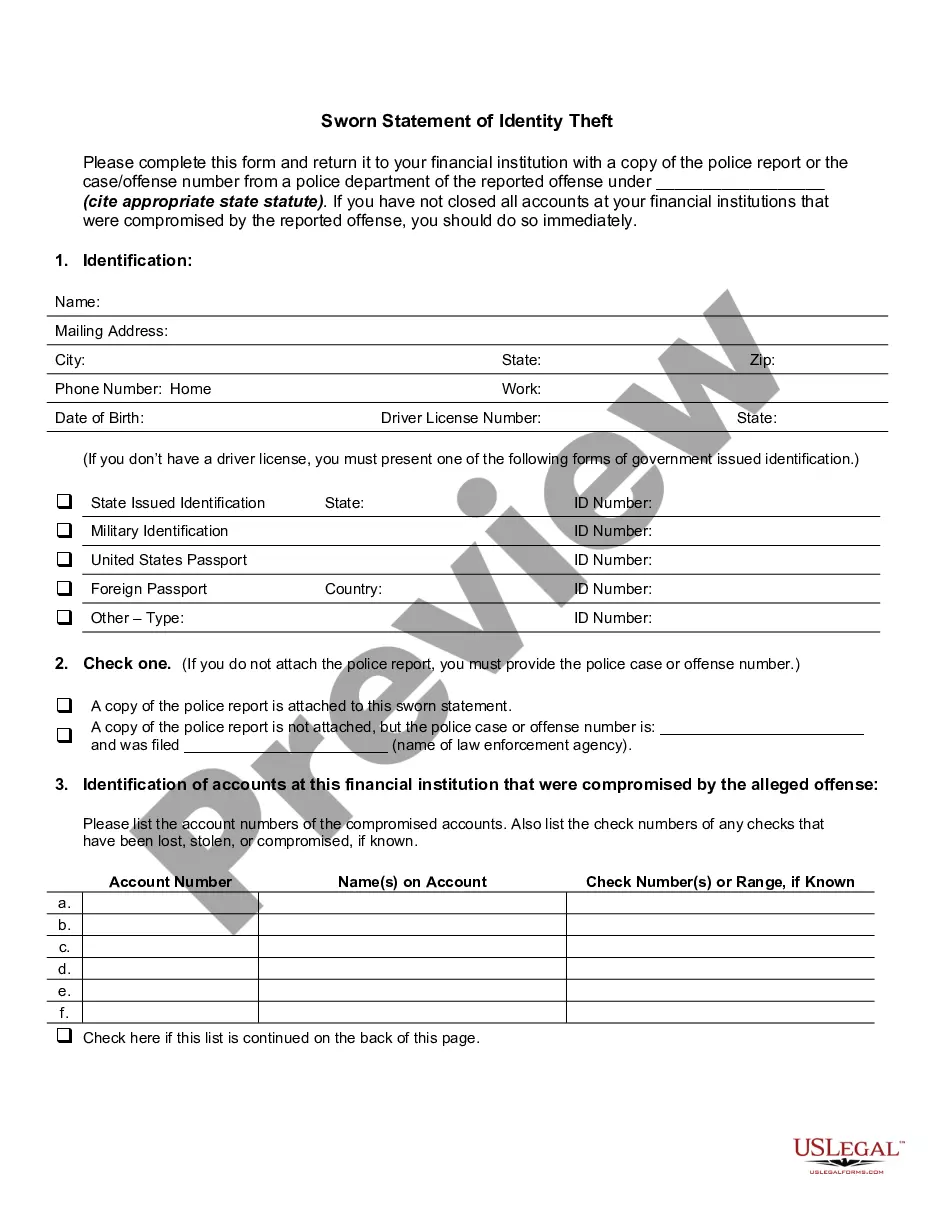
Get your form ready online
Our built-in tools help you complete, sign, share, and store your documents in one place.
Make edits, fill in missing information, and update formatting in US Legal Forms—just like you would in MS Word.
Download a copy, print it, send it by email, or mail it via USPS—whatever works best for your next step.
Sign and collect signatures with our SignNow integration. Send to multiple recipients, set reminders, and more. Go Premium to unlock E-Sign.
If this form requires notarization, complete it online through a secure video call—no need to meet a notary in person or wait for an appointment.
We protect your documents and personal data by following strict security and privacy standards.

Make edits, fill in missing information, and update formatting in US Legal Forms—just like you would in MS Word.

Download a copy, print it, send it by email, or mail it via USPS—whatever works best for your next step.

Sign and collect signatures with our SignNow integration. Send to multiple recipients, set reminders, and more. Go Premium to unlock E-Sign.

If this form requires notarization, complete it online through a secure video call—no need to meet a notary in person or wait for an appointment.

We protect your documents and personal data by following strict security and privacy standards.
Looking for another form?





Form popularity
FAQ
Forgery, in law, making of a false writing with an intent to defraud. Writing, to be forgery, must either have legal significance or be commonly relied upon in business transactions. It need not be handwriting; the law of forgery covers printing, engraving, and typewriting as well.
To prove someone is guilty of PC 470, the prosecutor must prove the following elements beyond a reasonable doubt: Defendant signed with another person's name or name; Defendant knew they did not have the authority to do so; Defendant did not have the authority to sign a name or another person's name;
Forgery is a serious offense, specifically defined under California Penal Code Section 470. California law considers various acts as forgery. These include counterfeiting documents, signing someone else's name without authorization, falsifying legal documents, or creating counterfeit currency.
Presenting False Written Evidence is a crime under California Penal Code Section 132 PC and the broader offense of Preparing False Evidence is a crime pursuant to California Penal Code Section 134 PC.
Investigators analyze and compare various traits, such as the appearance of letters, of suspicious documents with known samples to help identify the author of the document. Investigators might also be asked to detect changes that may have occurred in an original document.
One example of forgery is when someone signs another person's name to a document without their permission or knowledge. Another example of forgery is when someone creates a false government document, such as a driver's license.
Any person who forges any document or electronic record is guilty of an offence which, unless otherwise stated, is a felony and he is liable, unless owing to the circumstances of the forgery or the nature of the thing forged some other punishment is provided, to imprisonment for three years.
The punishment for forgery varies from place to place. In most states, a person convicted of misdemeanor must face a jail sentence of at least one year. However, a conviction for felony must face an imprisonment more than one year.
(a) Every person who feloniously steals, takes, carries, leads, or drives away any horse, mare, gelding, any bovine animal, any caprine animal, mule, jack, jenny, sheep, lamb, hog, sow, boar, gilt, barrow, or pig, which is the personal property of another, or who fraudulently appropriates that same property which has ...