Asset Agreement Form With Collateral
Description

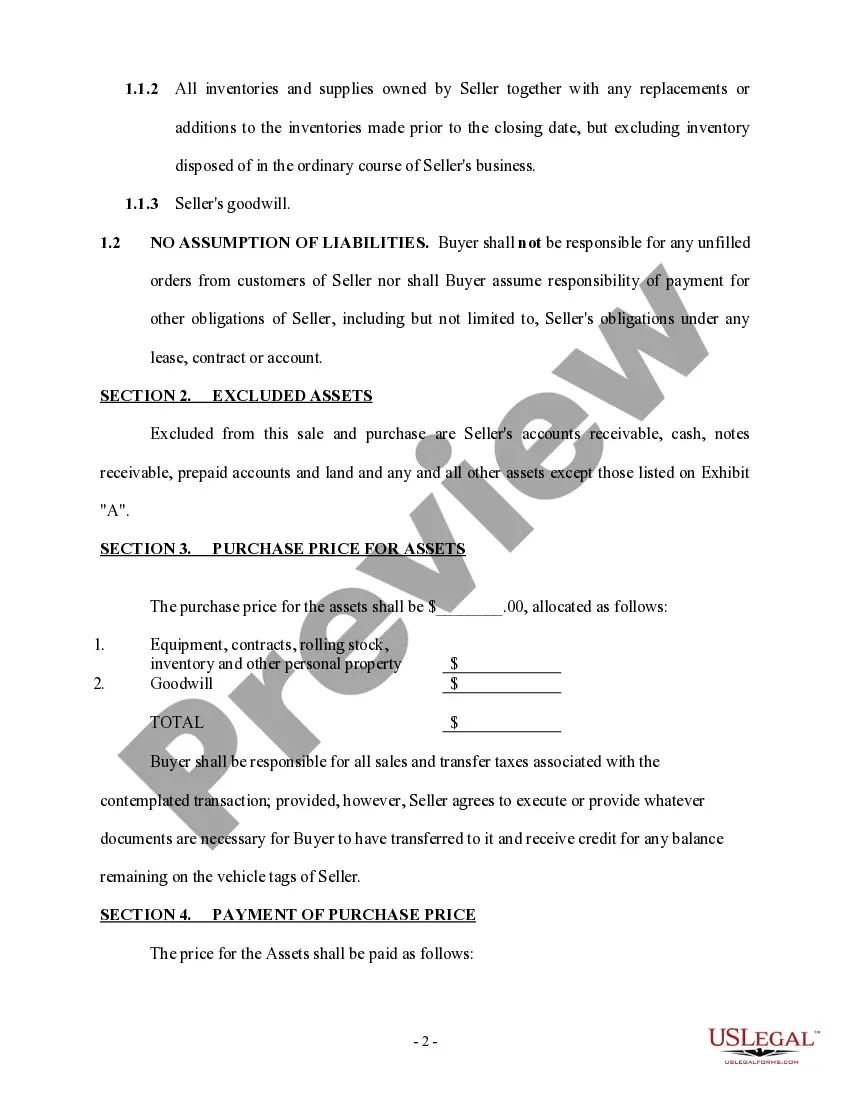
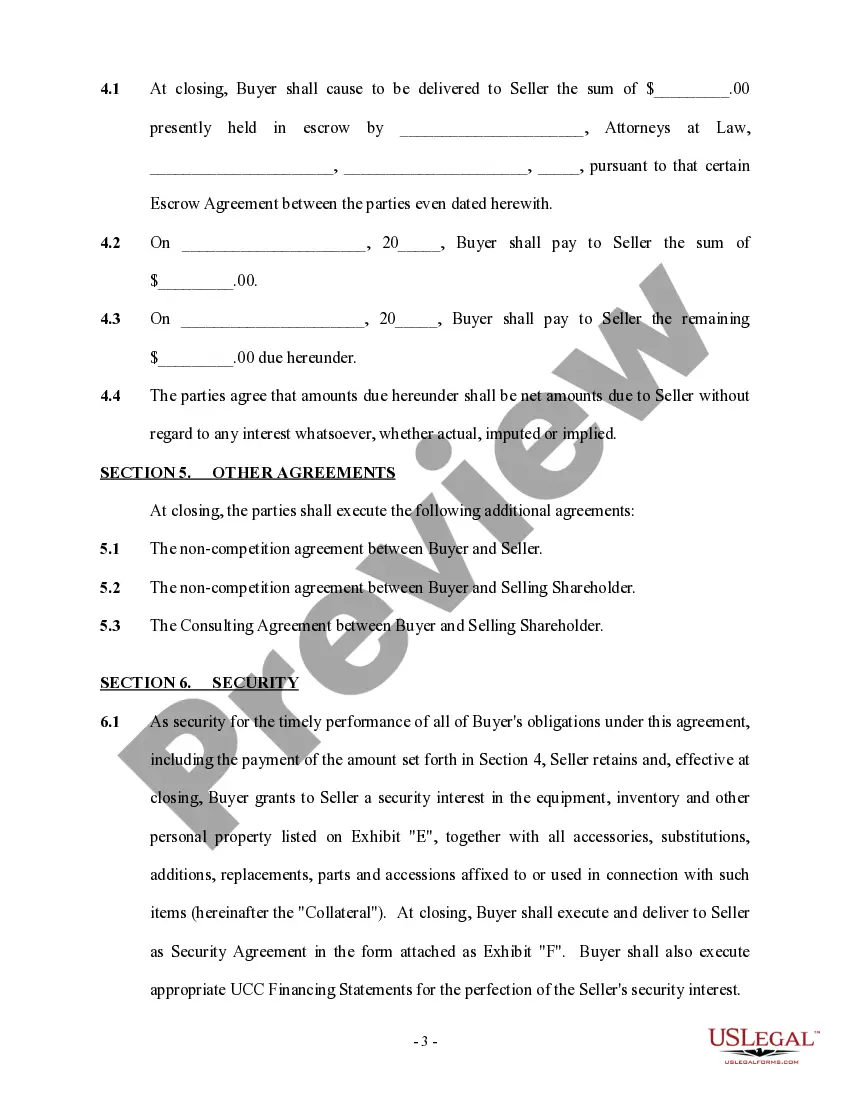
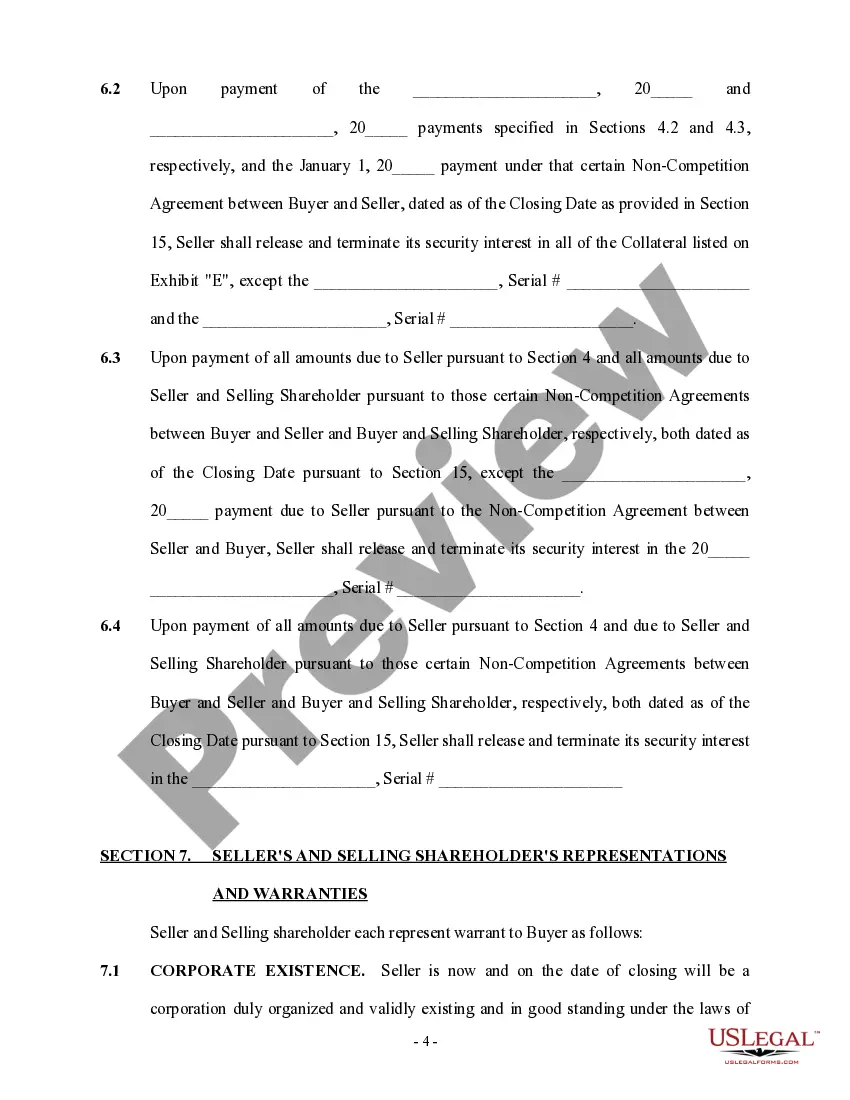
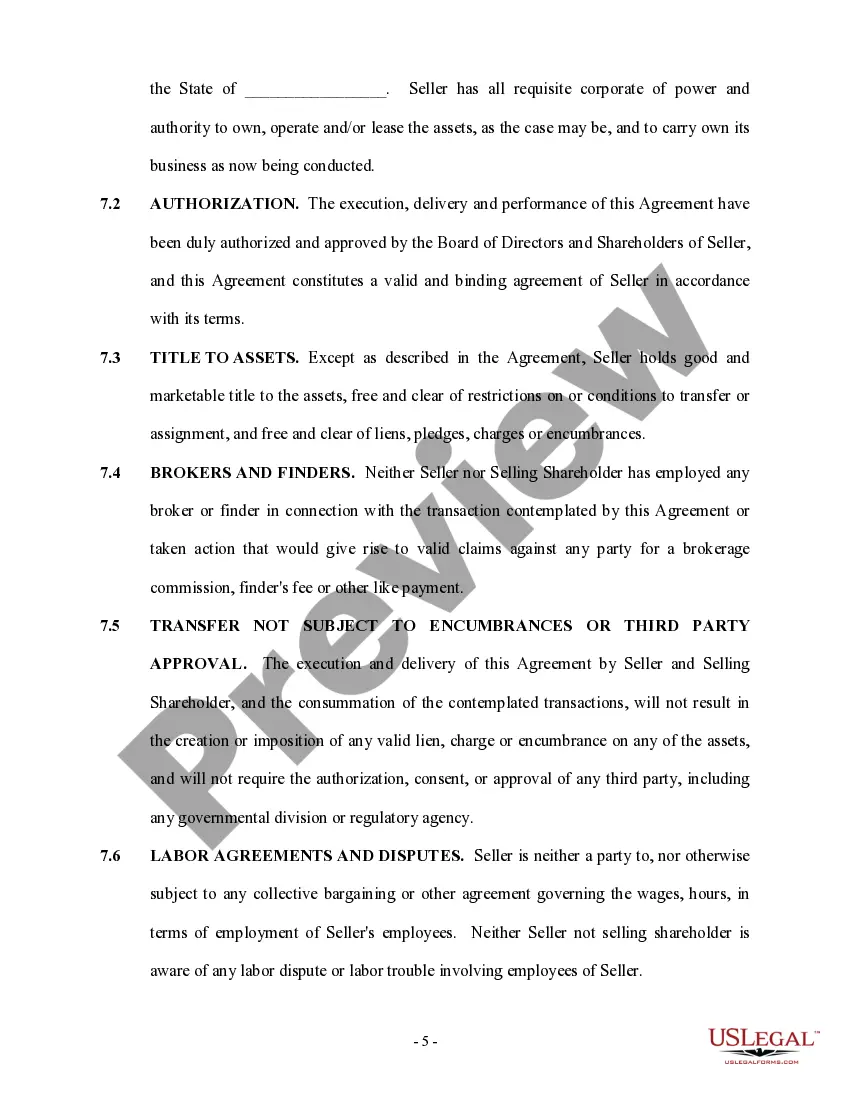


Get your form ready online
Our built-in tools help you complete, sign, share, and store your documents in one place.
Make edits, fill in missing information, and update formatting in US Legal Forms—just like you would in MS Word.
Download a copy, print it, send it by email, or mail it via USPS—whatever works best for your next step.
Sign and collect signatures with our SignNow integration. Send to multiple recipients, set reminders, and more. Go Premium to unlock E-Sign.
If this form requires notarization, complete it online through a secure video call—no need to meet a notary in person or wait for an appointment.
We protect your documents and personal data by following strict security and privacy standards.

Make edits, fill in missing information, and update formatting in US Legal Forms—just like you would in MS Word.

Download a copy, print it, send it by email, or mail it via USPS—whatever works best for your next step.

Sign and collect signatures with our SignNow integration. Send to multiple recipients, set reminders, and more. Go Premium to unlock E-Sign.

If this form requires notarization, complete it online through a secure video call—no need to meet a notary in person or wait for an appointment.

We protect your documents and personal data by following strict security and privacy standards.
Looking for another form?

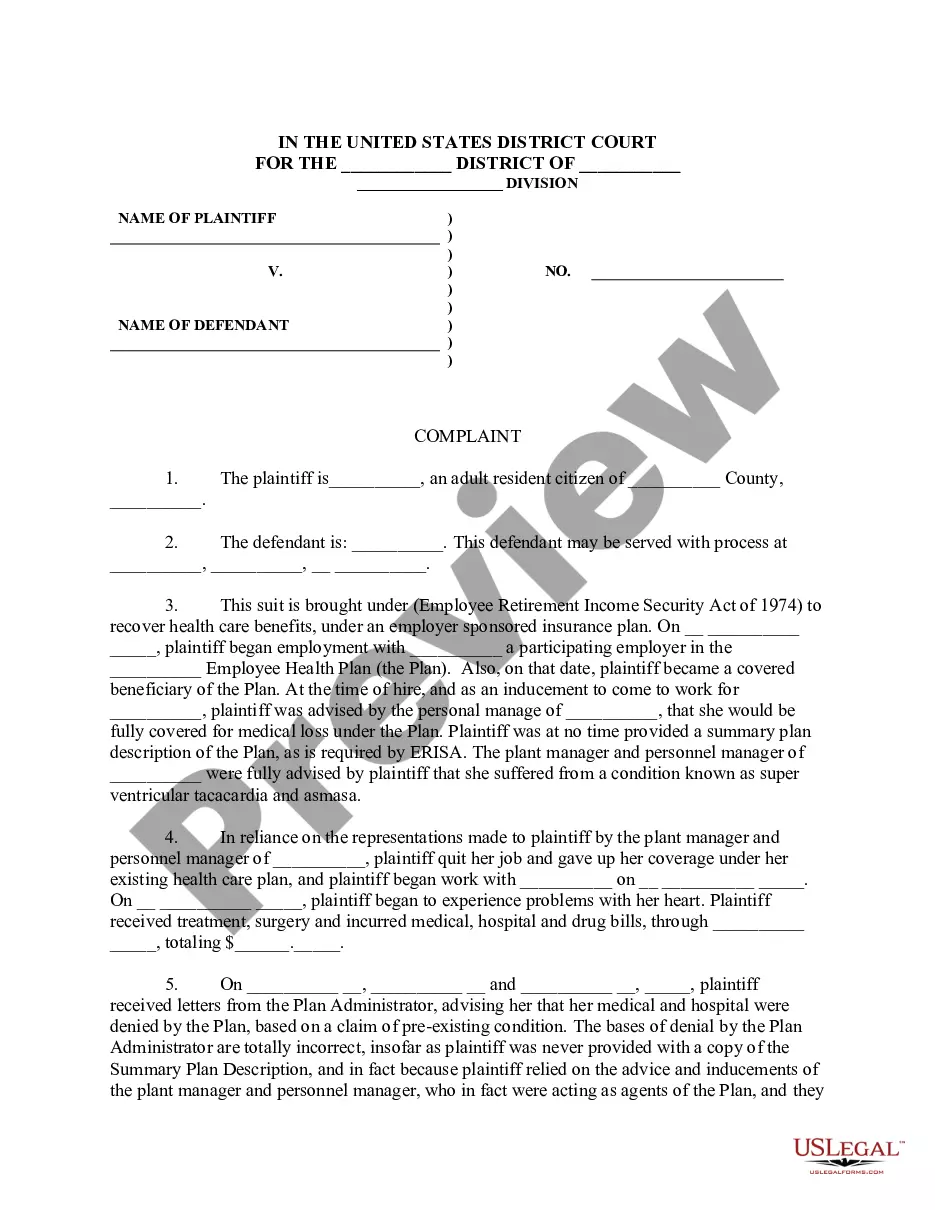


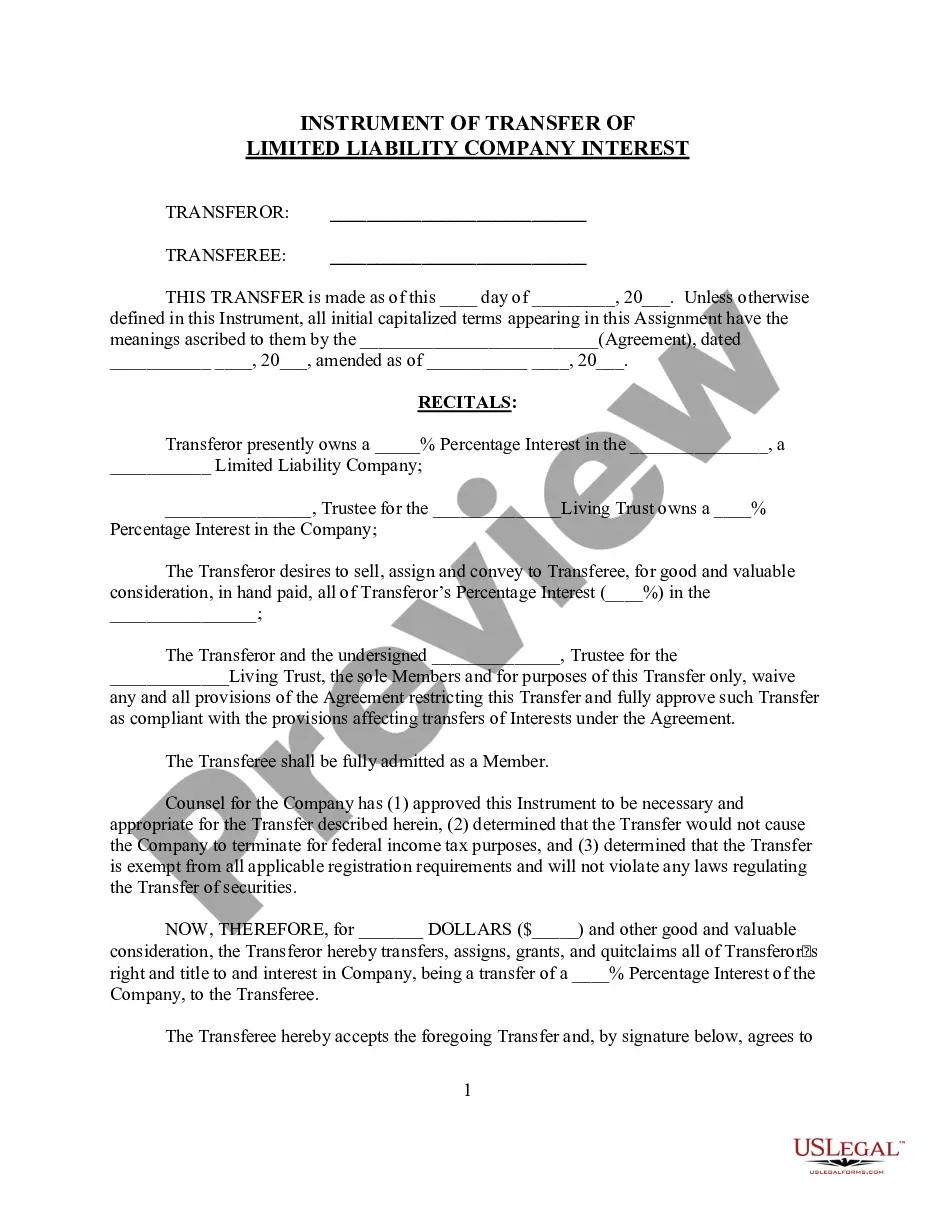
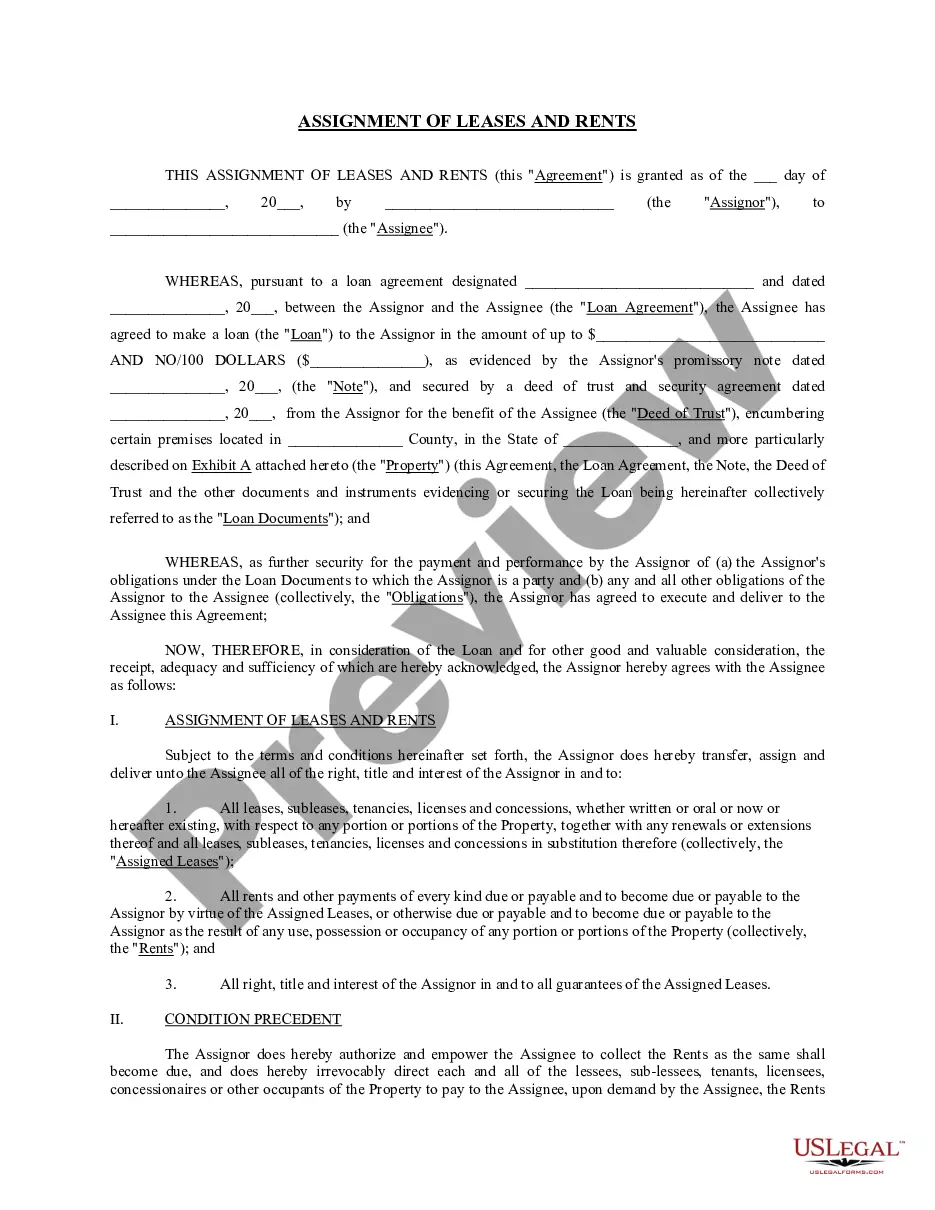


How to fill out Asset Purchase Agreement - More Complex?
Obtaining legal templates that comply with federal and local statutes is vital, and the internet provides numerous choices.
However, why spend time searching for the correctly crafted Asset Agreement Form With Collateral example online when the US Legal Forms digital library already compiles such templates in one location.
US Legal Forms is the largest online legal repository featuring over 85,000 fillable templates created by lawyers for various professional and personal situations. They are easy to navigate with all documents organized by state and intended use.
To find another sample, utilize the search feature at the top of the page if necessary. Click Buy Now once you’ve found the suitable form and select a subscription plan. Create an account or Log In and process your payment via PayPal or credit card. Choose the format for your Asset Agreement Form With Collateral and download it. All templates you discover through US Legal Forms are reusable. To re-download and complete forms you have previously acquired, access the My documents section in your profile. Take advantage of the most comprehensive and user-friendly legal document service!
- Our specialists keep up with legal changes, ensuring your form is current and compliant when obtaining an Asset Agreement Form With Collateral from our site.
- Acquiring an Asset Agreement Form With Collateral is straightforward and fast for both existing and new users.
- If you have an account with an active subscription, sign in and save the document sample you need in your preferred format.
- If you are new to our platform, follow the steps below.
- Examine the template using the Preview function or through the text outline to ensure it satisfies your needs.
Form popularity
FAQ
What Is Collateral? Collateral in the financial world is a valuable asset that a borrower pledges as security for a loan. For example, when a homebuyer obtains a mortgage, the home serves as the collateral for the loan. For a car loan, the vehicle is the collateral.
A collateral contract is a contract to enter into an future contract. Part of the consideration for the collateral contract is the promise to enter into the second contract. This is similar to a conditional contract whereby the consideration for one party is conditioned on the other party doing something.
Suppose you agree to rent an apartment. The lease agreement you sign with the landlord is the main contract. However, your landlord promises to fix the toilet drainage. Therefore, this is the collateral contract.
Collateral is an item of value pledged to secure a loan. Collateral reduces the risk for lenders. If a borrower defaults on the loan, the lender can seize the collateral and sell it to recoup its losses.
A contract for a collateral loan should clearly state what asset(s) are being used to secure the loan and include a clause on what could happen to the asset if the borrower defaults. It should also clearly outline the circumstances under which the collateral could be forfeited to the lender.