New York State Deferred Compensation Plan Annual Report In Collin
Description

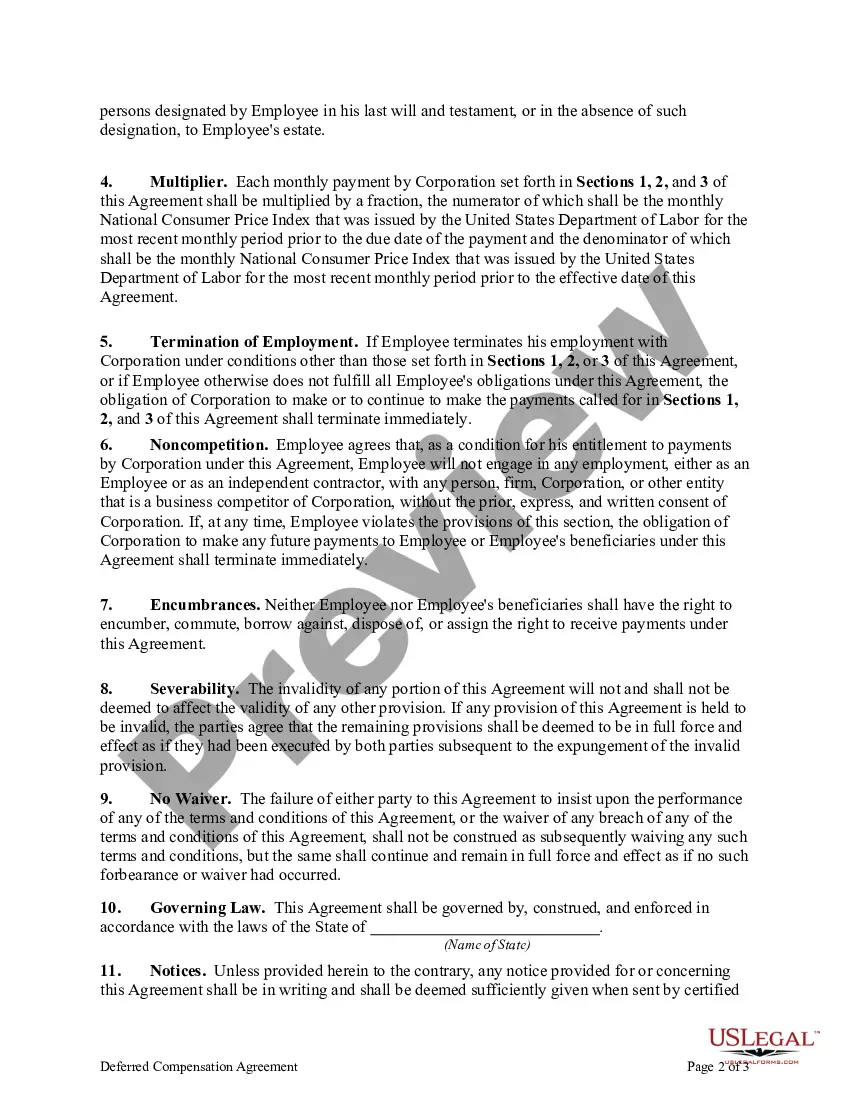
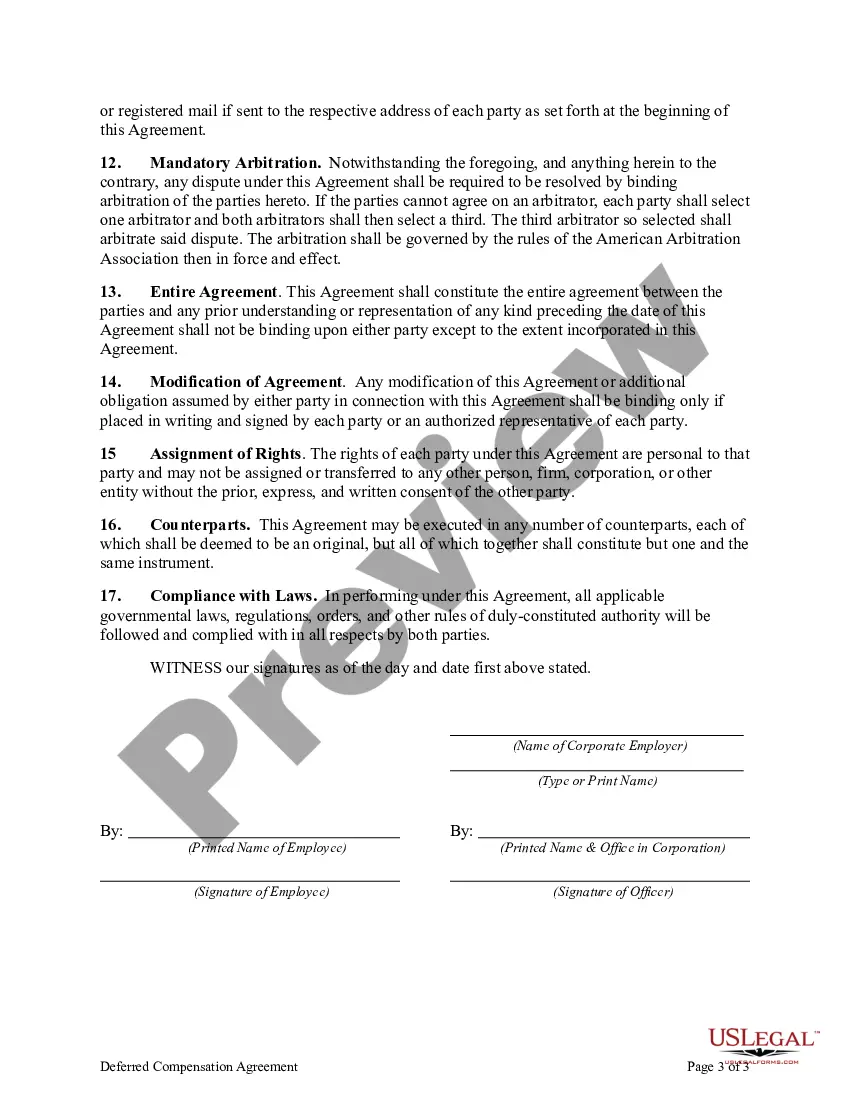

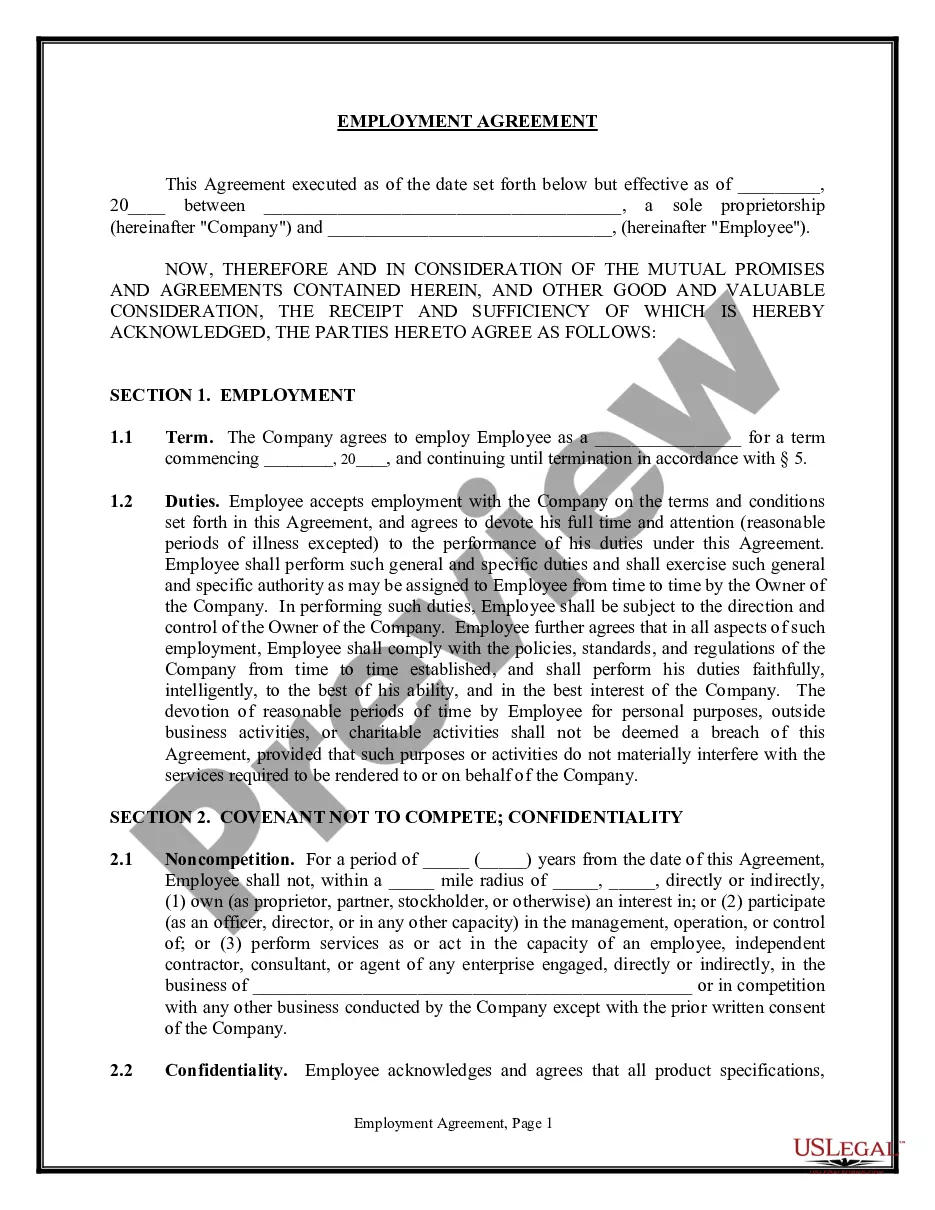
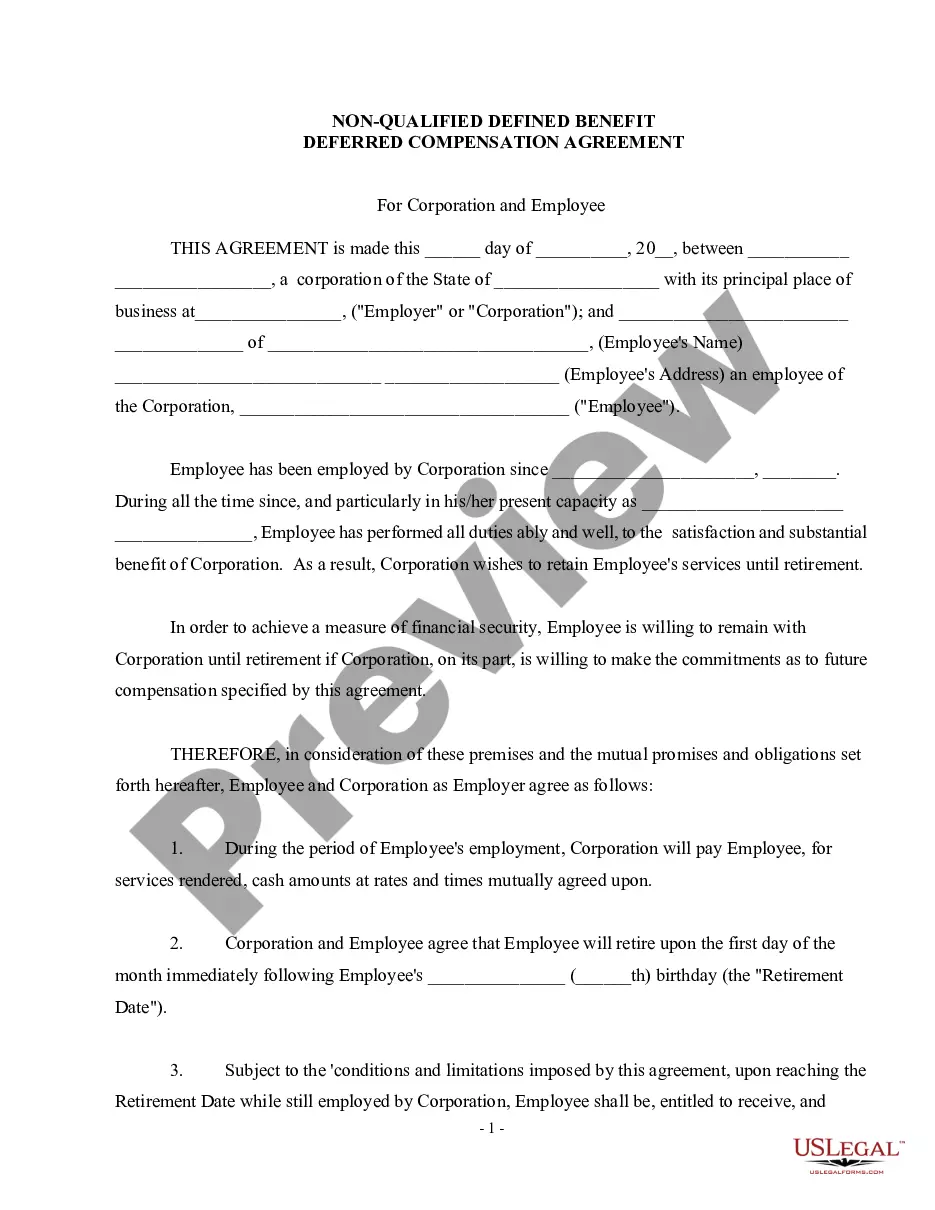
Get your form ready online
Our built-in tools help you complete, sign, share, and store your documents in one place.
Make edits, fill in missing information, and update formatting in US Legal Forms—just like you would in MS Word.
Download a copy, print it, send it by email, or mail it via USPS—whatever works best for your next step.
Sign and collect signatures with our SignNow integration. Send to multiple recipients, set reminders, and more. Go Premium to unlock E-Sign.
If this form requires notarization, complete it online through a secure video call—no need to meet a notary in person or wait for an appointment.
We protect your documents and personal data by following strict security and privacy standards.

Make edits, fill in missing information, and update formatting in US Legal Forms—just like you would in MS Word.

Download a copy, print it, send it by email, or mail it via USPS—whatever works best for your next step.

Sign and collect signatures with our SignNow integration. Send to multiple recipients, set reminders, and more. Go Premium to unlock E-Sign.

If this form requires notarization, complete it online through a secure video call—no need to meet a notary in person or wait for an appointment.

We protect your documents and personal data by following strict security and privacy standards.
Looking for another form?







Form popularity
FAQ
The Plan differs from other defined contribution retirement plans (like a 401(k) or 403(b)), because it is designed and managed with public employees in mind. The New York State Deferred Compensation Board establishes and administers the Plan policies.
Overseen by the New York State Deferred Compensation Board, the Plan is managed by a professional staff located in Albany, NY. The primary function of the Board office is to provide centralized oversight of all the Plan's operations and manage the Plan to a Board-approved annual administration budget.
All local governments in New York State have the authority to sponsor a deferred compensation plan for their employees. Deferred compensation plans are authorized by Section 457 of the Internal Revenue Code and permit employees to save a portion of their current income for retirement.
Distribution of earnings from the Roth 457 and 401(k) Plan before age 59½ or for a period shorter than five taxable years are subject to all applicable income taxes (Roth 401(k) distribution is also subject to penalties).
The Deferred Compensation “Retirement Catch-Up” provision, available to employees in each of the last three years prior to normal retirement age, increases from $23,000.00 to $23,500, for a combined maximum contribution of $47,000 for calendar year 2025.
The regular yearly contributions amount for Deferred Compensation will increase from $23,000 to $23,500. The catch-up contribution limit that generally applies for employees aged 50 and over remains at $7,500 for 2025 for a combined maximum contribution limit of $31,000 in 2025.
The Plan differs from other defined contribution retirement plans (like a 401(k) or 403(b)), because it is designed and managed with public employees in mind. The New York State Deferred Compensation Board establishes and administers the Plan policies.
The New York City Deferred Compensation Plan (DCP) allows eligible New York City employees a way to save for retirement through convenient payroll deductions. DCP is comprised of two programs: a 457 Plan and a 401(k) Plan, both of which offer pre-tax and Roth (after-tax) options.
Qualified retirement plans, deferred compensation plans and individual retirement accounts are all different, including fees and when you can access funds. Assets rolled over from your account(s) may be subject to surrender charges, other fees and/or a 10% tax penalty if withdrawn before age 59½.
