Business Partner Buyout Agreement Formula In Virginia
Description

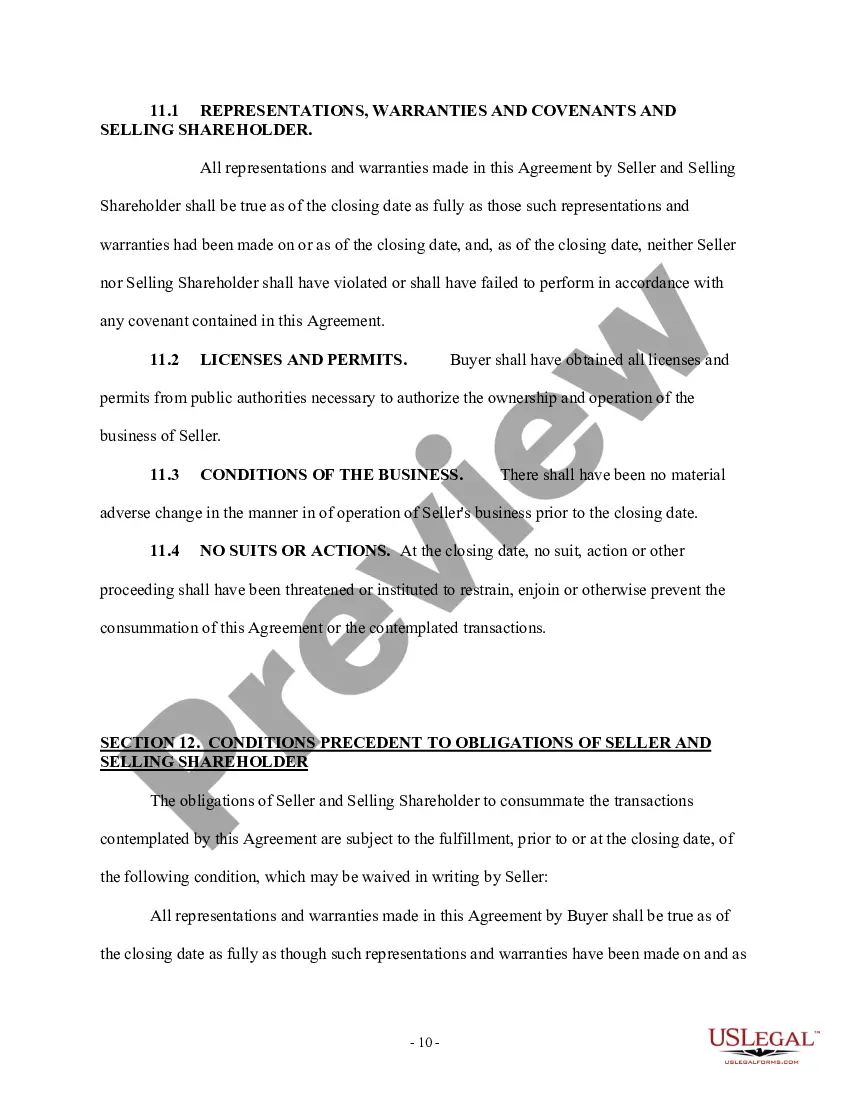


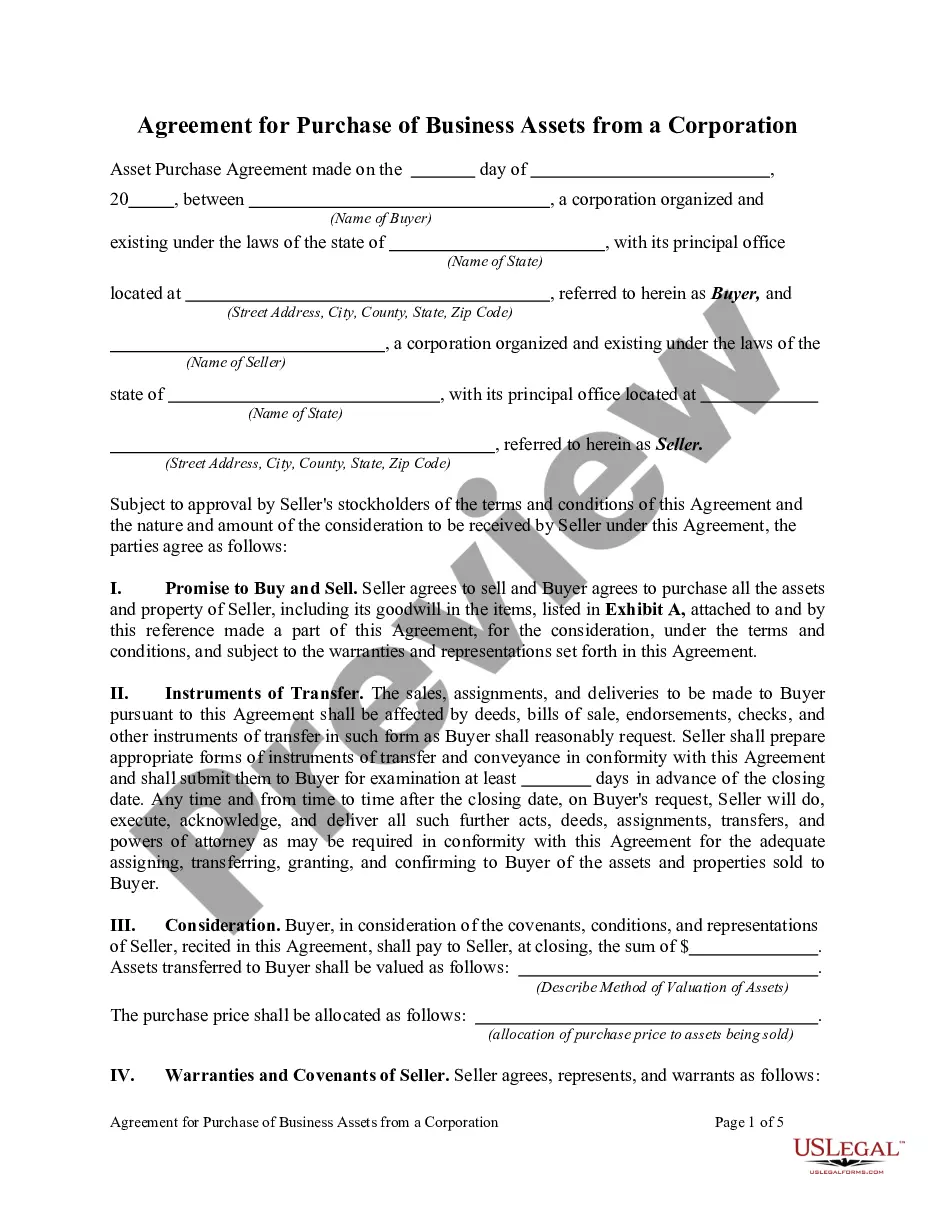
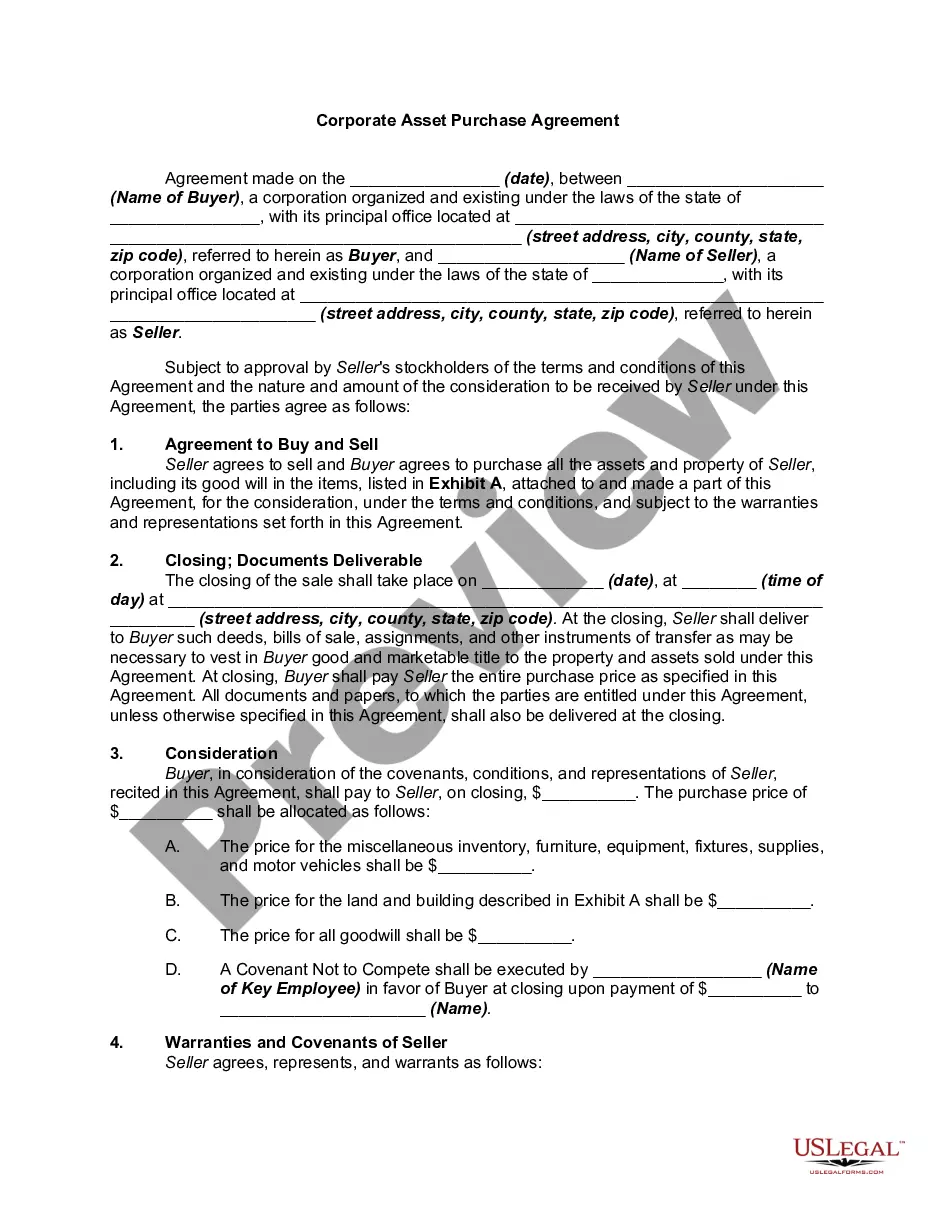
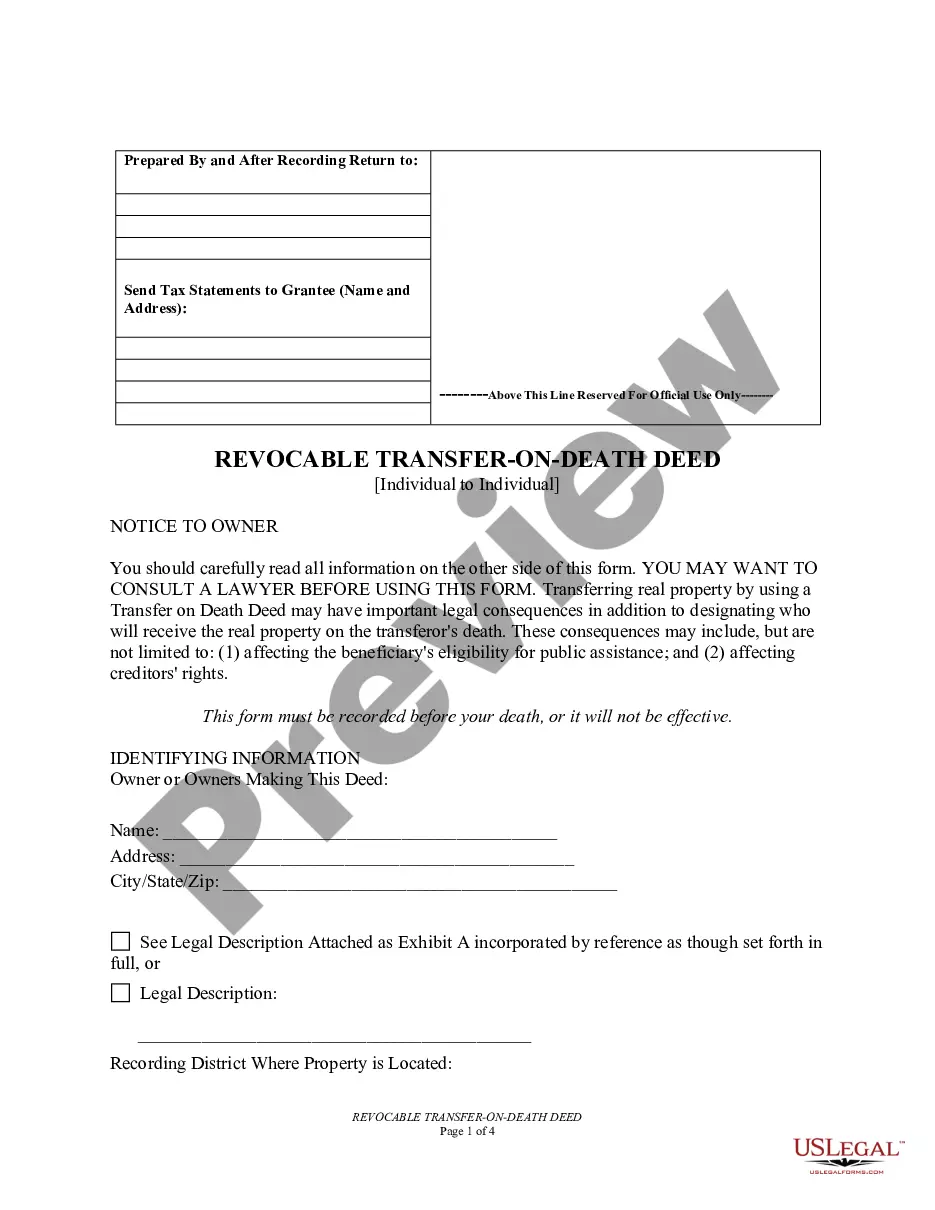
Get your form ready online
Our built-in tools help you complete, sign, share, and store your documents in one place.
Make edits, fill in missing information, and update formatting in US Legal Forms—just like you would in MS Word.
Download a copy, print it, send it by email, or mail it via USPS—whatever works best for your next step.
Sign and collect signatures with our SignNow integration. Send to multiple recipients, set reminders, and more. Go Premium to unlock E-Sign.
If this form requires notarization, complete it online through a secure video call—no need to meet a notary in person or wait for an appointment.
We protect your documents and personal data by following strict security and privacy standards.

Make edits, fill in missing information, and update formatting in US Legal Forms—just like you would in MS Word.

Download a copy, print it, send it by email, or mail it via USPS—whatever works best for your next step.

Sign and collect signatures with our SignNow integration. Send to multiple recipients, set reminders, and more. Go Premium to unlock E-Sign.

If this form requires notarization, complete it online through a secure video call—no need to meet a notary in person or wait for an appointment.

We protect your documents and personal data by following strict security and privacy standards.
Looking for another form?




Form popularity
FAQ
Steps to Determine Partnership Percentage Start by assessing the contributions of each partner, such as capital invested, assets brought into the business, and any special skills or expertise. Assign weightages to these contributions based on their significance to the success of the partnership.
Profit share does not have to equal equity. As an example, two people can agree to split net profits 50/50 even though the percentage of equity is split 60/40. Just get it in writing. So find out their expectations for long term income and equity.
Partnership Buyout Formula You can use a simple formula to determine your partner's share in the company. First, find out the appraised value of the business. Then, multiply that value by the percentage of ownership your partner holds in the company.
Determine the total profit earned by the partnership. Identify the agreed-upon profit-sharing ratio between the partners. This ratio is usually based on each partner's investment, effort, or other factors agreed upon by the partners. Divide the total profit by the sum of the ratio values to find the value of one share.
Step 1: Determine the total profits of the partnership for a given period. Step 2: Subtract any expenses and liabilities from the total profits to arrive at the net profits. Step 3: Decide on a percentage or ratio for each partner's share of the profits.
How does a 60/40 partnership work? In this arrangement, one partner owns 60% of the company while the other partner owns 40%. This structure allows for an unequal distribution of control and decision-making power between partners.
The steps involved include: File a Partnership Dissolution Form. Notify the Parties Associated with the Business. Settle all Debts and Liabilities. Divide Assets. Close All Company Accounts. Strategies for Resolving Conflicts Amicably.
Established Business: Offer 5% to 10% if they can demonstrate a clear strategy to drive sales growth. Ultimately, the right percentage will depend on the specific circumstances of your business and the individual partner's contributions.
If a partner's departure triggers an end to the partnership, the partners will need to follow a dissolution procedure. In this case, the partnership will settle its debts and distribute any remaining assets to the partners—including the withdrawing partner—ing to their capital accounts.
