Difference Between Asset Sale And Business Sale In North Carolina
Description

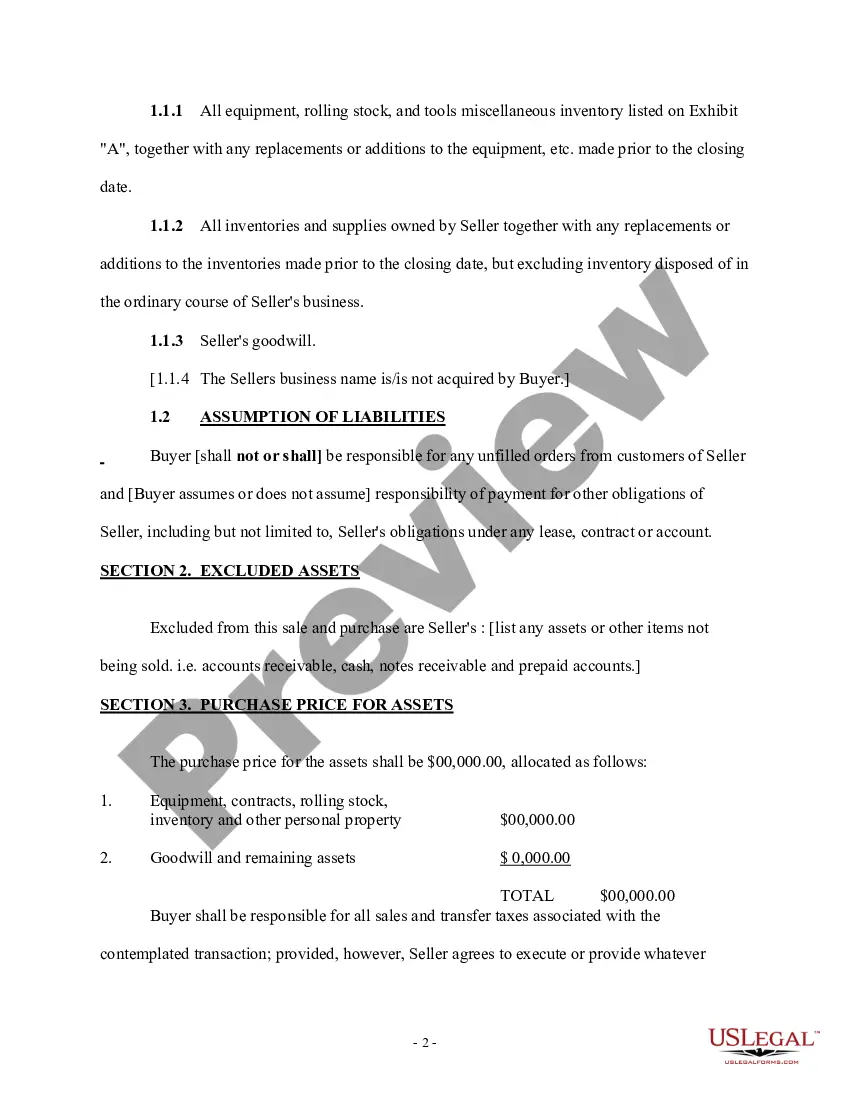
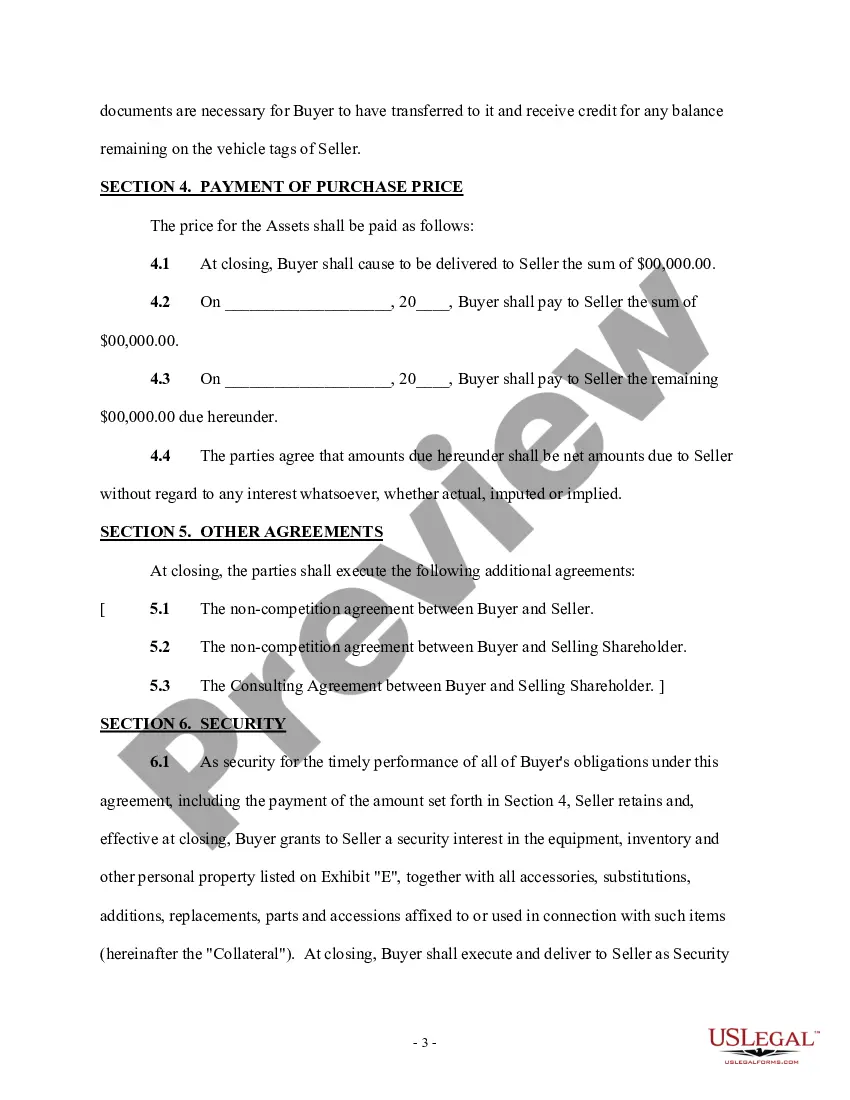
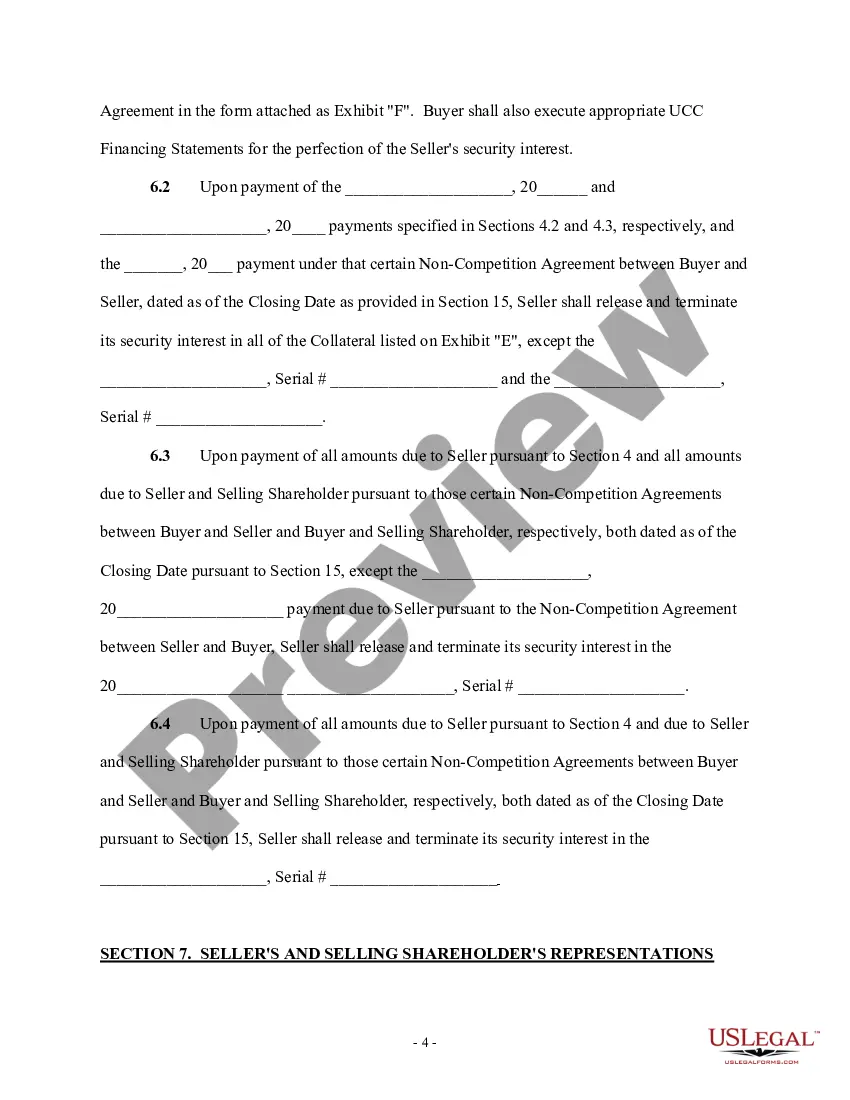
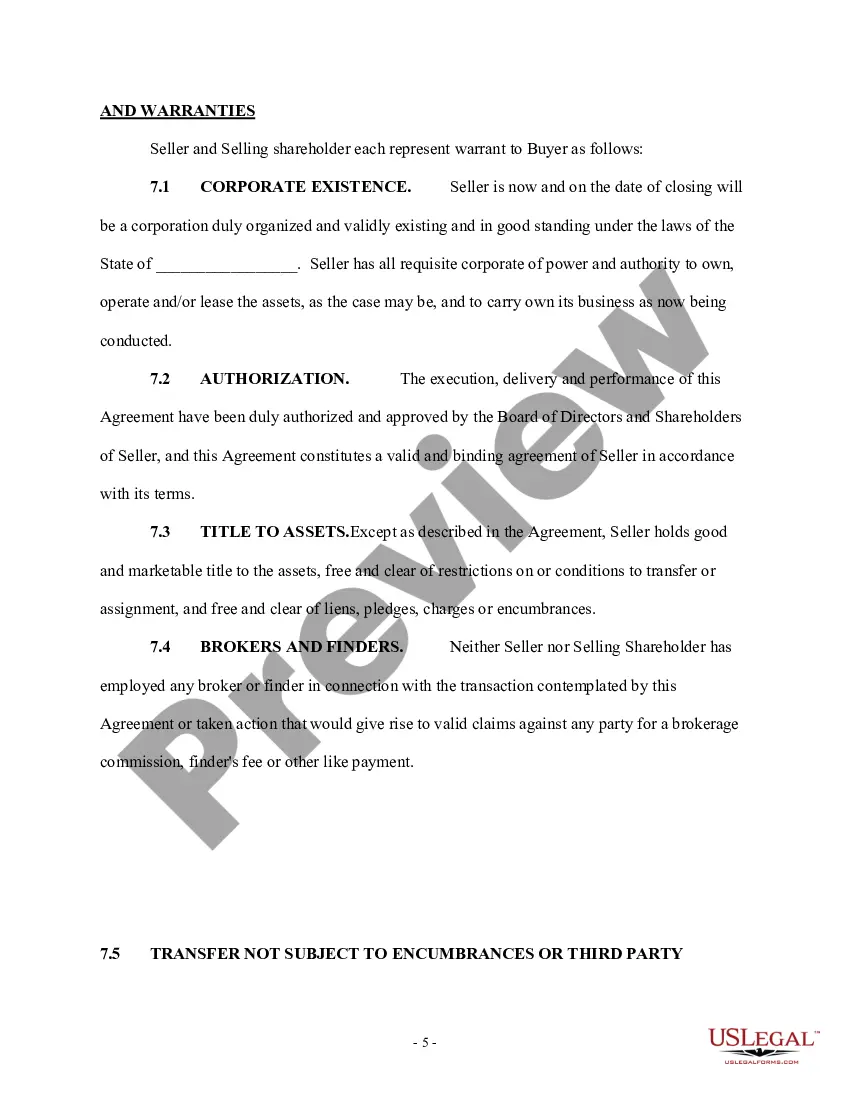
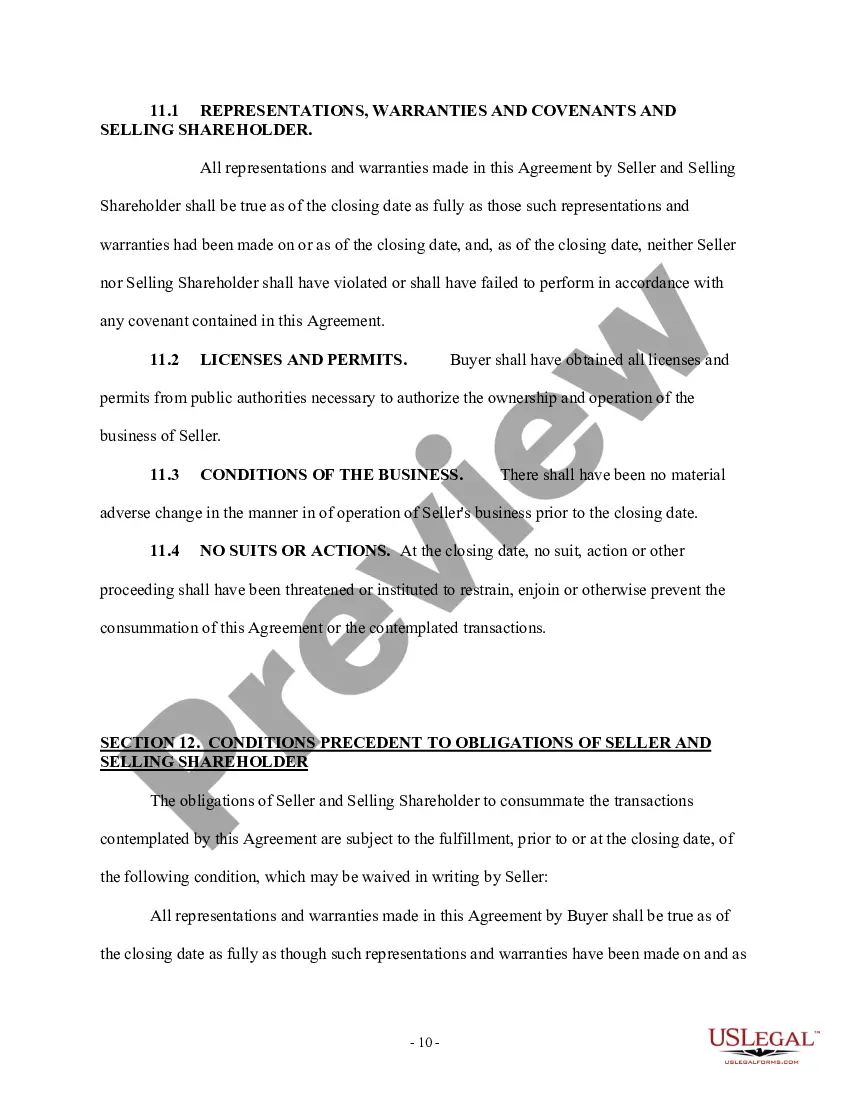


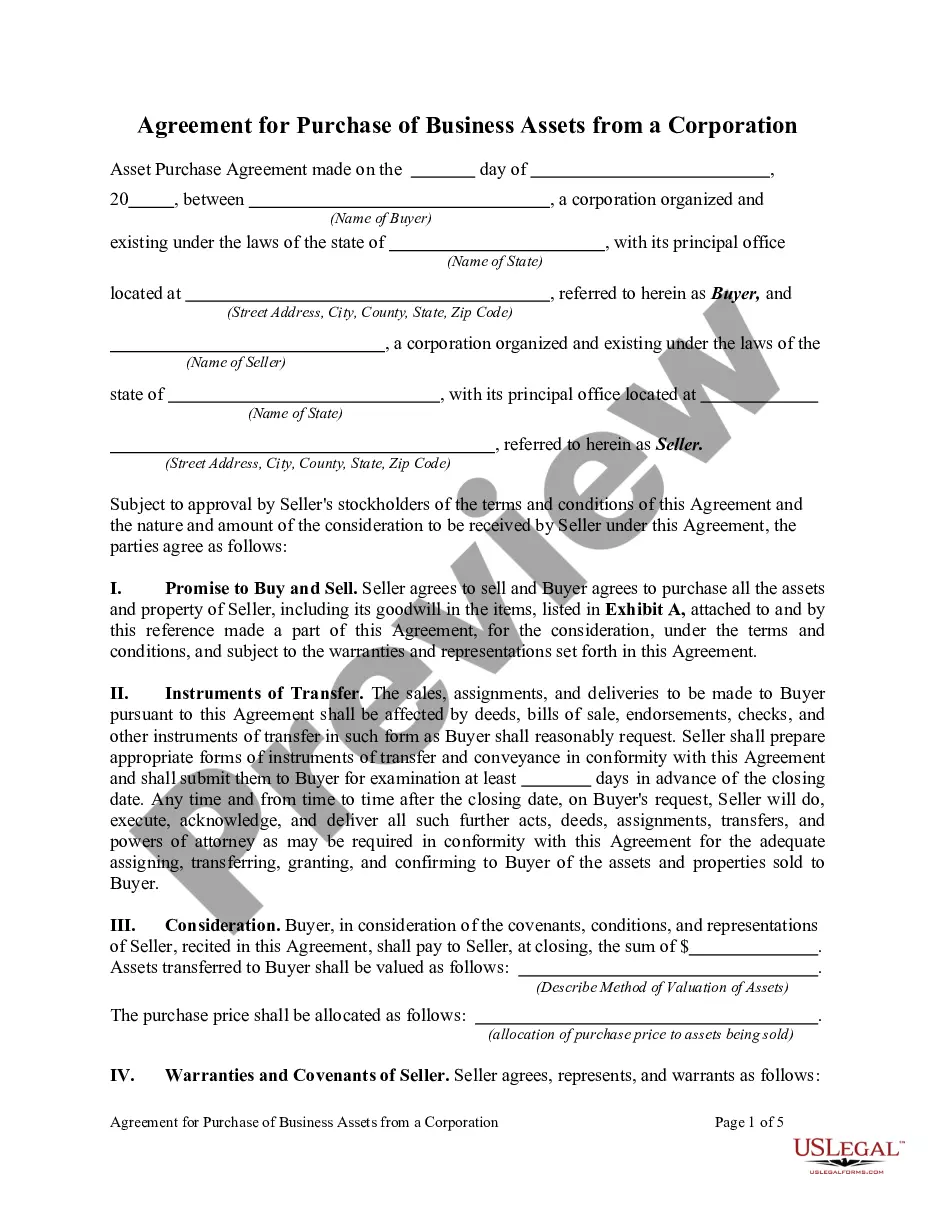
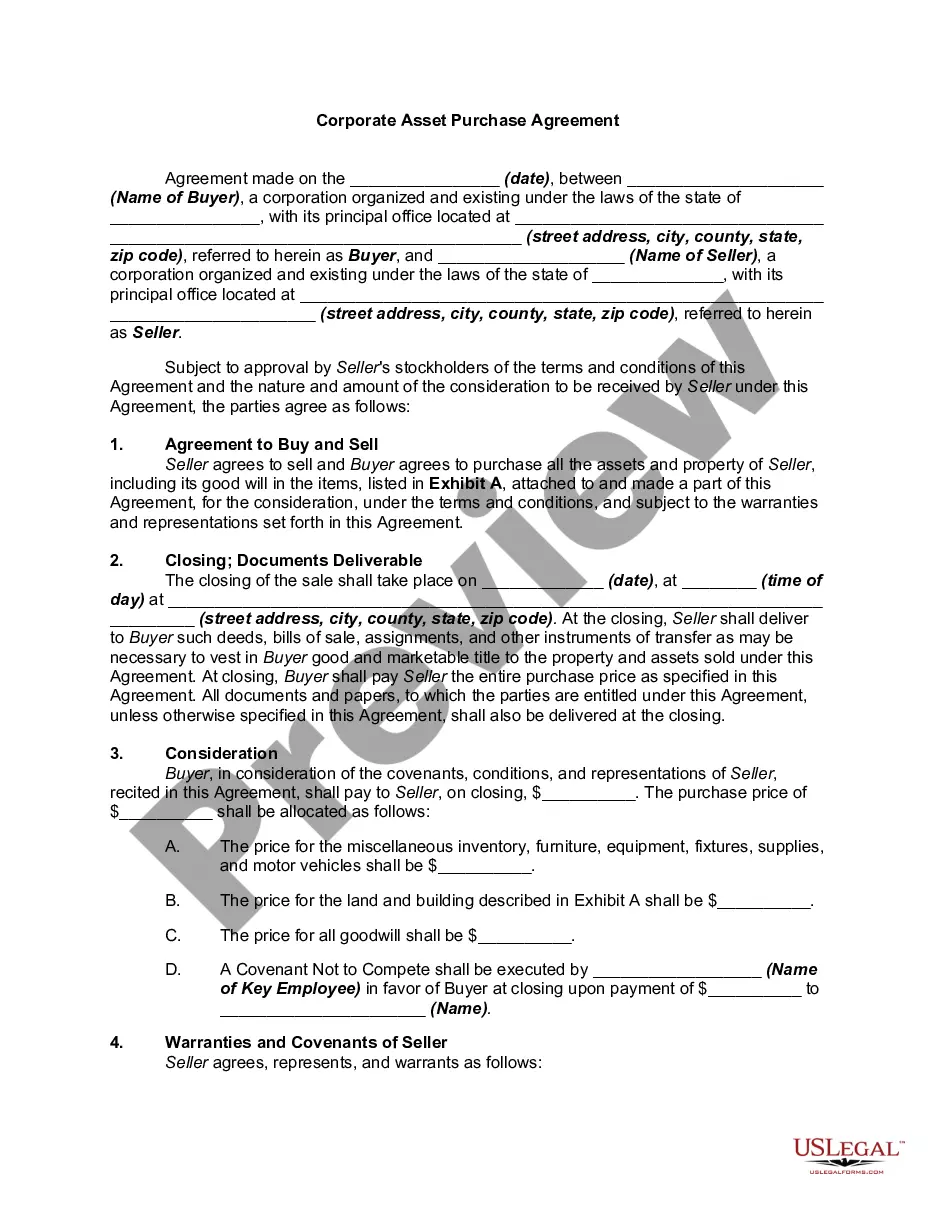
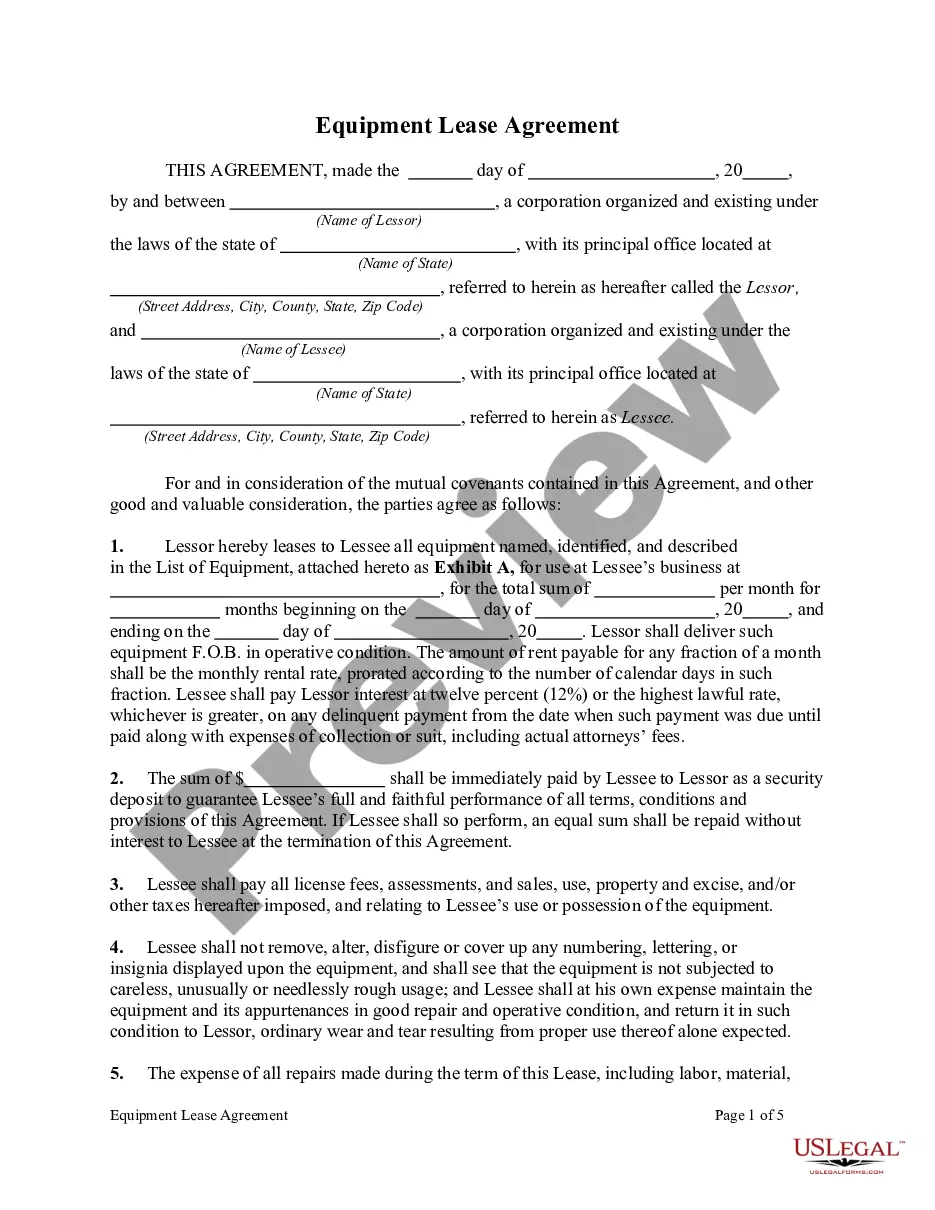
Get your form ready online
Our built-in tools help you complete, sign, share, and store your documents in one place.
Make edits, fill in missing information, and update formatting in US Legal Forms—just like you would in MS Word.
Download a copy, print it, send it by email, or mail it via USPS—whatever works best for your next step.
Sign and collect signatures with our SignNow integration. Send to multiple recipients, set reminders, and more. Go Premium to unlock E-Sign.
If this form requires notarization, complete it online through a secure video call—no need to meet a notary in person or wait for an appointment.
We protect your documents and personal data by following strict security and privacy standards.

Make edits, fill in missing information, and update formatting in US Legal Forms—just like you would in MS Word.

Download a copy, print it, send it by email, or mail it via USPS—whatever works best for your next step.

Sign and collect signatures with our SignNow integration. Send to multiple recipients, set reminders, and more. Go Premium to unlock E-Sign.

If this form requires notarization, complete it online through a secure video call—no need to meet a notary in person or wait for an appointment.

We protect your documents and personal data by following strict security and privacy standards.
Looking for another form?









Form popularity
FAQ
In an asset sale, the seller faces double taxation: the company pays taxes on the sale of assets, and shareholders are taxed on the distribution of proceeds. Buyers may benefit from tax deductions on depreciated assets. In a share sale, the seller typically incurs capital gains tax on the sale of shares.
An asset sale happens when you sell or transfer the assets of your company, rather than shares or stock. These assets can be tangible (eg machinery and inventory) or intangible (eg intellectual property). In an asset sale, you can typically choose what you want to sell.
In an asset sale, the ownership of these acquired assets would change hands, with the buyer negotiating separately for each asset. In a stock sale, ownership of such assets does not change hands in the same way. The target still retains its ownership typically, even if the target has a new owner.
Other potential drawbacks to asset sales for buyers can include an inability to take advantage of any accrued net operating losses or other tax credits that the seller may have, a spike in customer churn upon finding out that the business has been sold, and customer churn if things like payment processing accounts need ...
In an asset sale, the ownership of these acquired assets would change hands, with the buyer negotiating separately for each asset. In a stock sale, ownership of such assets does not change hands in the same way. The target still retains its ownership typically, even if the target has a new owner.
How to record disposal of assets Calculate the asset's depreciation amount. The first step is to ensure you have the accurate value of the asset recorded at the time of its disposal. Record the sale amount of the asset. Credit the asset. Remove all instances of the asset from other books. Confirm the accuracy of your work.
Disadvantages of Asset Sale The seller is subject to a double layer of taxation. Transferring assets may be more complicated. Agreements tied to certain assets may need to be renegotiated.
The sale of a business usually is not a sale of one asset. Instead, all the assets of the business are sold. Generally, when this occurs, each asset is treated as being sold separately for determining the treatment of gain or loss. A business usually has many assets.
