Form 8594 And Contingent Consideration In Allegheny
Description

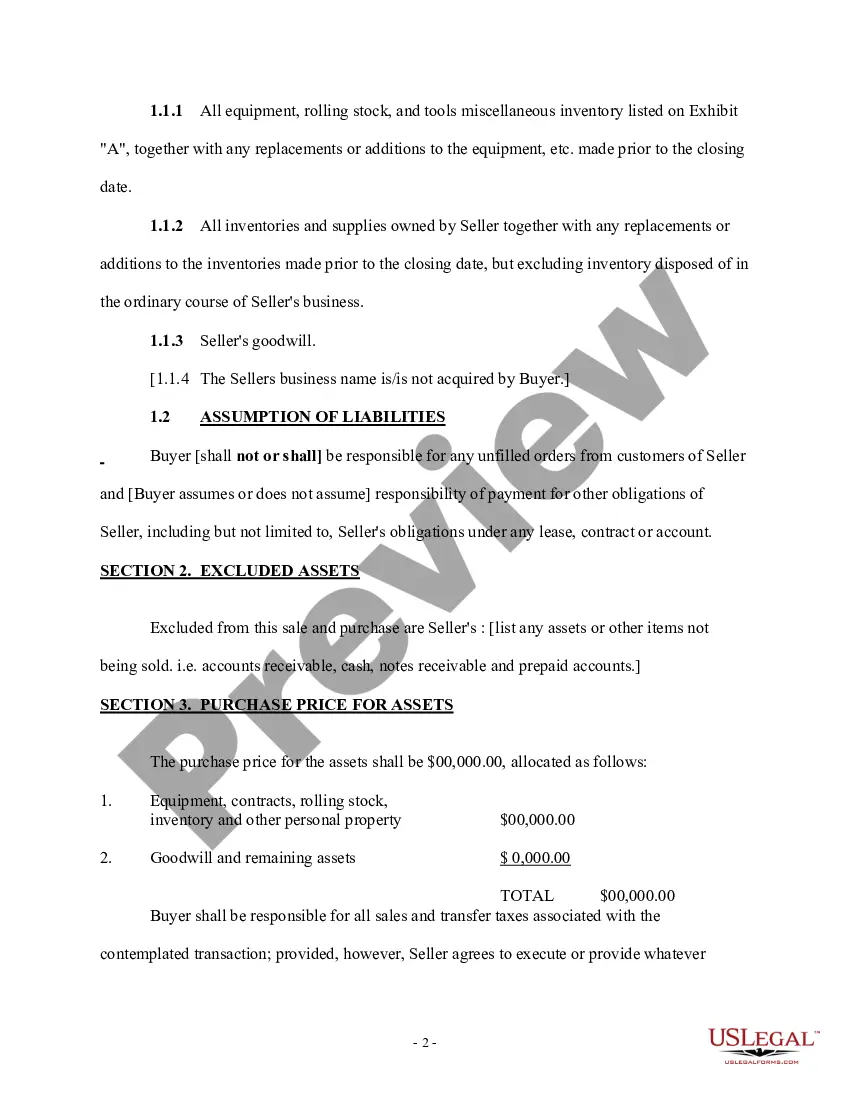
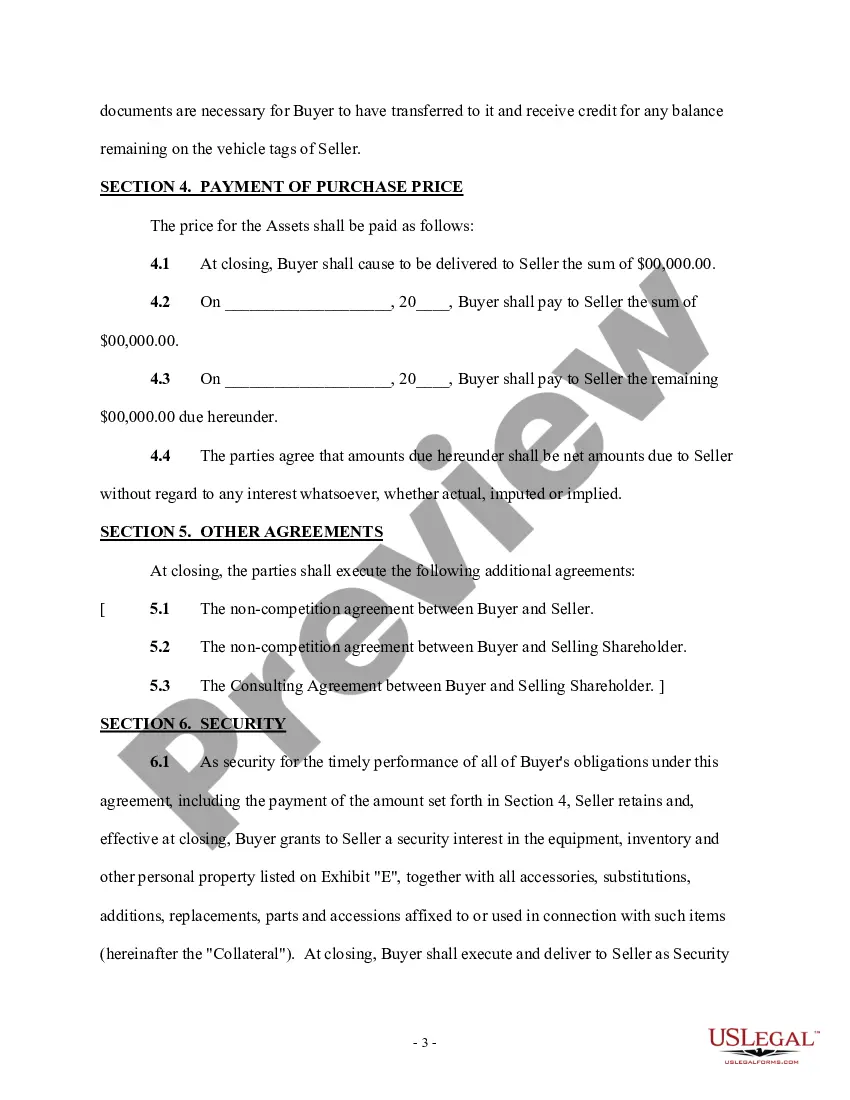
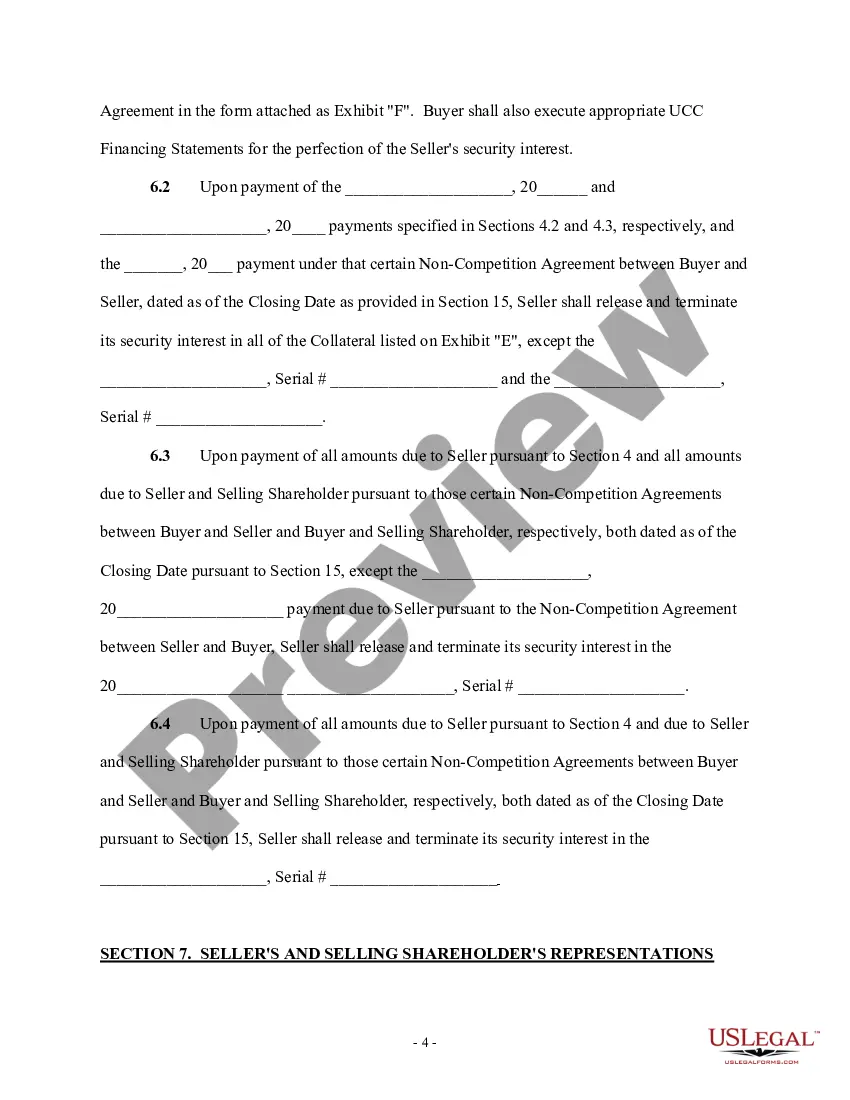
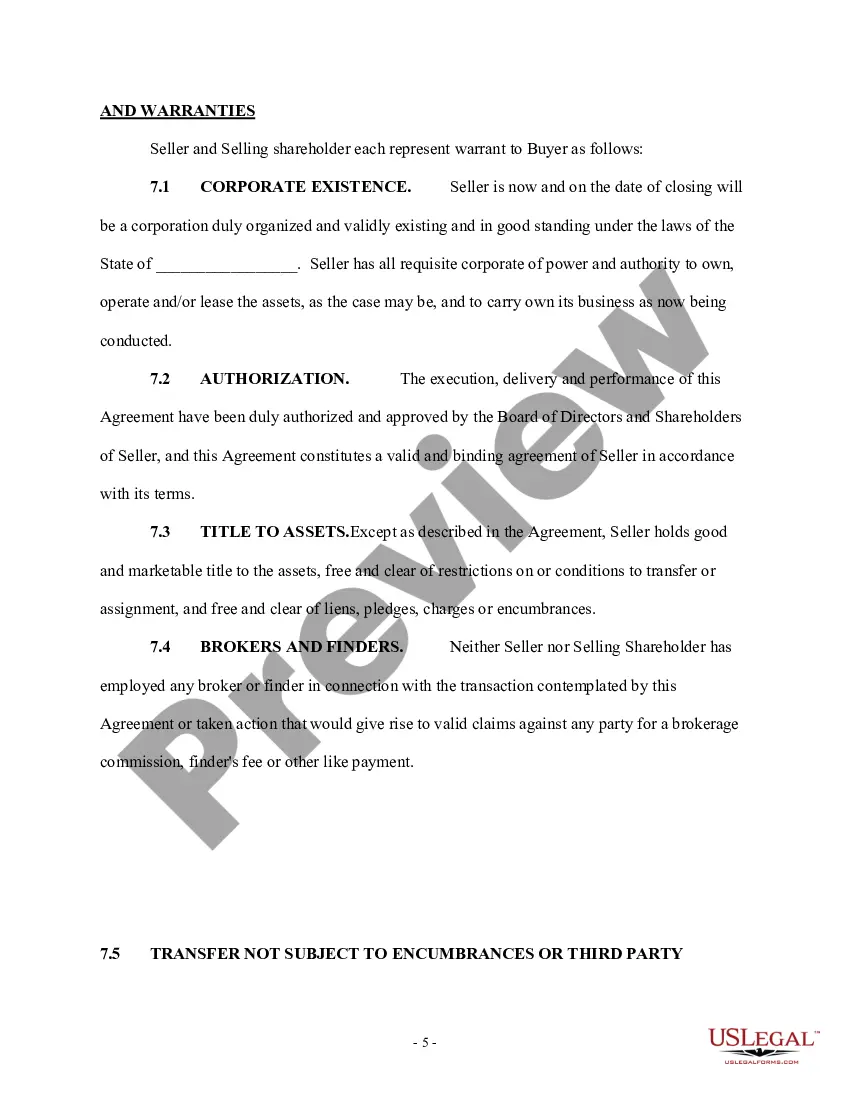


Get your form ready online
Our built-in tools help you complete, sign, share, and store your documents in one place.
Make edits, fill in missing information, and update formatting in US Legal Forms—just like you would in MS Word.
Download a copy, print it, send it by email, or mail it via USPS—whatever works best for your next step.
Sign and collect signatures with our SignNow integration. Send to multiple recipients, set reminders, and more. Go Premium to unlock E-Sign.
If this form requires notarization, complete it online through a secure video call—no need to meet a notary in person or wait for an appointment.
We protect your documents and personal data by following strict security and privacy standards.

Make edits, fill in missing information, and update formatting in US Legal Forms—just like you would in MS Word.

Download a copy, print it, send it by email, or mail it via USPS—whatever works best for your next step.

Sign and collect signatures with our SignNow integration. Send to multiple recipients, set reminders, and more. Go Premium to unlock E-Sign.

If this form requires notarization, complete it online through a secure video call—no need to meet a notary in person or wait for an appointment.

We protect your documents and personal data by following strict security and privacy standards.
Looking for another form?








Form popularity
FAQ
Form 4562 is required for the first year that a depreciable asset is placed into service. If no new assets have been placed into service in subsequent years, Form 4562 is not required unless you file Form 1120 (corporate tax return). Form 4562 must also be filed for each asset.
The following tax forms are typically used when selling a business: Form 8594, Asset Acquisition Statement. Form 4797, Sales of Business Property.
Clauses to fill in the form 8594 Line 1: Fill in the name, address and TIN of the other party of the transaction (either the purchaser or seller). The TIN of the other party is required in the form. Line 2: Indicate the date on which the sale of the assets happened. Line 3: Enter the total value of the assets exchanged.
Definition: Allocations divide costs between different departments or activities within a company. For instance, overhead costs such as the rent and utilities are often allocated to the company's operating units. Determining accruals and allocations nearly always entails making assumptions and estimates.
