Deferred Compensation Form For Independent Contractors In Maricopa
Description

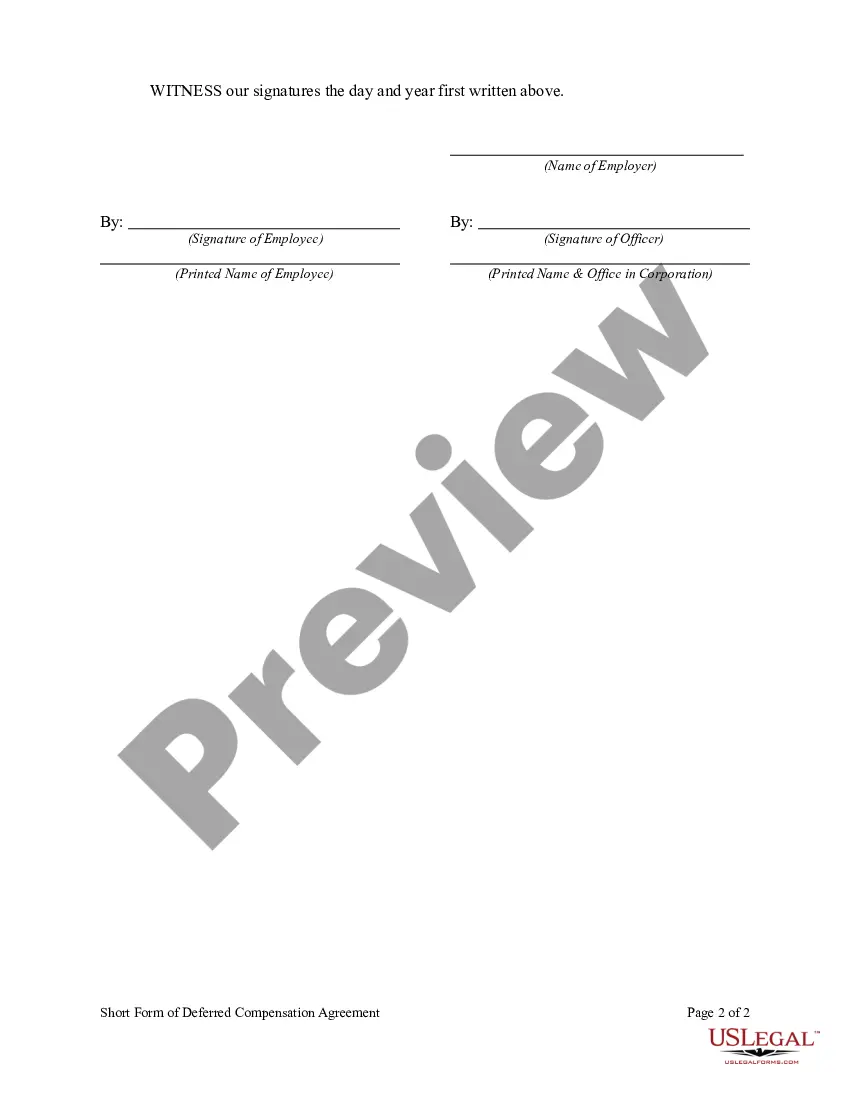

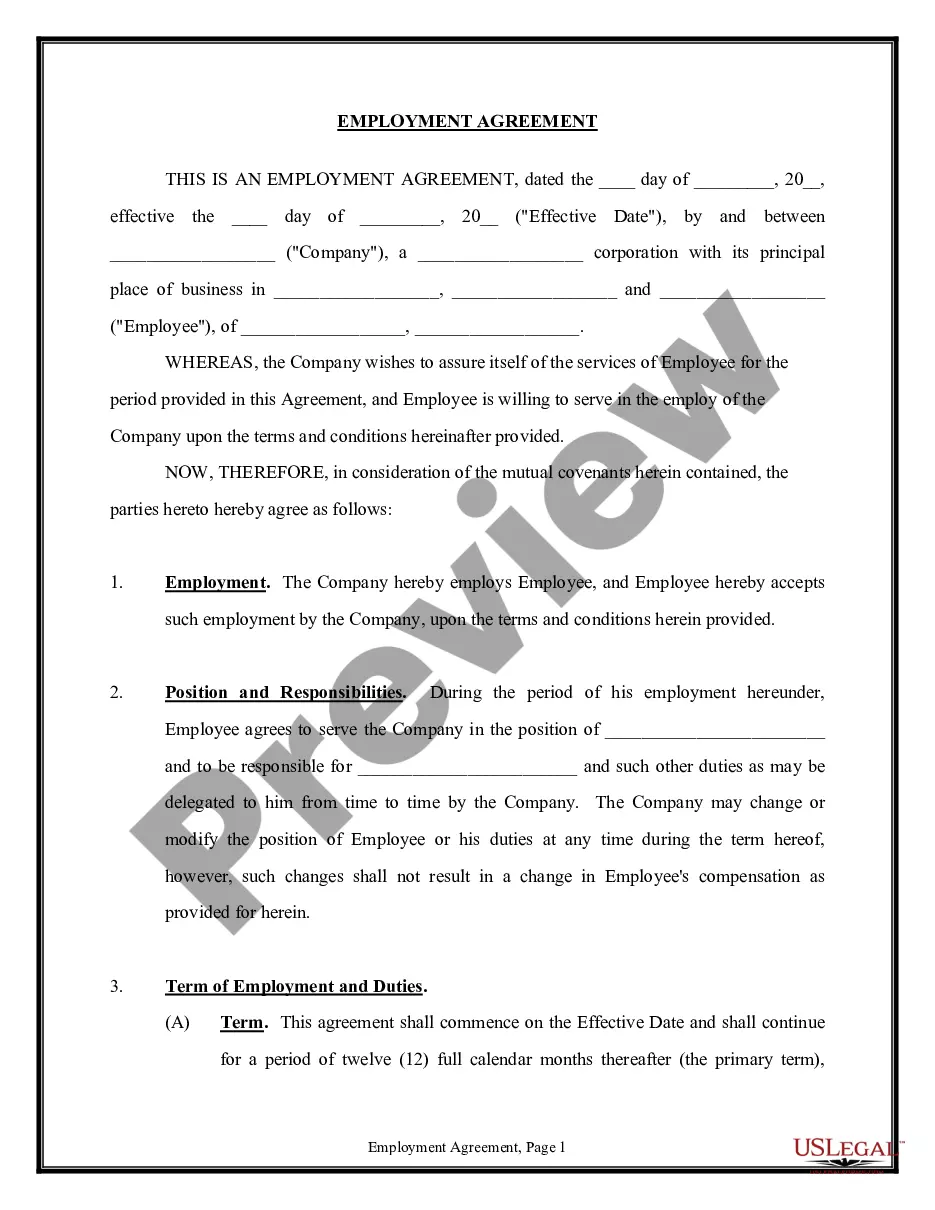
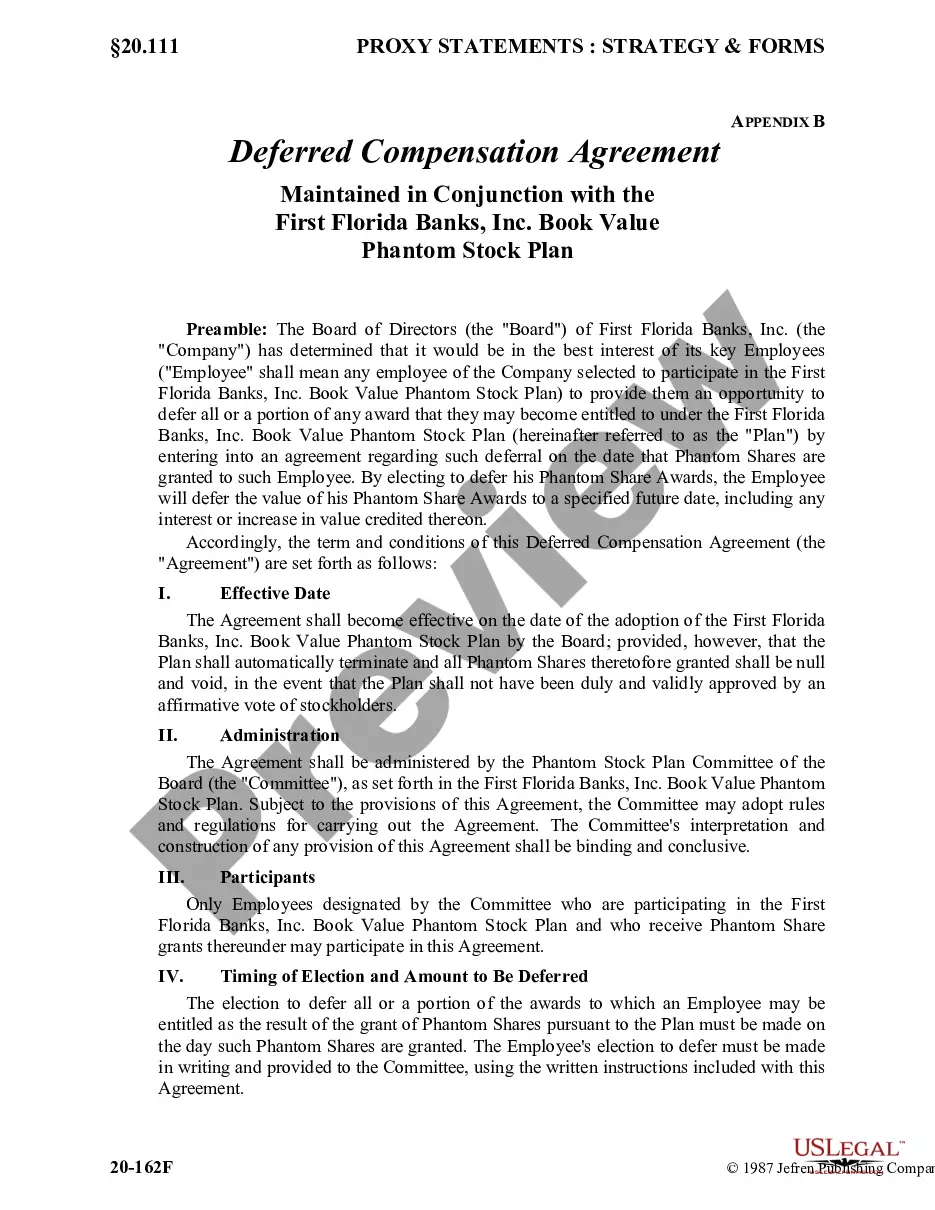
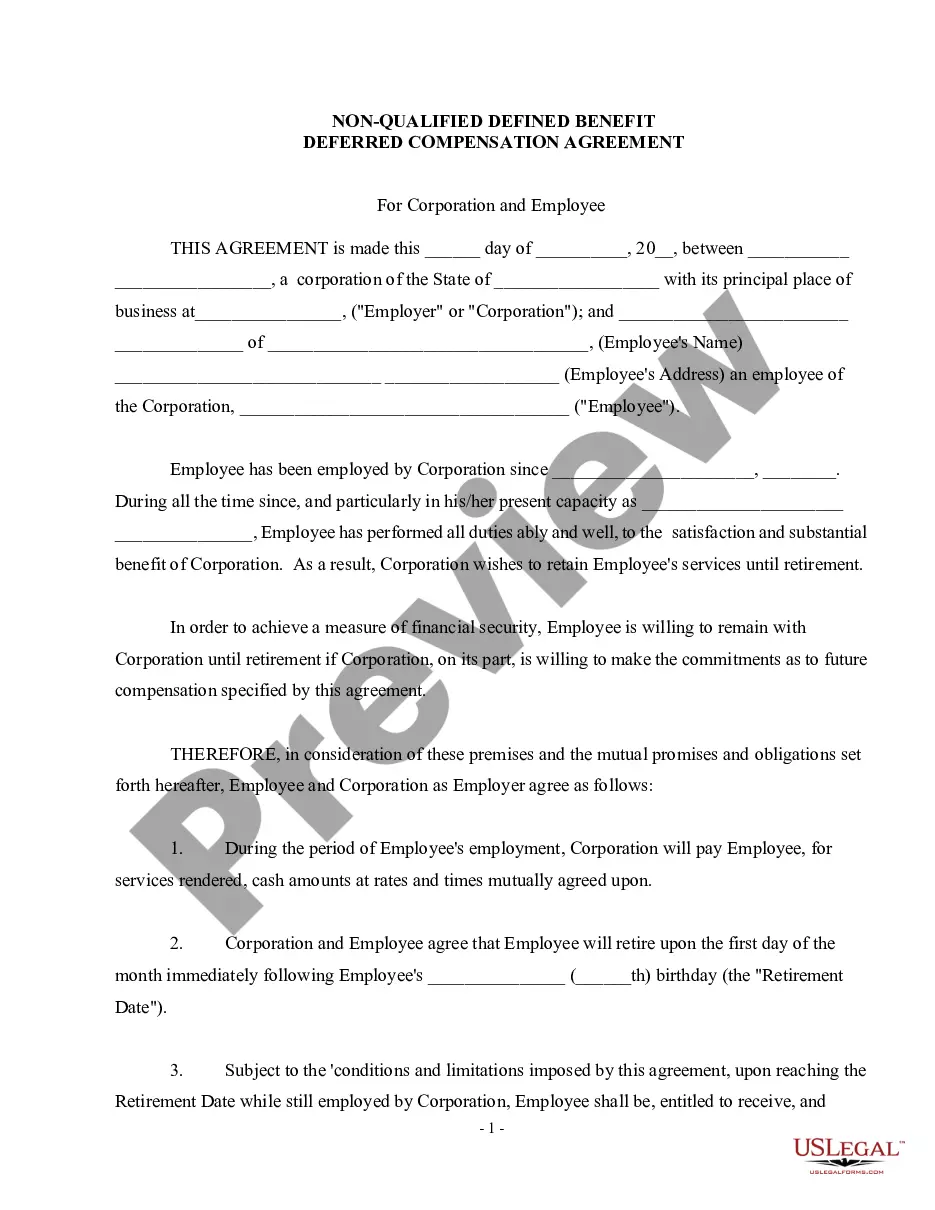
Get your form ready online
Our built-in tools help you complete, sign, share, and store your documents in one place.
Make edits, fill in missing information, and update formatting in US Legal Forms—just like you would in MS Word.
Download a copy, print it, send it by email, or mail it via USPS—whatever works best for your next step.
Sign and collect signatures with our SignNow integration. Send to multiple recipients, set reminders, and more. Go Premium to unlock E-Sign.
If this form requires notarization, complete it online through a secure video call—no need to meet a notary in person or wait for an appointment.
We protect your documents and personal data by following strict security and privacy standards.

Make edits, fill in missing information, and update formatting in US Legal Forms—just like you would in MS Word.

Download a copy, print it, send it by email, or mail it via USPS—whatever works best for your next step.

Sign and collect signatures with our SignNow integration. Send to multiple recipients, set reminders, and more. Go Premium to unlock E-Sign.

If this form requires notarization, complete it online through a secure video call—no need to meet a notary in person or wait for an appointment.

We protect your documents and personal data by following strict security and privacy standards.
Looking for another form?






Form popularity
FAQ
No IRS Approval Required Non-qualified retirement plans do not require IRS approval, which allows for greater flexibility in plan design and administration. This can be particularly advantageous for employers seeking to offer unique and competitive retirement benefits to their top employees.
What is a deferred compensation plan and how does it work? Deferred compensation allows employees to defer payment of an agreed-upon portion of their earned income to a future date, usually retirement. In many cases, the taxes owed on the income are also deferred.
Risk of Forfeiture The possibility of forfeiture is one of the main risks of a deferred compensation plan, making it significantly less secure than a 401(k) plan.
A 457(b) deferred compensation plan is a type of tax-advantaged retirement savings account that certain state and local governments and tax-exempt organizations offer employees. Think: law enforcement officers, civil servants, and university workers.
The Florida Deferred Compensation Plan is an excellent way to increase retirement security. Contributions can be 457b Pre-Tax and/or 457b Roth (post-tax), and Participants benefit from exceptional investment options. The Florida Deferred Compensation Plan is offered to all State of Florida Government Employees.
A The Deferred Compensation Plan was created based on Internal Revenue Code section 457(b). Commonly called a 457 plan, the Deferred Compensation Plan allows eligible employees to supplement any existing retirement/pension benefits by contributing and investing pre-tax dollars through voluntary salary deferrals.
The Oklahoma Public Employees Retirement System (OPERS) administers retirement plans for several different types of Oklahoma state and local government employees. The primary plan is a defined benefit retirement plan.
The CalPERS 457 Plan is a voluntary deferred retirement savings plan that allows you to defer any amount, subject to annual limits, from your paycheck on a pre-tax and/or Roth after-tax basis. Roth contributions, and their earnings, can benefit from the power of tax-deferred compounding.
A member automatically vests once they have eight years of credited service, six years of which must be full-time-equivalent employment.
