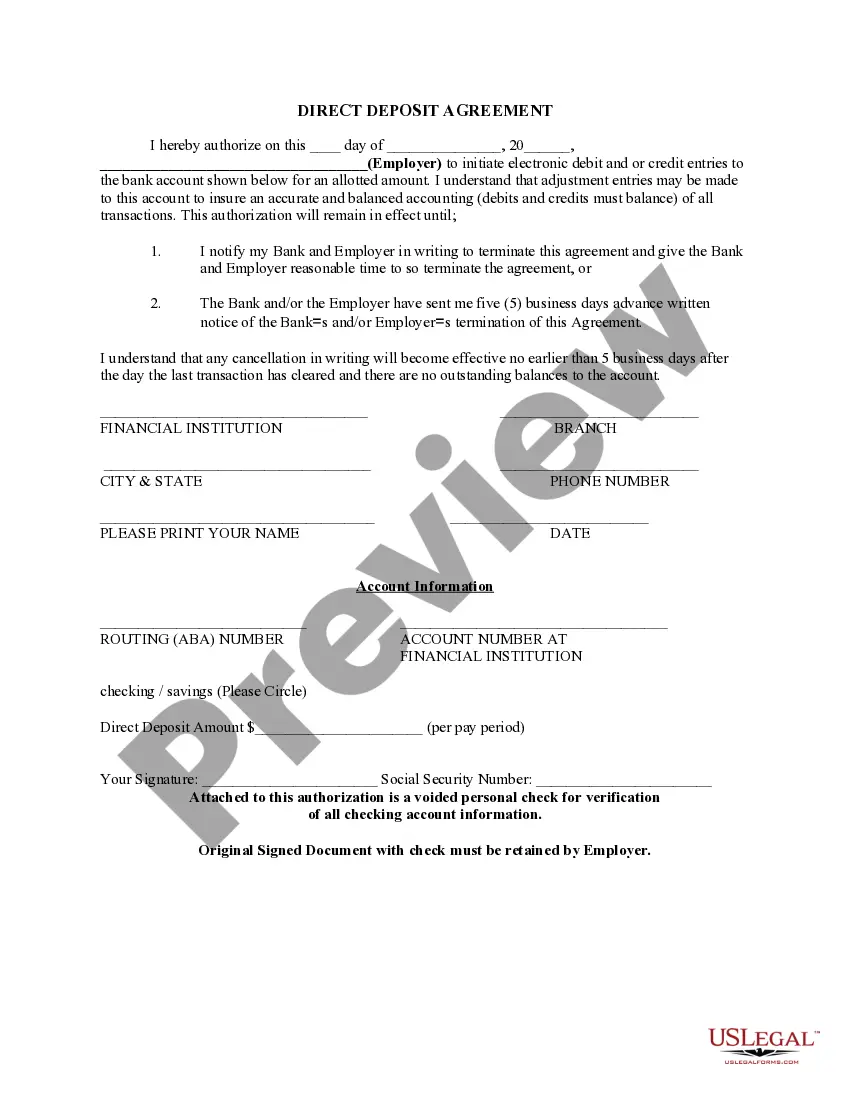
Manutención Infantil Formulario In Utah
Description
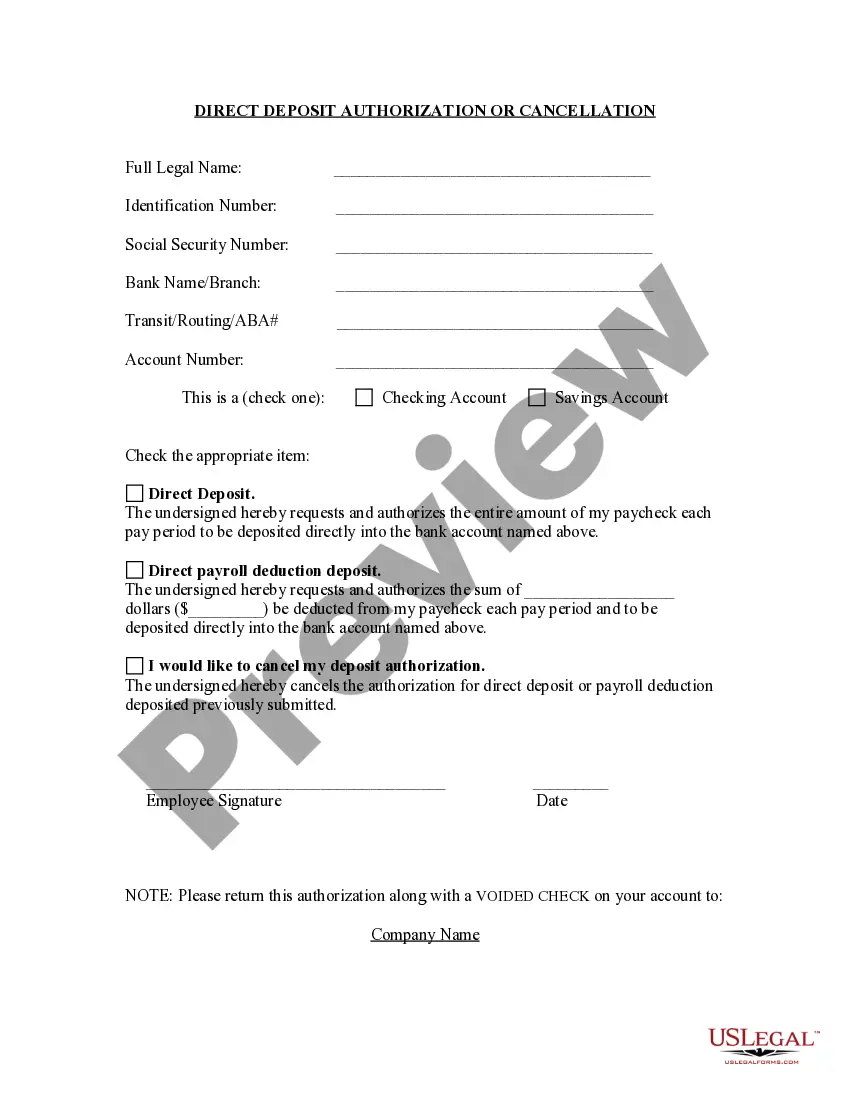
Get your form ready online
Our built-in tools help you complete, sign, share, and store your documents in one place.
Make edits, fill in missing information, and update formatting in US Legal Forms—just like you would in MS Word.
Download a copy, print it, send it by email, or mail it via USPS—whatever works best for your next step.
Sign and collect signatures with our SignNow integration. Send to multiple recipients, set reminders, and more. Go Premium to unlock E-Sign.
If this form requires notarization, complete it online through a secure video call—no need to meet a notary in person or wait for an appointment.
We protect your documents and personal data by following strict security and privacy standards.

Make edits, fill in missing information, and update formatting in US Legal Forms—just like you would in MS Word.

Download a copy, print it, send it by email, or mail it via USPS—whatever works best for your next step.

Sign and collect signatures with our SignNow integration. Send to multiple recipients, set reminders, and more. Go Premium to unlock E-Sign.

If this form requires notarization, complete it online through a secure video call—no need to meet a notary in person or wait for an appointment.

We protect your documents and personal data by following strict security and privacy standards.
Looking for another form?










Form popularity
FAQ
Utah's custody law provides three parent-time schedule options for parents who share custody: The standard minimum parent-time schedule that provides a parent with one three-hour visit each week and every other weekend. A 60/40 schedule. A 50/50 schedule.
The court shall determine whether an order for custody or parent-time is in the best interests of the minor child by a preponderance of the evidence. whether custody and parent-time would endanger the minor child's health or physical or psychological safety. any other factor the court finds relevant.
Parents who believe they should have sole or full custody of their children will need to file a petition with the courts asking for sole legal and physical custody and explain why sole custody is in their children's best interest. The court will also want evidence of claims of why a parent is unfit for joint custody.
What is the New Child Custody Law in Utah? Utah's new child custody law, which went into effect on , is called the "Equal Parent-Time Schedule." This law allows parents to share equal physical custody of their children unless there is a reason why this would not be in the children's best interests.
Except as noted below, criminal nonsupport is a class A misdemeanor in Utah. The maximum penalty for a class A misdemeanor conviction is a $2,500.00 fine (pursuant to U.C.A. 76-3-301(1)(c)), or jail time not to exceed 364 days (pursuant to U.C.A. 76-3-204(1)), or both.
Every child custody case begins with a petition that is filed with the Court. For married parents, a “Petition for Divorce” will be filed and for unmarried parents, a “Petition for Paternity” or a “Petition for Custody, Visitation, and Support” will be filed.
There are two ways to ask the court to change child support – a Motion to Adjust and a Petition to Modify. A motion is simpler and usually faster, but can only be used in limited circumstances. Usually, you must file a petition.
Utah Code Section 78B-15-109 states, “The obligor's liabilities for past support are limited to the period of four years preceding the commencement of an action.” In other words, if you waited until your child was 22 ½ before trying to establish paternity, you would only be entitled to retroactive child support from ...
(5) A base child support award in a sole physical custody case may not be less than $30.
There are two ways to ask the court to change child support – a Motion to Adjust and a Petition to Modify. A motion is simpler and usually faster, but can only be used in limited circumstances. Usually, you must file a petition.