Arbitration Forums Rules In Nassau
Description

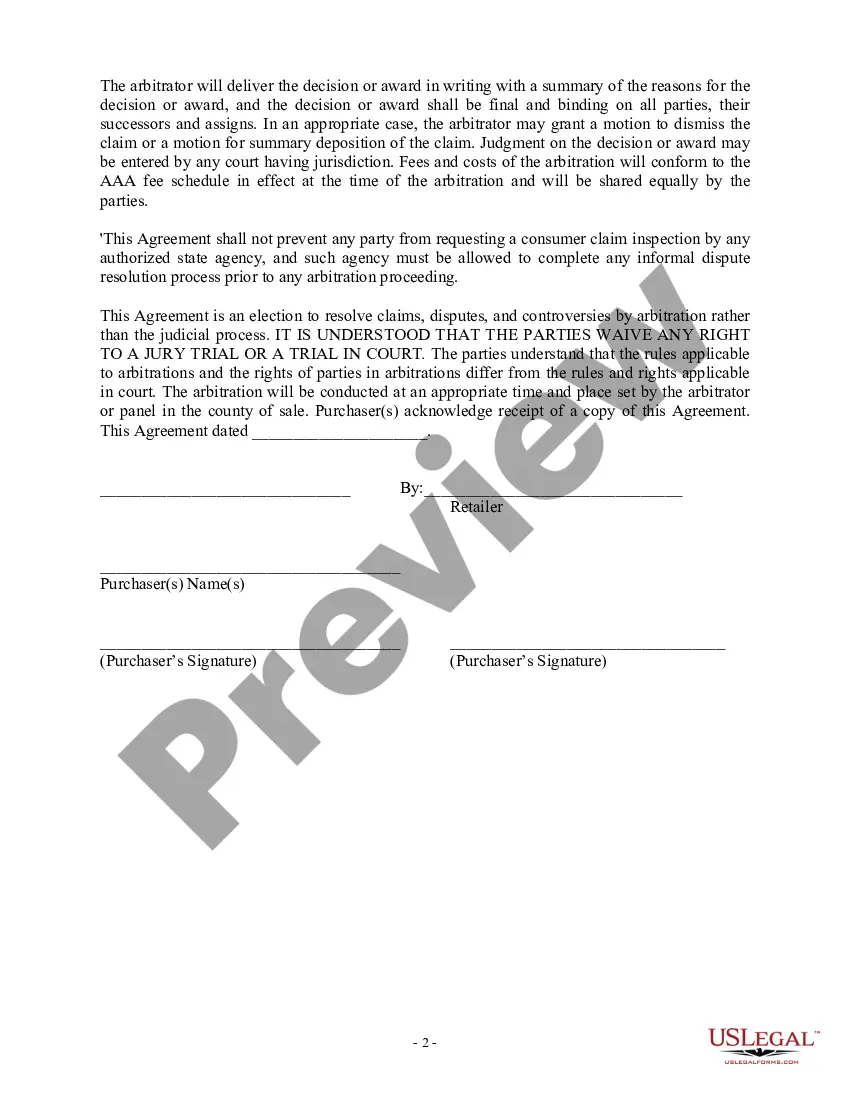
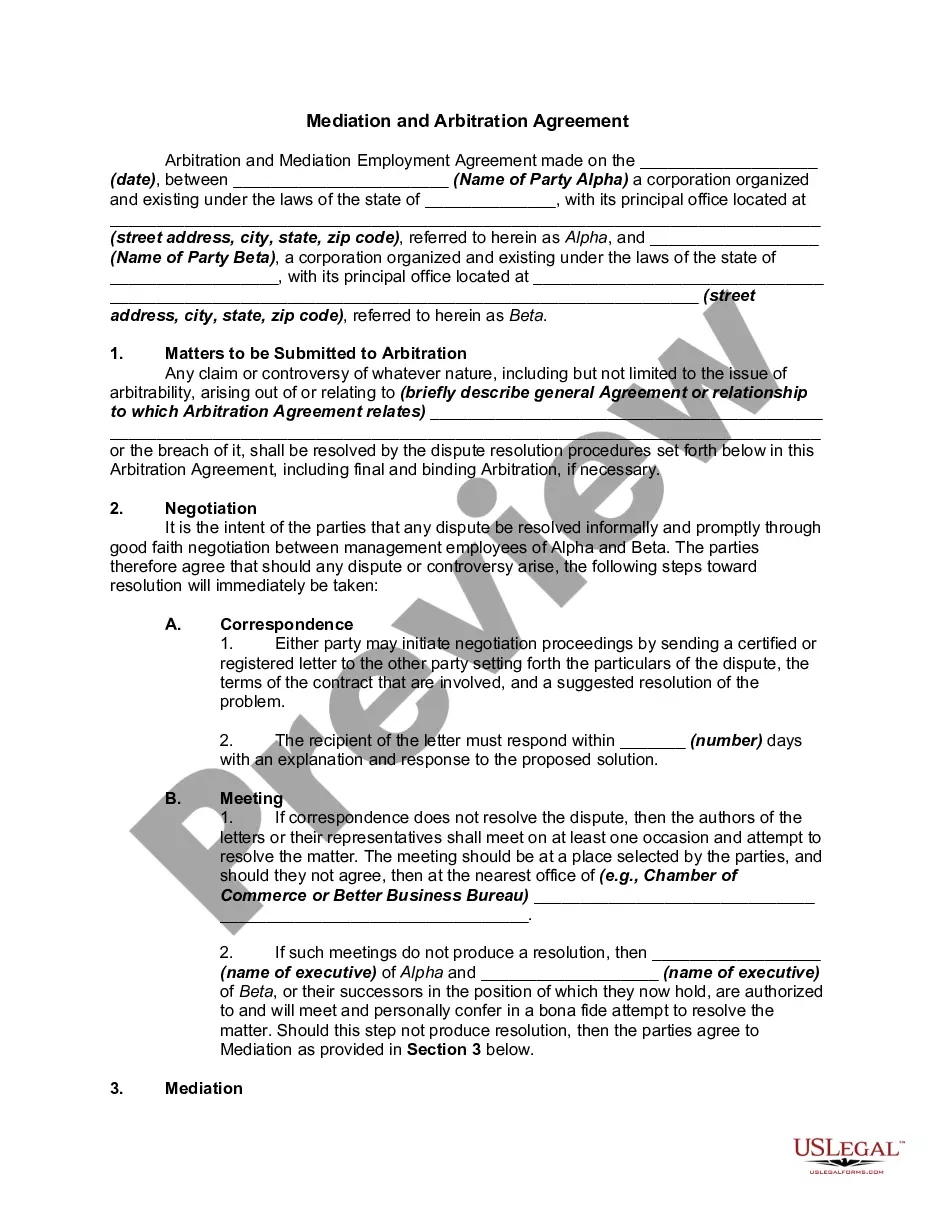

Get your form ready online
Our built-in tools help you complete, sign, share, and store your documents in one place.
Make edits, fill in missing information, and update formatting in US Legal Forms—just like you would in MS Word.
Download a copy, print it, send it by email, or mail it via USPS—whatever works best for your next step.
Sign and collect signatures with our SignNow integration. Send to multiple recipients, set reminders, and more. Go Premium to unlock E-Sign.
If this form requires notarization, complete it online through a secure video call—no need to meet a notary in person or wait for an appointment.
We protect your documents and personal data by following strict security and privacy standards.

Make edits, fill in missing information, and update formatting in US Legal Forms—just like you would in MS Word.

Download a copy, print it, send it by email, or mail it via USPS—whatever works best for your next step.

Sign and collect signatures with our SignNow integration. Send to multiple recipients, set reminders, and more. Go Premium to unlock E-Sign.

If this form requires notarization, complete it online through a secure video call—no need to meet a notary in person or wait for an appointment.

We protect your documents and personal data by following strict security and privacy standards.
Looking for another form?






Form popularity
FAQ
There are no legal requirements to becoming an arbitrator. However, where disputes involve issues of law, having a law degree is usually most advantageous. If the dispute involves issue of fact, then someone who is an expert in the relevant sector may be the most suitable arbitrator.
In arbitration, the parties communicate only with the arbitrator, and the arbitrator decides what should happen. In mediation, the parties speak with the mediator and each other. The mediator does not decide what should happen, but assists the participants to reach an agreement that is acceptable to both parties.
To become a Chartered Arbitrator or Chartered Adjudicator, you must first become a Fellow and then pass a Panel interview. Our competence frameworks define the level of competence required for each membership grade.
The term alternative dispute resolution (ADR) means any procedure, agreed to by the parties of a dispute, in which they use the services of a neutral party to assist them in reaching agreement and avoiding litigation.
Arbitrators, mediators, and conciliators typically need at least a bachelor's degree and related experience to enter the occupation. They learn their skills through a combination of education, training, and work experience.
Arbitrations, like Steel Path, are unlocked when completing all of the nodes in the Origin System and do not require Duviri interaction.
Negotiation. Negotiation is the preeminent mode of dispute resolution. While the two most known forms of ADR are arbitration and mediation, negotiation is almost always attempted first to resolve a dispute. Negotiation allows the parties to meet in order to settle a dispute.
People who can enter into arbitration agreement include those with age of majority, sound minds and those who are not disqualified by law. All parties must willingly express consent through their signatures, ensuring a fair and legally compliant alternative to court dispute resolution.
The Rules cover all aspects of the arbitral process, providing a model arbitration clause, setting out procedural rules regarding the appointment of arbitrators and the conduct of arbitral proceedings, and establishing rules in relation to the form, effect and interpretation of the award.
Every arbitrator must be and remain impartial and independent of the parties involved in the arbitration. Before appointment or confirmation, a prospective arbitrator shall sign a statement of acceptance, availability, impartiality and independence.