Rental Application With No Rental History In Los Angeles
Description


Get your form ready online
Our built-in tools help you complete, sign, share, and store your documents in one place.
Make edits, fill in missing information, and update formatting in US Legal Forms—just like you would in MS Word.
Download a copy, print it, send it by email, or mail it via USPS—whatever works best for your next step.
Sign and collect signatures with our SignNow integration. Send to multiple recipients, set reminders, and more. Go Premium to unlock E-Sign.
If this form requires notarization, complete it online through a secure video call—no need to meet a notary in person or wait for an appointment.
We protect your documents and personal data by following strict security and privacy standards.

Make edits, fill in missing information, and update formatting in US Legal Forms—just like you would in MS Word.

Download a copy, print it, send it by email, or mail it via USPS—whatever works best for your next step.

Sign and collect signatures with our SignNow integration. Send to multiple recipients, set reminders, and more. Go Premium to unlock E-Sign.

If this form requires notarization, complete it online through a secure video call—no need to meet a notary in person or wait for an appointment.

We protect your documents and personal data by following strict security and privacy standards.
Looking for another form?
Form popularity
FAQ
Yes, it's possible to rent an apartment without a traditional job by providing alternative income proof, enlisting a co-signer or guarantor, or offering additional security deposits.
Landlords typically run a tenant screening report that includes a credit check, eviction history, criminal background, and rental references.
Landlord verification refers to the process in which a landlord confirms a potential tenant's rental history. This is done by reaching out to previous landlords or using tenant screening reports to check details like payment history, lease compliance, and the tenant's overall behavior during their previous tenancy.
During the screening process, landlords and property management companies usually call previous landlords to learn more about prospective tenants. The way they behaved in the last property they rented says a lot about what they will be like as your tenant.
Landlords rely on a combination of tools and resources to check rental history: Rental applications: Tenants typically provide their past addresses and landlord contact details on the application form. Credit bureaus: Some credit bureaus, like Equifax, provide rental history as part of their credit report.
Call us at (800) 593-8222, Monday – Friday, AM to PM, email us at rentregistry@dcba.lacounty, or CLICK HERE to make an appointment at your convenience.
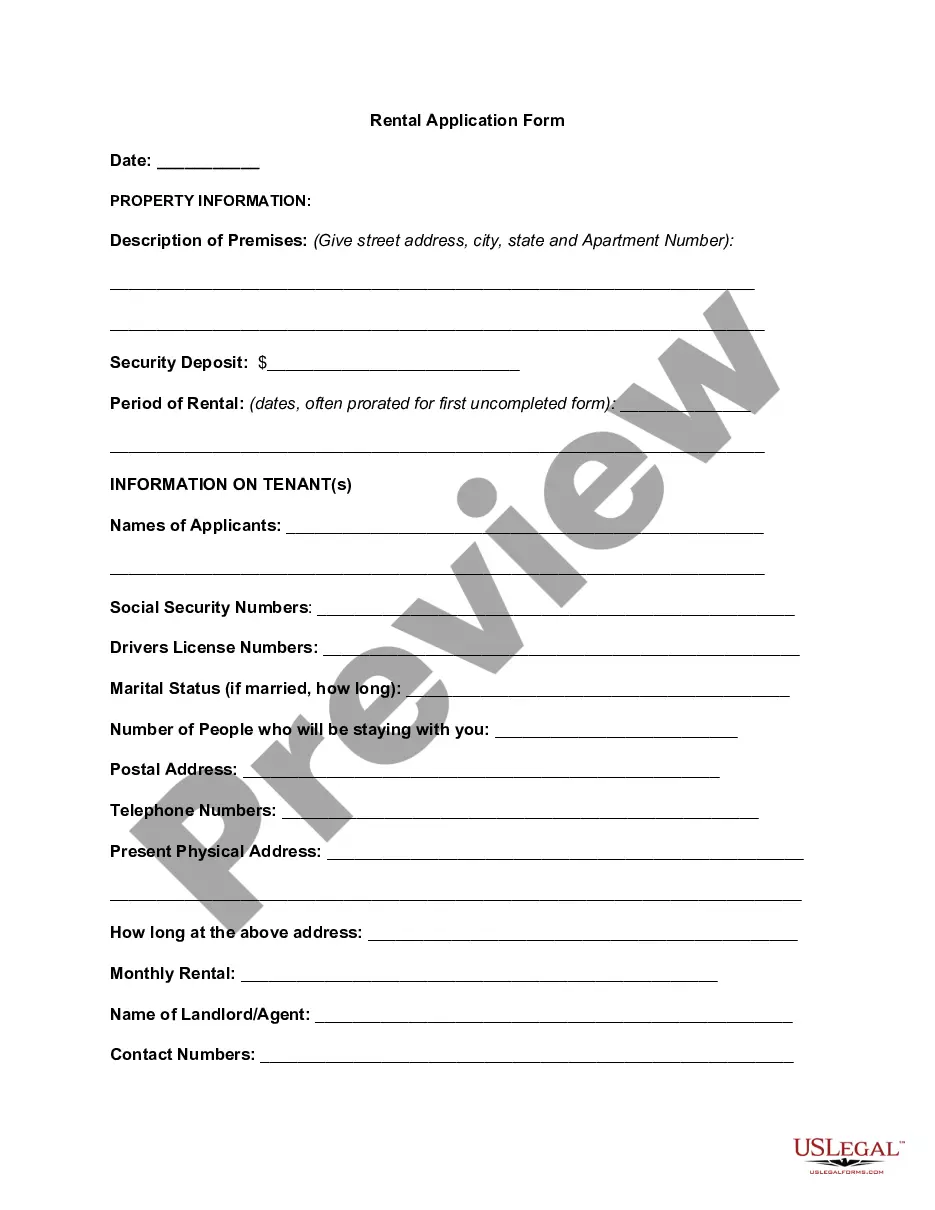
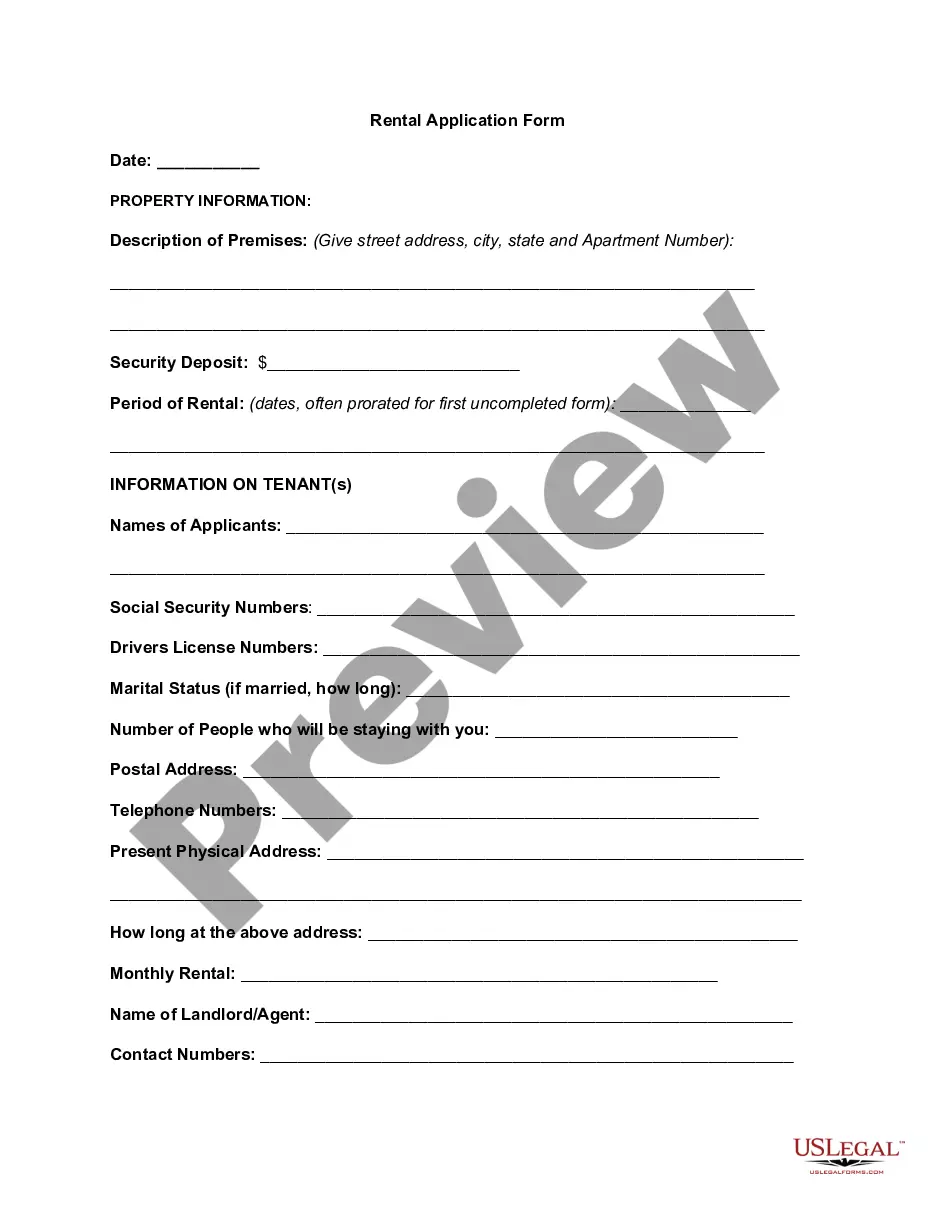
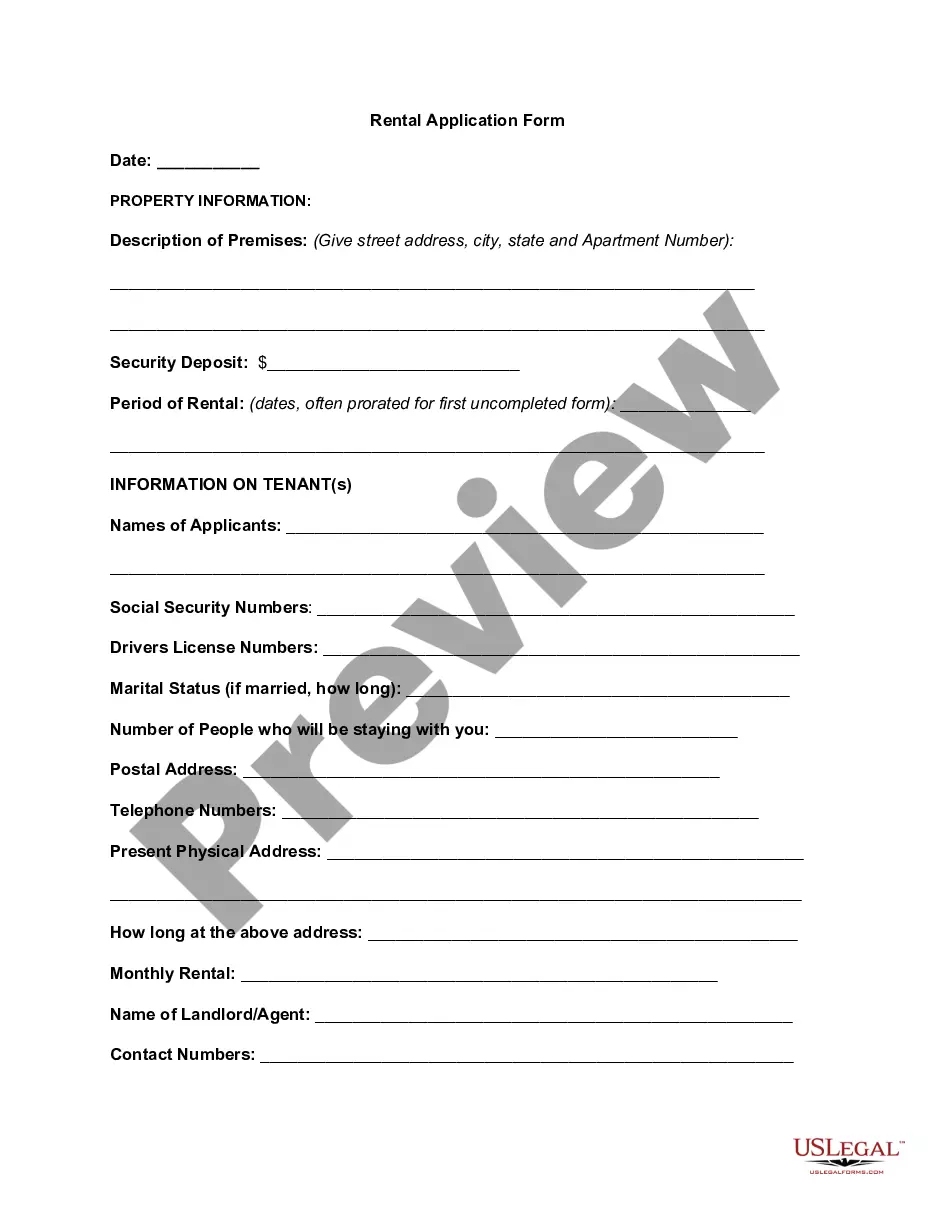
The application will ask you for the following information: your place of employment, past employers, names and addresses of your current and past landlords, your Social Security number, driver's license number and authorization for the landlord to run a background and credit check.
What specific requirements must be met in a rental lease agreement in California? Lease agreements must clearly state the terms of rent, responsibilities for maintenance, and conditions under which the lease can be terminated. They must comply with the amended local and state housing laws.
The application will ask you for the following information: your place of employment, past employers, names and addresses of your current and past landlords, your Social Security number, driver's license number and authorization for the landlord to run a background and credit check.
Valid reasons to deny a rental application Insufficient income. Your tenant should earn a minimum of three times the monthly rent. Bad credit. This suggests they are not financially responsible. Relevant criminal history. Have evictions on record. Poor references from prior landlords.
