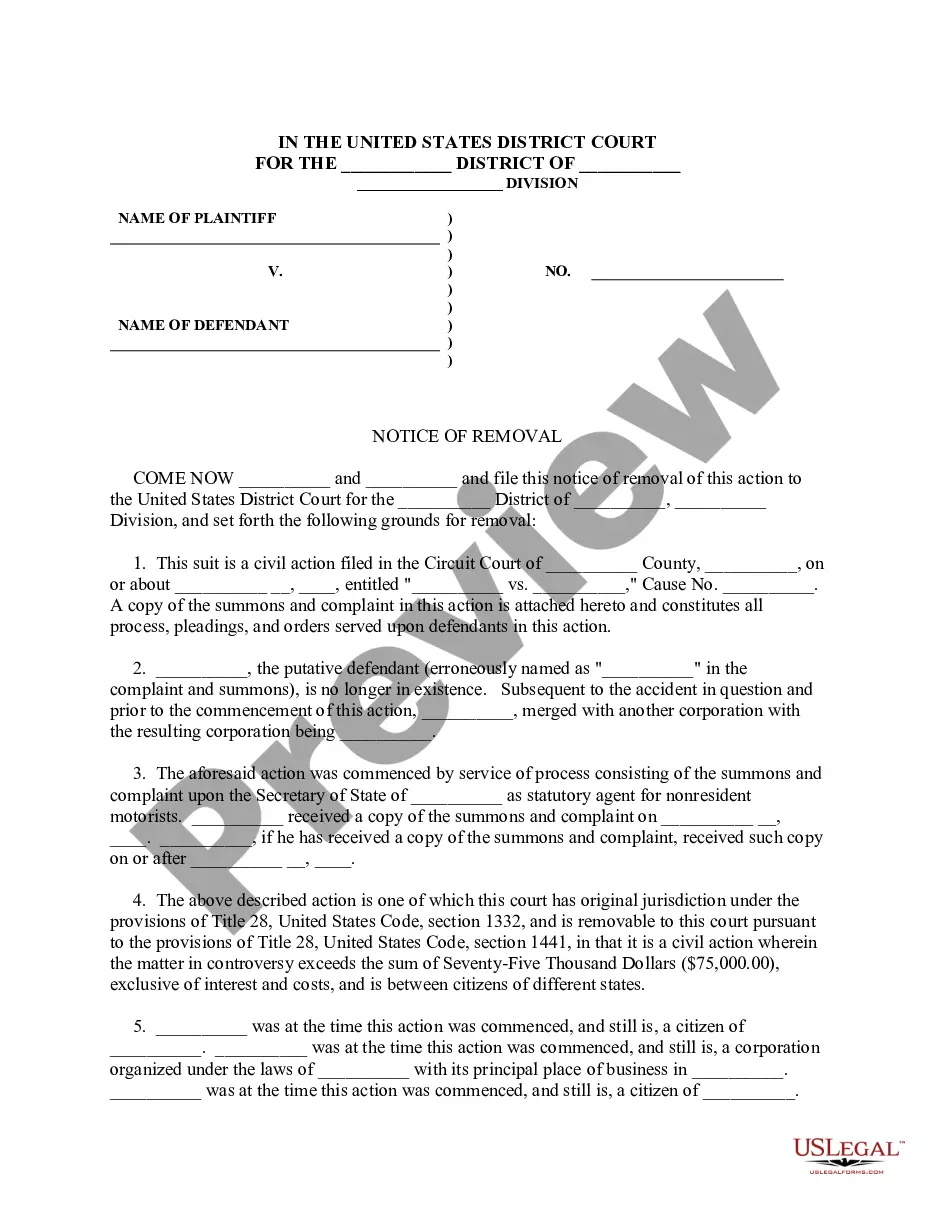
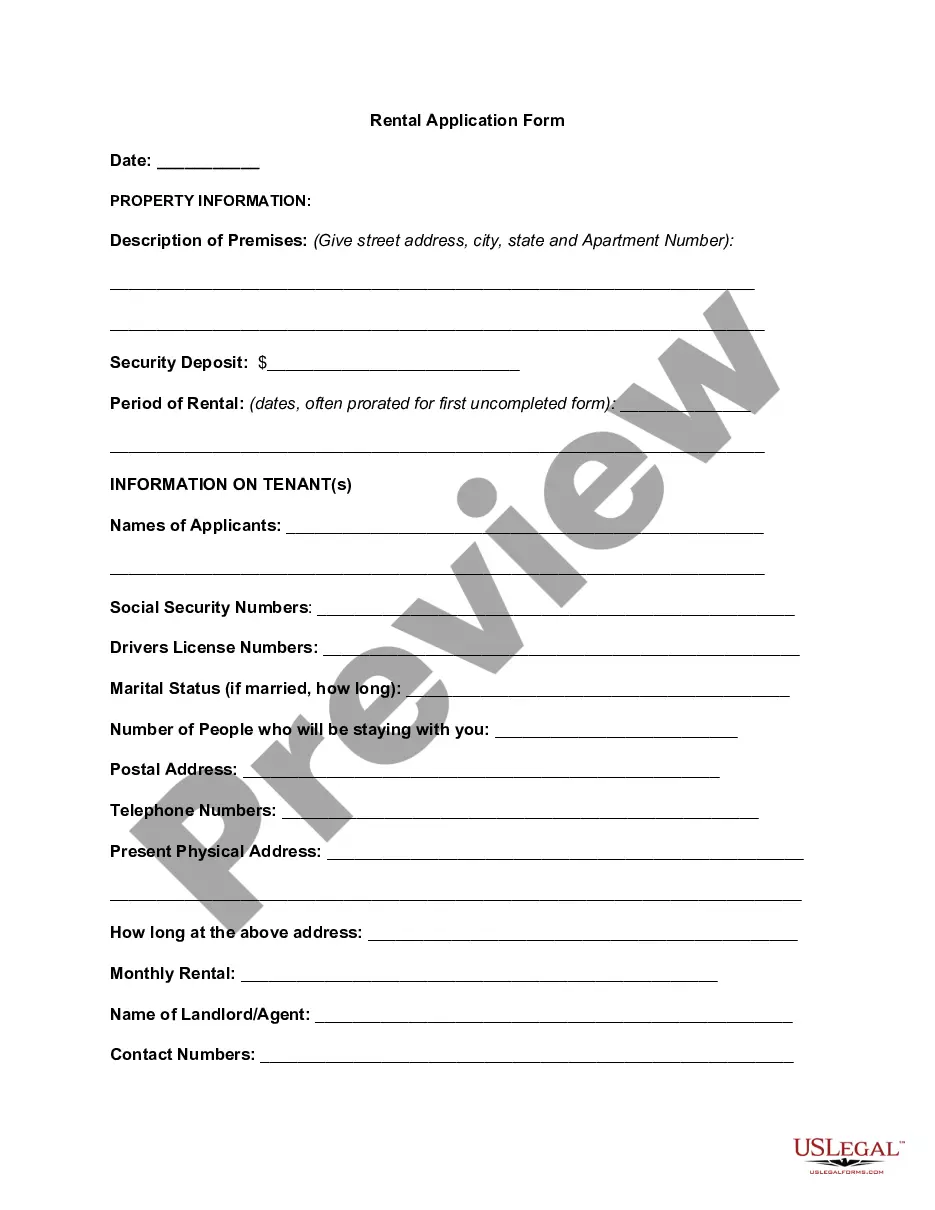
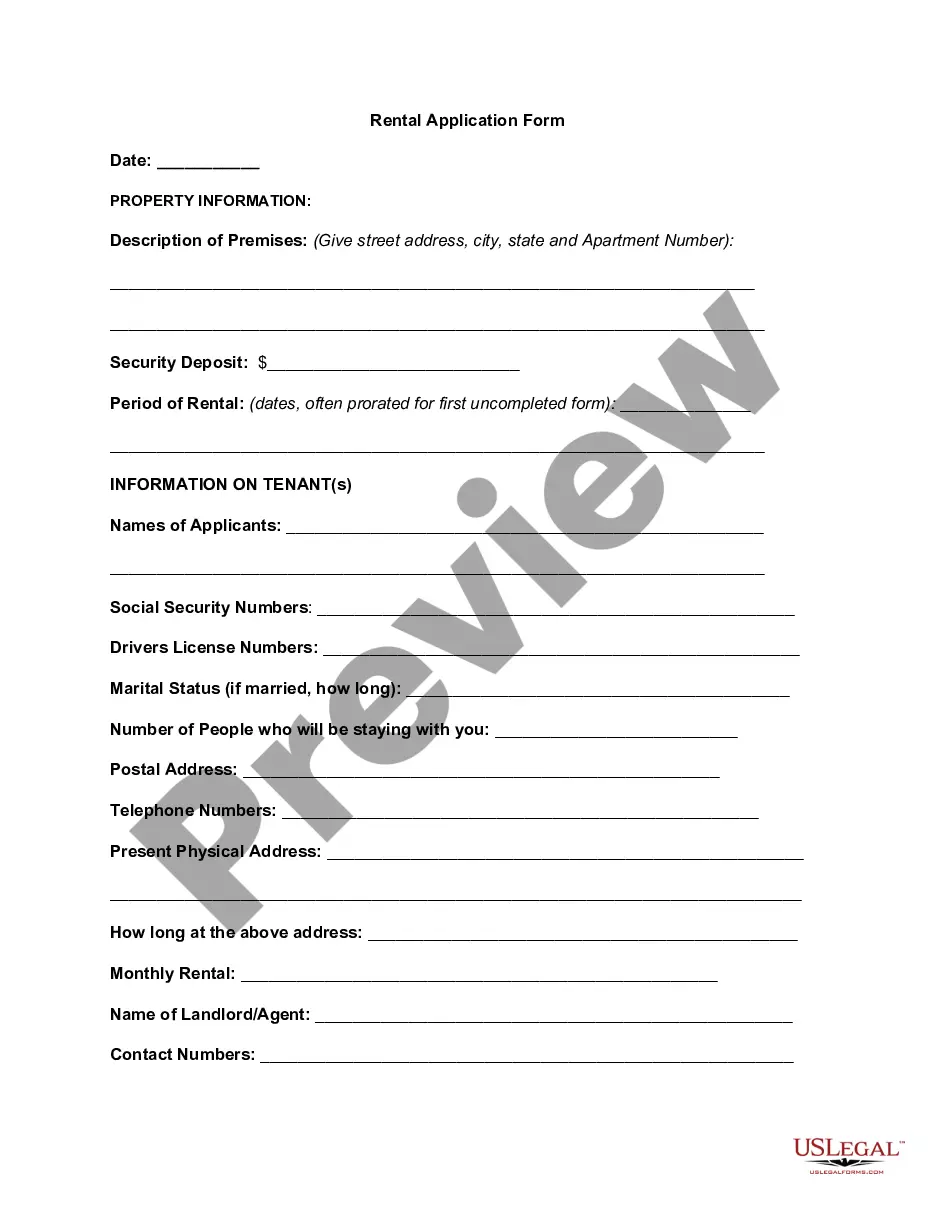
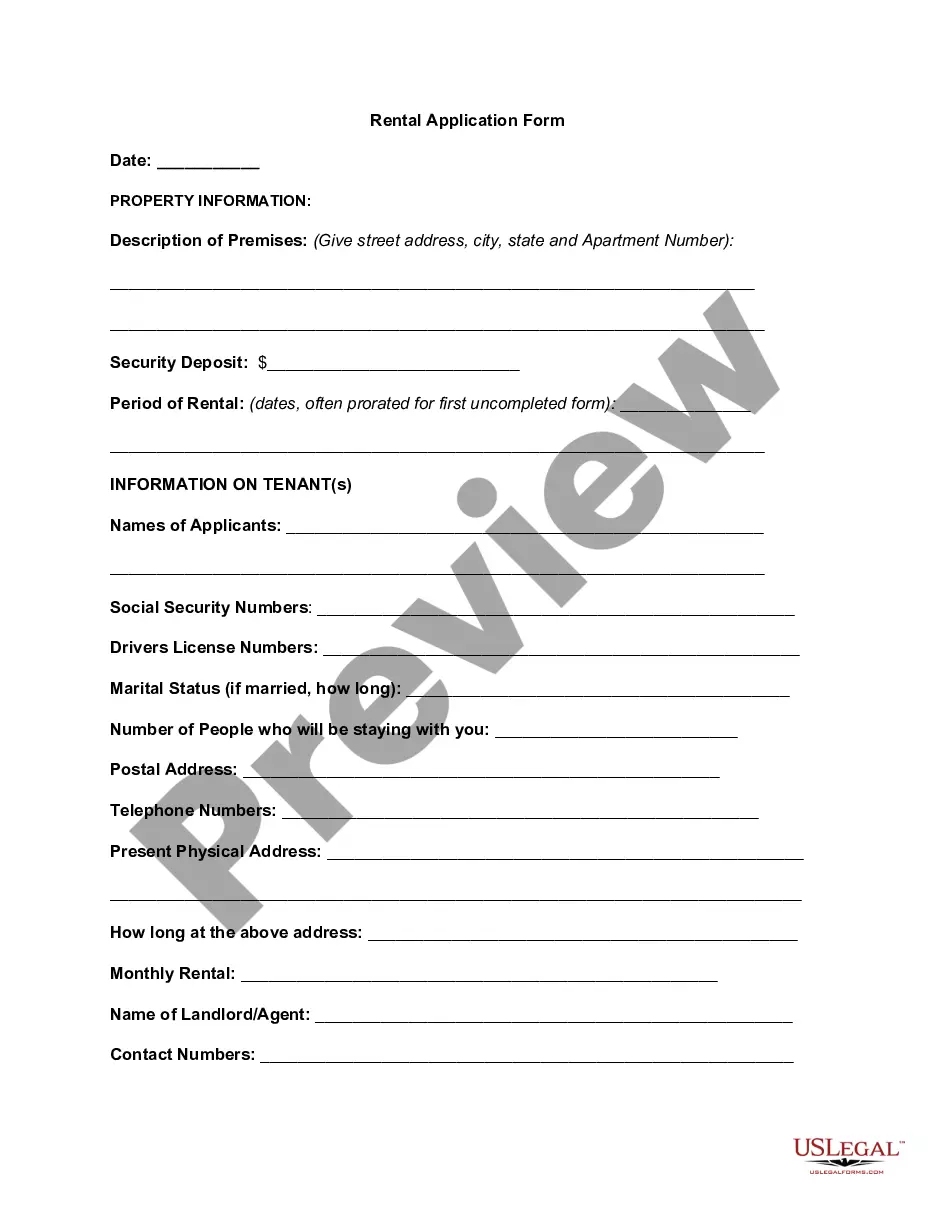
Rental Application Credit Check Without Social Security Number In Florida
Description


Get your form ready online
Our built-in tools help you complete, sign, share, and store your documents in one place.
Make edits, fill in missing information, and update formatting in US Legal Forms—just like you would in MS Word.
Download a copy, print it, send it by email, or mail it via USPS—whatever works best for your next step.
Sign and collect signatures with our SignNow integration. Send to multiple recipients, set reminders, and more. Go Premium to unlock E-Sign.
If this form requires notarization, complete it online through a secure video call—no need to meet a notary in person or wait for an appointment.
We protect your documents and personal data by following strict security and privacy standards.

Make edits, fill in missing information, and update formatting in US Legal Forms—just like you would in MS Word.

Download a copy, print it, send it by email, or mail it via USPS—whatever works best for your next step.

Sign and collect signatures with our SignNow integration. Send to multiple recipients, set reminders, and more. Go Premium to unlock E-Sign.

If this form requires notarization, complete it online through a secure video call—no need to meet a notary in person or wait for an appointment.

We protect your documents and personal data by following strict security and privacy standards.
Looking for another form?









Form popularity
FAQ
How Florida Residential Landlords Can Protect themselves Lease should be prepared by a South Florida Eviction Lawyer. If the lease is detailed, a Landlord will have more protection. Respond to Complaint. Serve Notices Timely. Allow Access to the Property. Comply with the Rules Regarding Security Deposits.
Landlords can also ask applicants to provide their Social Security Number (or Individual Tax Payer Identification Number) so that they can run a credit or background check on the applicant. Landlords who plan to run such checks should get written permission from applicants before doing so.
While it's possible to have a credit report and credit score even if you don't have an SSN, providing your full identification information is key to ensuring that the report you receive is accurate and complete.
The credit score requirement in Florida can vary from landlord to landlord, but generally, a credit score of at least 600 is considered acceptable. Tenants with a higher credit score, typically 700 or above, may be more attractive to landlords as they demonstrate a history of responsible financial management.
The landlord can never remove the tenant's property or lock the tenant out. Only the sheriff's office may do this, after a court order and writ of possession. If the rented property is foreclosed upon, you may have rights under federal law to remain in the property under your existing lease.
Landlords may also legally ask you for your Social Security and driver's license numbers and (except in New York City, Colorado, and California) for proof of your legal residency in the United States. Landlords may even ask if you smoke or if you've ever been sued.
Employment / Income Verification Each adult will be responsible for the lease should a roommate move out during the lease period. To qualify your monthly income should be at least 3x the monthly rental rate. Example: If the rent is $1000 per month your combined income should be no less than $3000 per month.
Landlords can also ask applicants to provide their Social Security Number (or Individual Tax Payer Identification Number) so that they can run a credit or background check on the applicant. Landlords who plan to run such checks should get written permission from applicants before doing so.
Florida law permits landlords to review a prospective tenant's criminal history, credit reports, employment history, and past rental behavior, forming a comprehensive background check.