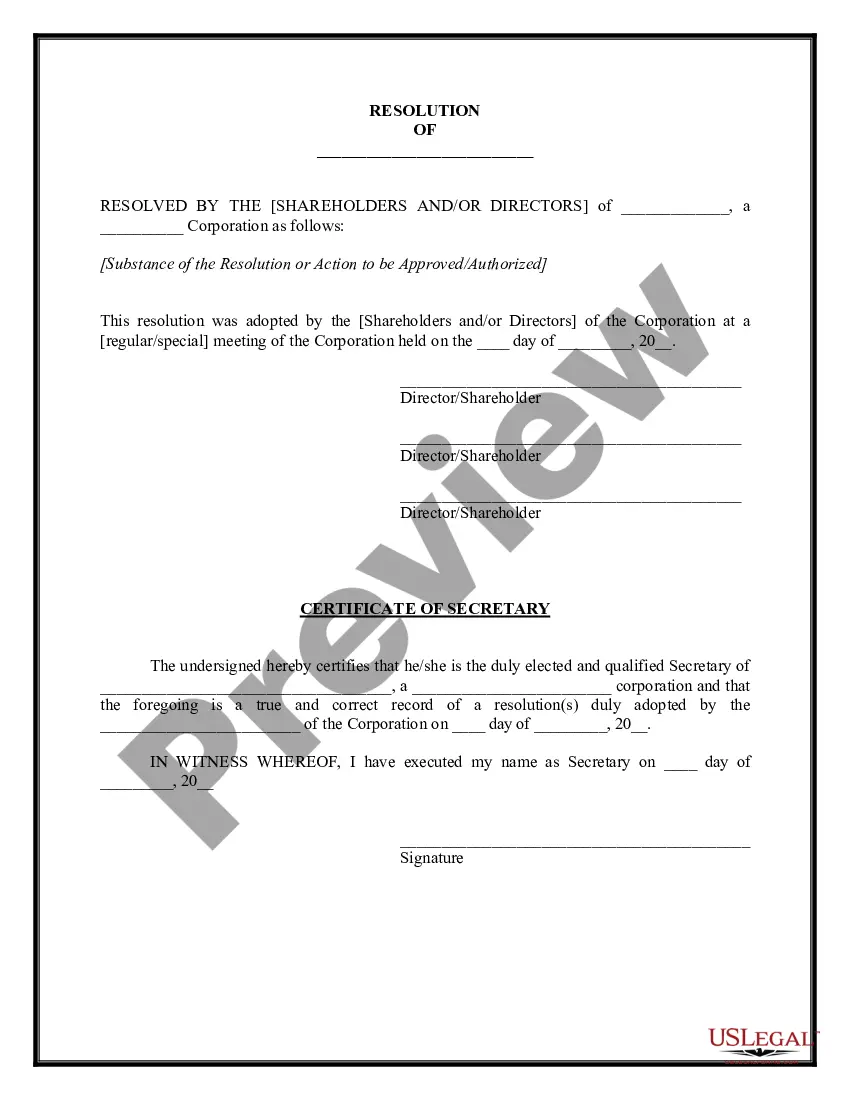
Agreement Unmarried With Child In Utah
Description

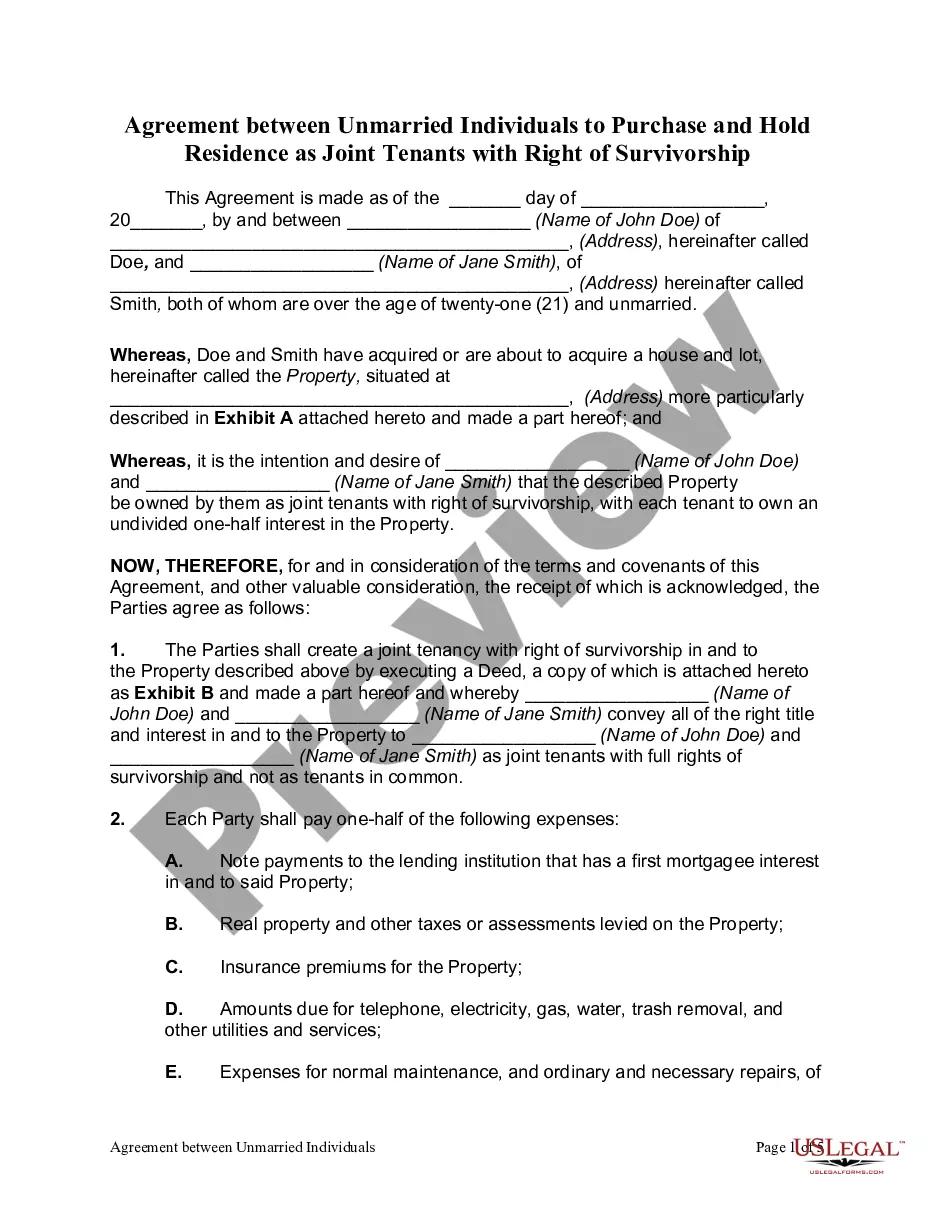
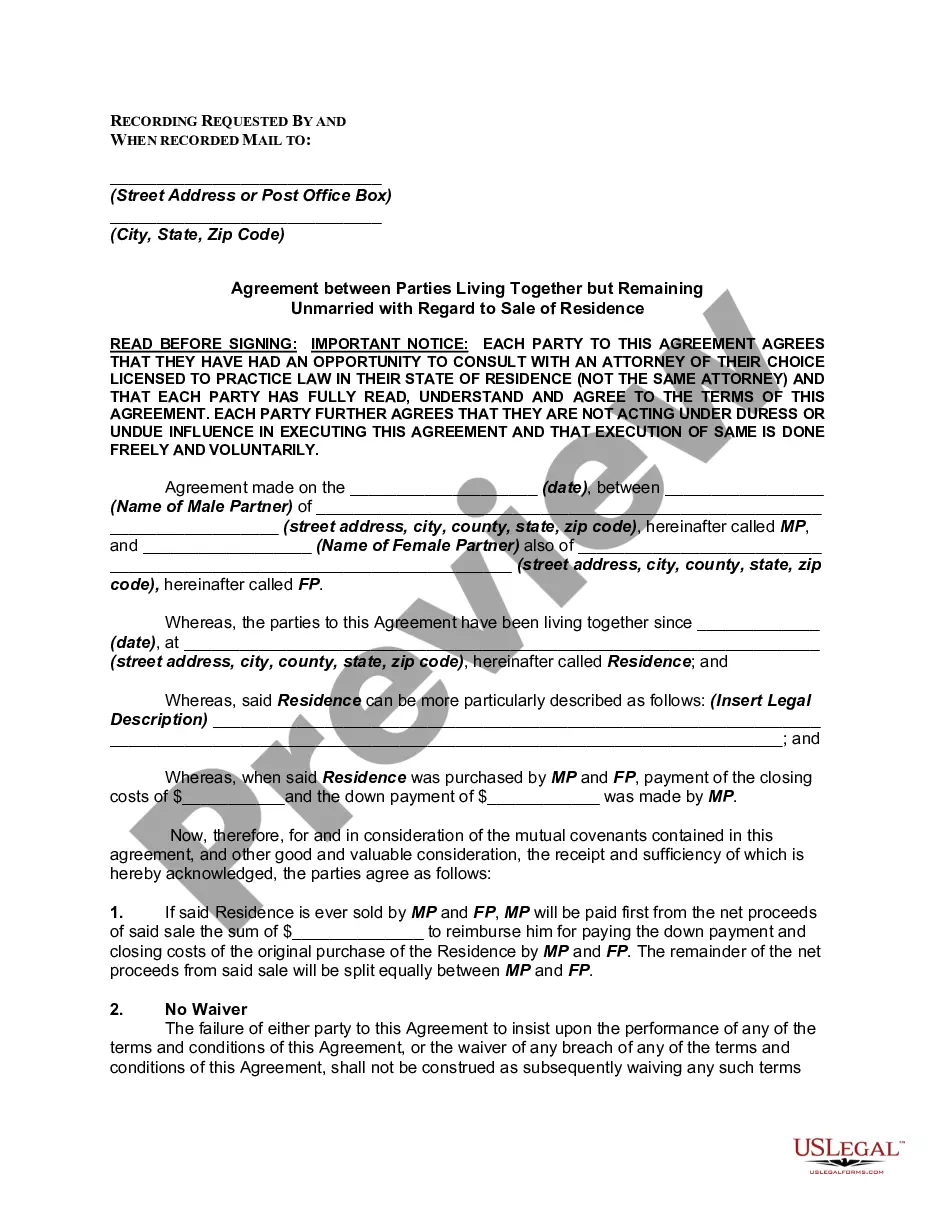
Get your form ready online
Our built-in tools help you complete, sign, share, and store your documents in one place.
Make edits, fill in missing information, and update formatting in US Legal Forms—just like you would in MS Word.
Download a copy, print it, send it by email, or mail it via USPS—whatever works best for your next step.
Sign and collect signatures with our SignNow integration. Send to multiple recipients, set reminders, and more. Go Premium to unlock E-Sign.
If this form requires notarization, complete it online through a secure video call—no need to meet a notary in person or wait for an appointment.
We protect your documents and personal data by following strict security and privacy standards.

Make edits, fill in missing information, and update formatting in US Legal Forms—just like you would in MS Word.

Download a copy, print it, send it by email, or mail it via USPS—whatever works best for your next step.

Sign and collect signatures with our SignNow integration. Send to multiple recipients, set reminders, and more. Go Premium to unlock E-Sign.

If this form requires notarization, complete it online through a secure video call—no need to meet a notary in person or wait for an appointment.

We protect your documents and personal data by following strict security and privacy standards.
Looking for another form?










Form popularity
FAQ
Once paternity has been definitively established, the unmarried father is entitled to all of the parental rights as a married father would be. In order to avoid a lengthy custody battle, it is important for both parents to do their best to remain amicable and willing to compromise.
An unmarried mother has sole custody of her child when the father refuses to acknowledge paternity; as a mere presumed biological parent, he has no rights. When a man acknowledges paternity, he gains legal parental rights, including a right to custody. Marital status is irrelevant to custody.
Utah's custody law provides three parent-time schedule options for parents who share custody: The standard minimum parent-time schedule that provides a parent with one three-hour visit each week and every other weekend. A 60/40 schedule. A 50/50 schedule.
In Utah, being a father gives you the right to pursue custody and visitation of your child, and to make decisions regarding your son or daughter. These rights apply whether you are married or not, but you may have to fight for them, especially in the case of divorce.
If the couple is still married but separated, it is legal for both the parent to take the child. If the couple is divorced and the mother gets the sole physical custody, the father cannot take away the child. Sometimes, it becomes more complicated if you both share physical custody.
Utah child custody law is gender neutral. However, in the case of unmarried parents, mothers have a “natural” and “primary” right to custody. Until a father establishes paternity, he has no rights at all.
What is the New Child Custody Law in Utah? Utah's new child custody law, which went into effect on , is called the "Equal Parent-Time Schedule." This law allows parents to share equal physical custody of their children unless there is a reason why this would not be in the children's best interests.
A custody and parent time order can include arrangements for when a parent relocates. If an order does not include arrangements for when a parent relocates, Utah law has a process that either parent can request when one of the parents plans to move 150 miles or more from the residence of the other parent.