Joint Tenants With Right Of Survivorship Vs Tenants In Common Florida In San Jose
Description


Form popularity
FAQ
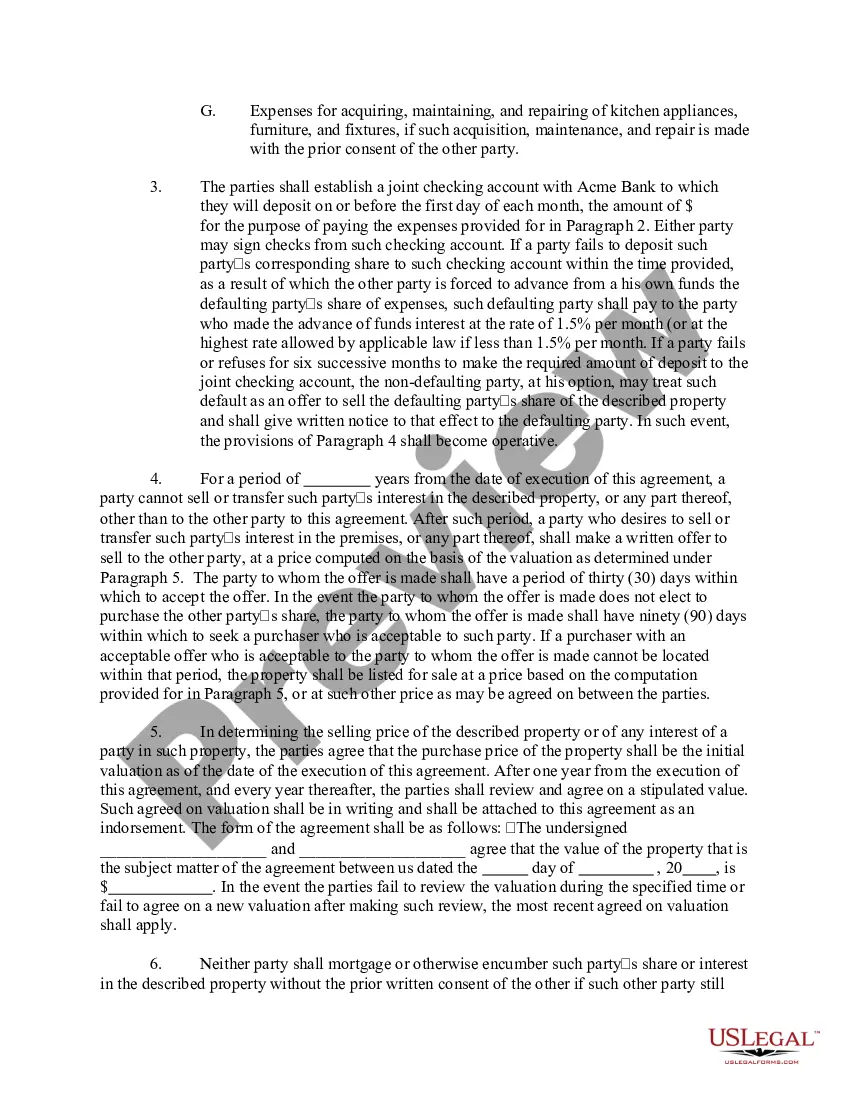
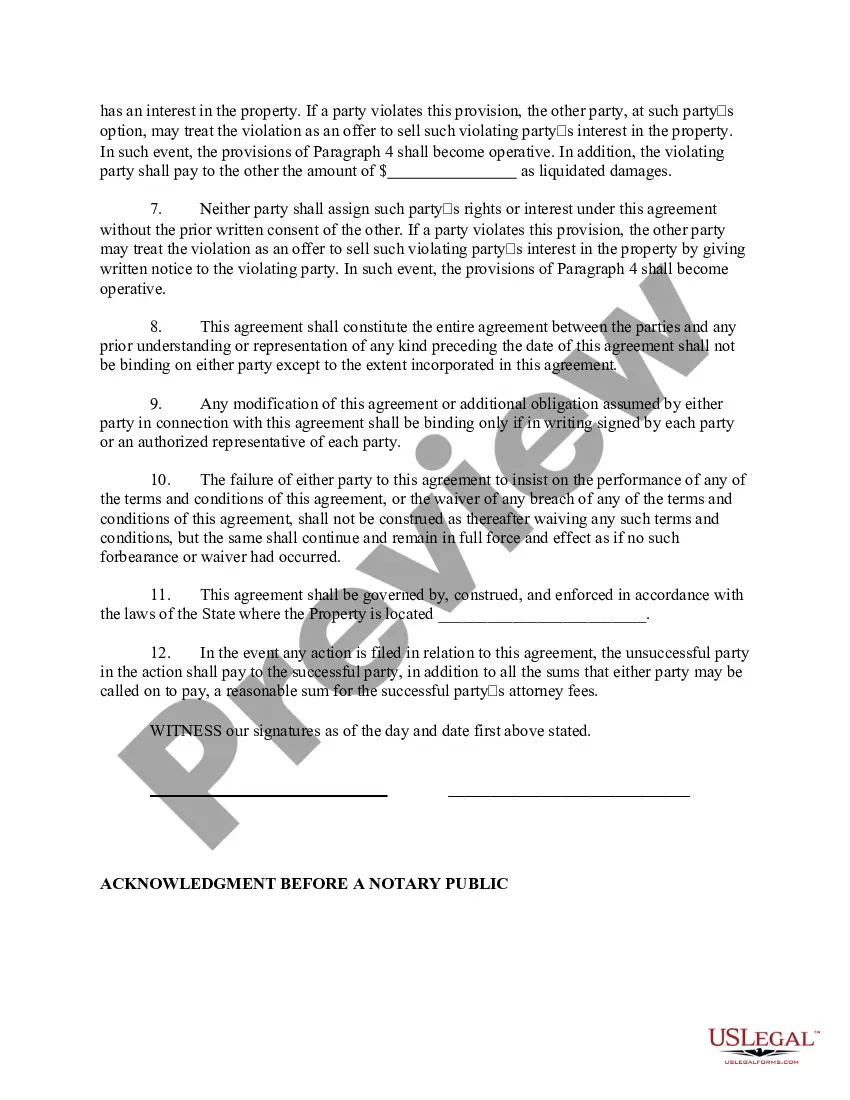
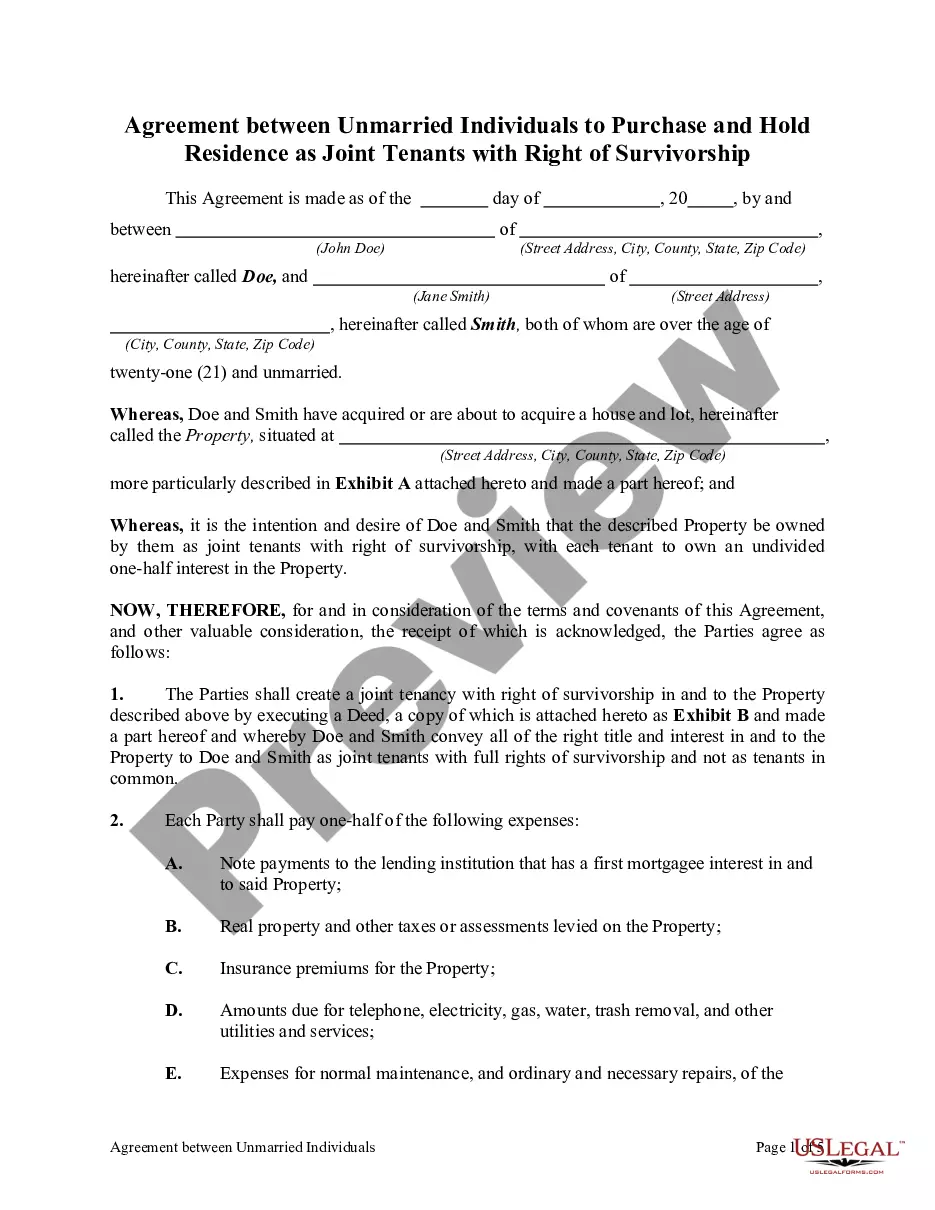
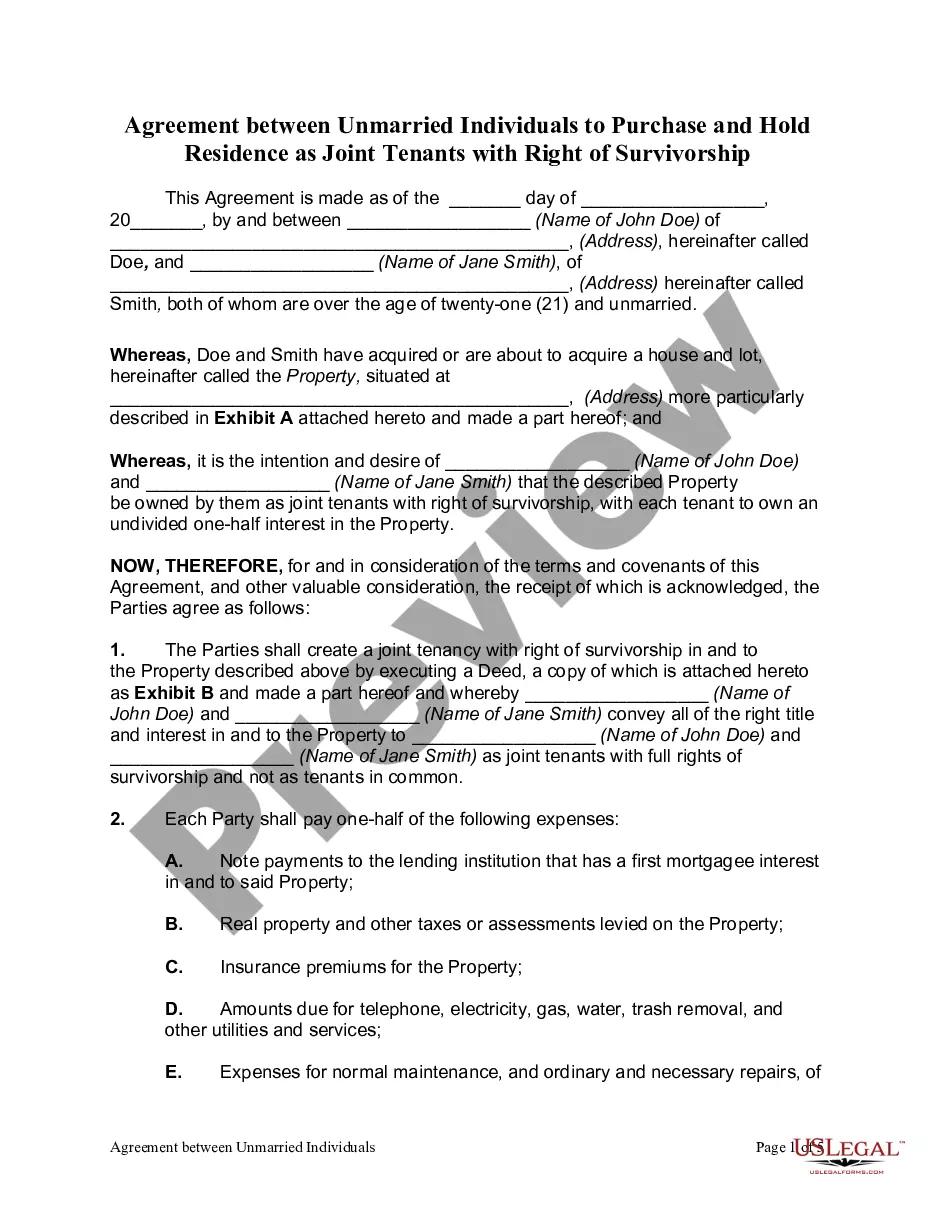
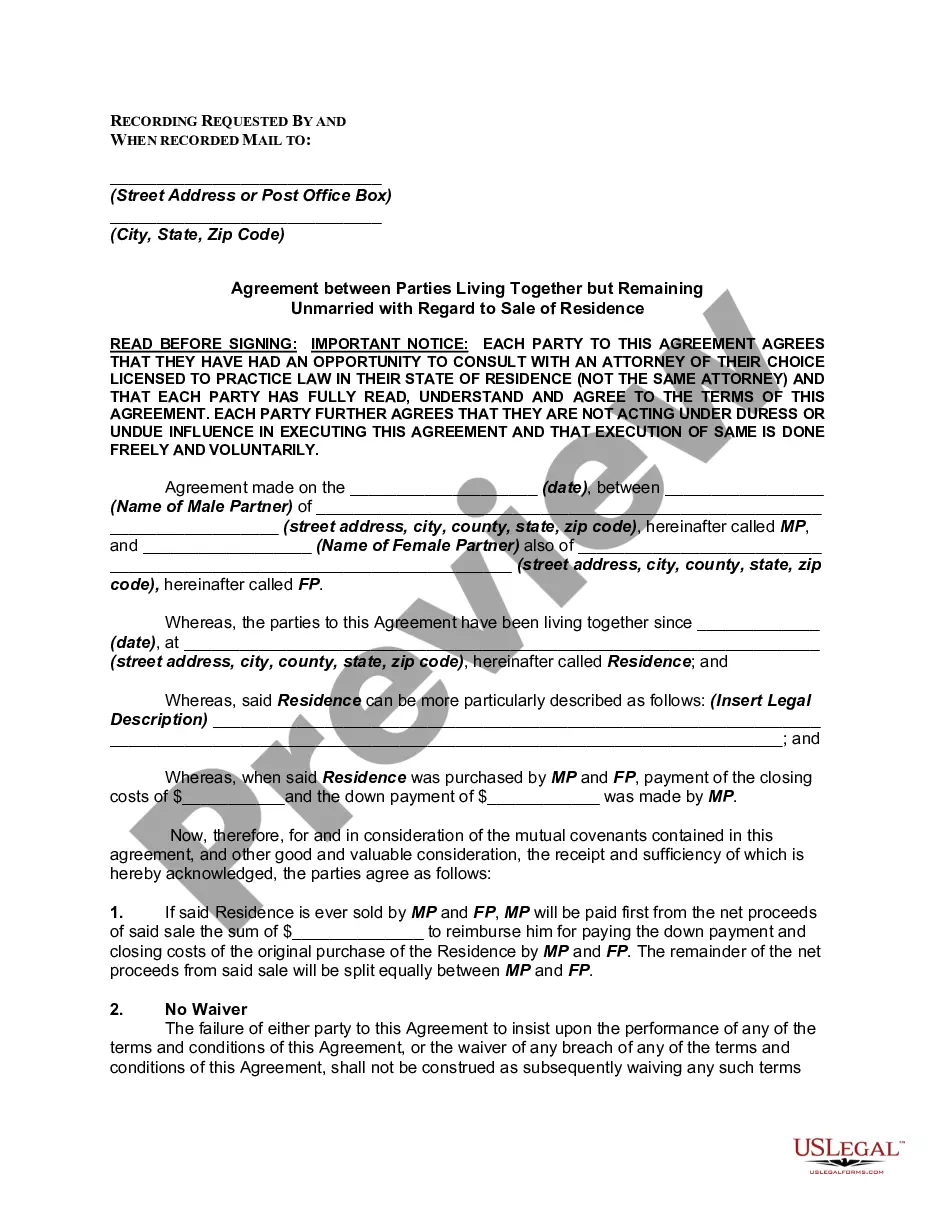
In order to afford marriage-like protections, one partner may quitclaim their interest in real property to themselves and their partner as joint tenants with rights of survivorship. This will ensure that when one partner passes, the other will be the owner of the real property.
There are four different ways to hold title in real property in Florida: (1) tenants in common; (2) joint tenancy; (3) joint tenants with right of survivorship; and (4) tenancy by the entireties.
Yes, JTWROS can be terminated by mutual agreement of all owners, or if one owner sells or transfers their share, converting the ownership to tenancy in common.
Yes, JTWROS can be terminated by mutual agreement of all owners, or if one owner sells or transfers their share, converting the ownership to tenancy in common.
Rights to Lease Property: Co-owners can lease out jointly owned property, but they typically need mutual consent. If the co-ownership agreement specifies, one owner might lease the property independently. However, without such an agreement, unilateral leasing can lead to legal disputes and potential partition actions.
Joint Tenancy with Right of Survivorship Florida A joint tenancy with right of survivorship has all the same features of a joint tenancy with the additional feature that when one joint tenant passes away, his or her interest in the real property will automatically pass to the survivor joint tenants by operational law.
The simplest way to add a name to a deed in Florida is by using a quitclaim deed. Here are the steps: Complete the Quitclaim Deed Form – Include the property's full legal description and the names of all parties involved. You will need the previous deed for reference.
Real estate titled in the sole name of the decedent, or the decedent's name and another person as tenants in common, is a probate asset (unless it is homestead property). Real estate titled in the name of the decedent and one or more other persons as joint tenants with rights of survivorship is not a probate asset.
