Joint Tenants Without Right Of Survivorship In Ohio
Description

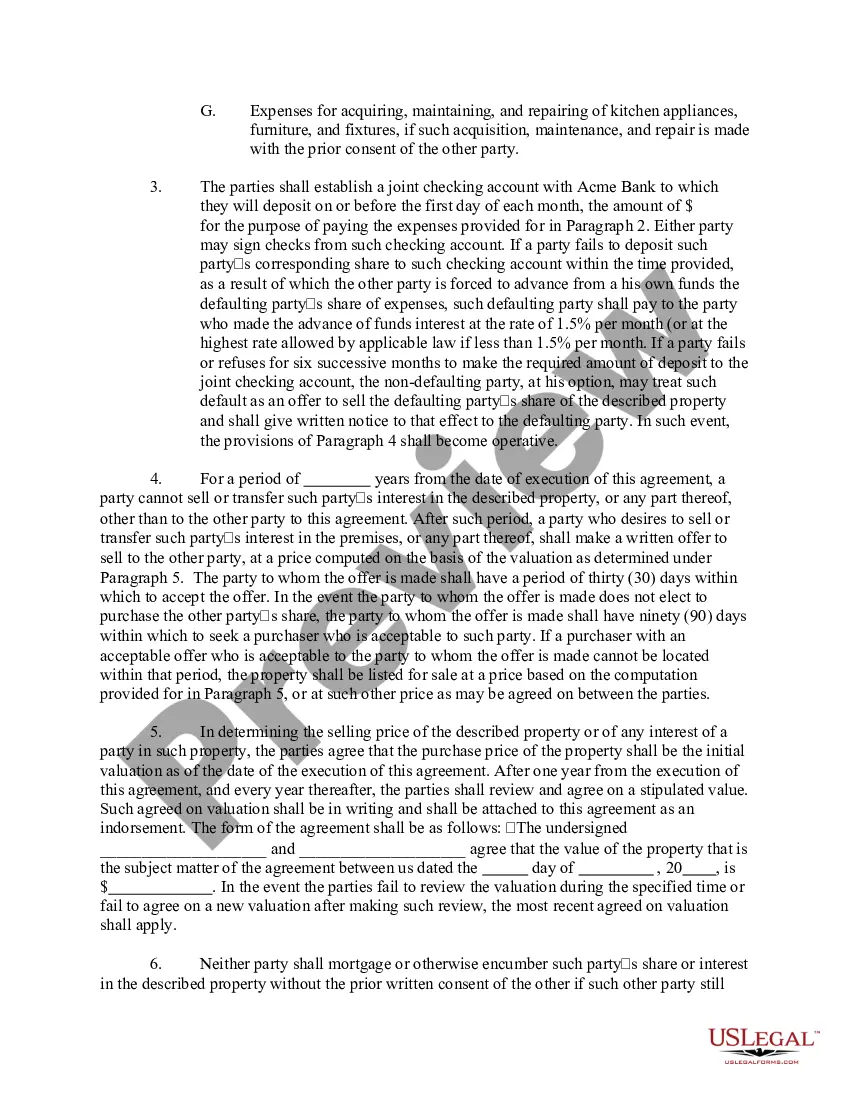
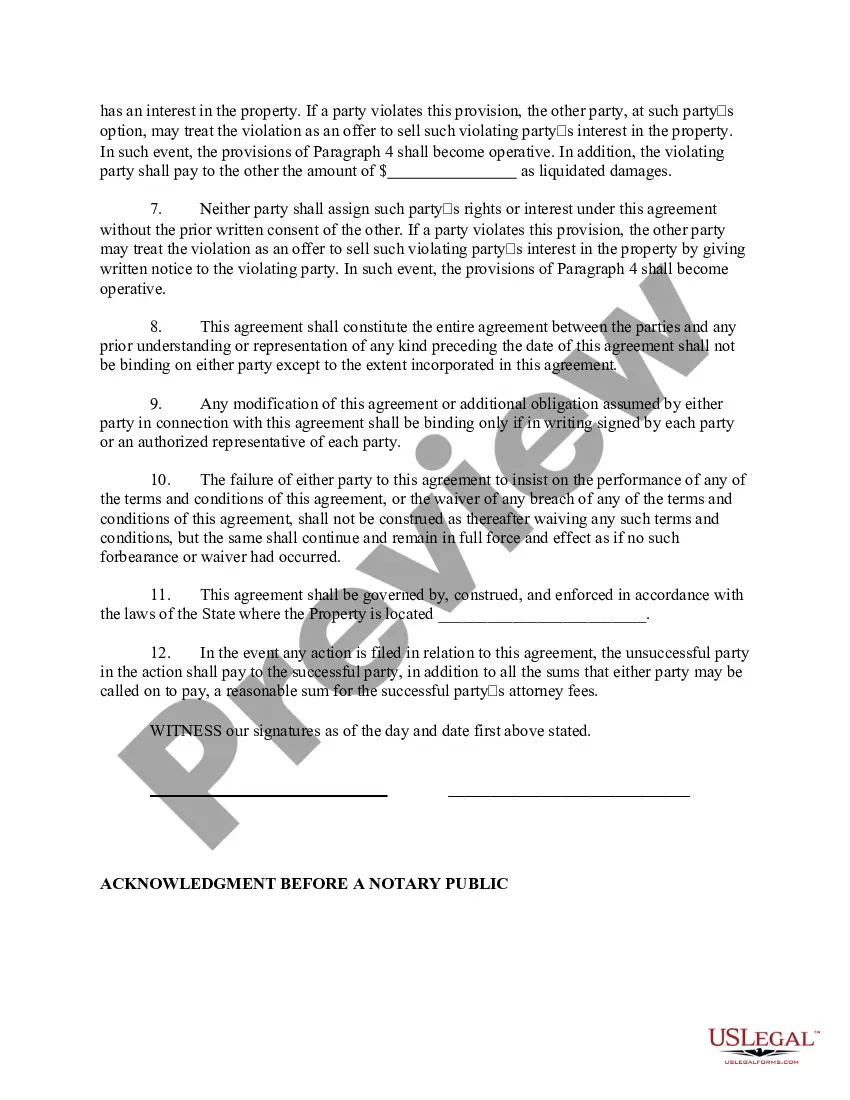
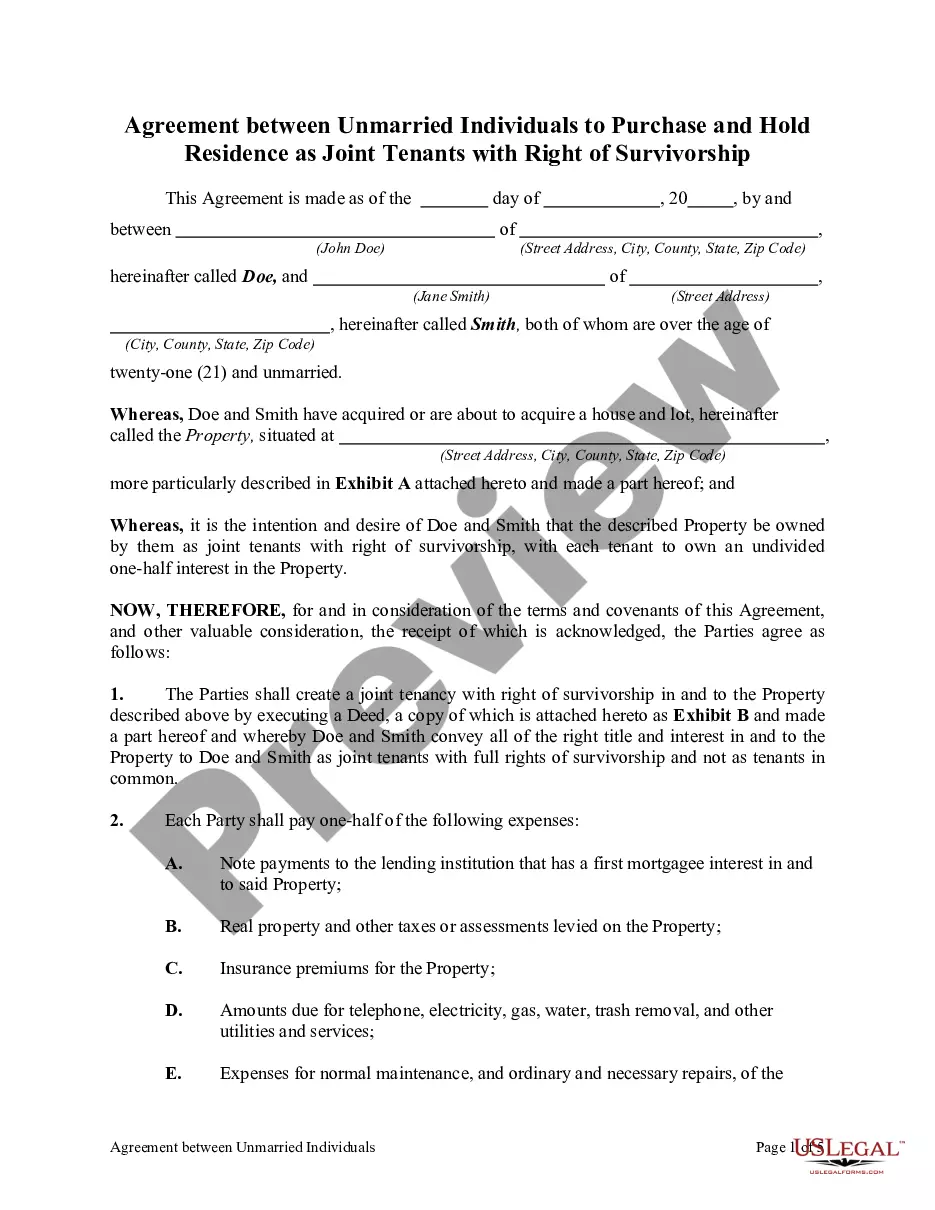
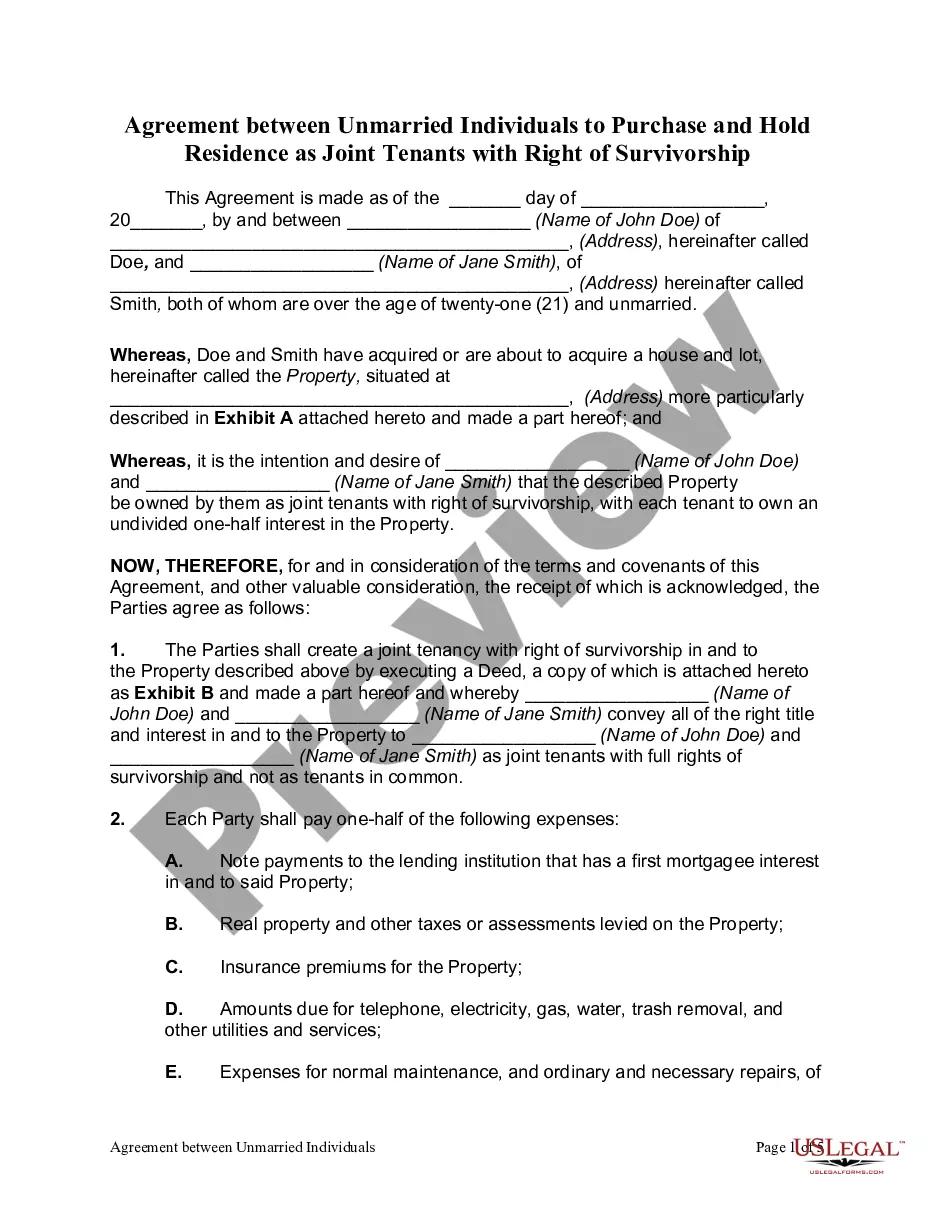
Get your form ready online
Our built-in tools help you complete, sign, share, and store your documents in one place.
Make edits, fill in missing information, and update formatting in US Legal Forms—just like you would in MS Word.
Download a copy, print it, send it by email, or mail it via USPS—whatever works best for your next step.
Sign and collect signatures with our SignNow integration. Send to multiple recipients, set reminders, and more. Go Premium to unlock E-Sign.
If this form requires notarization, complete it online through a secure video call—no need to meet a notary in person or wait for an appointment.
We protect your documents and personal data by following strict security and privacy standards.

Make edits, fill in missing information, and update formatting in US Legal Forms—just like you would in MS Word.

Download a copy, print it, send it by email, or mail it via USPS—whatever works best for your next step.

Sign and collect signatures with our SignNow integration. Send to multiple recipients, set reminders, and more. Go Premium to unlock E-Sign.

If this form requires notarization, complete it online through a secure video call—no need to meet a notary in person or wait for an appointment.

We protect your documents and personal data by following strict security and privacy standards.
Looking for another form?









Form popularity
FAQ
Ohio recognizes joint tenancy as a common form of joint ownership for non-spouses.
Does Survivorship Override a Will? A valid right of survivorship always overrides a Will. This is because a property that has a right of survivorship passes automatically to the surviving owner, and legally so. Thus, the property legally cannot be included as a part of the deceased owner's estate.
Disadvantages of Right of Survivorship Potential Tax Implications: In some cases, the transfer of property via the Right of Survivorship could have tax consequences, such as impacting estate taxes, capital gains taxes, or property tax reassessment under California's Proposition 13.
In Ohio, a survivorship deed creates a “joint tenancy” between two or more owners. Owners are called survivorship tenants. Upon the death of one of the survivorship tenants, his or her interest in the property will pass to the surviving tenants automatically. This bypasses the need for probate.
In Ohio, a survivorship deed creates a “joint tenancy” between two or more owners. Owners are called survivorship tenants. Upon the death of one of the survivorship tenants, his or her interest in the property will pass to the surviving tenants automatically.
Historically, the common law required that in order for a joint tenancy to be created, the co-owners must share the “four unities” of (1) time – the property interest must be acquired by both tenants at the same time; (2) title - both tenants must have the same title to the property in the deed; (3) interest - both ...
Generally, the most efficient way for the transfer to happen is at death via a trust. The deed is titled within your family trust or transfer on death deed. The trust transfers the assets to the children at passing. Skips probate.
Ohio's Senate Bill 313, which became law on August 29, 2000, provides a simple way for citizens to transfer real estate outside of probate. The transfer on death provision will afford some advantages over other forms of transfer.
