Joint Tenancy Definition In Law In Oakland
Description

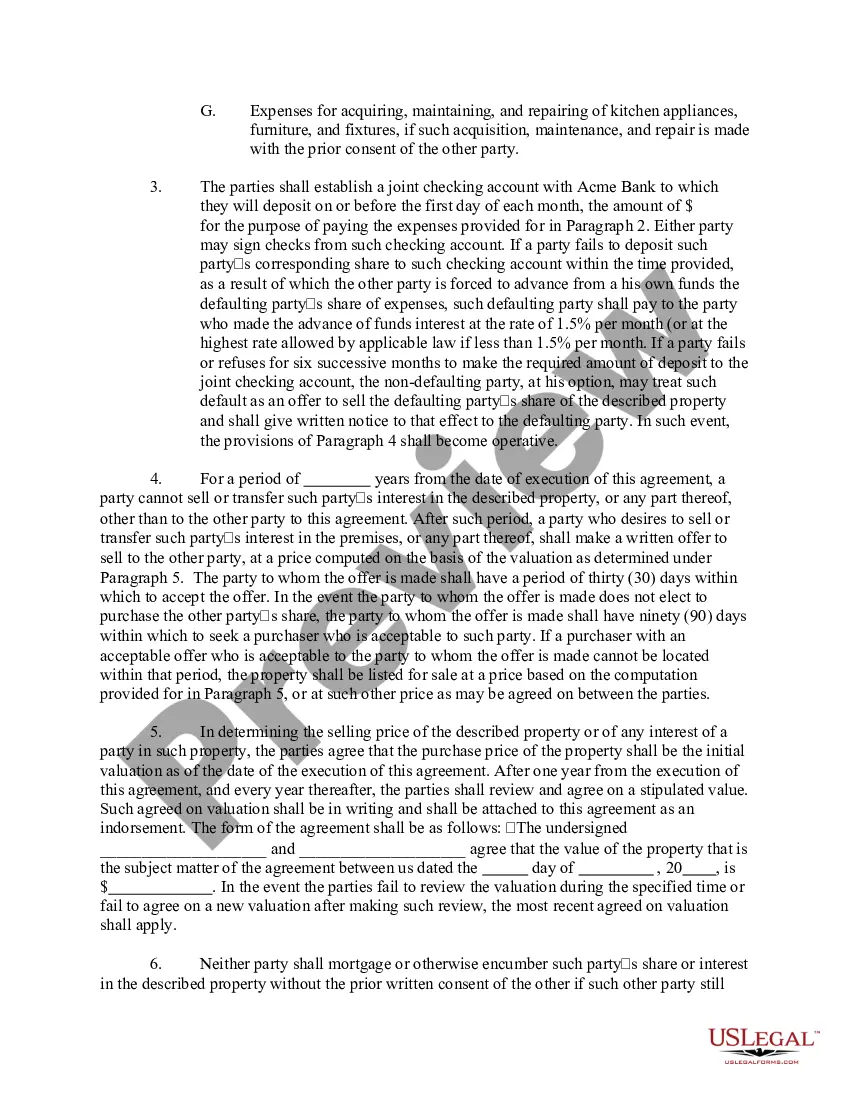
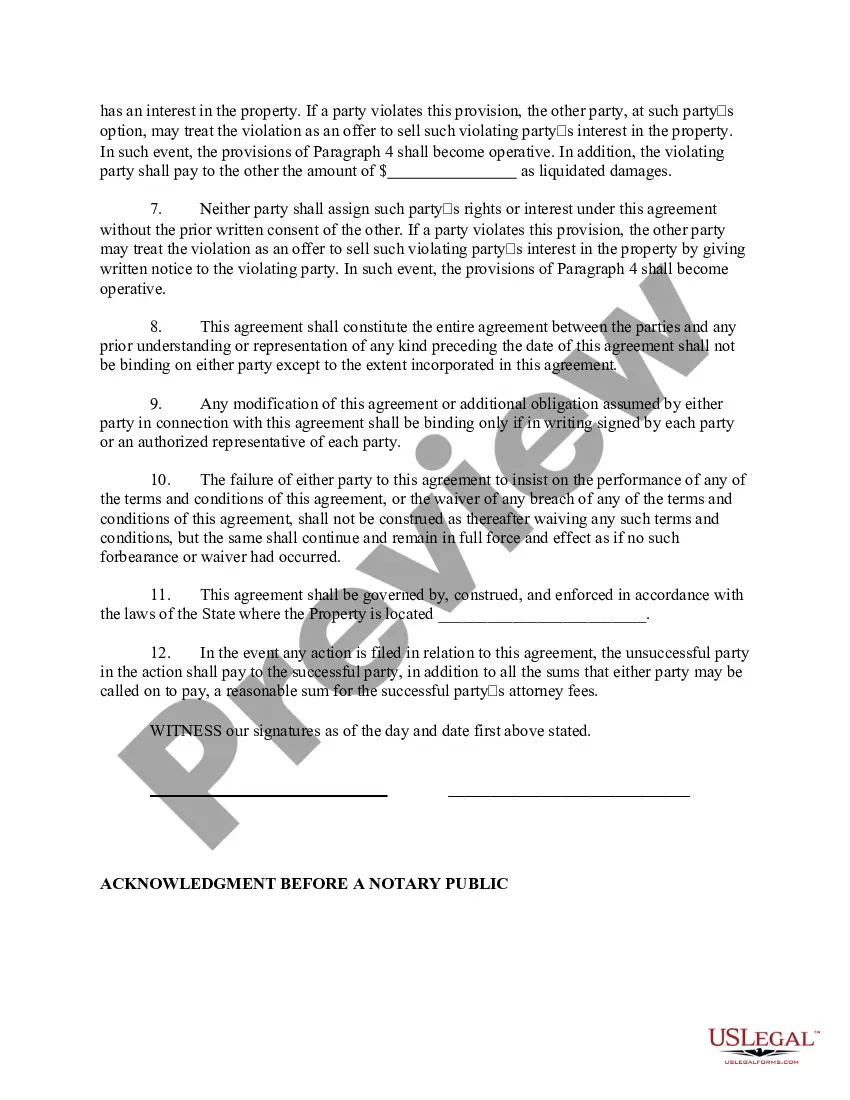
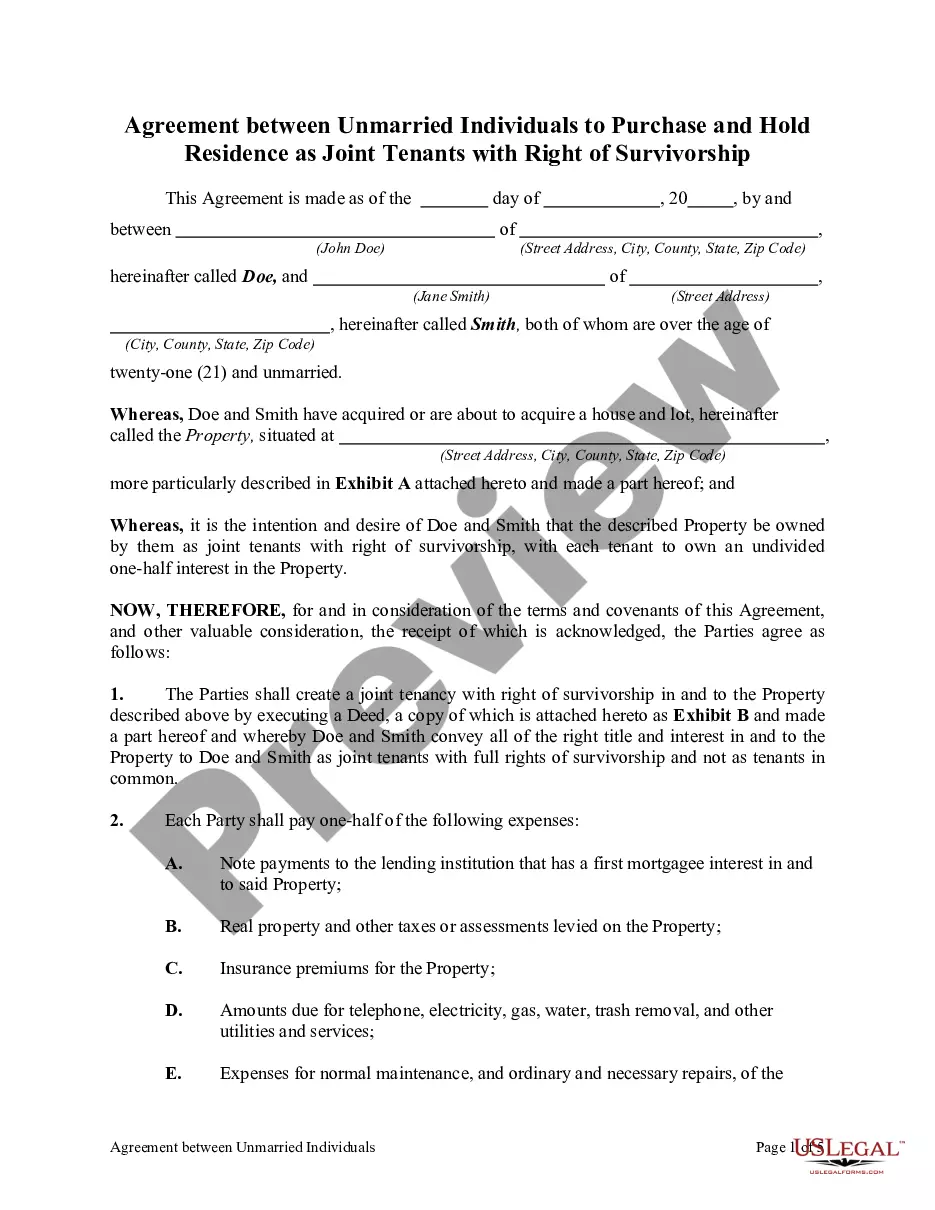
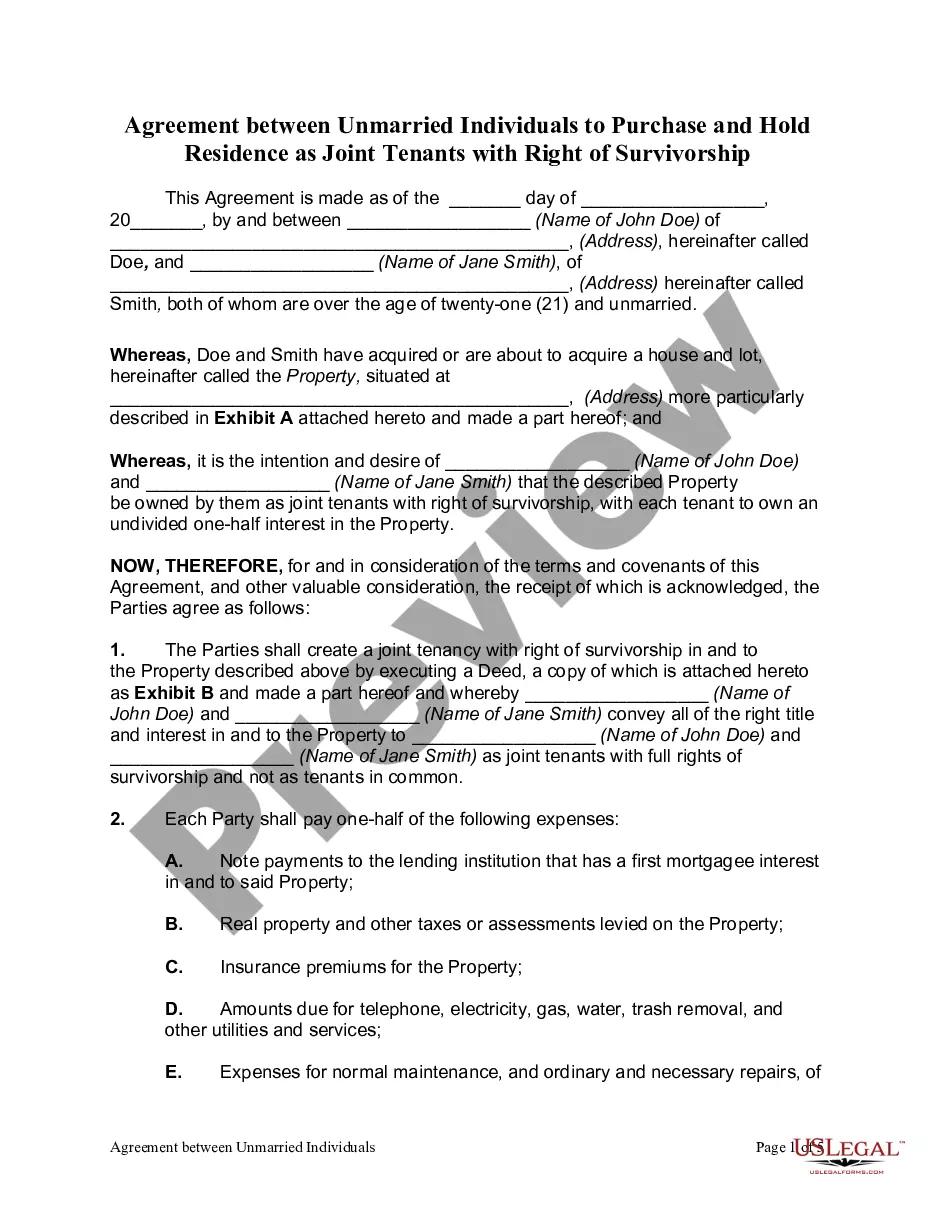
Get your form ready online
Our built-in tools help you complete, sign, share, and store your documents in one place.
Make edits, fill in missing information, and update formatting in US Legal Forms—just like you would in MS Word.
Download a copy, print it, send it by email, or mail it via USPS—whatever works best for your next step.
Sign and collect signatures with our SignNow integration. Send to multiple recipients, set reminders, and more. Go Premium to unlock E-Sign.
If this form requires notarization, complete it online through a secure video call—no need to meet a notary in person or wait for an appointment.
We protect your documents and personal data by following strict security and privacy standards.

Make edits, fill in missing information, and update formatting in US Legal Forms—just like you would in MS Word.

Download a copy, print it, send it by email, or mail it via USPS—whatever works best for your next step.

Sign and collect signatures with our SignNow integration. Send to multiple recipients, set reminders, and more. Go Premium to unlock E-Sign.

If this form requires notarization, complete it online through a secure video call—no need to meet a notary in person or wait for an appointment.

We protect your documents and personal data by following strict security and privacy standards.
Looking for another form?


Form popularity
FAQ
A key characteristic of joint tenancy is the Right of Survivorship. When one joint tenant dies, their interest in the property automatically passes to the surviving joint tenant(s). This means that ownership is not part of the deceased owner's estate and does not require probate to transfer.
In California, one joint tenant can unilaterally terminate or “sever” a joint tenancy without the consent of the other joint tenant(s). This action converts the ownership to a tenancy in common, eliminating the right of survivorship.
Joint tenancy is a legal term for an arrangement that defines the ownership interests and rights among two or more co-owners of real property. In a joint tenancy, two or more people own property together, each with equal rights and responsibilities.
Severing Joint Tenancy Joint tenancy in property ownership can be severed through various methods. A voluntary agreement allows all joint tenants to terminate the joint tenancy and convert it into a tenancy in common, often through a written agreement or contract.
In California, joint tenancy works by granting each tenant an equal and undivided interest in the property. This means that all joint tenants have an equal right to possess and use the entire property, regardless of their financial contribution.
A Joint Tenancy must include these four unities: Unity of interest: The interest of each owner is equal. Unity of time: The interest of the owners is acquired at the same time. Unity of possession: The owners have the right of survivorship.
(a) A joint interest is one owned by two or more persons in equal shares, by a title created by a single will or transfer, when expressly declared in the will or transfer to be a joint tenancy, or by transfer from a sole owner to himself or herself and others, or from tenants in common or joint tenants to themselves or ...
The law is that “A joint interest is one owned by two or more persons in equal shares….” Civ. Code § 683(a). As one court explained: “One of the characteristics of joint tenancy is the equality of the interest held by the respective tenants,” citing “Civ. Code § 683.” Stark v.
A joint tenancy can be terminated by a court judgment, through a mutual agreement between the joint tenants, or by one joint tenant conveying their property interest to a third party, among other methods. (Civ. Code § 683.2(a).) Once the joint tenancy is terminated, the joint tenants become tenants in common.
