Joint Tenants Or Tenants In Common For Married Couples In North Carolina
Description
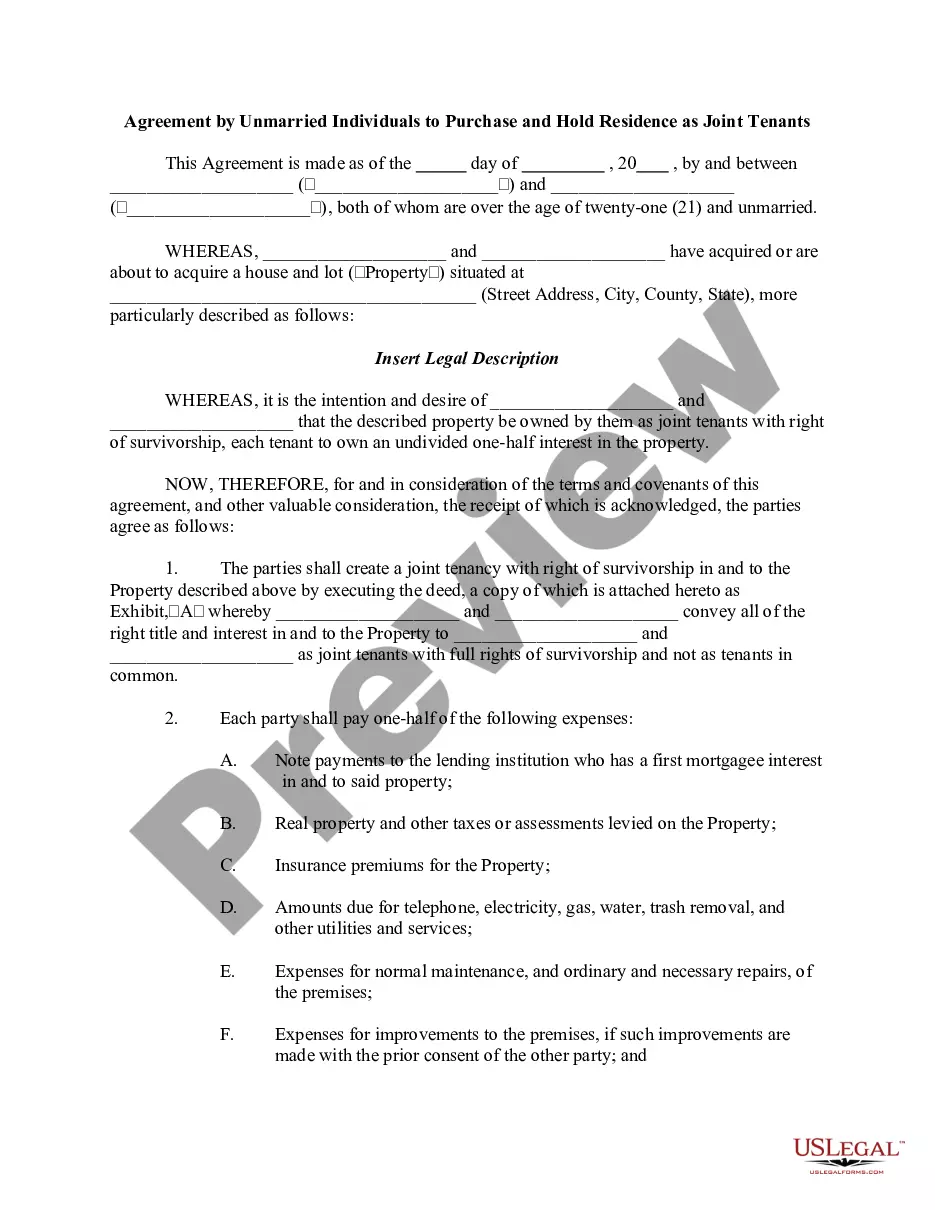
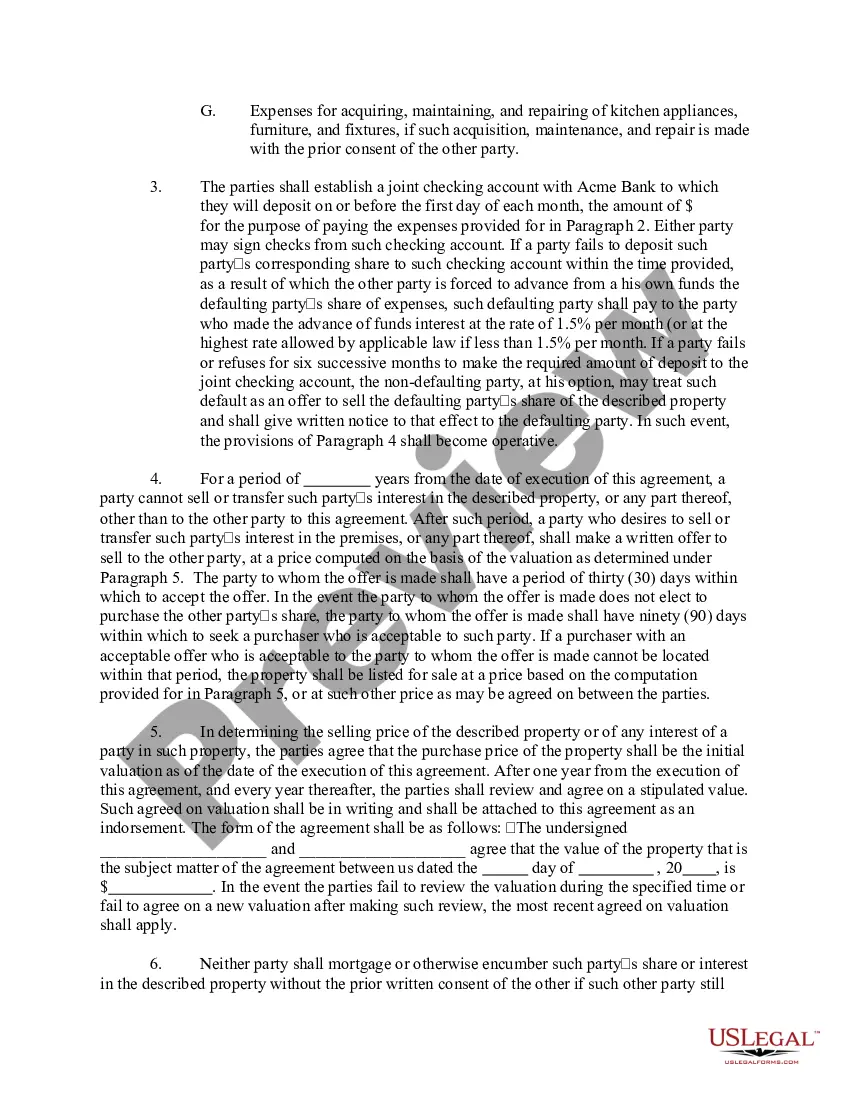
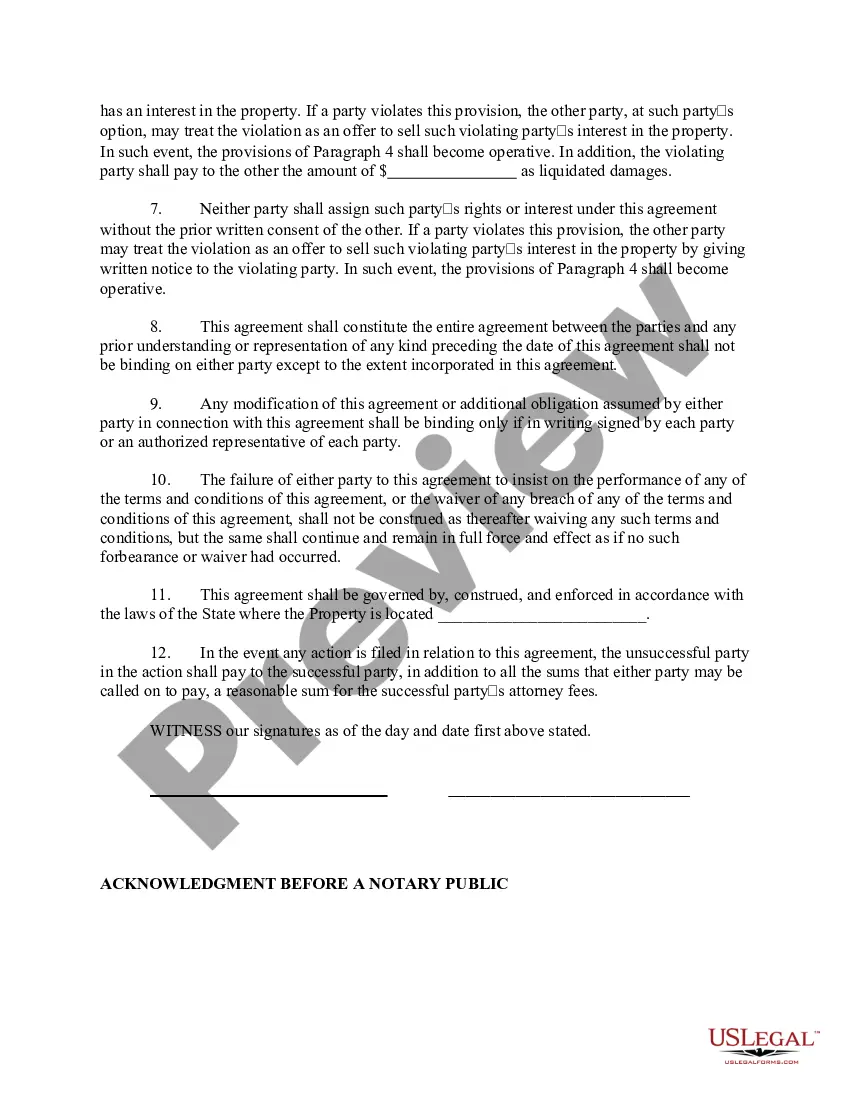
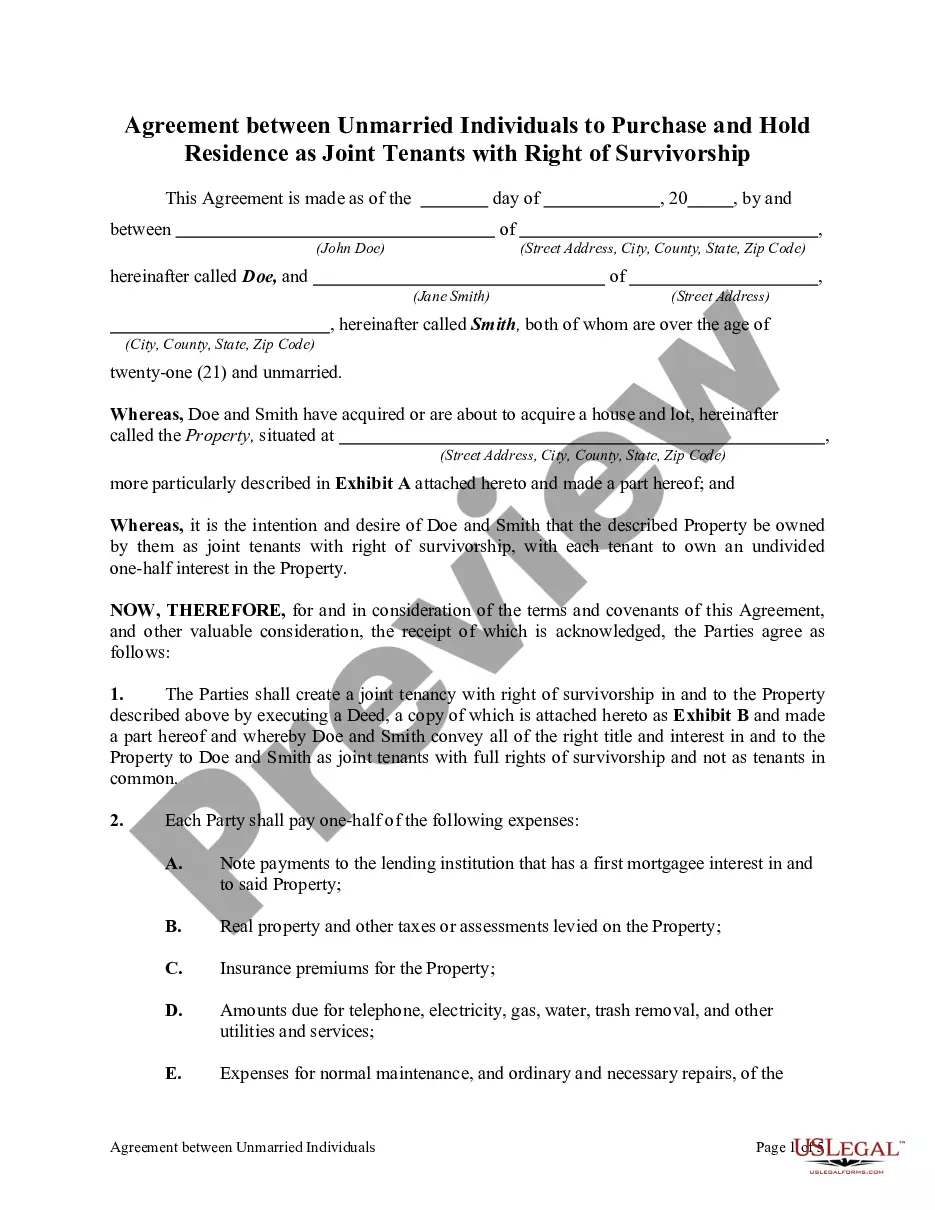
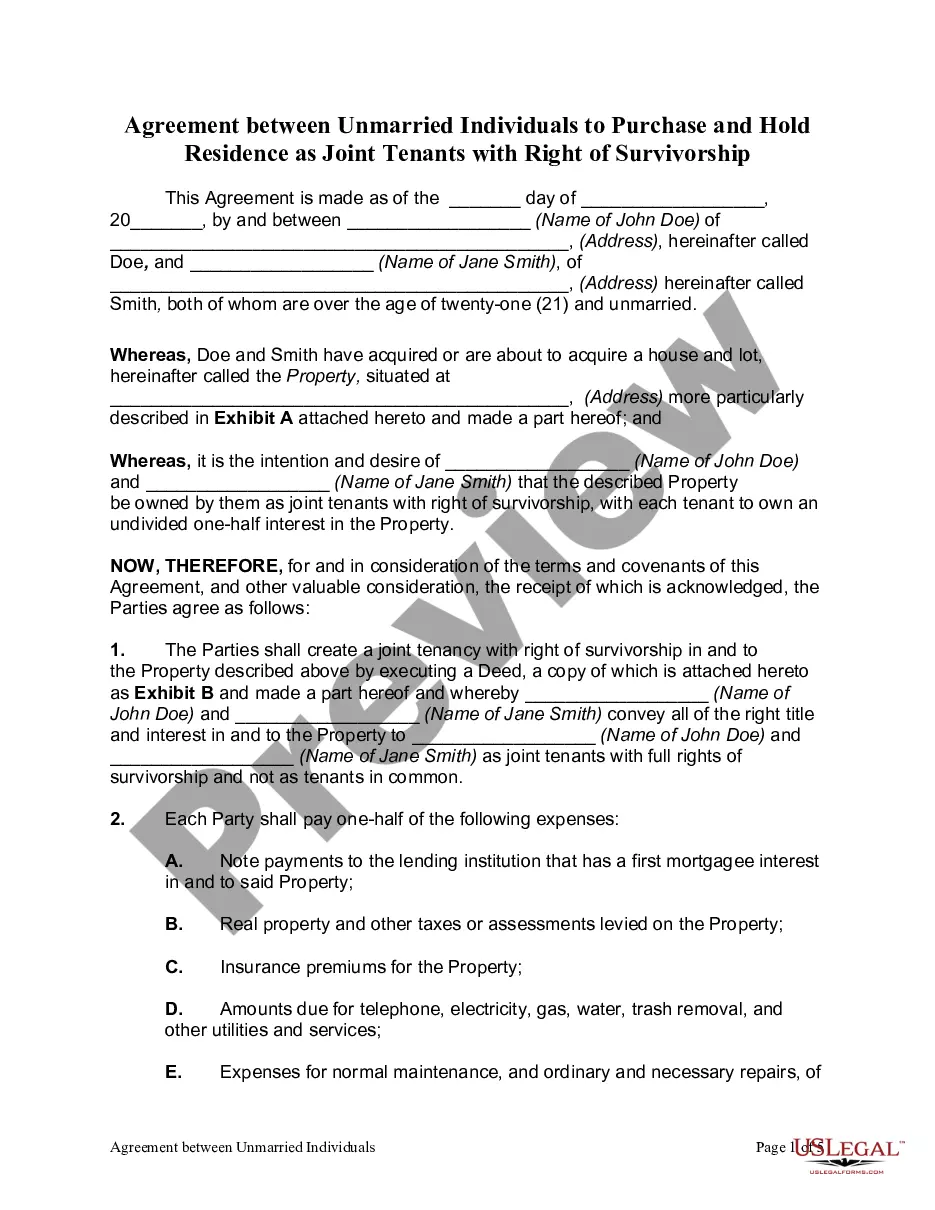
Get your form ready online
Our built-in tools help you complete, sign, share, and store your documents in one place.
Make edits, fill in missing information, and update formatting in US Legal Forms—just like you would in MS Word.
Download a copy, print it, send it by email, or mail it via USPS—whatever works best for your next step.
Sign and collect signatures with our SignNow integration. Send to multiple recipients, set reminders, and more. Go Premium to unlock E-Sign.
If this form requires notarization, complete it online through a secure video call—no need to meet a notary in person or wait for an appointment.
We protect your documents and personal data by following strict security and privacy standards.

Make edits, fill in missing information, and update formatting in US Legal Forms—just like you would in MS Word.

Download a copy, print it, send it by email, or mail it via USPS—whatever works best for your next step.

Sign and collect signatures with our SignNow integration. Send to multiple recipients, set reminders, and more. Go Premium to unlock E-Sign.

If this form requires notarization, complete it online through a secure video call—no need to meet a notary in person or wait for an appointment.

We protect your documents and personal data by following strict security and privacy standards.
Looking for another form?
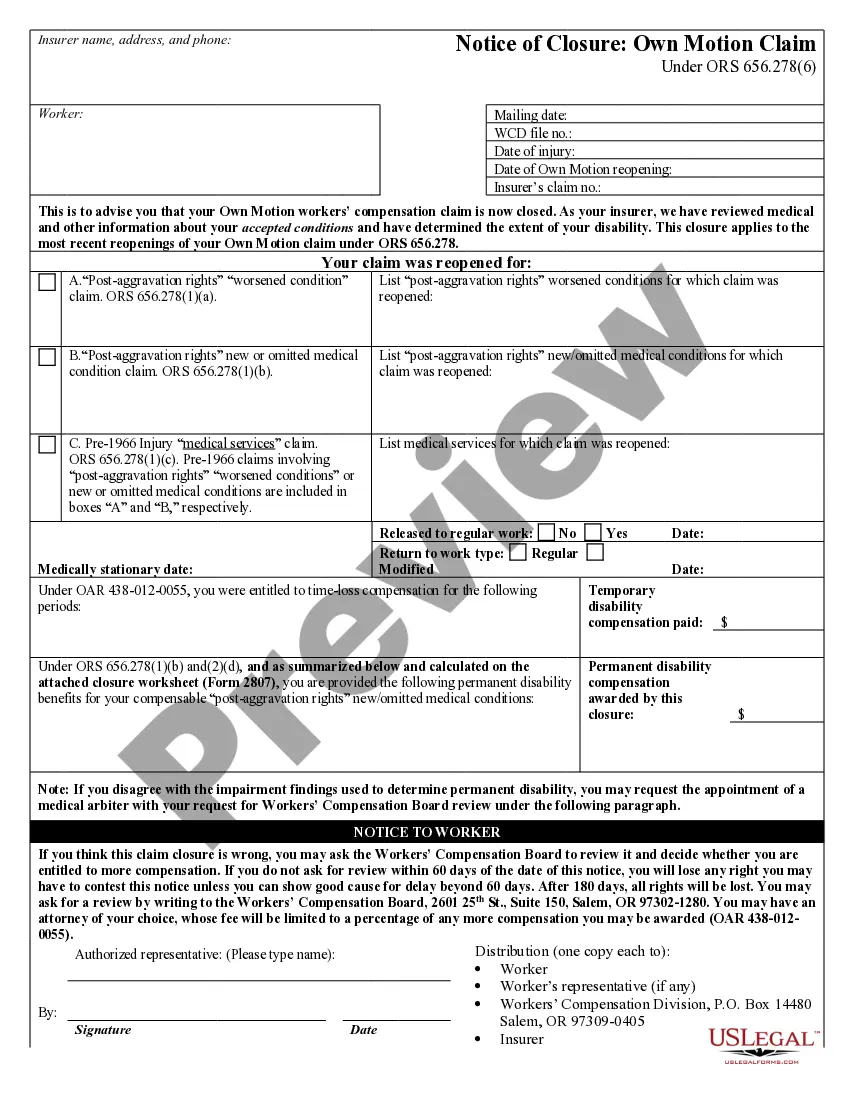
Form popularity
FAQ
If multiple people hold title under tenancy in common, this means that each individual can choose to sell their ownership interests in the property at any time. Unlike with joint tenancy, a tenancy in common agreement allows for multiple owners to own different percentages of the entire property.
Joint tenancy is most common among married couples because it helps property owners avoid probate. Without joint tenancy, a spouse would have to wait for their partner's Last Will to go through a legal review process—which can take months or even years.
Tenant by the Entirety in North Carolina In North Carolina, spouses have the option of owning property by the entirety, which functions like a joint tenancy in that the surviving spouse will immediately take ownership of the property on the death of the other spouse.
If there are more than two joint tenants and one of the joint tenants conveys all of that joint tenant's interests to a third party, a tenancy in common is created among the third party and the remaining joint tenants, who continue as joint tenants with right of survivorship as between or among themselves.
Joint tenancy is most common among married couples because it helps property owners avoid probate. Without joint tenancy, a spouse would have to wait for their partner's Last Will to go through a legal review process—which can take months or even years.
Joint tenancy property passes to the surviving joint tenant and no one else, no matter what you do. If it is your intent to leave your property to your spouse and then to your children, joint tenancy is not for you.
Tenants in common gives you more protections and you can specify in a deed of trust what you would want to happen in the event of relationship breakdown (eg if one of you has first dibs to buy the other out, or a time limit on doing so etc) which is definitely better to decide now whilst you still like each other!
Further tenancy in common allows parties to hold unequal shares of property interest. Joint tenancy requires each co-owner to hold equal shares of property. Further, co-owners must transfer the deed at the same time. In this sense, joint tenancy is rigid compared to tenancy in common.
For instance, if you're married, the most common way to title your home is Tenancy by the Entirety (TBE).