Joint Tenants Or Tenants In Common On Death In Minnesota
Description

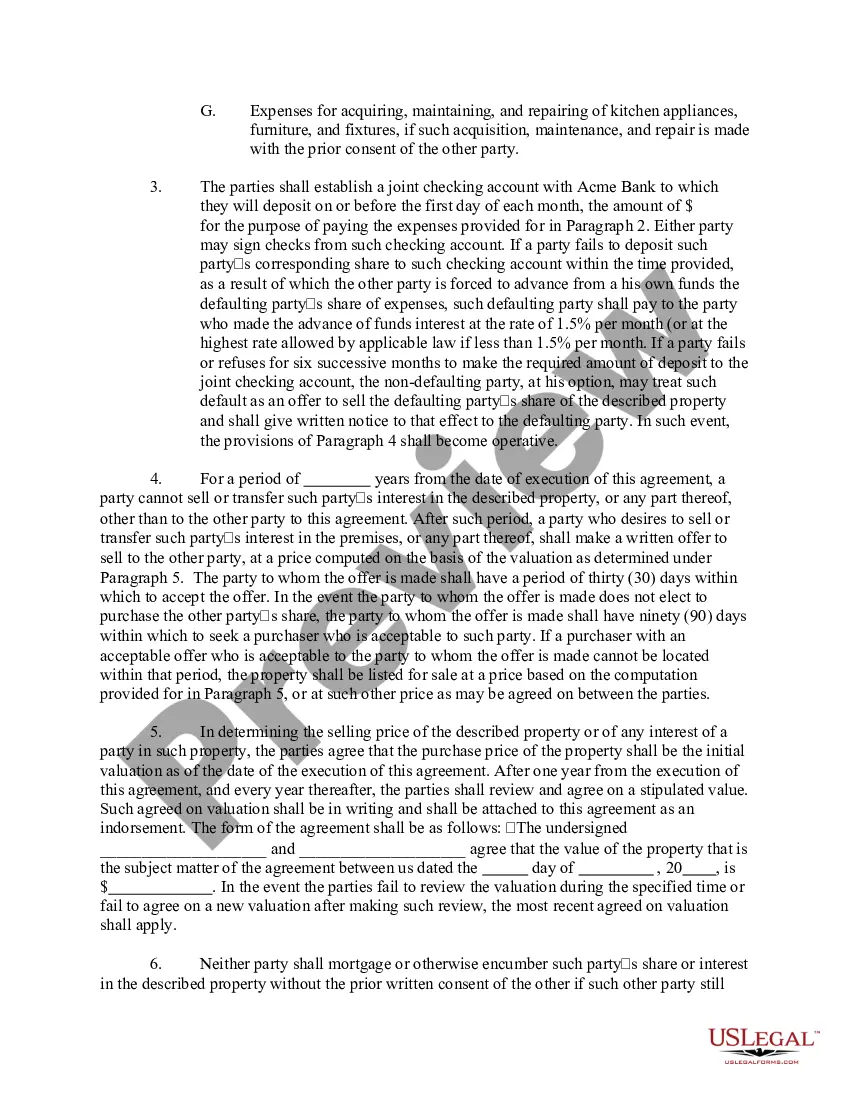
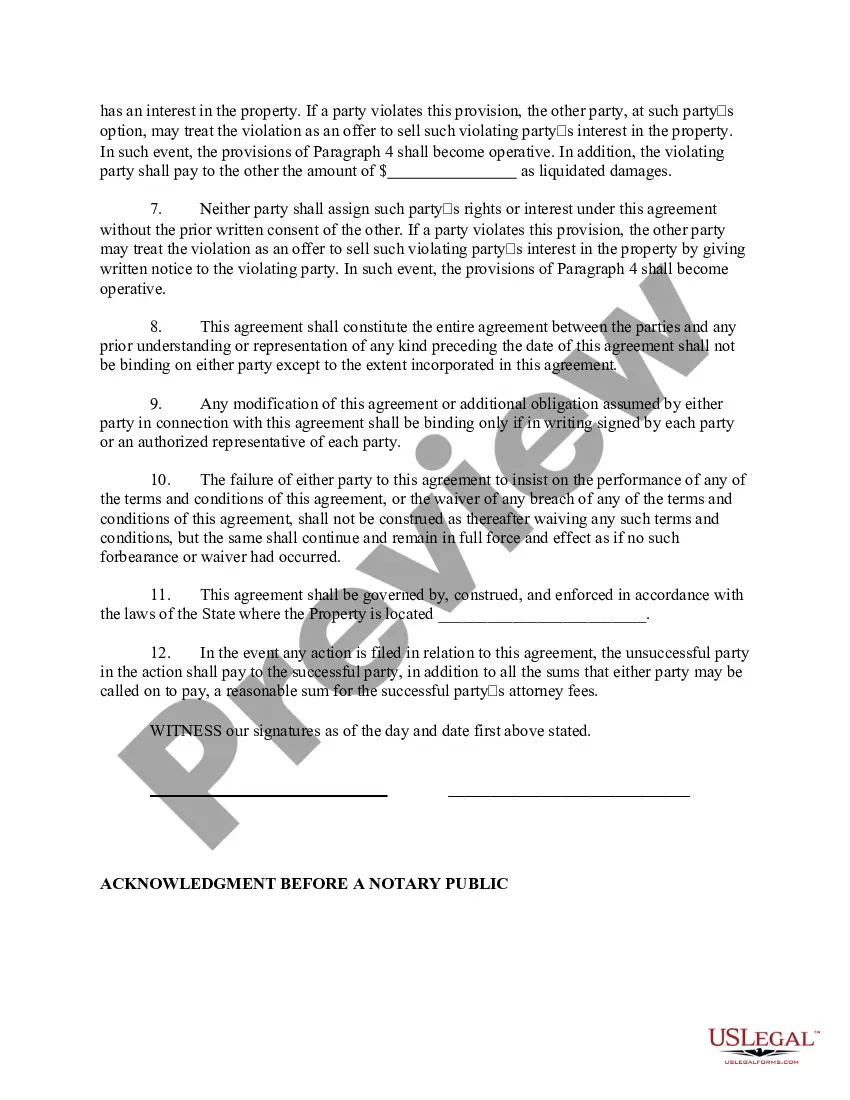
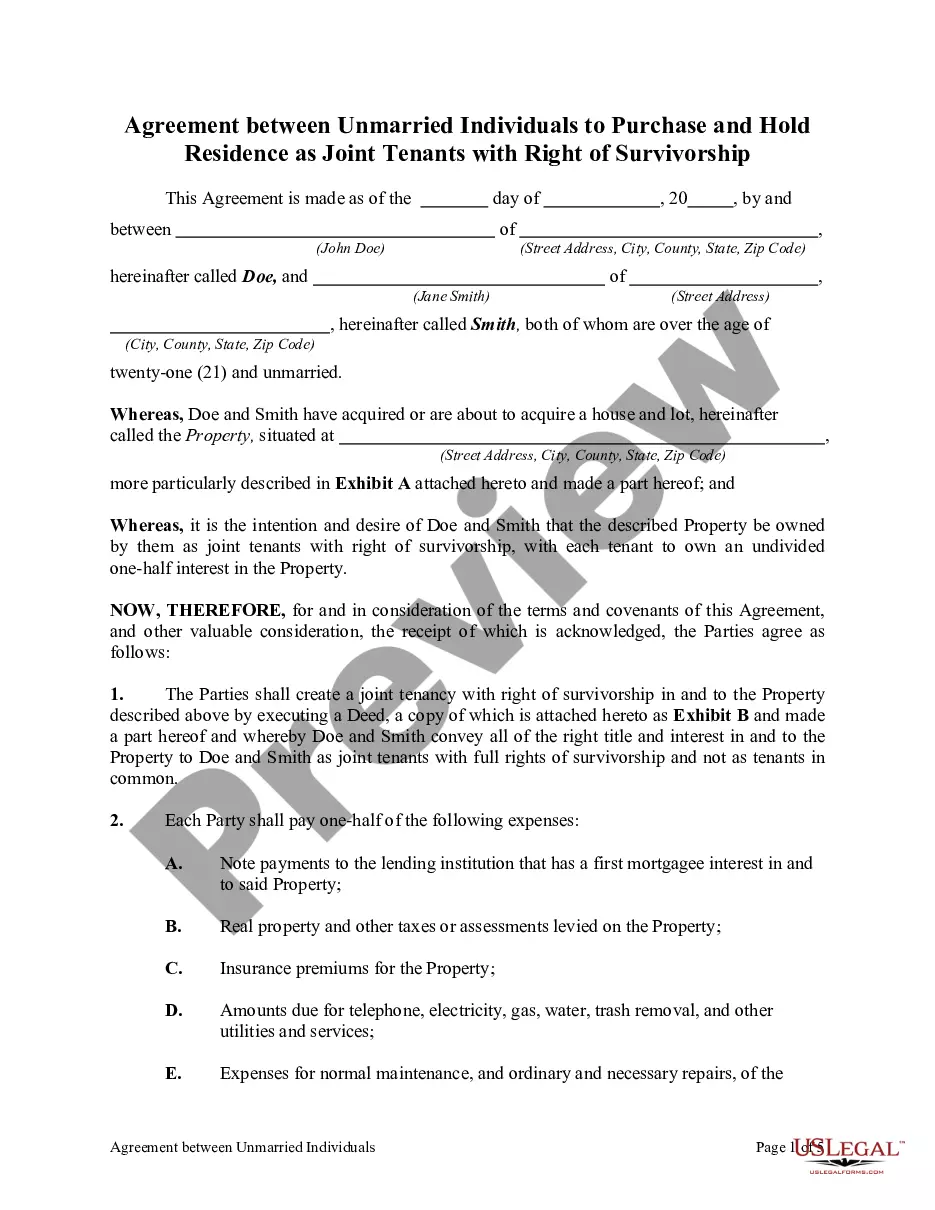
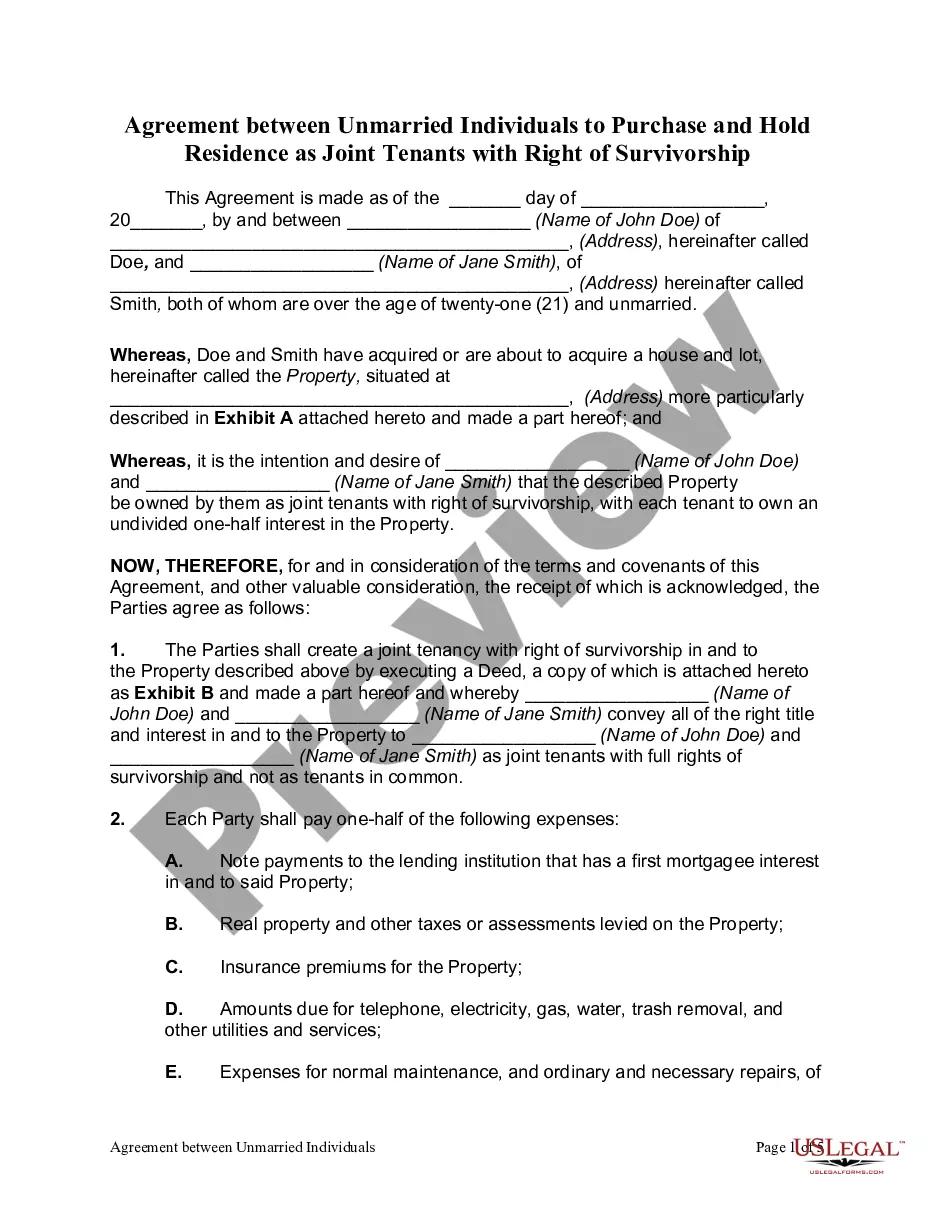
Get your form ready online
Our built-in tools help you complete, sign, share, and store your documents in one place.
Make edits, fill in missing information, and update formatting in US Legal Forms—just like you would in MS Word.
Download a copy, print it, send it by email, or mail it via USPS—whatever works best for your next step.
Sign and collect signatures with our SignNow integration. Send to multiple recipients, set reminders, and more. Go Premium to unlock E-Sign.
If this form requires notarization, complete it online through a secure video call—no need to meet a notary in person or wait for an appointment.
We protect your documents and personal data by following strict security and privacy standards.

Make edits, fill in missing information, and update formatting in US Legal Forms—just like you would in MS Word.

Download a copy, print it, send it by email, or mail it via USPS—whatever works best for your next step.

Sign and collect signatures with our SignNow integration. Send to multiple recipients, set reminders, and more. Go Premium to unlock E-Sign.

If this form requires notarization, complete it online through a secure video call—no need to meet a notary in person or wait for an appointment.

We protect your documents and personal data by following strict security and privacy standards.
Looking for another form?
Form popularity
FAQ
How the TOD Deed Works. The beneficiary's rights. The person you name in the deed to inherit the property doesn't have any legal right to it until your death—or, if you own the property "as joint tenants" with someone else, until the last surviving owner dies. (More on this below.)
This mean that if my brother and I co-own property as joint tenants and I die, my brother becomes the 100% owner of the property. If we co-own the property as equal tenants in common and I die, my half of the property (or 50% of the ownership) passes to my heirs and my brother's 50% remains unchanged.
A: In Minnesota, a tenant's lease can be terminated when the tenant dies. Either you or the tenant's estate is legally allowed to give two months' written notice to terminate the lease, regardless of how long the lease runs.
Before you can transfer property ownership to someone else, you'll need to complete the following. Identify the donee or recipient. Discuss terms and conditions with that person. Complete a change of ownership form. Change the title on the deed. Hire a real estate attorney to prepare the deed. Notarize and file the deed.
A life estate is a form of legal ownership that is usually created through a deed, will, or by operation of law. is an interest in real property that entitles the life estate owner (sometimes referred to as the life tenant) to the right to occupy, possess or otherwise use the property for the lifetime of one or more ...
Minnesota Passes Survivorship Bill, Expanding Justice for Victims of Medical Malpractice and Wrongful Death. On , Minnesota became the last state to pass a Survivorship Bill, expanding the damages that families can pursue after losing a loved one.
An Affidavit of Survivorship is a legal document used in Minnesota to transfer the ownership of real estate from one party to another when one of the parties has died. It is typically used by the heirs of a deceased party to transfer the deceased's ownership interest in real estate to the surviving owner.
A transfer on death deed must comply with all provisions of Minnesota law applicable to deeds of real property including, but not limited to, the provisions of sections 507.02, 507.24, 507.34, 508.48, and 508A.
By jointly owning property, you may find yourself party to a lawsuit if your co-owner is sued or the asset could be lost to a creditor of your co-owner. If your co-owner becomes incapacitated, you could find yourself “owning” the property with the co-owner's guardian or the courts.
Joint tenancy is most common among married couples because it helps property owners avoid probate. Without joint tenancy, a spouse would have to wait for their partner's Last Will to go through a legal review process—which can take months or even years.