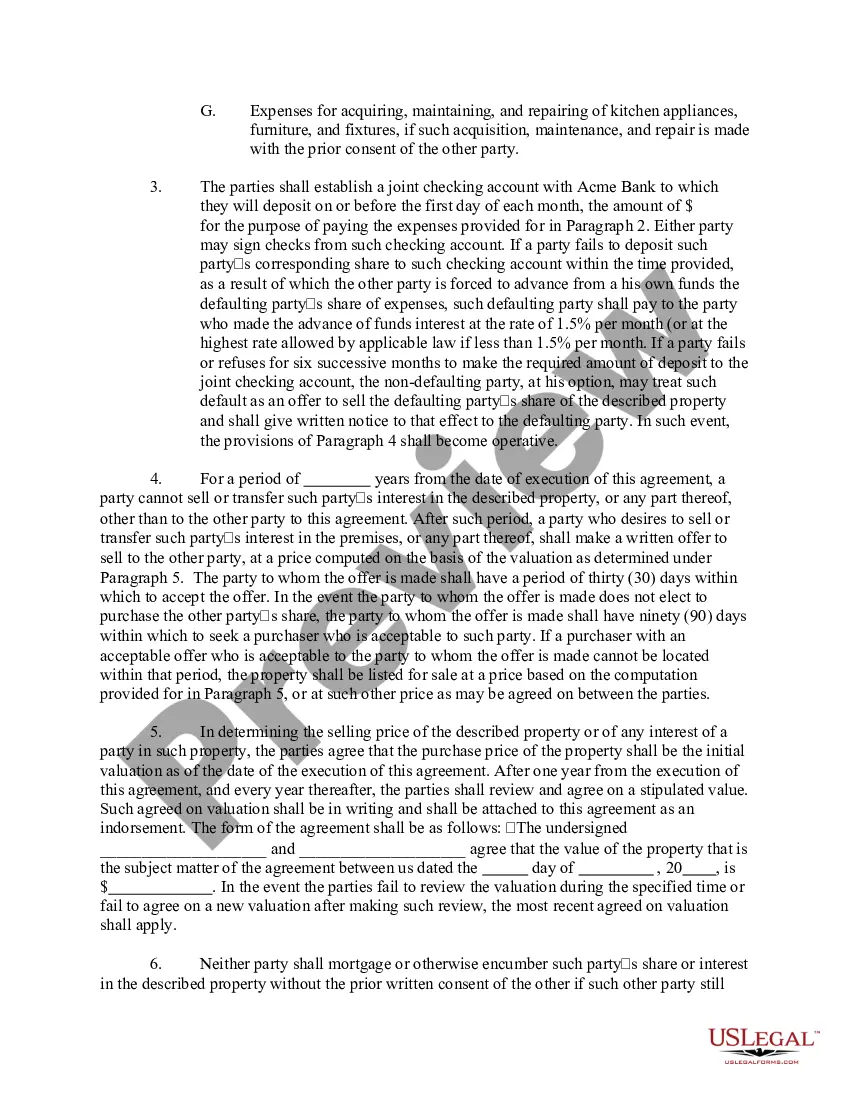
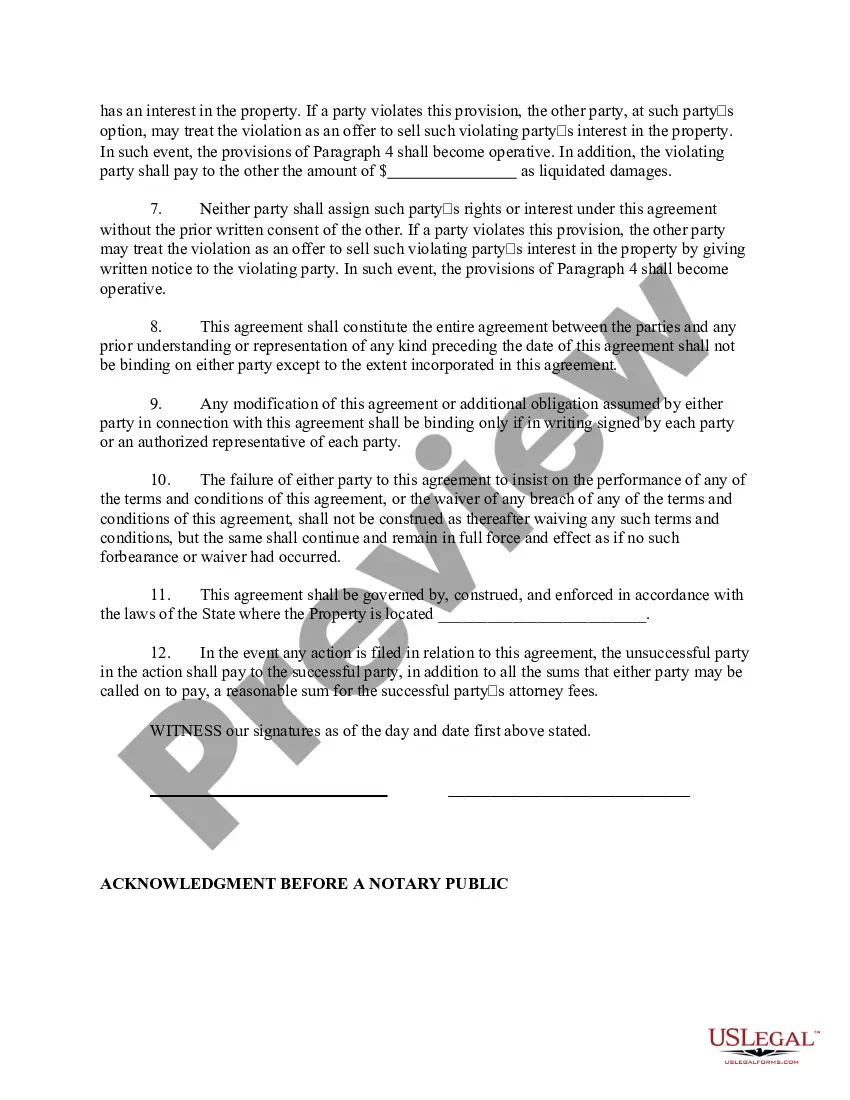
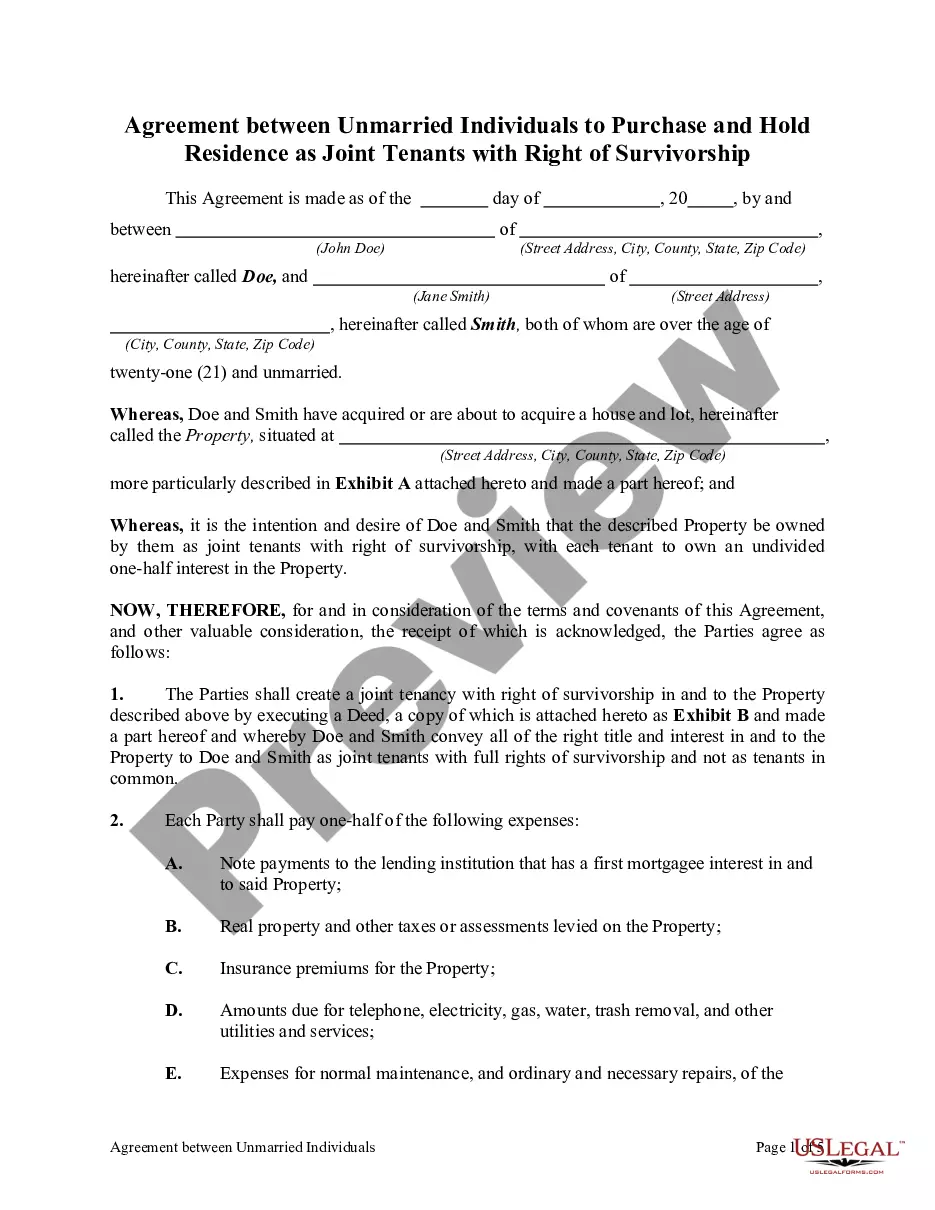
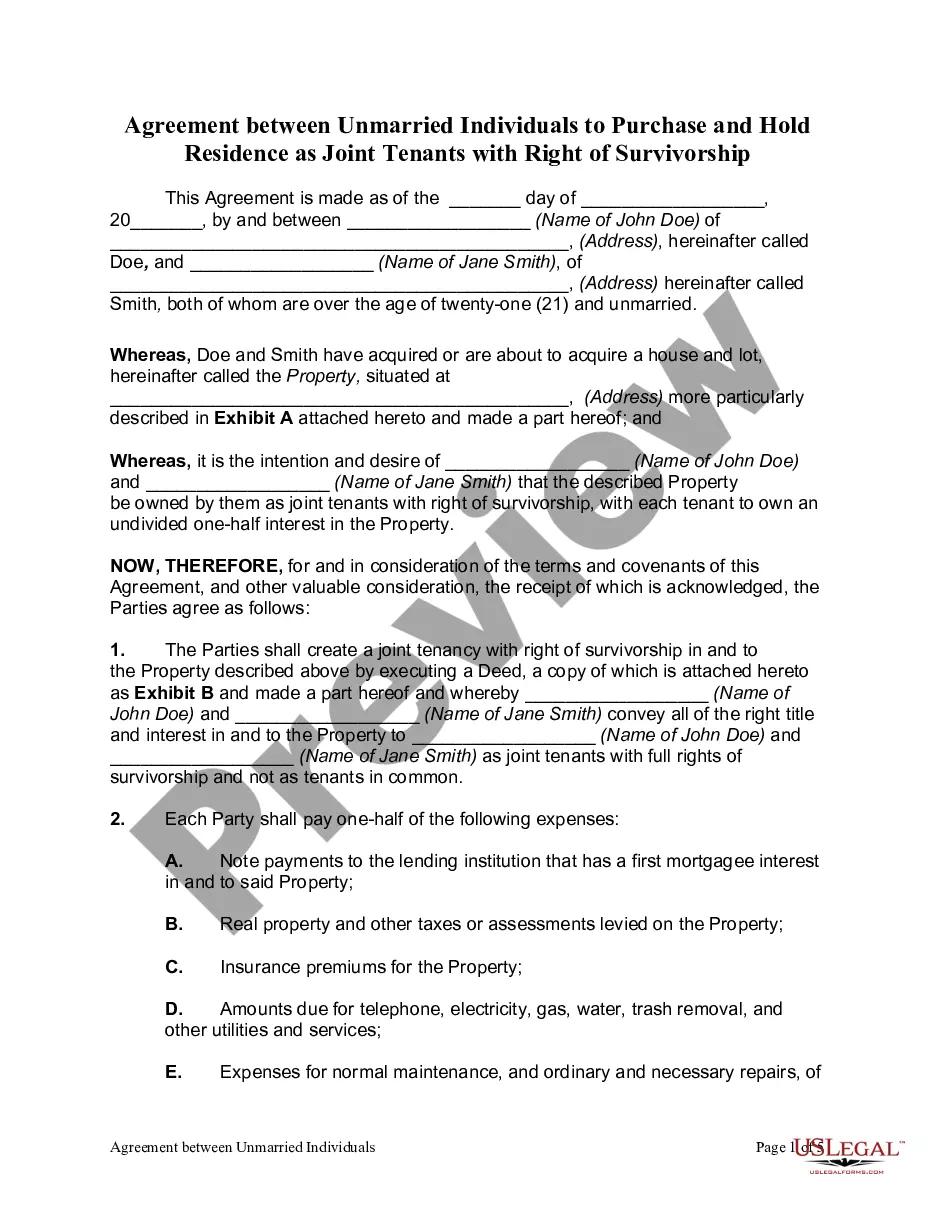
Joint Tenants With Full Rights Of Survivorship In Miami-Dade
Description

Get your form ready online
Our built-in tools help you complete, sign, share, and store your documents in one place.
Make edits, fill in missing information, and update formatting in US Legal Forms—just like you would in MS Word.
Download a copy, print it, send it by email, or mail it via USPS—whatever works best for your next step.
Sign and collect signatures with our SignNow integration. Send to multiple recipients, set reminders, and more. Go Premium to unlock E-Sign.
If this form requires notarization, complete it online through a secure video call—no need to meet a notary in person or wait for an appointment.
We protect your documents and personal data by following strict security and privacy standards.

Make edits, fill in missing information, and update formatting in US Legal Forms—just like you would in MS Word.

Download a copy, print it, send it by email, or mail it via USPS—whatever works best for your next step.

Sign and collect signatures with our SignNow integration. Send to multiple recipients, set reminders, and more. Go Premium to unlock E-Sign.

If this form requires notarization, complete it online through a secure video call—no need to meet a notary in person or wait for an appointment.

We protect your documents and personal data by following strict security and privacy standards.
Looking for another form?
Form popularity
FAQ
Joint Tenancy With Right of Survivorship (JTWROS) Each owner must own an equal percentage of the property (not, for example, 1/3 and 2/3). When one of the owners dies, the decedent's interest in the property automatically passes to the surviving joint tenant, without the need for probate.
Rights to Lease Property: Co-owners can lease out jointly owned property, but they typically need mutual consent. If the co-ownership agreement specifies, one owner might lease the property independently. However, without such an agreement, unilateral leasing can lead to legal disputes and potential partition actions.
The law is that all co-owners have a right to occupy the property, which means they have the right to allow any person to move into the jointly owned home without the permission of the co-owners unless a partition action is filed.
All parties involved, the landlord and tenant(s), must both sign the lease agreement to be valid.
Florida law allows individuals to force the sale of a jointly owned property through a partition action. Regardless of their percentage ownership interest, any co-owner has the right to initiate this legal process to seek the sale and division of the property's proceeds.
In Florida, a survivorship deed must meet certain requirements to remain valid. These include joint ownership, a precise legal description of the property, signatures from all co-owners in the presence of a notary public, and recording with the county clerk's office where the property is located.
Yes, JTWROS can be terminated by mutual agreement of all owners, or if one owner sells or transfers their share, converting the ownership to tenancy in common.
In Florida, a joint tenancy can be terminated in several ways, including through the sale of the property, divorce, death of a joint tenant, or mutual agreement between the tenants.
JTWROS ownership comprises separate concepts of “joint ownership” and “survivorship. Under Florida law, there must be at least two co-owners of joint tenants with right of survivorship property. There may be more than two owners, but there must be at least two owners who jointly share title.
To legally create JTWRS in the state of Florida, the right of survivorship must be expressly stated in the instrument creating the joint tenancy (typically a deed). In ance with § 689.15, Fla.