Joint Tenancy Definition With Example In Mecklenburg
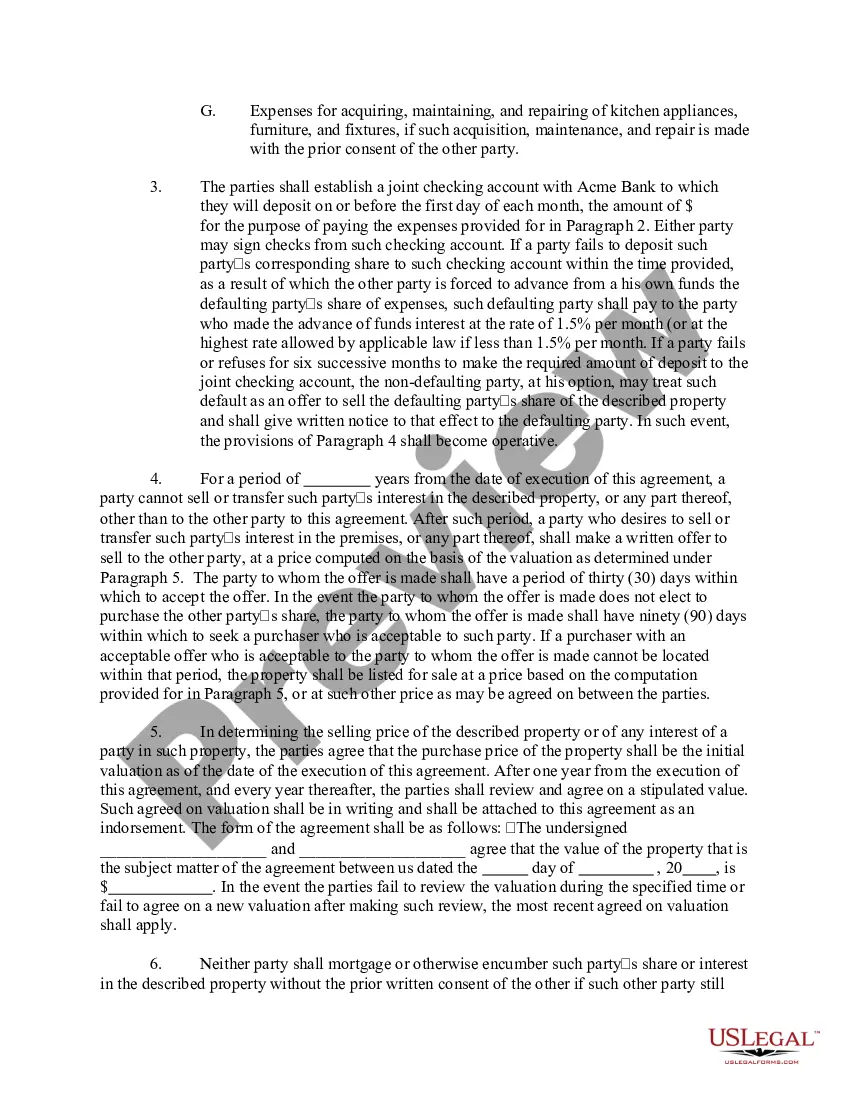
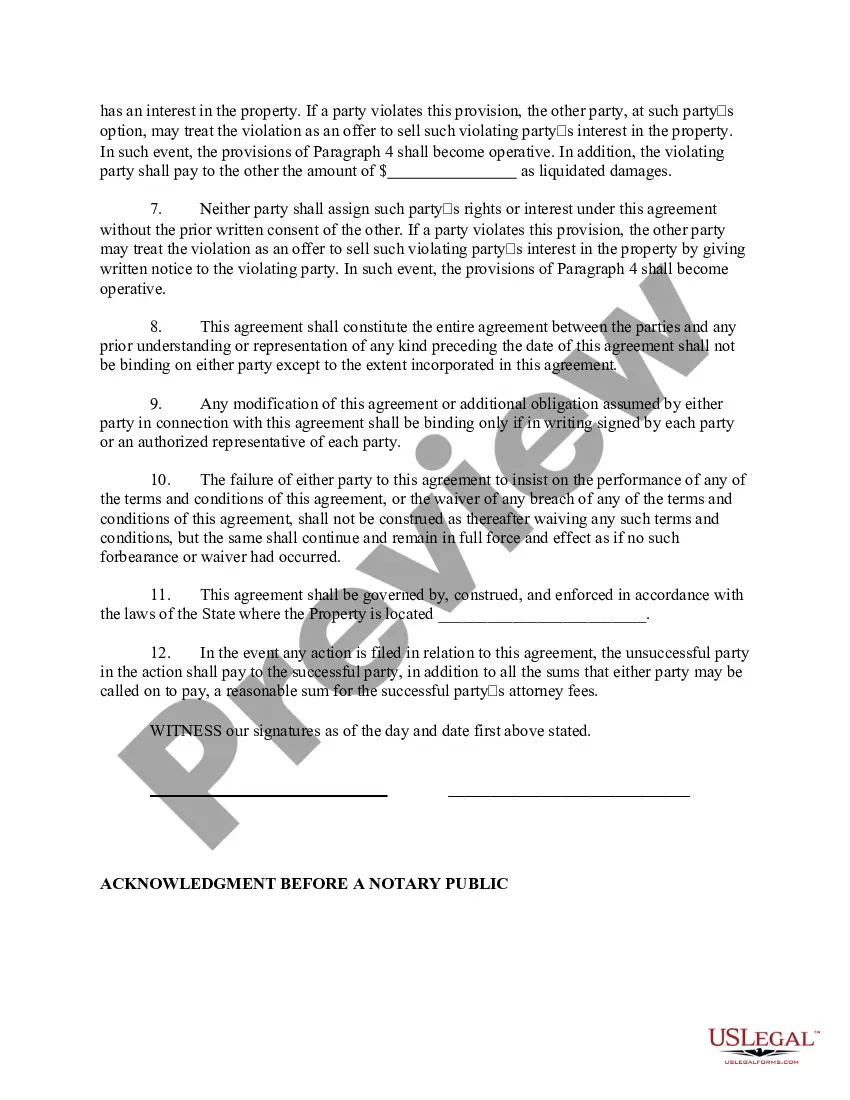
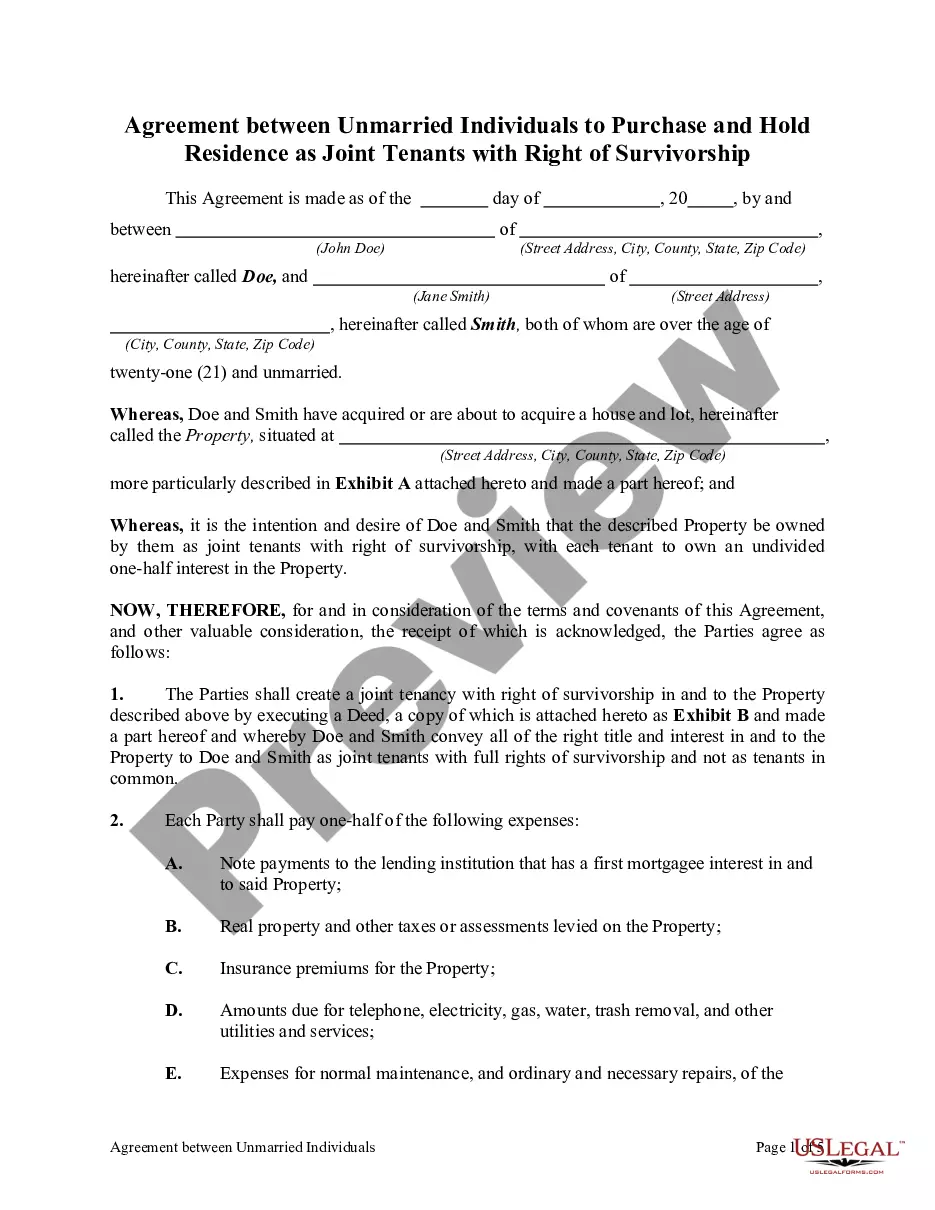
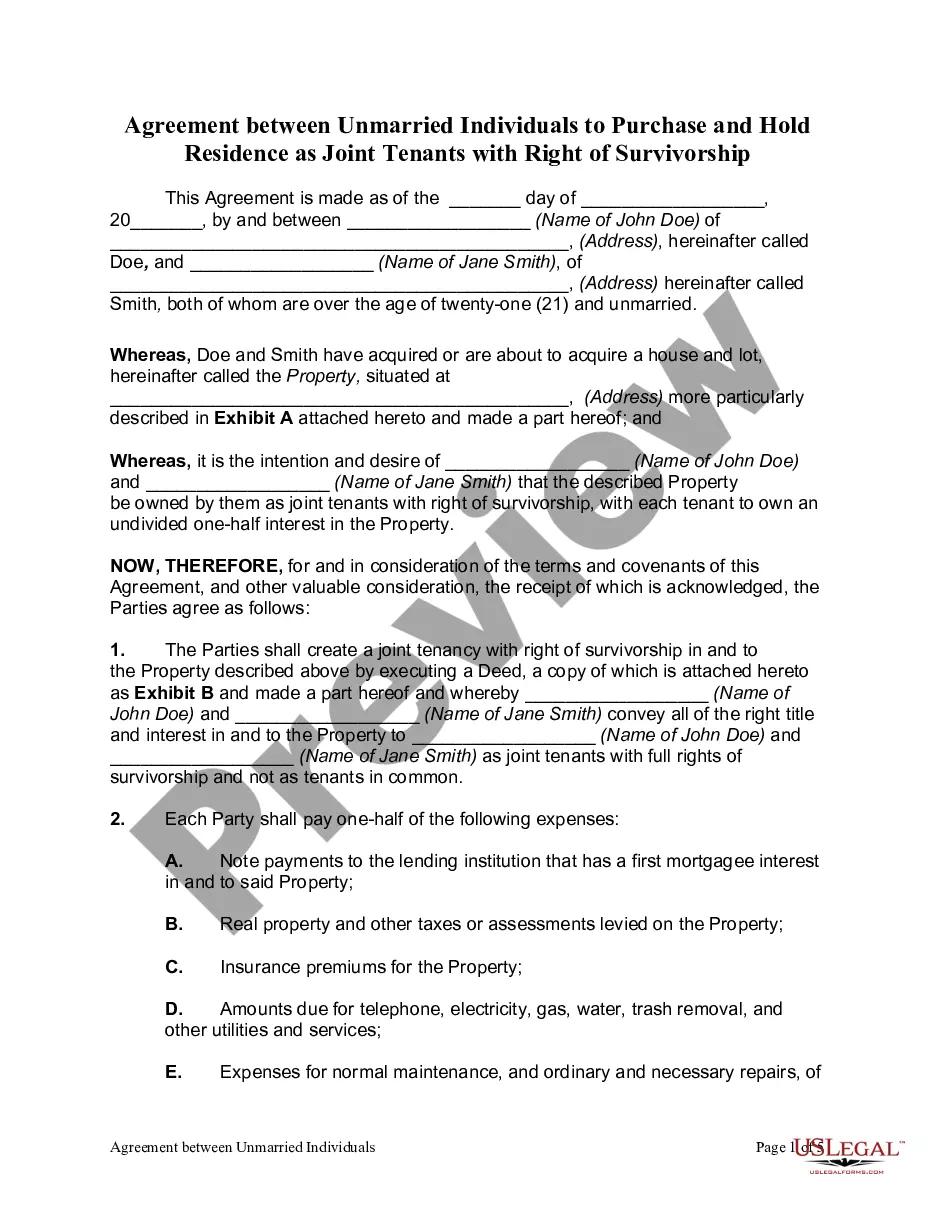
Description

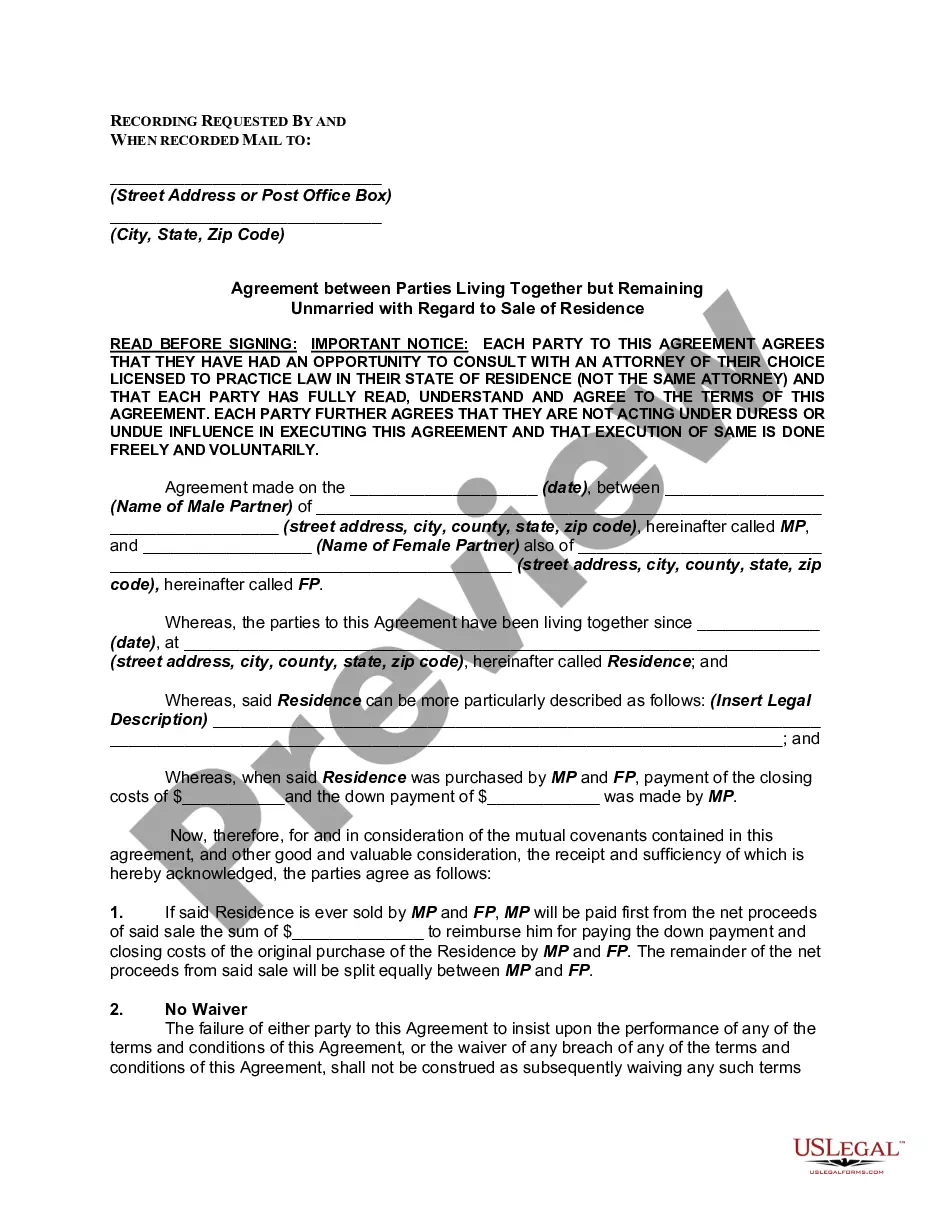
Get your form ready online
Our built-in tools help you complete, sign, share, and store your documents in one place.
Make edits, fill in missing information, and update formatting in US Legal Forms—just like you would in MS Word.
Download a copy, print it, send it by email, or mail it via USPS—whatever works best for your next step.
Sign and collect signatures with our SignNow integration. Send to multiple recipients, set reminders, and more. Go Premium to unlock E-Sign.
If this form requires notarization, complete it online through a secure video call—no need to meet a notary in person or wait for an appointment.
We protect your documents and personal data by following strict security and privacy standards.

Make edits, fill in missing information, and update formatting in US Legal Forms—just like you would in MS Word.

Download a copy, print it, send it by email, or mail it via USPS—whatever works best for your next step.

Sign and collect signatures with our SignNow integration. Send to multiple recipients, set reminders, and more. Go Premium to unlock E-Sign.

If this form requires notarization, complete it online through a secure video call—no need to meet a notary in person or wait for an appointment.

We protect your documents and personal data by following strict security and privacy standards.
Looking for another form?
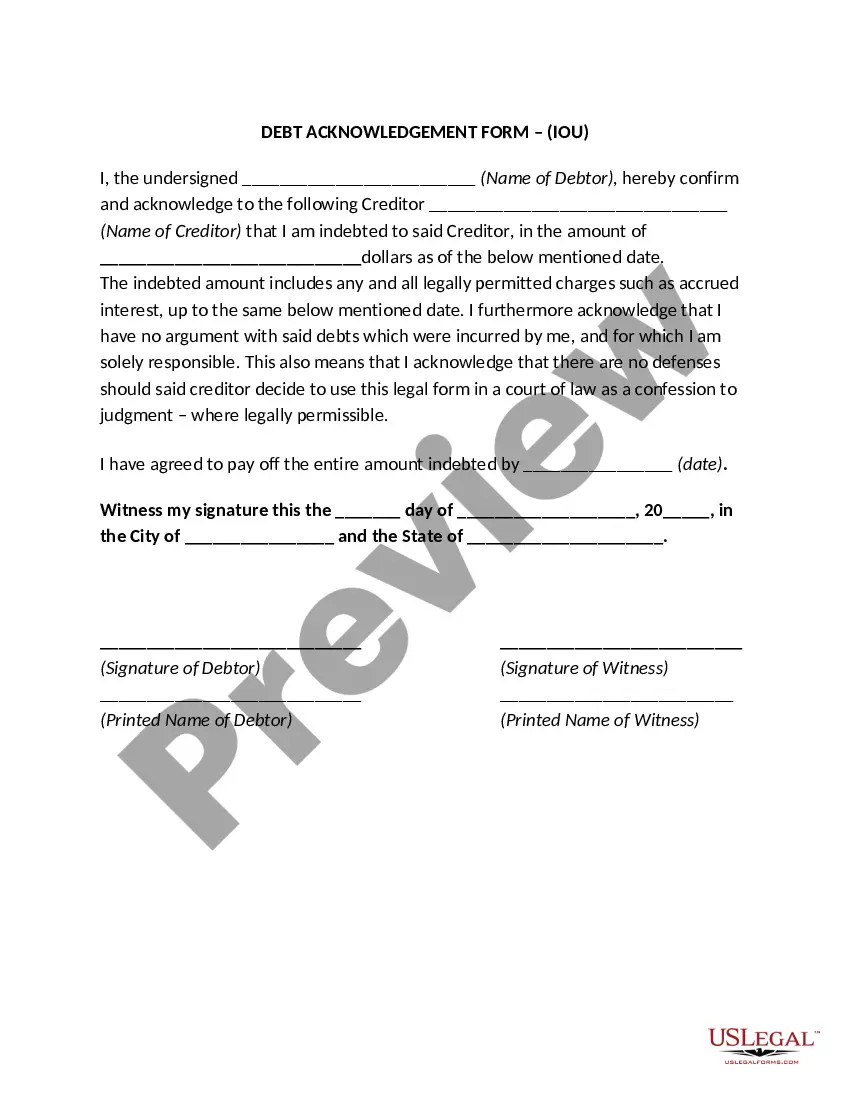









Form popularity
FAQ
This means that all co-owners have the same percentage of ownership. For example, in a joint tenancy with two individuals, each joint tenant would have a 50% interest. In a joint tenancy with three individuals, each joint tenant would have a 33.33% interest, and so on.
Joint tenancy property passes to the surviving joint tenant and no one else, no matter what you do. If it is your intent to leave your property to your spouse and then to your children, joint tenancy is not for you.
A joint owner or co-owner means that both owners have the same access to the account. As an owner of the account, both co-owners can deposit, withdraw, or close the account. You most likely want to reserve this for someone with whom you already have a financial relationship, such as a family member.
For example, two or more co-owners (“joint tenants”) own equal or. different-sized interests in the property. Each has the right to access, possess and use all the. property and can sell, give away, or otherwise convey or encumber their interest.
For example, business partners and unrelated people who own property together often decide to own the property as Tenants-in-Common. Joint Tenancy is the other form of combined ownership, whereby all of the registered owners own the entire property together at the same time.
Joint tenancy is a type of joint ownership of property in the field of property law , where each owner has an undivided interest in the property. This type of ownership creates a right of survivorship , which means that when one owner dies, the other owners absorb the deceased owner's interest .
Joint-owned property is any property that's held in the name of two or more parties. They can be business partners or any other combination of people who have a reason to own property together. The matrimonial status of joint ownership of assets occurs when the two parties are spouses.
2. Joint tenancy with rights of survivorship (JTWROS) Type of owner: married couplesThe most common form of property ownership for married couples is joint tenancy with rights of survivorship, which awards both parties undivided ownership.
