Joint Tenants Form 17 In Massachusetts
Description

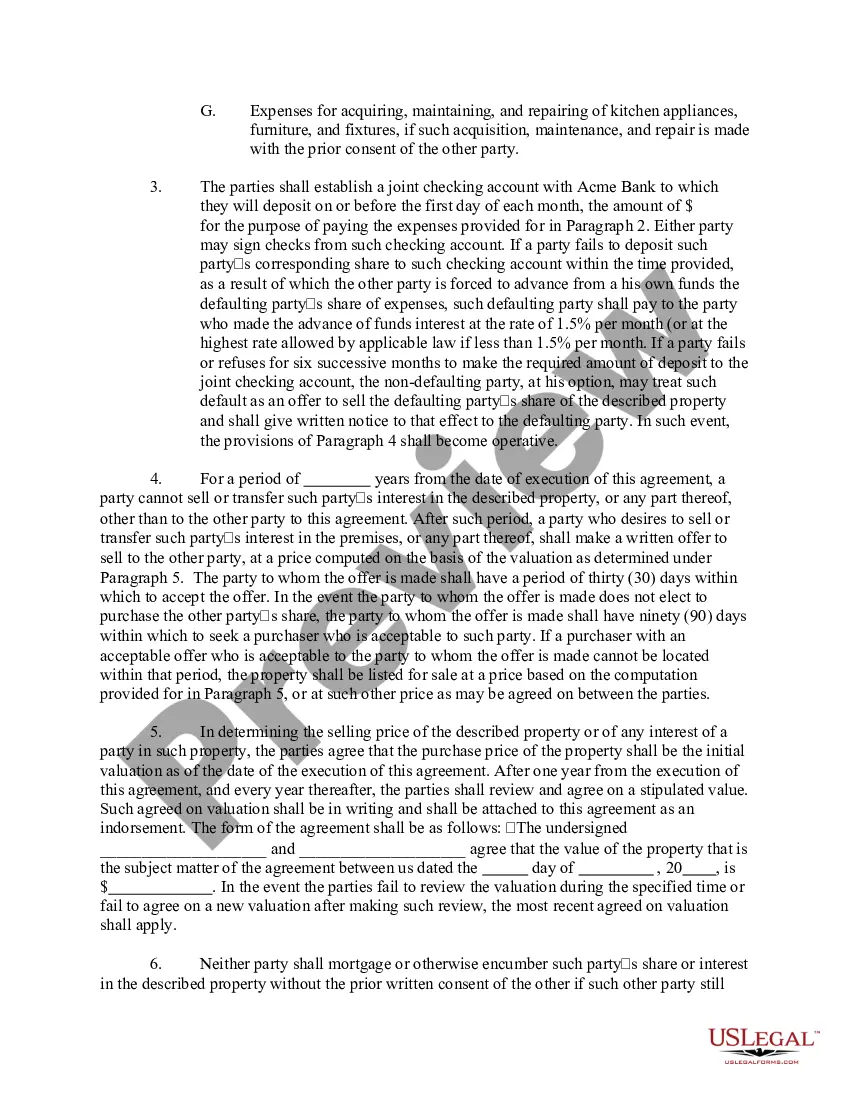
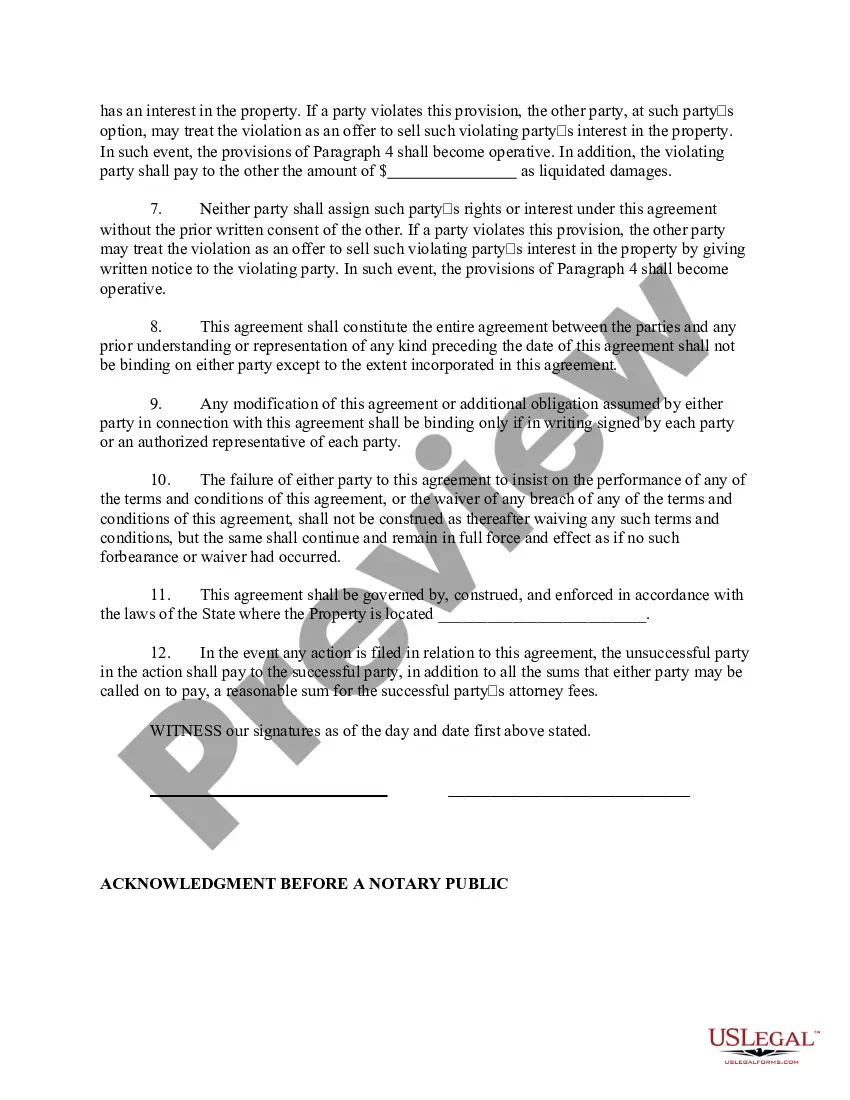
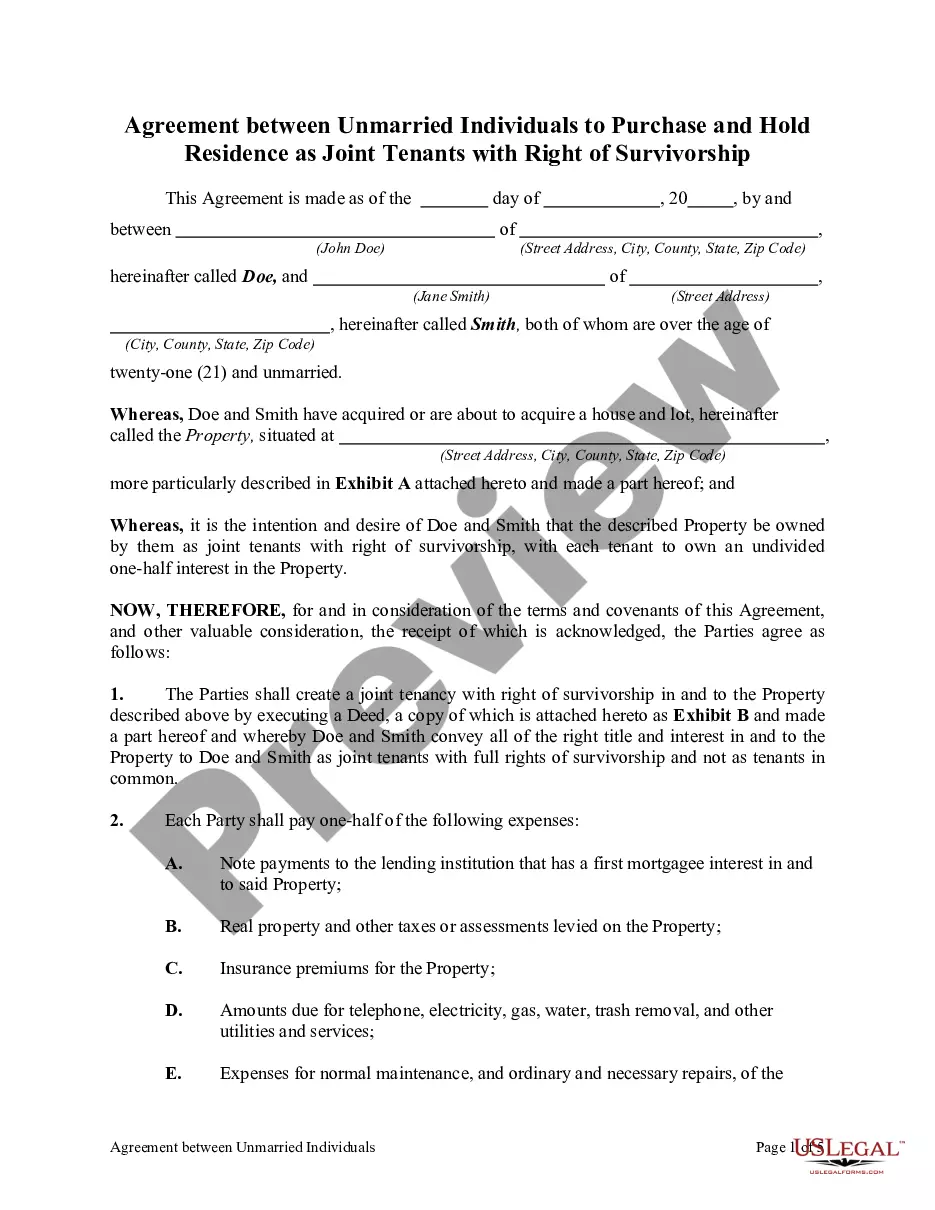
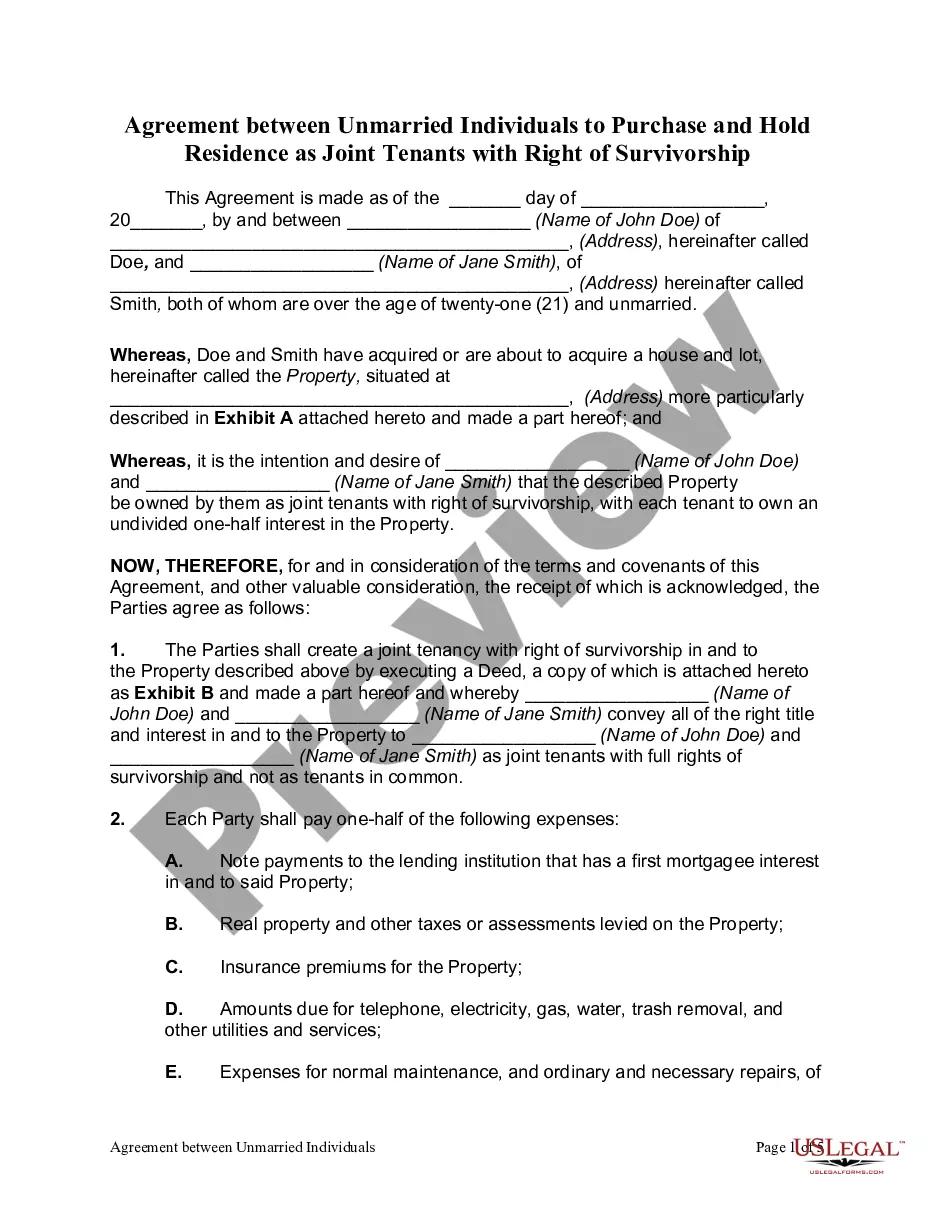
Get your form ready online
Our built-in tools help you complete, sign, share, and store your documents in one place.
Make edits, fill in missing information, and update formatting in US Legal Forms—just like you would in MS Word.
Download a copy, print it, send it by email, or mail it via USPS—whatever works best for your next step.
Sign and collect signatures with our SignNow integration. Send to multiple recipients, set reminders, and more. Go Premium to unlock E-Sign.
If this form requires notarization, complete it online through a secure video call—no need to meet a notary in person or wait for an appointment.
We protect your documents and personal data by following strict security and privacy standards.

Make edits, fill in missing information, and update formatting in US Legal Forms—just like you would in MS Word.

Download a copy, print it, send it by email, or mail it via USPS—whatever works best for your next step.

Sign and collect signatures with our SignNow integration. Send to multiple recipients, set reminders, and more. Go Premium to unlock E-Sign.

If this form requires notarization, complete it online through a secure video call—no need to meet a notary in person or wait for an appointment.

We protect your documents and personal data by following strict security and privacy standards.
Looking for another form?







Form popularity
FAQ
Form 17 process The Form 17 procedure is used to formally notify HMRC that there is, in fact, a different underlying beneficial ownership in the asset in question, other than – and that new split should be used to determine the split in income, for income tax purposes, from that point onwards.
FORM 17 - Reconciliation of Income Tax Withheld and W-2/1099 Transmittal. This file contains the instructions and details needed to reconcile income taxes withheld and W-2/1099 transmittal for the Regional Income Tax Agency (R.I.T.A.).
The seller disclosure statement, also known as a seller disclosure form or Form-17 is a crucial document that sellers must complete when selling their home. Its purpose is to provide potential buyers with information about the condition of the property and any known issues or defects.
Tax Court Form 17 provides the form to use in filing a notice of appeal of a Tax Court decision or dispositive order. It is important that you take the time to carefully read the following information and that you properly complete the notice of appeal form before filing it with the Tax Court.
The primary pitfalls are the need for agreement, the potential for assets to be frozen, and loss of control over the distribution of assets after death. Tenancy in common is an alternative to joint tenancy that avoids some of its drawbacks.
Joint Tenancy is for situations where there is more than one equal owner. The interests must be equal, occurring under the same conveyance, and beginning at the same time. When one owner dies, their ownership interest goes by operation of law (automatically) to the surviving owner(s).
Joint Tenants – When one joint tenant dies, the surviving joint tenant automatically owns the entire property. This is said to be a “right of survivorship.” A deed to two or more people must specify that they hold the property “as joint tenants” to create a joint tenancy.
Joint tenancy is a legal term for an arrangement that defines the ownership interests and rights among two or more co-owners of real property. In a joint tenancy, two or more people own property together, each with equal rights and responsibilities.
Joint Tenancy is for situations where there is more than one equal owner. The interests must be equal, occurring under the same conveyance, and beginning at the same time. When one owner dies, their ownership interest goes by operation of law (automatically) to the surviving owner(s).
