Joint Tenancy Definition With The In Maricopa
Description

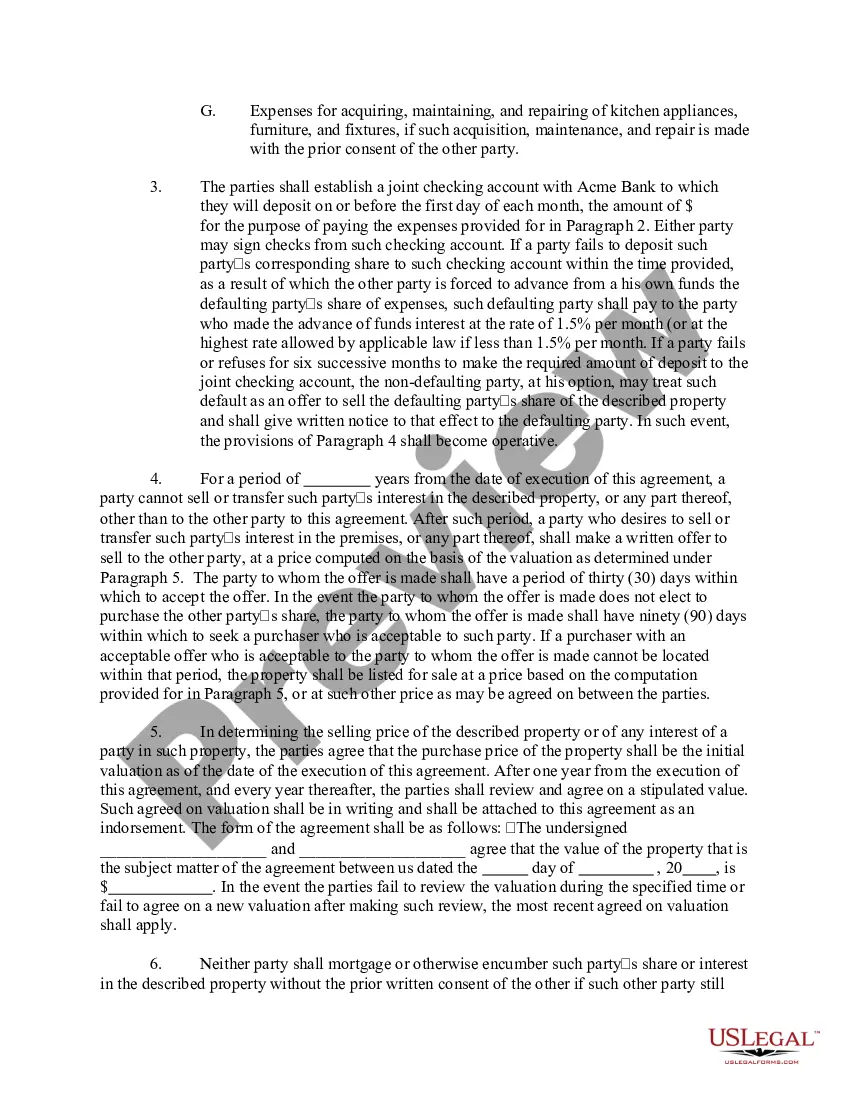
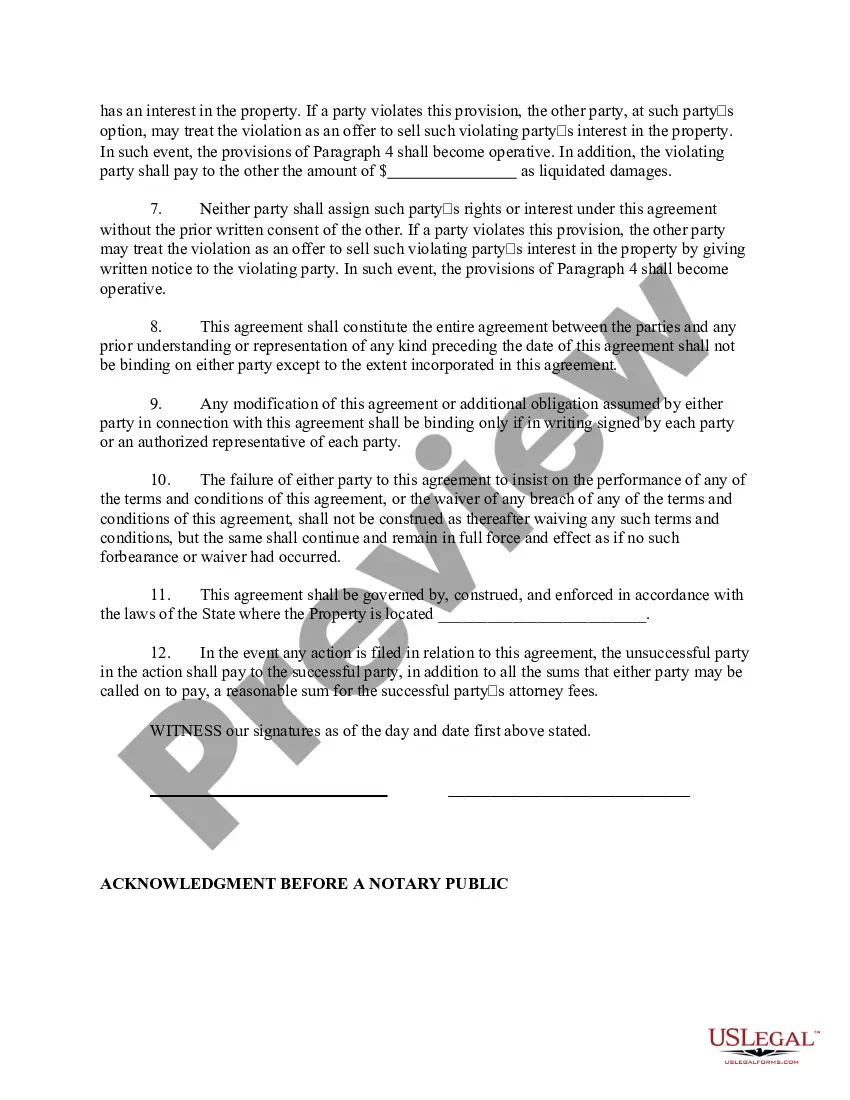
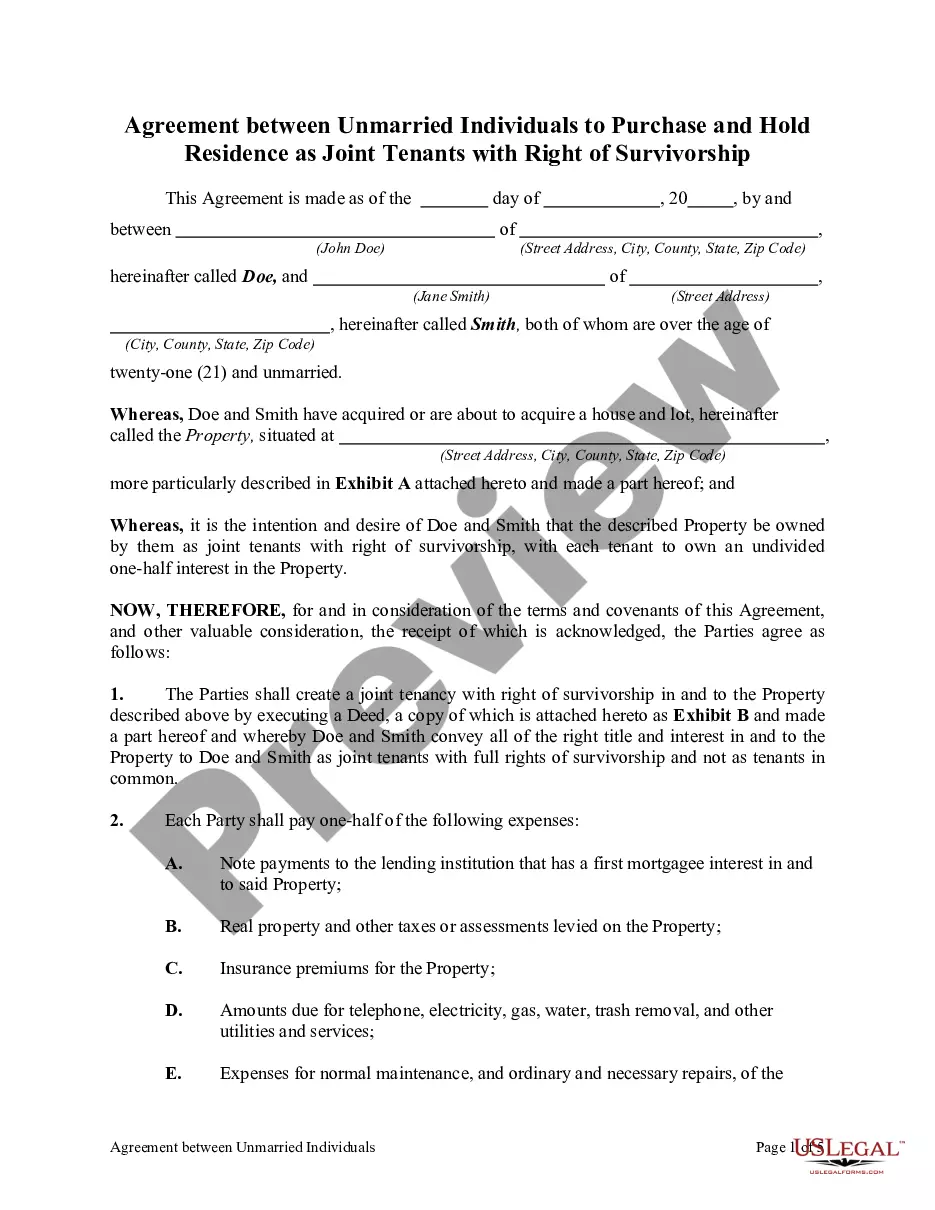
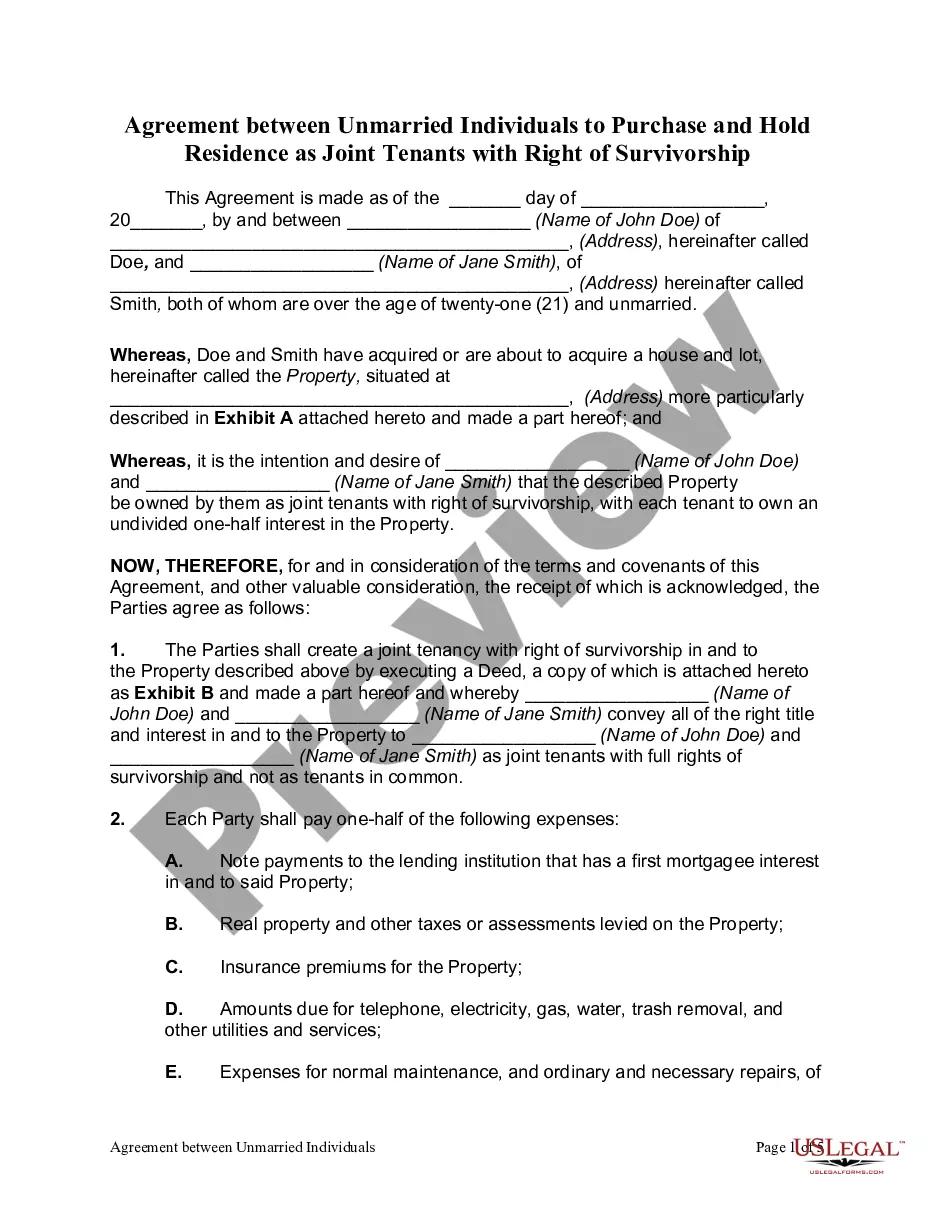
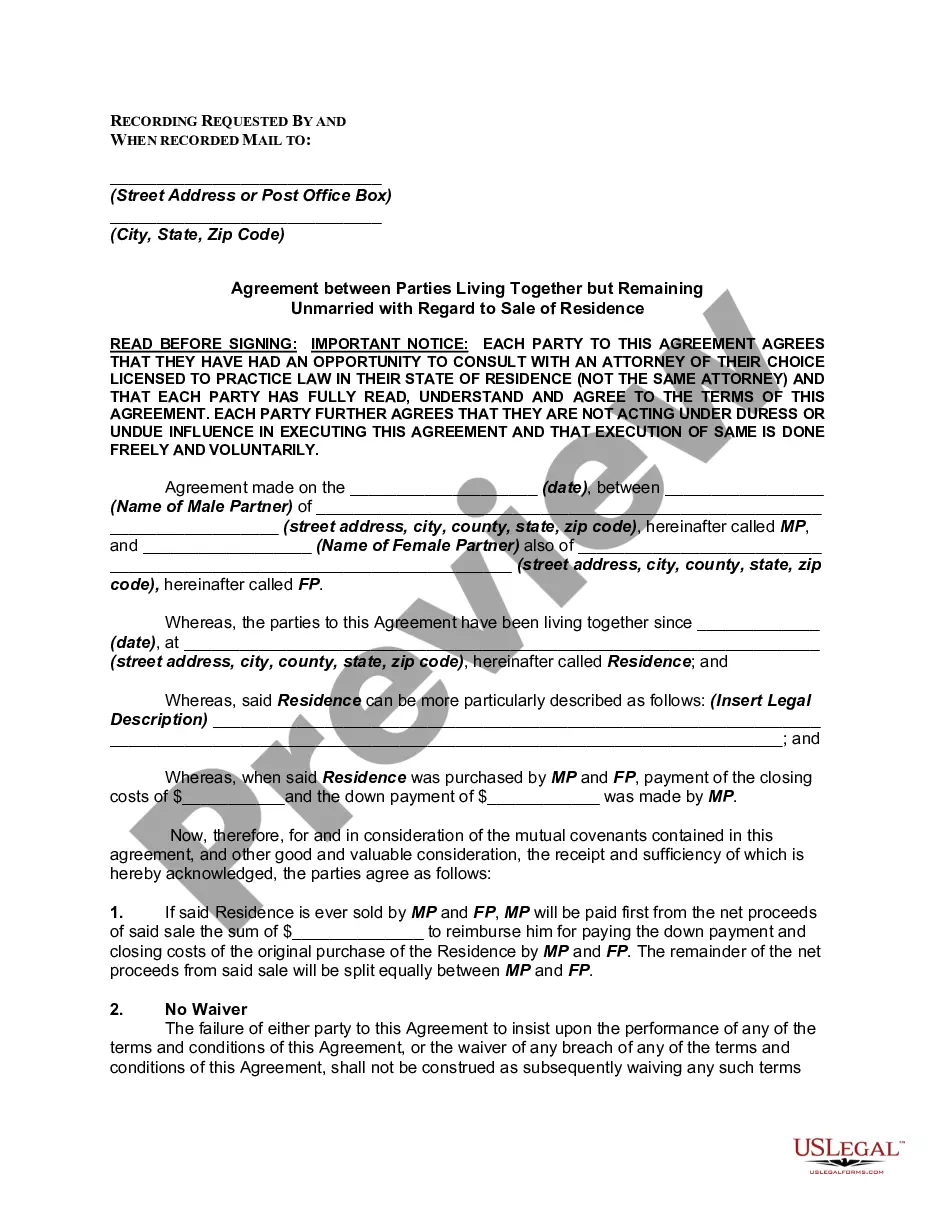
Get your form ready online
Our built-in tools help you complete, sign, share, and store your documents in one place.
Make edits, fill in missing information, and update formatting in US Legal Forms—just like you would in MS Word.
Download a copy, print it, send it by email, or mail it via USPS—whatever works best for your next step.
Sign and collect signatures with our SignNow integration. Send to multiple recipients, set reminders, and more. Go Premium to unlock E-Sign.
If this form requires notarization, complete it online through a secure video call—no need to meet a notary in person or wait for an appointment.
We protect your documents and personal data by following strict security and privacy standards.

Make edits, fill in missing information, and update formatting in US Legal Forms—just like you would in MS Word.

Download a copy, print it, send it by email, or mail it via USPS—whatever works best for your next step.

Sign and collect signatures with our SignNow integration. Send to multiple recipients, set reminders, and more. Go Premium to unlock E-Sign.

If this form requires notarization, complete it online through a secure video call—no need to meet a notary in person or wait for an appointment.

We protect your documents and personal data by following strict security and privacy standards.
Looking for another form?






Form popularity
FAQ
A deed is signed only by the grantor(s), not the grantee. A deed does not have to be recorded to be valid, but recording is very common. Bailey Law Firm advises clients on what deed is appropriate for their circumstance.
Documents recorded with the Maricopa County Recorder's Office are available and searchable through the Maricopa County Recorded Document Search. To locate a copy of your deed, search using your last name and first name. If you know when you recorded your document, you can use the dates to narrow your search.
The state of Arizona is a community property state. Property law in Arizona falls under ARS Title 33 of the Arizona Revised Statutes, and joint tenancy with the right of survivorship is under ARS Title 33-431 of the same Statutes.
Online or in person to search online visit the record's office website use their public recordsMoreOnline or in person to search online visit the record's office website use their public records search tool you can search by document number recording date or party. Name.
The key difference is in post-mortem property sale taxation. Joint tenancy triggers capital gains tax on property sales after a spouse's death. CPWROS exempts it. Additionally, joint tenancy is open to anyone, while community property is usually for married couples.
A joint tenancy is severed by (a) mortgage or creation of a deed of trust, (b) transfer to a revocable or irrevocable trust, (c) contract to convey the property, or (d) destruction of one or more of the four unities; and the result is the failure of the right of survivorship. In re the Estate of Estelle, 122 Ariz.
Documents recorded with the Maricopa County Recorder's Office are available and searchable through the Maricopa County Recorded Document Search. To locate a copy of your deed, search using your last name and first name. If you know when you recorded your document, you can use the dates to narrow your search.
A grant or devise to a husband and wife may by express words vest the estate in the surviving spouse on the death of one of the spouses when expressly declared in the grant, transfer or devise to be an estate in community property with right of survivorship.
Joint tenants in common are usually referred to as JTIC, and it usually refers to property owned where rights of survivorship do not apply. It means that each individual owns a specific part of the property, and upon their passing, the other individuals will not have a right of survivorship to that specific portion.
